


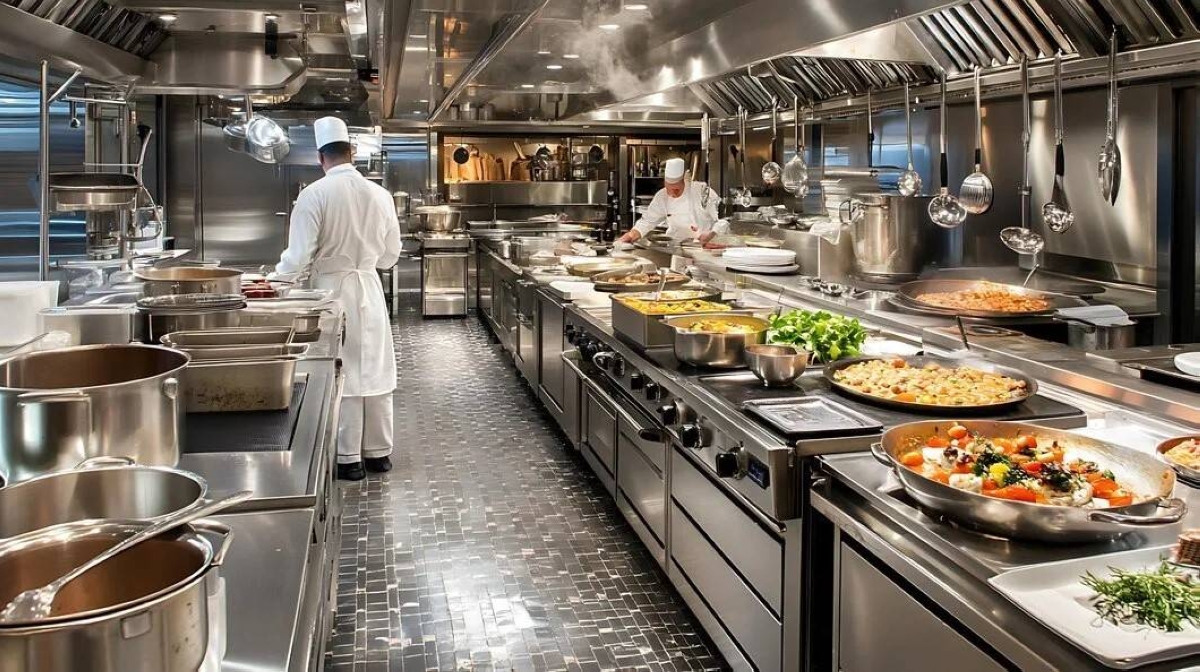
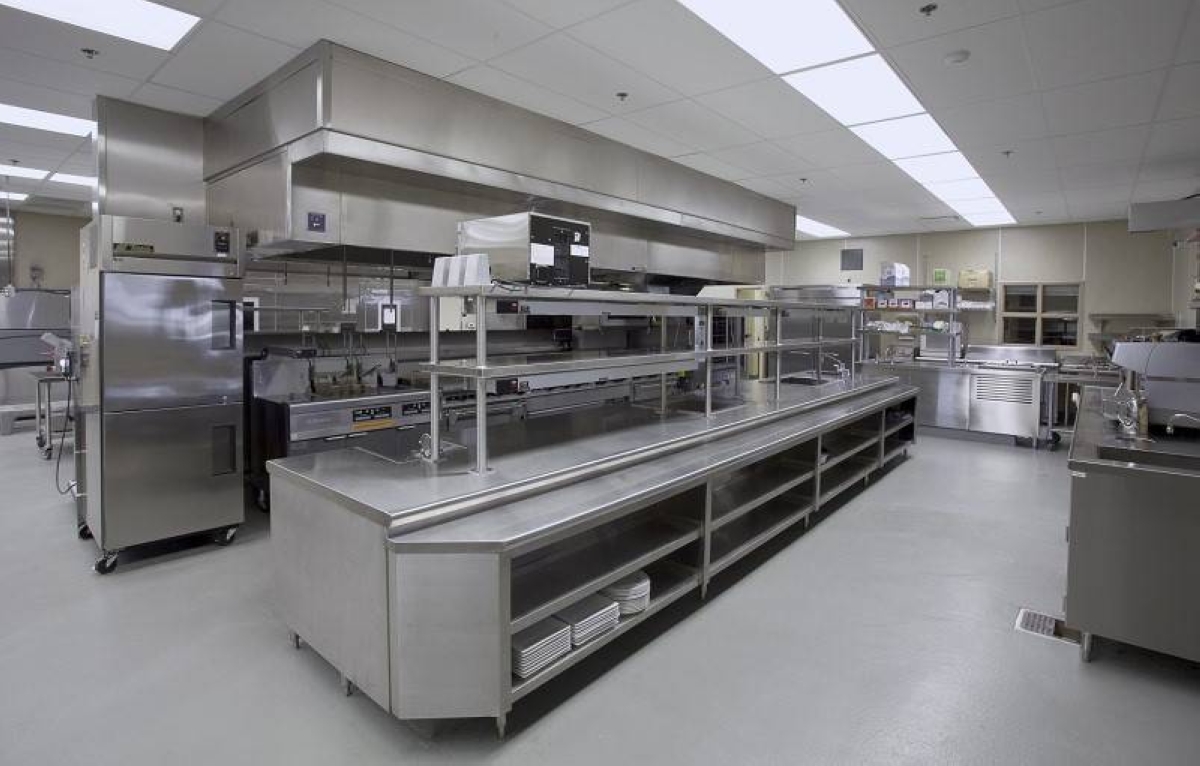
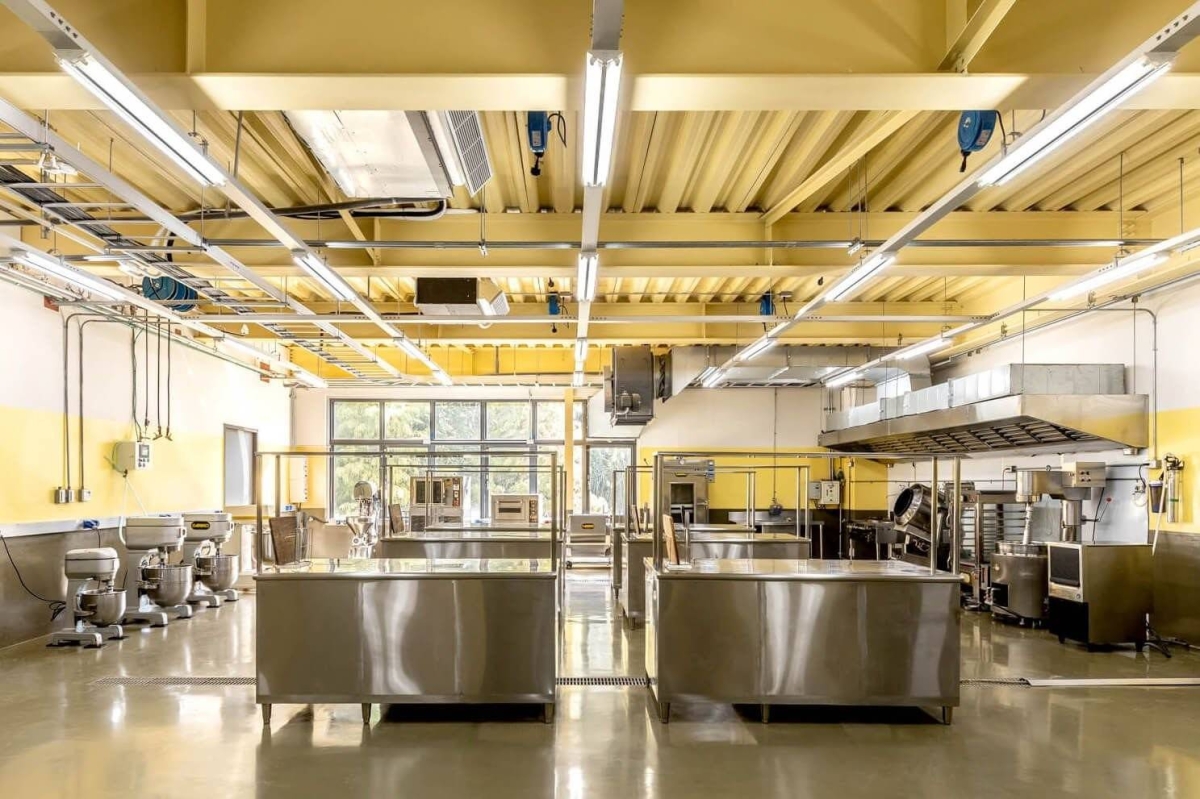
اقترحت وزارة البلديات والإسكان اشتراطات جديدة للنُزل المؤقتة تضمن منع إقامة مطابخ مركزية داخل النزل، وإلزامها عند تقديم الإعاشة بالتعاقد مع مطابخ مرخصة، على أن تكون مدة الترخيص سنة واحدة غير قابلة للتجديد.
وبينت الوزارة أن مشروع الاشتراطات يهدف إلى المحافظة على سلامة وصحة المستهلك، وتهيئة بيئة استثمارية منظمة توفر فرص عمل نظامية للمواطنين.
وكشفت أن إصدار أو تجديد أو تعديل أو إلغاء تراخيص النزل المؤقتة سيكون وفق نظام إجراءات التراخيص البلدية ولائحته التنفيذية، مع ضرورة الحصول على موافقة الدفاع المدني قبل إصدار الترخيص، ووجود سجل تجاري ساري المفعول يتضمن الأنشطة المطلوب ترخيصها، إلى جانب موافقات الجهات المشرفة المختصة والأمانة أو البلدية التي يقع النشاط ضمن نطاقها للتأكد من مناسبة الموقع.
وشددت الوزارة على ضرورة التقيد بمتطلبات اللوحات التجارية وربط بياناتها مع بيانات الترخيص، وذلك وفق تسلسل الأولويات المعتمد، ابتداءً من الكود العمراني للمنطقة، مروراً بالدليل التنظيمي الصادر من الأمانة، وصولاً إلى الدليل الإرشادي للوحات التجارية المعتمد من الوزارة، كما شددت على إزالة اللوحات التجارية فور إلغاء الترخيص، وإعادة الوضع إلى ما كان عليه، مع السماح بوضع اللوحات التجارية كملصقات عند الحاجة. والتزام النزل المؤقتة بتطبيق كود البناء السعودي بجميع متطلباته الإنشائية والكهربائية والميكانيكية والصحية ومتطلبات التهوية وتوفير الطاقة، واعتماد أعمال التصميم والإشراف من مكاتب هندسية معتمدة، إضافة إلى تخصيص غرفة لتخزين النفايات داخل المبنى وشملت الضوابط المعمارية إضاءة المواقف والممرات وصيانتها، وتعبيد الممرات والمواقف الداخلية بما يتوافق مع كود الطرق السعودي.
واستعرض المشروع المظهر الخارجي للنزل والذي يجب أن تلتزم الواجهات بما يتناسب مع الهوية العمرانية للمنطقة ومنع تركيب أي تمديدات أو أجهزة ظاهرة تشوه المنظر العام، ومراعاة احتياجات الأشخاص ذوي الإعاقة وتوفير منحدرات آمنة وخالية من العيوب، وصناعة الدرج الخارجي من مواد مقاومة للانزلاق مثل الجرانيت أو الرخام المعالج وأن تكون المداخل ضمن حدود المبنى وخالية من أي عوائق قد تعرقل الدخول أو الإخلاء في حالات الطوارئ.
وألزم المشروع المقدم من وزارة البلديات بوجود مخططات معتمدة للوقاية من الحريق، وتقرير مطابقة يثبت استيفاء المبنى لكافة معايير السلامة، واشترطت أن تكون الطرق المؤدية للنزل مناسبة لمرور آليات الدفاع المدني بعرض لا يقل عن 10 أمتار، وأن يتوافر عدد كافٍ من مخارج الطوارئ لا يقل عن اثنين ومطابقة مخارج الهروب والممرات والسلالم لكود البناء وأن تكون التشطيبات الداخلية والديكورات مقاومة للحريق والدخان، وتركيب أنظمة الإطفاء والإنذار والتهوية والإضاءة وصيانتها بشكل دوري، وتنظيم عمليات التخزين داخل المبنى، خصوصا المواد القابلة للاشتعال، وتوفير عقود صيانة مع شركات معتمدة من الدفاع المدني.
منع إقامة المطابخ المركزية داخل نزل الحج المؤقتة
2 سبتمبر 2025 - 15:45
|
آخر تحديث 2 سبتمبر 2025 - 15:45


تابع قناة عكاظ على الواتساب
إبراهيم العلوي (جدة) i_waleeed22@
The Ministry of Municipalities and Housing has proposed new requirements for temporary accommodations that ensure the prohibition of establishing central kitchens within the accommodations, and obligate them to contract with licensed kitchens when providing meals, with the license duration being one year and non-renewable.
The ministry indicated that the project aims to maintain consumer safety and health, and to create an organized investment environment that provides legitimate job opportunities for citizens.
It revealed that the issuance, renewal, modification, or cancellation of temporary accommodation licenses will be according to the municipal licensing procedures system and its executive regulations, with the necessity of obtaining Civil Defense approval before issuing the license, and having a valid commercial registration that includes the activities to be licensed, in addition to approvals from the relevant supervising authorities and the municipality or secretariat within whose jurisdiction the activity falls, to ensure the suitability of the location.
The ministry emphasized the need to adhere to the requirements for commercial signage and to link its data with the licensing data, according to the approved priority sequence, starting from the urban code for the area, passing through the organizational guide issued by the secretariat, and reaching the approved guide for commercial signage by the ministry. It also stressed the removal of commercial signs immediately upon license cancellation and restoring the situation to its original state, while allowing the placement of commercial signs as stickers when necessary. Temporary accommodations must comply with the Saudi Building Code in all its structural, electrical, mechanical, health, ventilation, and energy efficiency requirements, and design and supervision works must be approved by accredited engineering offices. Additionally, a room for waste storage must be designated within the building, and the architectural controls include lighting for parking lots and corridors and their maintenance, as well as paving internal pathways and parking areas in accordance with the Saudi Road Code.
The project reviewed the external appearance of the accommodations, which must ensure that the facades are consistent with the architectural identity of the area and prohibit the installation of any visible extensions or devices that distort the overall appearance. It must also consider the needs of persons with disabilities by providing safe and defect-free ramps, and the external stairs must be made of slip-resistant materials such as treated granite or marble, with entrances within the building boundaries and free of any obstacles that may impede entry or evacuation in emergencies.
The project submitted by the Ministry of Municipalities requires the existence of approved fire prevention plans and a compliance report proving that the building meets all safety standards. It stipulates that the access roads to the accommodations must be suitable for the passage of Civil Defense vehicles with a width of no less than 10 meters, and there must be a sufficient number of emergency exits, not less than two, with escape routes, corridors, and stairs conforming to the building code. The internal finishes and decorations must be fire and smoke-resistant, and fire, alarm, ventilation, and lighting systems must be installed and maintained regularly. Additionally, the organization of storage operations within the building, especially for flammable materials, should be ensured, along with providing maintenance contracts with companies accredited by the Civil Defense.
The ministry indicated that the project aims to maintain consumer safety and health, and to create an organized investment environment that provides legitimate job opportunities for citizens.
It revealed that the issuance, renewal, modification, or cancellation of temporary accommodation licenses will be according to the municipal licensing procedures system and its executive regulations, with the necessity of obtaining Civil Defense approval before issuing the license, and having a valid commercial registration that includes the activities to be licensed, in addition to approvals from the relevant supervising authorities and the municipality or secretariat within whose jurisdiction the activity falls, to ensure the suitability of the location.
The ministry emphasized the need to adhere to the requirements for commercial signage and to link its data with the licensing data, according to the approved priority sequence, starting from the urban code for the area, passing through the organizational guide issued by the secretariat, and reaching the approved guide for commercial signage by the ministry. It also stressed the removal of commercial signs immediately upon license cancellation and restoring the situation to its original state, while allowing the placement of commercial signs as stickers when necessary. Temporary accommodations must comply with the Saudi Building Code in all its structural, electrical, mechanical, health, ventilation, and energy efficiency requirements, and design and supervision works must be approved by accredited engineering offices. Additionally, a room for waste storage must be designated within the building, and the architectural controls include lighting for parking lots and corridors and their maintenance, as well as paving internal pathways and parking areas in accordance with the Saudi Road Code.
The project reviewed the external appearance of the accommodations, which must ensure that the facades are consistent with the architectural identity of the area and prohibit the installation of any visible extensions or devices that distort the overall appearance. It must also consider the needs of persons with disabilities by providing safe and defect-free ramps, and the external stairs must be made of slip-resistant materials such as treated granite or marble, with entrances within the building boundaries and free of any obstacles that may impede entry or evacuation in emergencies.
The project submitted by the Ministry of Municipalities requires the existence of approved fire prevention plans and a compliance report proving that the building meets all safety standards. It stipulates that the access roads to the accommodations must be suitable for the passage of Civil Defense vehicles with a width of no less than 10 meters, and there must be a sufficient number of emergency exits, not less than two, with escape routes, corridors, and stairs conforming to the building code. The internal finishes and decorations must be fire and smoke-resistant, and fire, alarm, ventilation, and lighting systems must be installed and maintained regularly. Additionally, the organization of storage operations within the building, especially for flammable materials, should be ensured, along with providing maintenance contracts with companies accredited by the Civil Defense.


