كشف الدفاع المدني أبرز الشروط والتعليمات لتخزين المواد الكيميائية، ومتطلبات السلامة الخاصة بمواقع مستودعات التخزين، وشروط اختيار المواقع، والمتطلبات الإنشائية والكهربائية والبيئية. وأكد أن تكون مخازن المواد الكيميائية الخطرة في مبنى مستقل عن المباني الأخرى في مكان لا يسمح بتعرض المخازن لخطر، بعيداً عن الأحياء السكنية والمهمة، والأماكن المأهولة بالسكان، وأن تكون على مسافة آمنة من المنشآت الحيوية وفقاً لمتطلبات الجهات المختصة، وأن يكون المخزن من طابق واحد فقط، ومزوداً بوسائل مقاومة الحريق والإطفاء بمصادر مستقلة، مع تخزين المواد الخطرة في عبوات محكمة جيداً ومعبأة تعبئة أولية جيدة، مدون عليها جميع البيانات الأساسية، وتوافر وسائل كافية للإضاءة والإنارة الطبيعية بمدة لا تقل عن ست ساعات في اليوم.
وشدد الدفاع المدني على عدم وضع المواد المخزنة في الممرات، على أن يتم التخزين على أرض مستوية خالية من الرطوبة، ومراعاة أن تكون المواد المتوقع تلفها نتيجة اتصالها بالمياه فوق قوائم مرفوعة عن الأرض مع وضع العبوات على أرفف حديدية مناسبة للحجم والنوع، وترك مسافة بين كل رصة، ومسافة بين الجدار والمواد المخزنة، ووضع الاسم الكيميائي على كل نوع، إضافةً إلى الرقم الدولي، وتاريخ التصنيع، وتاريخ التخزين، وعنوان ورقم الهاتف للجهة الموردة، إذ يجب أن يتم السحب منها حسب الأقدم صناعةً وتخزيناً فالأحدث.
واشترطت أن تكون المخازن مبنية من مواد غير قابلة للاحتراق والتمدد والتقلص، وعلى ارتفاع لا يقل عن متر واحد عن مستوى سطح الأرض، بمساحات كافية للتهوية والخطر، ومراعاة الشروط والمواصفات الوقائية الخاصة بكل نوع منها، وتزويد المخزن بمخارج للطوارئ لا تقل عن مخرجين متباعدين، ومسارات آمنة لسيارات الإسعاف والإطفاء بحيث لا يقل عرض المسار عن ستة أمتار من الساحة المخصصة لذلك، وأن تخزن المواد بشكل مناسب بحيث يسهل التعامل معها في حالة حدوث خطر أو الحوادث.
ومن المتطلبات الكهربائية تحديد نوع المادة الكيميائية حسب المواصفات والمقاييس السعودية، وإعطاء كل نوع من المواد بطاقة تعريفية متخصصة، وتخزين المواد القابلة للانفجار في أماكن معزولة ومخصصة، بعيدة عن مناطق التخزين الأخرى، وتخزين المواد السائلة بعيداً عن المواد الصلبة، مع وجود وسائل مناسبة للاحتواء في حال التسرب، وتقطيع عبوات المواد الكيميائية الكبيرة إلى عبوات صغيرة للتعامل معها بسهولة، وأن تكون مصادر الإضاءة في المستودع محمية ولا يصدر عنها شرر، وأن تكون مطابقة لأنظمة السلامة (المواصفات الدولية المعتمدة).
وأكّدت اللائحة أيضاً ضرورة الالتزام بتعليمات الشركات المصنعة، خصوصاً فيما يتعلق بصفة المادة والمخاطر الناتجة عنها وعددها وطرق استخدامها وطرق تخزينها، والاطلاع على بطاقة السلامة الكيميائية عند التعرض لهذه المواد وفقاً لما يرد من الشركة المصدرة لبطاقة السلامة الكيميائية، وأن تخزن المواد الكيميائية بحيث تكون بعيدة عن أشعة الشمس المباشرة أو سقوطها أو ملامستها لمياه الأمطار أو المياه الجوفية، وأن تكون أوعية التخزين محكمة الغلق وخالية من العيوب والكسور أو الصدأ ومصنوعة من مواد مناسبة.
المواد شديدة الاشتعال في عبوات مناسبة
يجب مراعاة الفصل عند التخزين بين المواد المتوافقة وغير المتوافقة، وأن توضع المواد السامة أو المواد الكيميائية شديدة الاشتعال في عبوات مناسبة لا تتأثر بفعل المادة التي تحتويها، وفصل المواد التي لها مخاطر حرارية عالية عن باقي المواد الأخرى بجدار عازل مقاوم للحرارة له طاقة عزل كافية من المواد العازلة والمانعة للاشتعال، والفصل التام بين المواد القابلة للاشتعال لتجنب الخطورة عند اتصالها ببعضها أو بمواد أخرى في حال حدوث تسرب، إذ يُمنع تخزين السوائل شديدة الاشتعال مع المواد المؤكسدة، ويجب الالتزام بعدم تعبئة المواد الكيميائية الخطرة بعبوات من البلاستيك الاستهلاكي والرديء الجودة، والالتزام بعدم تخزينها لفترة طويلة، وعدم تخزين المواد التي قد تنتج خطورة إضافية نتيجة لتفاعلها بأمان، إلا إذا كانت معبأة بعبوات مصنوعة خصيصاً لتحمل مثل المخاطر.
ويُمنع منعاً باتاً خلط المواد الكيميائية أو نقلها أو تعبئتها في أوعية أخرى إلا باستخدام عبوات مناسبة وأدوات مخصصة، وإعادة التعبئة في عبوات سبق استخدامها مرة واحدة، كما يجب وضع بطاقة تعريفية تبين اسم المادة الكيميائية واسم الشركة المصنعة وتاريخ الإنتاج وتاريخ الانتهاء، مع تخزينها بعيداً عن أماكن تصنيع الأغذية والأدوية والمشروبات، ووضعها داخل أوعية محكمة الإغلاق، محمية من الكسر أو التلف، وتوضع داخل حاويات ثانوية (Secondary Containment) لمنع تسربها خارجها، وتوفير أوعية مناسبة لتجميع المواد المنسكبة، على أن تكون الأوعية المستخدمة في نقل المواد الكيميائية مزودة ببطاقات تعريفية توضح محتواها، على أن يكون موقع التخزين بعيداً عن مناطق التجمعات السكنية أو المدارس أو المستشفيات أو الأسواق، ويكون ذلك في مكان خاص مستقل خارج المدن.
الدفاع المدني: تخزين المواد الكيميائية بعيداً عن المساكن والمدارس والمستشفيات
31 أغسطس 2025 - 02:12
|
آخر تحديث 31 أغسطس 2025 - 02:12
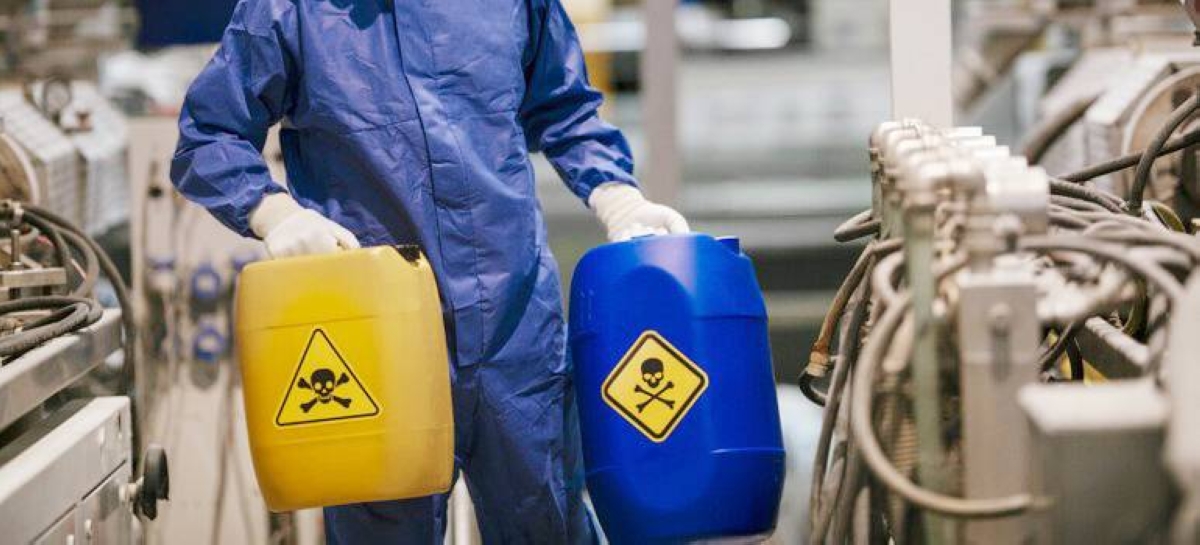
طرق تخزين المواد الكيميائية بشكل آمن. (متداولة)


تابع قناة عكاظ على الواتساب
إبراهيم العلوي (جدة) i_waleeed22@
The Civil Defense revealed the main conditions and instructions for storing chemical materials, the safety requirements for storage sites, site selection criteria, and construction, electrical, and environmental requirements. It emphasized that hazardous chemical storage should be in a building separate from other buildings in a location that does not expose the storage to danger, away from residential and important areas, and populated places, and at a safe distance from vital facilities according to the requirements of the relevant authorities. The storage should be a single-story building only, equipped with fire resistance and extinguishing means from independent sources, with hazardous materials stored in well-sealed containers and properly packaged, labeled with all essential data, and sufficient means for lighting and natural illumination for no less than six hours a day.
The Civil Defense stressed that stored materials should not be placed in corridors, and that storage should be on a level ground free from moisture, taking into account that materials expected to be damaged due to contact with water should be placed on elevated platforms, with containers placed on suitable metal shelves for size and type, leaving space between each stack, and space between the wall and the stored materials, with the chemical name on each type, in addition to the international number, manufacturing date, storage date, and the address and phone number of the supplier, as they should be withdrawn based on the oldest in manufacturing and storage to the newest.
It was required that the storage facilities be built from non-combustible, non-expandable, and non-contractible materials, at least one meter above ground level, with sufficient space for ventilation and hazards, taking into account the preventive conditions and specifications for each type, and equipping the storage with emergency exits of at least two distanced exits, and safe pathways for ambulances and fire trucks with a width of no less than six meters from the designated area, and that materials be stored appropriately to facilitate handling in case of danger or accidents.
Among the electrical requirements is to specify the type of chemical material according to Saudi specifications and standards, and to provide each type of material with a specialized identification card, storing explosive materials in isolated and designated places, away from other storage areas, and keeping liquid materials away from solid materials, with suitable containment measures in case of leakage, and cutting large chemical containers into smaller ones for easier handling, and ensuring that the lighting sources in the warehouse are protected and do not emit sparks, and that they comply with safety regulations (approved international specifications).
The regulation also emphasized the necessity of adhering to the manufacturers' instructions, especially regarding the nature of the material, the risks resulting from it, their number, methods of use, and storage methods, and reviewing the chemical safety data sheet when exposed to these materials according to what is provided by the company issuing the chemical safety data sheet. Chemical materials should be stored away from direct sunlight or exposure to rainwater or groundwater, and the storage containers should be tightly sealed, free from defects, cracks, or rust, and made of suitable materials.
Highly flammable materials in suitable containers
It is essential to separate compatible and incompatible materials during storage, and to place toxic materials or highly flammable chemicals in suitable containers that are not affected by the substance they contain. Materials with high thermal hazards should be separated from other materials by a heat-resistant insulating wall that has adequate insulation capacity from insulating and flame-retardant materials, and complete separation between flammable materials to avoid danger when they come into contact with each other or with other materials in case of leakage, as storing highly flammable liquids with oxidizing materials is prohibited. It is necessary to refrain from packaging hazardous chemicals in consumer-grade and low-quality plastic containers, and to avoid storing them for long periods, and not to store materials that may pose additional hazards due to their reactions safely, unless they are packaged in containers specifically designed to withstand such hazards.
Mixing, transferring, or repackaging chemicals in other containers is strictly prohibited unless using suitable containers and specialized tools, and repackaging in containers that have been used once is also prohibited. An identification card should indicate the chemical name, the manufacturer's name, production date, and expiration date, with storage away from food, drug, and beverage manufacturing areas, placed inside tightly sealed containers, protected from breakage or damage, and placed inside secondary containment to prevent leakage outside, providing suitable containers for collecting spilled materials, ensuring that the containers used for transporting chemicals are labeled to indicate their contents, and that the storage location is away from residential areas, schools, hospitals, or markets, ideally in a special independent location outside cities.
The Civil Defense stressed that stored materials should not be placed in corridors, and that storage should be on a level ground free from moisture, taking into account that materials expected to be damaged due to contact with water should be placed on elevated platforms, with containers placed on suitable metal shelves for size and type, leaving space between each stack, and space between the wall and the stored materials, with the chemical name on each type, in addition to the international number, manufacturing date, storage date, and the address and phone number of the supplier, as they should be withdrawn based on the oldest in manufacturing and storage to the newest.
It was required that the storage facilities be built from non-combustible, non-expandable, and non-contractible materials, at least one meter above ground level, with sufficient space for ventilation and hazards, taking into account the preventive conditions and specifications for each type, and equipping the storage with emergency exits of at least two distanced exits, and safe pathways for ambulances and fire trucks with a width of no less than six meters from the designated area, and that materials be stored appropriately to facilitate handling in case of danger or accidents.
Among the electrical requirements is to specify the type of chemical material according to Saudi specifications and standards, and to provide each type of material with a specialized identification card, storing explosive materials in isolated and designated places, away from other storage areas, and keeping liquid materials away from solid materials, with suitable containment measures in case of leakage, and cutting large chemical containers into smaller ones for easier handling, and ensuring that the lighting sources in the warehouse are protected and do not emit sparks, and that they comply with safety regulations (approved international specifications).
The regulation also emphasized the necessity of adhering to the manufacturers' instructions, especially regarding the nature of the material, the risks resulting from it, their number, methods of use, and storage methods, and reviewing the chemical safety data sheet when exposed to these materials according to what is provided by the company issuing the chemical safety data sheet. Chemical materials should be stored away from direct sunlight or exposure to rainwater or groundwater, and the storage containers should be tightly sealed, free from defects, cracks, or rust, and made of suitable materials.
Highly flammable materials in suitable containers
It is essential to separate compatible and incompatible materials during storage, and to place toxic materials or highly flammable chemicals in suitable containers that are not affected by the substance they contain. Materials with high thermal hazards should be separated from other materials by a heat-resistant insulating wall that has adequate insulation capacity from insulating and flame-retardant materials, and complete separation between flammable materials to avoid danger when they come into contact with each other or with other materials in case of leakage, as storing highly flammable liquids with oxidizing materials is prohibited. It is necessary to refrain from packaging hazardous chemicals in consumer-grade and low-quality plastic containers, and to avoid storing them for long periods, and not to store materials that may pose additional hazards due to their reactions safely, unless they are packaged in containers specifically designed to withstand such hazards.
Mixing, transferring, or repackaging chemicals in other containers is strictly prohibited unless using suitable containers and specialized tools, and repackaging in containers that have been used once is also prohibited. An identification card should indicate the chemical name, the manufacturer's name, production date, and expiration date, with storage away from food, drug, and beverage manufacturing areas, placed inside tightly sealed containers, protected from breakage or damage, and placed inside secondary containment to prevent leakage outside, providing suitable containers for collecting spilled materials, ensuring that the containers used for transporting chemicals are labeled to indicate their contents, and that the storage location is away from residential areas, schools, hospitals, or markets, ideally in a special independent location outside cities.