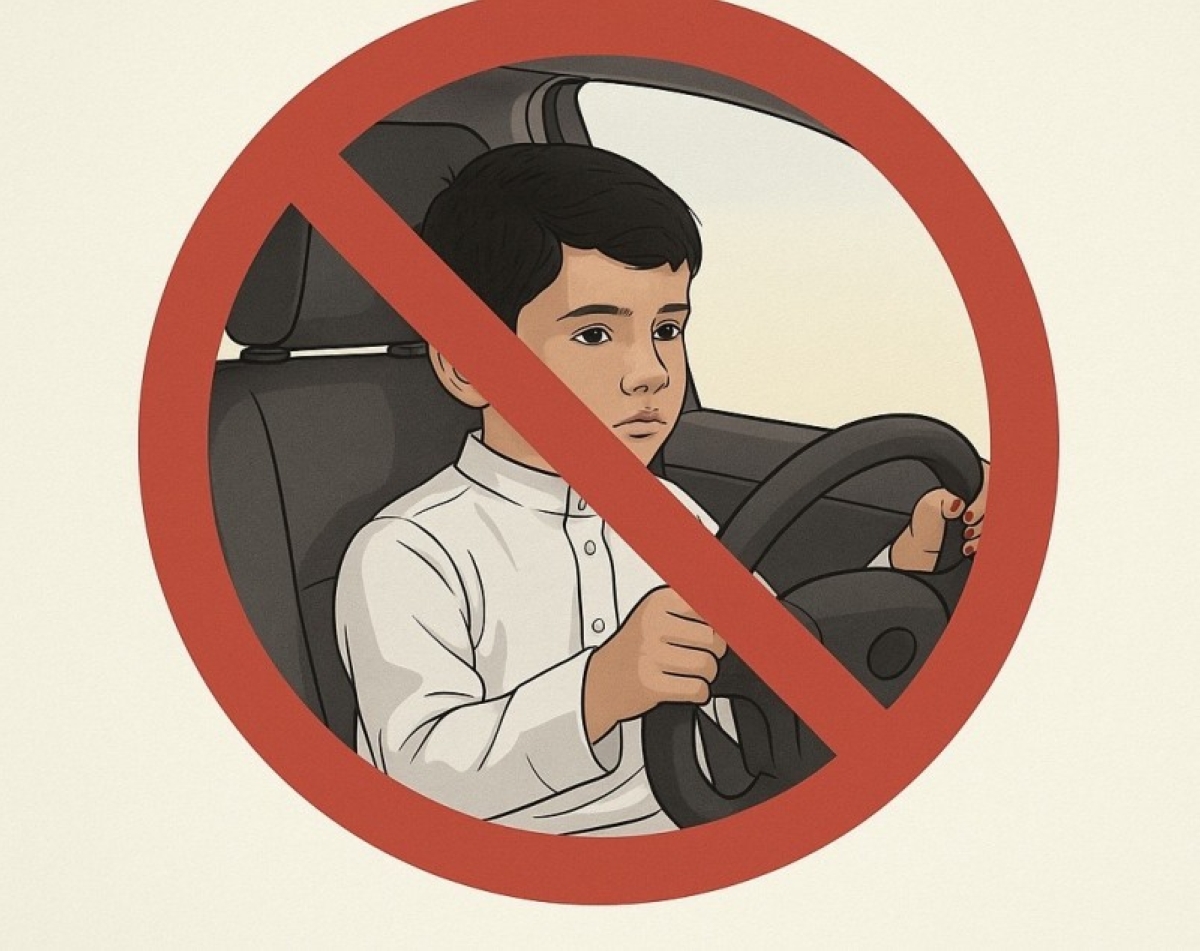
كشف مركز بلاغات العنف الأسري التابع لوزارة الموارد البشرية والتنمية الاجتماعية عن أبرز صور الإيذاء والإهمال التي يجرّمها نظام حماية الطفل، مؤكدا أن النظام جاء ليؤمّن مظلة شاملة تحمي الأطفال من الممارسات التي تهدد سلامتهم الجسدية والنفسية وتؤثر في مستقبلهم.
وتشير المادة الثالثة من النظام إلى أن أي تعريض للطفل لممارسات مثل قيادته المركبة قبل بلوغه السن النظامية، أو التسبب في انقطاعه عن التعليم، أو إهمال استخراج أوراقه الثبوتية والمحافظة عليها، يُعد إيذاء صريحا. كما أن التحرش الجنسي أو الاستغلال الجنسي، وسوء المعاملة بمختلف صورها، واستغلاله ماديا أو في أعمال التسول، والتقصير المتواصل في تربيته ورعايته، إضافة إلى التمييز على أساس الجنس أو العرق أو الإعاقة، كلها ممارسات يجرّمها النظام ويعتبرها إخلالا بحقوق الطفل التي كفلها القانون.
وفي هذا السياق، أوضح المحامي سلمان الرمالي لـ«عكاظ» أن النظام لا يقف عند حد مواجهة العنف المباشر فقط، بل يتوسع ليشمل صور الإهمال التي قد تبدو بسيطة لكنها تمس مستقبل الطفل وحقوقه الأساسية، مثل الحرمان من التعليم أو إهمال الوثائق الرسمية. وأضاف أن هذا التوجه يعكس جدية الدولة في جعل حماية الطفل التزاما وطنيا وقانونيا، لا يقتصر على الأسرة وحدها بل يمتد ليكون مسؤولية مجتمعية متكاملة، لافتا إلى أن النظام يتماشى مع مستهدفات رؤية المملكة 2030 التي تضع الإنسان في صدارة أولوياتها.
ودعا مركز بلاغات العنف الأسري جميع المواطنين والمقيمين إلى الإبلاغ عن أي حالة يُشتبه بكونها إيذاء أو إهمالا عبر الرقم المخصص 1919، مع التأكيد على أن البلاغات تُعالج بسرية تامة وبآليات فورية تضمن حماية الطفل والتدخل السريع لمنع أي تصعيد قد يهدد حياته أو مستقبله.
The Family Violence Reporting Center, affiliated with the Ministry of Human Resources and Social Development, revealed the most prominent forms of abuse and neglect criminalized by the Child Protection Law, emphasizing that the law aims to provide a comprehensive umbrella that protects children from practices that threaten their physical and psychological safety and impact their future.
Article three of the law indicates that any exposure of a child to practices such as driving a vehicle before reaching the legal age, causing them to drop out of school, or neglecting to obtain and maintain their official documents is considered explicit abuse. Additionally, sexual harassment or exploitation, various forms of mistreatment, financial exploitation or forcing them into begging, continuous neglect in their upbringing and care, as well as discrimination based on gender, race, or disability, are all practices that the law criminalizes and considers violations of the child's rights guaranteed by law.
In this context, lawyer Salman Al-Ramali explained to "Okaz" that the law does not limit itself to addressing only direct violence but expands to include forms of neglect that may seem minor but affect the child's future and basic rights, such as deprivation of education or neglecting official documents. He added that this approach reflects the state's seriousness in making child protection a national and legal commitment, not limited to the family alone but extending to be a comprehensive societal responsibility, noting that the law aligns with the objectives of Saudi Vision 2030, which prioritizes human beings.
The Family Violence Reporting Center called on all citizens and residents to report any suspected cases of abuse or neglect via the designated number 1919, emphasizing that reports are handled with complete confidentiality and through immediate mechanisms that ensure the child's protection and rapid intervention to prevent any escalation that may threaten their life or future.