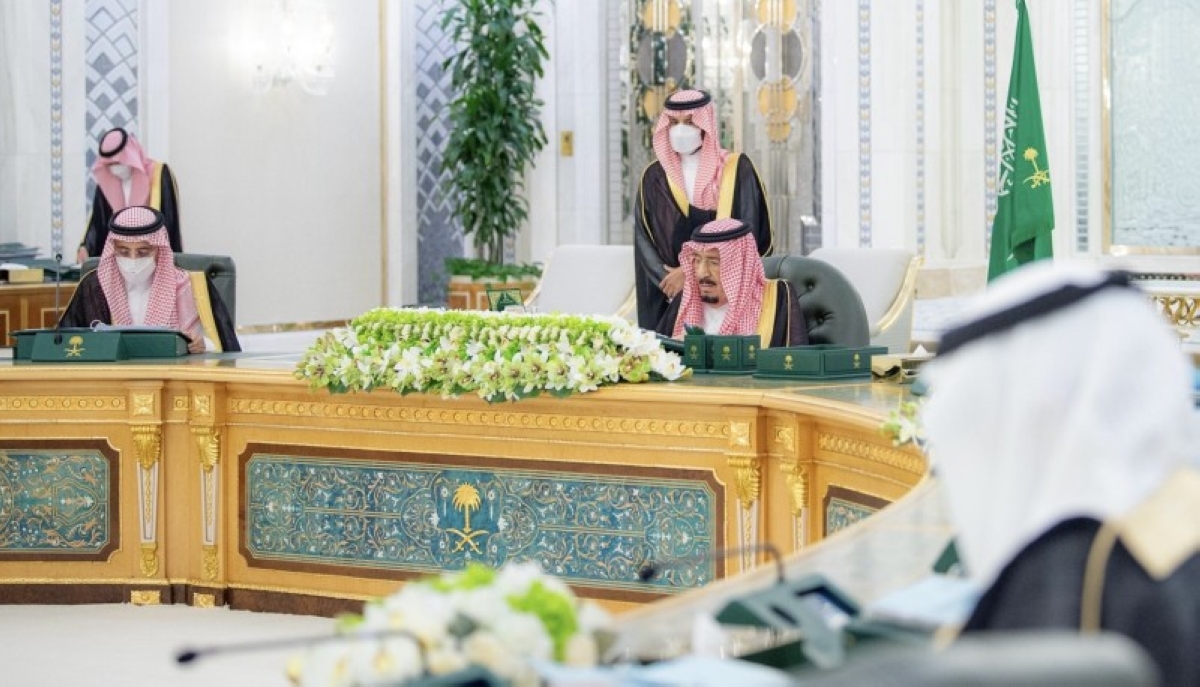
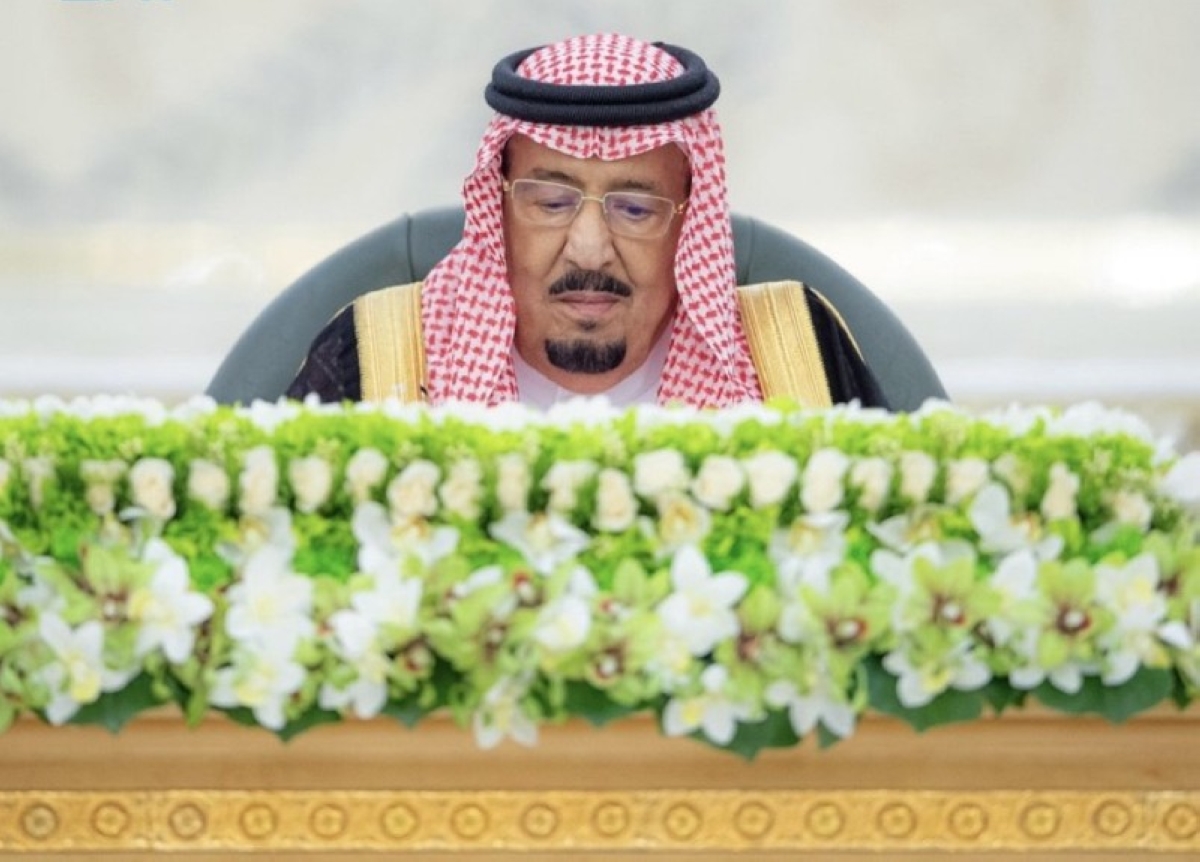
في لحظة سياسية مشبعة بالتحولات الإقليمية والتقلبات الدولية، يطلّ مجلس الوزراء برئاسة خادم الحرمين الشريفين الملك سلمان بن عبدالعزيز ليؤكد أن النهج السعودي يقوم على ثنائية الثبات والتجديد؛ ثبات في المبادئ وصمود في القضايا المحورية، وتجديد في الأدوات والسياسات لمواكبة متغيرات المشهد العالمي. وهنا تتجلى المملكة كلاعب إستراتيجي، يصوغ مسارات التوازن الإقليمي، ويؤسس لمنظومة نفوذ ترتكز على الدبلوماسية الفاعلة والاقتصاد القوي والقوة الناعمة.
مركزية لا تتزحزح:
تصدّر ملف القضية الفلسطينية جدول أعمال المجلس، تأكيد على أن الموقف السعودي ليس رد فعل آنياً، بل التزام إستراتيجي ممتد منذ تأسيس الدولة الحديثة. رفض المجلس القاطع لأي إجراءات أحادية تستهدف تغيير الوضع القانوني للقدس أو فرض السيادة الإسرائيلية على الأراضي الفلسطينية، جاء متزامناً مع الترحيب بإعلان فرنسا الاعتراف بدولة فلسطين، وهي رسالة سعودية مزدوجة: دعم الجهود الدولية التي تعزز حق الفلسطينيين في تقرير المصير، رفض كامل لأي مسار يكرّس الاحتلال ويتناقض مع قرارات الشرعية الدولية.
هنا تتحرك السياسة السعودية من مربع البيانات التقليدية إلى منظومة دعم سياسي ودبلوماسي، توازن بين حشد المواقف الدولية وتعزيز الضغط القانوني على إسرائيل، في إطار إستراتيجية ترسخ الأمن الإقليمي على قاعدة العدالة.
النفوذ الاقتصادي:
التأكيد على الاتفاقيات الاستثمارية الموقعة مع سورية، والتي تجاوزت قيمتها 24 مليار ريال عبر 47 اتفاقية، يكشف التحول السعودي من منطق المساعدات التقليدية إلى بناء شراكات اقتصادية مؤسسية. هذا النهج ليس استثماراً مالياً فحسب، بل أداة جيوسياسية لإعادة إدماج سورية في منظومة الاستقرار الإقليمي من خلال الاقتصاد، بما يحد من تغلغل النفوذ الخارجي ويعيد صياغة خرائط المصالح.
السياسة الاقتصادية السعودية هنا تتجاوز البعد التنموي إلى وظيفة النفوذ الإستراتيجي، حيث يتحول الاستثمار إلى أداة للتأثير في اتجاهات القرار والسياسات الإقليمية، منسجماً مع مقولة أن «من يملك مفاتيح التنمية، يملك مفاتيح القرار».
الدبلوماسية المتوازنة:
إعلان المملكة استمرار جهودها لترسيخ السلام في الشرق الأوسط وتوسيع دائرة الاستقرار، لم يكن مجرد بيان بروتوكولي، بل هو تجسيد لفلسفة السياسة السعودية القائمة على إنتاج التوازن وسط التناقضات. فالمملكة تنطلق من قاعدة «بناء الجسور لا الحواجز»، وهي قاعدة تمنحها مرونة في التعامل مع الأقطاب المتنافرة، دون التفريط في الثوابت.
هذا النوع من القوة الناعمة يعزز مكانة المملكة كـ«مُنتِج للاستقرار» لا كمستفيد منه فقط، وهو ما يرسخ مفهوم القيادة الإقليمية ذات الامتداد الدولي، حيث ترتكز السياسة على إدارة الصراعات بتقليل حدتها، لا على تأجيجها.
المشهد الذي رسمه مجلس الوزراء يكشف عن تحول نوعي في فلسفة السياسة السعودية؛ من دور الموازن التقليدي إلى دور الصانع الفاعل للمعادلات الإقليمية والدولية.
إنها سياسة تستند إلى ثلاثية القوة: ثبات الموقف في القضايا العربية والإسلامية، الاقتصاد كأداة نفوذ في العلاقات الدولية، الدبلوماسية المتعددة الأبعاد التي تجعل من المملكة مركز ثقل في معادلة الاستقرار العالمي.
In a political moment saturated with regional transformations and international fluctuations, the Council of Ministers, chaired by the Custodian of the Two Holy Mosques King Salman bin Abdulaziz, reaffirms that the Saudi approach is based on the duality of stability and renewal; stability in principles and resilience in pivotal issues, and renewal in tools and policies to keep pace with the changes in the global landscape. Here, the Kingdom emerges as a strategic player, shaping the paths of regional balance and establishing a system of influence based on effective diplomacy, a strong economy, and soft power.
Unwavering Centrality:
The Palestinian issue topped the council's agenda, confirming that the Saudi position is not a mere reaction but a strategic commitment that has extended since the establishment of the modern state. The council's firm rejection of any unilateral actions aimed at changing the legal status of Jerusalem or imposing Israeli sovereignty over Palestinian territories coincided with the welcome of France's announcement to recognize the State of Palestine, sending a dual Saudi message: support for international efforts that enhance the Palestinians' right to self-determination, and a complete rejection of any path that entrenches occupation and contradicts international legitimacy.
Here, Saudi politics moves from the realm of traditional data to a system of political and diplomatic support, balancing the mobilization of international positions and enhancing legal pressure on Israel, within a strategy that solidifies regional security on the basis of justice.
Economic Influence:
The emphasis on the investment agreements signed with Syria, which exceeded 24 billion riyals through 47 agreements, reveals the Saudi shift from the logic of traditional aid to building institutional economic partnerships. This approach is not merely a financial investment but a geopolitical tool to reintegrate Syria into the regional stability framework through the economy, limiting external influence and reshaping the maps of interests.
Here, Saudi economic policy transcends the developmental dimension to the function of strategic influence, where investment becomes a tool for impacting decision-making directions and regional policies, aligning with the notion that "those who hold the keys to development hold the keys to decision-making."
Balanced Diplomacy:
The Kingdom's announcement of its continued efforts to establish peace in the Middle East and expand the circle of stability was not just a protocol statement, but a manifestation of the philosophy of Saudi policy based on creating balance amid contradictions. The Kingdom operates on the principle of "building bridges, not barriers," a principle that grants it flexibility in dealing with conflicting poles without compromising its constants.
This type of soft power enhances the Kingdom's status as a "producer of stability" rather than merely a beneficiary of it, reinforcing the concept of regional leadership with international reach, where policy is based on managing conflicts by reducing their intensity, not on inflaming them.
The scene painted by the Council of Ministers reveals a qualitative shift in the philosophy of Saudi policy; from the role of a traditional balancer to that of an active creator of regional and international equations.
It is a policy based on a triad of power: steadfastness in Arab and Islamic issues, the economy as a tool of influence in international relations, and multidimensional diplomacy that positions the Kingdom as a center of gravity in the equation of global stability.