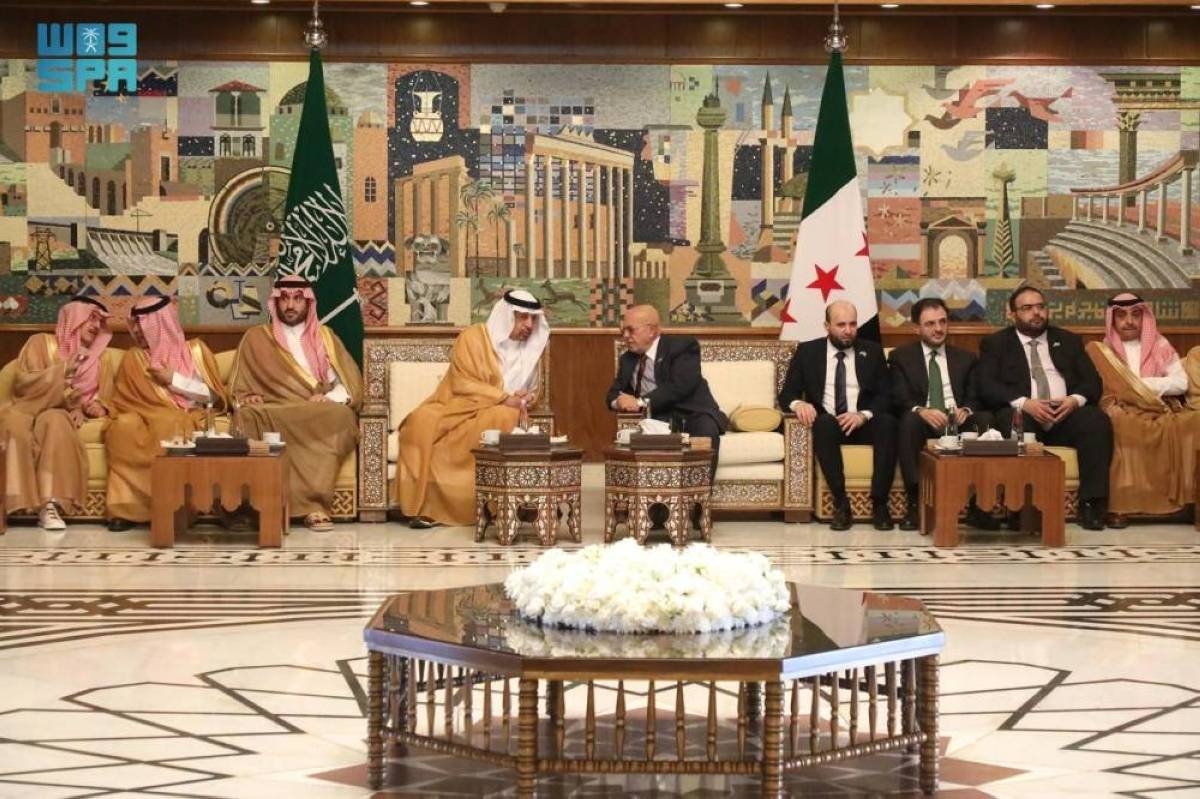
حين ترتفع خيمة عربية في قلب دمشق، لا تكون مجرد مأوى تقليدي، بل تتحول إلى نص بصري يحمل ملامح التاريخ ومعاني المستقبل. بيت الشَعَر الذي استقبل وزير الاستثمار السعودي خالد بن عبدالعزيز الفالح ووفداً يضم أكثر من 130 رجل أعمال ومستثمراً جاء برسالة أعمق من اللقاءات الرسمية.
هذا البيت، بأعمدته التي تشد أركانه، يختزل فكرة أن العروبة لا تذوب مهما تبدلت خرائط المصالح، وأن السعودية ما تزال العمود المركزي الذي يقوم عليه سقف العلاقات العربية، في كل محطاتها المفصلية.
بيت الشَعَر في الثقافة العربية رمز متجذر في البادية والمدينة، ظلّ شاهداً على قيم الشورى والكرم والوفاء. اختيار هذا الفضاء ليكون منصة حوار اقتصادي يؤكد أن مسار الاستثمار يمكن أن ينطلق من أرضية أصيلة قبل أن يمتد إلى أبراج المال الحديثة. الألوان الحمراء والسوداء في نسيج الخيمة، وأدوات القهوة العربية، والسجاد المفروش بعناية، تشكل لغة مشتركة يفهمها كل عربي بلا ترجمة.
في قلبها وُضعت صور القادة، والأعلام التي جمعت الرياض ودمشق في لحظة سياسية تعيد ترميم العلاقات وتبني جسوراً من الثقة، لا بأوراق الاتفاقيات فقط، بل بروح الأصالة التي لا تنفصل عن الحداثة.
وجود هذا الوفد الكبير الذي حضر بتوجيه من ولي العهد الأمير محمد بن سلمان يعكس توجهاً إستراتيجياً يربط بين الهوية والمستقبل. المنتدى السعودي - السوري لم يكن اجتماع أرقام بقدر ما كان إعادة صياغة للعلاقات ضمن سردية عربية متجددة، حيث يشكل بيت الشَعَر امتداداً للروح، والسوق امتداداً للعقل.
في هذه الخيمة، يتقاطع التراث مع الاستثمار، وتتلاقى ذاكرة الرمال مع مشاريع الأبراج، ليرتسم مشهد يوحي بأن التنمية الحقيقية لا تكتمل إلا إذا استندت إلى عمقها الثقافي. أعمدة الخيمة الأربعة التي تحمل السقف تناظر أركان الثبات العربي، فيما يبقى العمود الأقوى الذي تتكئ عليه هذه الخيمة هو الدور السعودي، الذي يربط بين الأوطان ويحفظ توازنها، فالسياسة هنا لا تُمارس بلغة المصالح المجردة، بل تُبنى على قاعدة أن البيت العربي الواحد لا يستقيم إذا مالت أعمدته، وأن التعاون الاقتصادي يكتسب قوته حين يُصاغ في إطار هوية جامعة.
الخيمة في دمشق لم تكن صورة تراثية، بل مشروع رمزي عنوانه أن العروبة قادرة على إنتاج نموذجها الخاص للتكامل، نموذج يبدأ من عمود البيت وينفتح على كل اتجاهات الأفق. هذا المشهد يقدم درساً في الدبلوماسية الناعمة، حيث يتحول التراث إلى أداة تأثير، وتصبح الخيمة منصة حوار لا تقل شأنا عن أرفع القاعات الدولية.
في لحظة إقليمية يكثر بها الانقسام، يجيء بيت الشَعَر ليقول إن الجذور هي الطريق الأكثر أماناً نحو المستقبل، وإن السعودية حين تقيم عمودها في خيمة عربية، فهي تكتب نصاً سياسياً واقتصادياً يعيد ترتيب المكانة ويوسع مساحة الثقة، لتصبح العروبة إطاراً للتنمية لا مجرد شعار يتكرر في الخطابات.
When an Arab tent rises in the heart of Damascus, it is not merely a traditional shelter; it transforms into a visual text carrying the features of history and the meanings of the future. The tent that welcomed Saudi Minister of Investment Khalid bin Abdulaziz Al-Falih and a delegation of more than 130 businessmen and investors came with a message deeper than formal meetings.
This tent, with its pillars supporting its corners, encapsulates the idea that Arab identity does not dissolve regardless of changing maps of interests, and that Saudi Arabia remains the central pillar upon which the roof of Arab relations stands, in all its pivotal stations.
The tent in Arab culture is a symbol deeply rooted in both the desert and the city, remaining a witness to the values of consultation, generosity, and loyalty. Choosing this space to serve as a platform for economic dialogue confirms that the path of investment can originate from an authentic foundation before extending to modern financial towers. The red and black colors in the fabric of the tent, the tools of Arabic coffee, and the carefully laid carpets form a common language understood by every Arab without translation.
At its heart are images of leaders and flags that brought Riyadh and Damascus together in a political moment that reconstructs relations and builds bridges of trust, not just with papers of agreements, but with a spirit of authenticity that is inseparable from modernity.
The presence of this large delegation, which came under the direction of Crown Prince Mohammed bin Salman, reflects a strategic approach that links identity with the future. The Saudi-Syrian forum was not just a meeting of numbers but a reconfiguration of relations within a renewed Arab narrative, where the tent extends the spirit, and the market extends the mind.
In this tent, heritage intersects with investment, and the memory of sands meets the projects of towers, creating a scene that suggests that true development is only complete when it is rooted in its cultural depth. The four pillars of the tent that support the roof correspond to the pillars of Arab steadfastness, while the strongest pillar upon which this tent leans is the Saudi role, which connects homelands and preserves their balance. Here, politics is not practiced in the language of abstract interests, but is built on the foundation that the Arab house cannot stand if its pillars lean, and that economic cooperation gains strength when framed within a unifying identity.
The tent in Damascus was not a mere heritage image, but a symbolic project titled that Arab identity is capable of producing its own model of integration, a model that starts from the pillar of the house and opens up to all directions of the horizon. This scene offers a lesson in soft diplomacy, where heritage transforms into a tool of influence, and the tent becomes a dialogue platform no less significant than the highest international halls.
In a regional moment marked by division, the tent comes to say that roots are the safest path to the future, and that when Saudi Arabia establishes its pillar in an Arab tent, it writes a political and economic text that rearranges status and expands the space of trust, making Arab identity a framework for development, not just a slogan repeated in speeches.