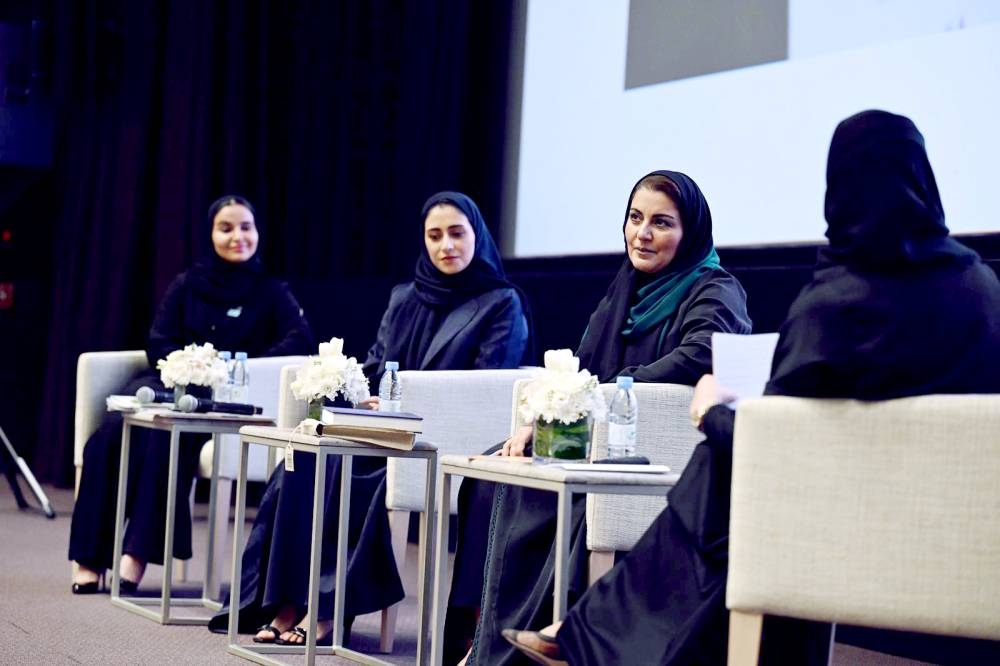
بحضور نخبة من القيادات الثقافية المحلية والإقليمية نظم مركز الملك عبدالعزيز الثقافي العالمي (إثراء)، جلسة حوارية بعنوان «جهود المؤسسات الثقافية في بناء هوية الطفل العربي»، وتناولت الجلسة أهمية تنمية الهوية اللغوية لدى الطفل العربي، ودور اللغة العربية في تعزيز الانتماء الثقافي، إلى جانب دعم التوازن بين اكتساب اللغة الأم وتعلم اللغات الأخرى، مع التأكيد على أهمية تكامل الجهود المؤسسية في هذا الجانب.
وأكدت رئيسة قطاع البرامج الثقافية في مجمع الملك سلمان العالمي للغة العربية مها العتيبي، أن المجمع أصدر نحو 200 منتج لغوي مخصص للأطفال، مشيرة إلى مشروعات قادمة تستهدف تعليم اللغة العربية للأطفال غير الناطقين بها.
وأوضحت مديرة البرامج الثقافية في بيت الحكمة بالشارقة ميرة النقبي، أن تعزيز الهوية يتطلب برامج ثقافية مدروسة تُنمّي مهارات التفكير واللغة والتعبير الكتابي، فيما أشارت مديرة مكتبة أبوظبي للأطفال الدكتورة سميرة الحوسني، إلى أهمية الدمج الثقافي ودور الأسرة في تكوين هوية الطفل في ظل التنوع الثقافي.
واختتمت الجلسة بالتأكيد على أهمية استخدام الوسائل المتنوعة، من بينها المسرح والموسيقى والوسائط الرقمية، في تعزيز اللغة العربية وترسيخ مفاهيم ثقافية تعزز من تكوين شخصية الطفل.
In the presence of a select group of local and regional cultural leaders, the King Abdulaziz Center for World Culture (Ithra) organized a panel discussion titled "The Efforts of Cultural Institutions in Building the Identity of the Arab Child." The session addressed the importance of developing the linguistic identity of the Arab child and the role of the Arabic language in enhancing cultural belonging, alongside supporting the balance between acquiring the mother tongue and learning other languages, while emphasizing the importance of integrated institutional efforts in this regard.
The Head of the Cultural Programs Sector at the King Salman Global Center for the Arabic Language, Maha Al-Otaibi, confirmed that the center has issued around 200 linguistic products dedicated to children, pointing to upcoming projects aimed at teaching the Arabic language to non-Arabic speaking children.
The Director of Cultural Programs at the House of Wisdom in Sharjah, Meera Al-Naqbi, explained that enhancing identity requires well-studied cultural programs that develop thinking, language, and written expression skills. Meanwhile, the Director of the Abu Dhabi Children's Library, Dr. Samira Al-Hosani, highlighted the importance of cultural integration and the role of the family in shaping the child's identity in light of cultural diversity.
The session concluded by emphasizing the importance of using diverse means, including theater, music, and digital media, to promote the Arabic language and instill cultural concepts that enhance the formation of the child's personality.