-----
- المملكة تعيد تعريف العلاقة مع الطبيعة
- أنظمة ذكية للري تفجر ثورة خضراء
- لقاء التكنولوجيا بالأرض زاد المحاصيل 50%
------
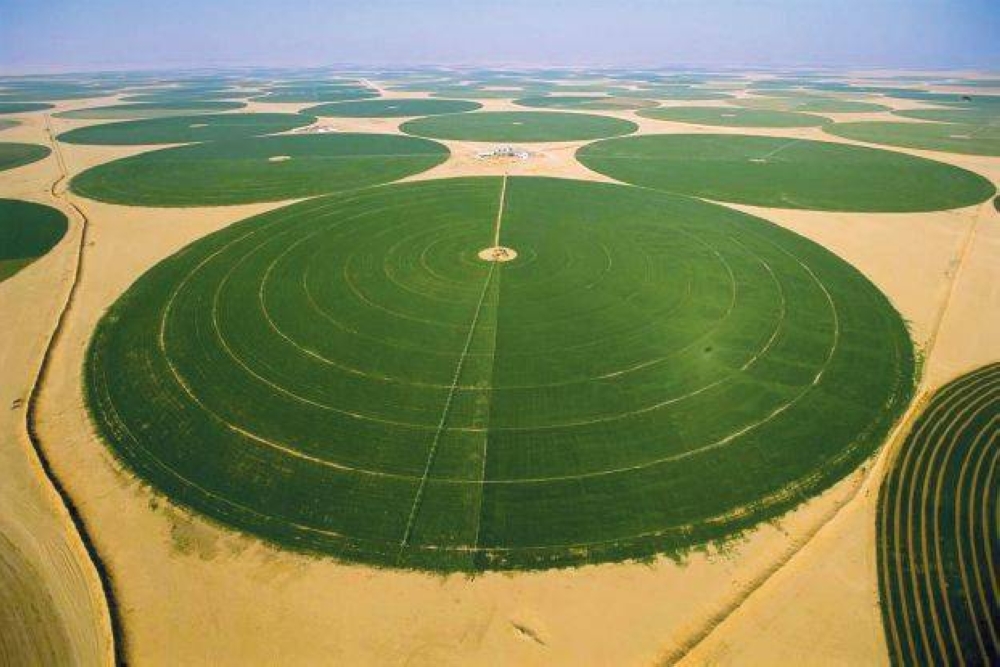
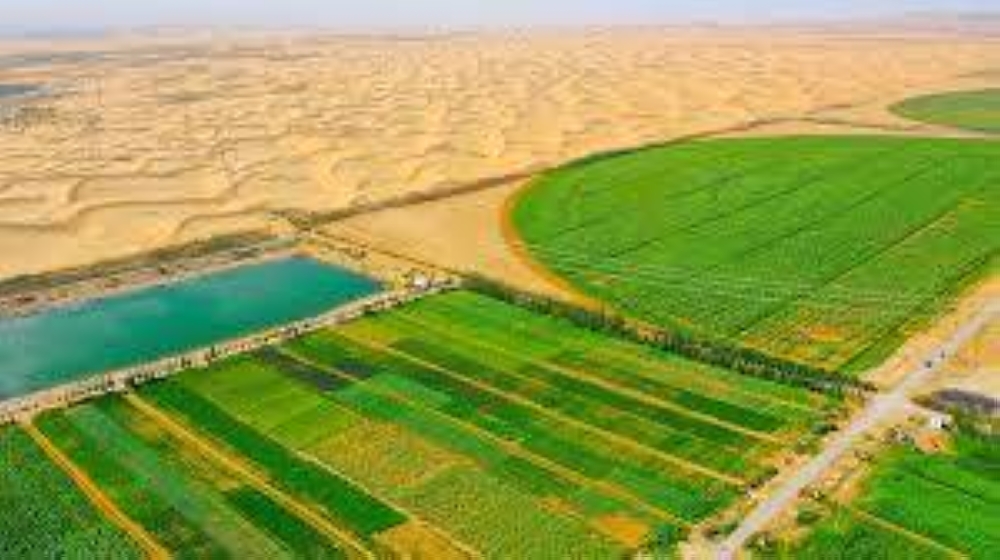
كانت الرمال تمتد إلى ما لا نهاية في قلب الصحراء السعودية، قبل أن تبدأ قصة تحول استثنائية، تروي كيفية اندماج التكنولوجيا مع الطبيعة بهدف تحويل الصحراء القاحلة إلى مساحات زراعية غناء، وذكية، ومستدامة، تعكس رؤية المملكة 2030 في بناء مستقبل أكثر خضرة وأملاً.
الجغرافيا السعودية القاسية التي تشهد هيمنة الصحراء على المساحة لم تمنع المملكة من إطلاق مبادرات طموحة تسعى لتحويل 40% من أراضيها الصحراوية إلى مناطق خضراء بحلول عام 2030، في مشروع يدمج تقنيات الذكاء الاصطناعي بأبرز التقنيات المتجددة، بهدف تعزيز الأمن الغذائي وتقليل الاعتماد على الواردات، عبر تحسين كفاءة استهلاك المياه والإنتاج الزراعي.
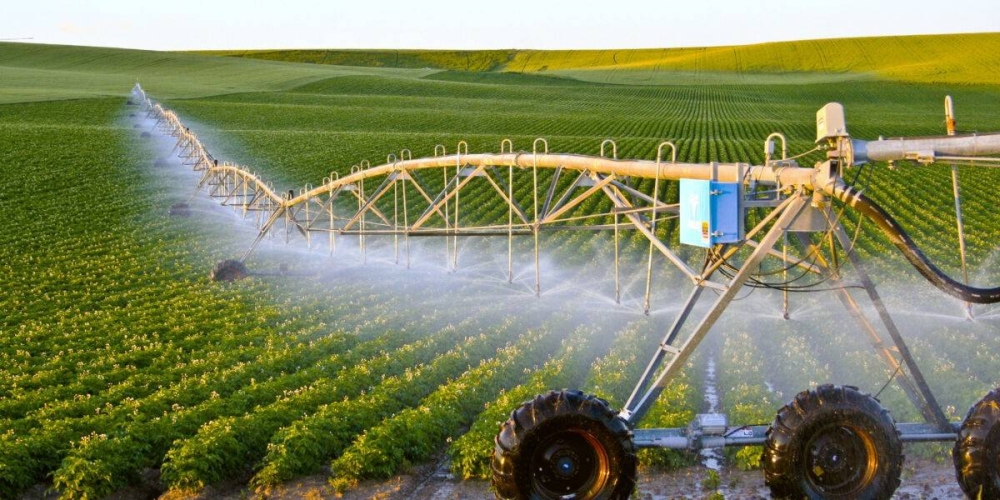
تقوم هذه المشاريع على فكرة الاعتماد على أنظمة الري الذكية عبر استخدام تقنيات متطورة لتحليل التربة والبيانات المناخية، الأمر الذي يكفل تقليل استهلاك المياه إلى النصف تقريباً مقارنة بالطرق التقليدية، وتعتمد في تشغيلها على طاقة الرياح والطاقة الشمسية، ما يضمن استدامة الموارد ويحد من البصمة الكربونية في آن معاً.
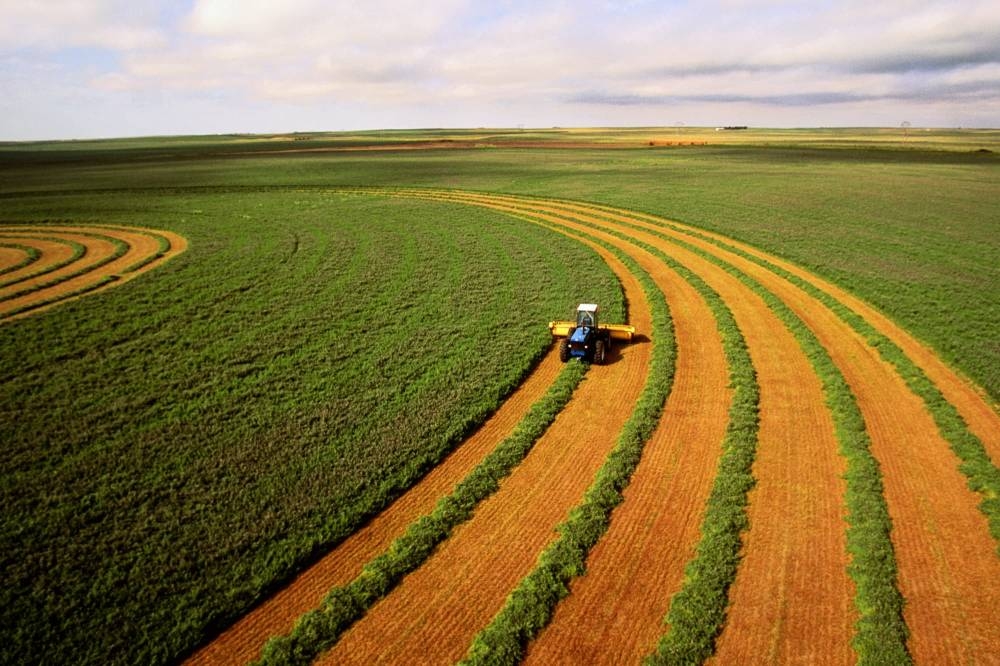
وشهدت المحاصيل الزراعية زيادة وصلت إلى 50% خلال الأعوام الماضية بحسب تقارير صادرة عن وزارة البيئة والمياه والزراعة، ما يشير إلى نجاح التكنولوجيا الحديثة في مواجهة التحديات المناخية كندرة المياه وارتفاع درجات الحرارة والعواصف الرملية المتكررة، مسجلة زيادة ملموسة في إنتاج المحاصيل الزراعية، وصلت إلى 50% خلال السنوات الأخيرة، بحسب تقارير وزارة البيئة والمياه والزراعة.
وتجمع التجارب الزراعية التي تجري في نيوم والربع الخالي بين تقنية الاستشعار عن بعد والزراعة الرأسية، بهدف تحسين إدارة الموارد وتحقيق الاستفادة القصوى من الأراضي المتاحة، ذلك أن المبادرات الحديثة تعتبر التكنولوجيا مفتاح حل مشكلات البيئة وتحدياتها المستقبلية.
وتأتي التقلبات المناخية غير المتوقعة مع البنية التحتية للتقنيات المتطورة في المناطق النائية كتحديات بارزة في ظل البيئة الصحراوية القاسية، إلا أن التعاون بين جهات حكومية ومراكز بحثية وشركات ناشئة أسهم في خلق حزمة حلول مبتكرة، من بينها أنظمة حماية تقنية من العواصف الرملية وأجهزة رقمية تضبط الري بدقة وفقاً للحاجة.
إن هذا الطموح لا ينحصر في كونه تطوراً بيئياً فحسب، بل هو تحول يعيد صياغة الإنسان بأرضه التي كانت قاحلة في الماضي، وتحولت اليوم إلى مصدر حياة وازدهار، الأرض التي تحتضن جيلاً حديثاً من المزارعين الأذكياء والباحثين النبغاء، تقودهم الرغبة في الابتكار والسعي إلى الاستدامة.
ومن عمق هذه المبادرات الوطنية يولد اقتصاد ينبض بالحياة، ليعيد رسم خارطة الطبيعة، ويعيد معها صياغة خارطة الاقتصاد الوطني، ليجعل من الواحات الذكية مراكز إنتاج حيوية، تلعب دورها الوطني في تنويع مصادر الدخل وتقليل الاعتماد على النفط، الذي كان دوماً العمود الفقري للاقتصاد السعودي. وتذهب الدراسات الاقتصادية إلى إمكانية رفع الناتج المحلي بنسبة تتجاوز 30% خلال العقد المقبل عبر تطوير الزراعة الذكية وتقنيات الاستدامة، الأمر الذي يخلق آلاف فرص العمل الجديدة في الريف ومناطق ازدهار الصناعات الزراعية والتقنيات الجديدة، ما يشرع الباب أمام اقتصاد دائري مستدام يربط الإنتاج والاستهلاك المحلي ويخفض استيراد الغذاء ويعزز الأمن الغذائي الوطني.
الاستثمار السعودي الذكي في الطاقة المتجددة والمشاريع الزراعية الحديثة ذو عائد إيجابي على الاقتصاد الوطني، لكونه يستقطب رؤوس أموال محلية وعالمية، تدعم عجلة الابتكار والتقنية، وتوجد بنية تحتية قوية تجعل المناطق الصحراوية مراكز نمو اقتصادي تنافسية، ما يجعل المملكة لاعباً مهماً في الأسواق التقنية والزراعية الدولية. الأمر الذي يتماشى مع أهداف رؤية 2030 الساعية لخلق اقتصاد متنوع ومستدام، تشمل ثرواته القطاعات الجديدة الواعدة. ففي كل نبتة تُزرع، وفي كل قطرة ماء تُدار بذكاء، يتراءى مستقبل اقتصادي مستقر ومزدهر، يحفظ للأجيال القادمة أرضاً زاخرة بالحياة والفرص. ففي هذا المشهد الصحراوي المتجدد تكتب المملكة فصلاً جديداً في رحلتها نحو التنمية المستدامة، محافظةً على هويتها ومواردها، بينما تنظر بثقة إلى مستقبل أخضر يمزج بين عبقرية التكنولوجيا وروح الأرض.
-----
- The Kingdom redefines its relationship with nature
- Smart irrigation systems spark a green revolution
- The meeting of technology and land increased crops by 50%
------
The sands stretched endlessly in the heart of the Saudi desert before an extraordinary transformation story began, narrating how technology integrates with nature to turn the arid desert into lush, smart, and sustainable agricultural spaces, reflecting the Kingdom's Vision 2030 in building a greener and more hopeful future.
The harsh Saudi geography, dominated by desert, did not prevent the Kingdom from launching ambitious initiatives aimed at transforming 40% of its desert lands into green areas by 2030, in a project that integrates artificial intelligence technologies with the most prominent renewable technologies, aiming to enhance food security and reduce reliance on imports by improving water consumption efficiency and agricultural production.
These projects are based on the idea of relying on smart irrigation systems through the use of advanced technologies to analyze soil and climate data, which ensures a reduction in water consumption by nearly half compared to traditional methods, and they operate on wind and solar energy, ensuring resource sustainability while simultaneously reducing the carbon footprint.
Agricultural crops have seen an increase of up to 50% in recent years according to reports from the Ministry of Environment, Water, and Agriculture, indicating the success of modern technology in addressing climate challenges such as water scarcity, rising temperatures, and recurring sandstorms, recording a significant increase in agricultural crop production, reaching 50% in recent years, according to reports from the Ministry of Environment, Water, and Agriculture.
The agricultural experiments taking place in NEOM and the Empty Quarter combine remote sensing technology and vertical farming, aiming to improve resource management and achieve maximum benefit from available land, as modern initiatives consider technology the key to solving environmental problems and their future challenges.
Unexpected climate fluctuations, along with the infrastructure of advanced technologies in remote areas, pose significant challenges in the harsh desert environment. However, cooperation between government entities, research centers, and startups has contributed to creating a package of innovative solutions, including technical protection systems against sandstorms and digital devices that precisely control irrigation according to need.
This ambition is not limited to being an environmental development; rather, it is a transformation that reshapes humanity with its land that was barren in the past and has now turned into a source of life and prosperity, a land that embraces a new generation of smart farmers and brilliant researchers, driven by the desire for innovation and the pursuit of sustainability.
From the depth of these national initiatives, an economy pulsating with life is born, redrawing the map of nature and, along with it, reshaping the map of the national economy, turning smart oases into vital production centers that play their national role in diversifying income sources and reducing dependence on oil, which has always been the backbone of the Saudi economy. Economic studies suggest the possibility of increasing GDP by more than 30% over the next decade through the development of smart agriculture and sustainability technologies, creating thousands of new job opportunities in rural areas and regions thriving in agricultural industries and new technologies, opening the door to a sustainable circular economy that connects local production and consumption, reduces food imports, and enhances national food security.
Saudi smart investment in renewable energy and modern agricultural projects has a positive return on the national economy, as it attracts local and global capital that supports the wheels of innovation and technology, creating a strong infrastructure that makes desert areas competitive economic growth centers, positioning the Kingdom as an important player in international technology and agricultural markets. This aligns with the goals of Vision 2030, which seeks to create a diverse and sustainable economy, encompassing promising new sectors. In every plant grown, and in every drop of water managed wisely, a stable and prosperous economic future emerges, preserving for future generations a land rich in life and opportunities. In this renewed desert scene, the Kingdom writes a new chapter in its journey towards sustainable development, preserving its identity and resources, while confidently looking towards a green future that blends the genius of technology with the spirit of the land.