
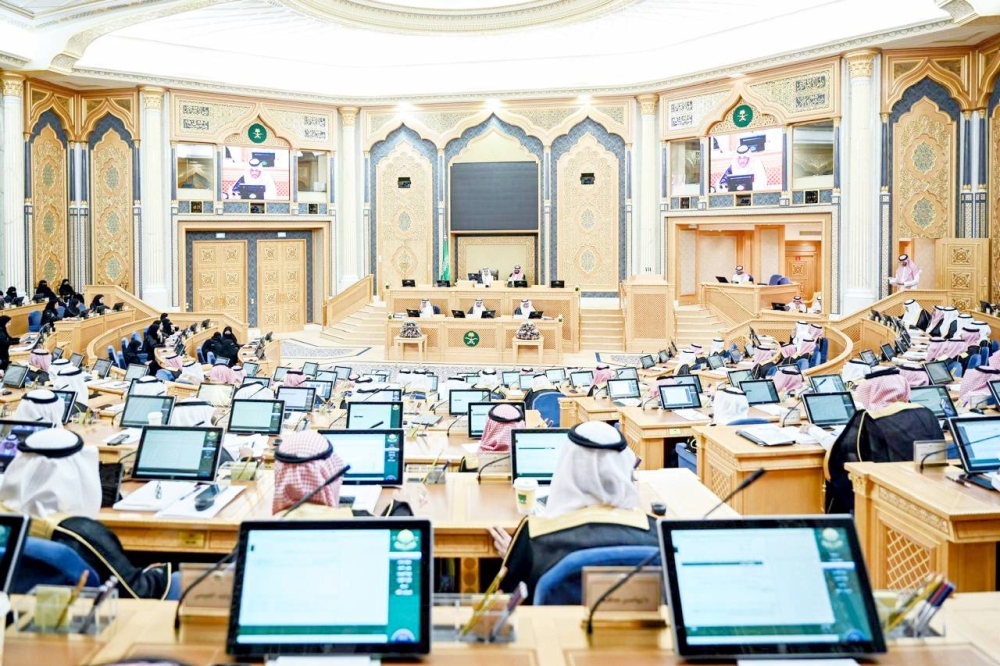
ناقش مجلس الشورى، في جلسته العادية السابعة والثلاثين للسنة الأولى من الدورة التاسعة والمنعقدة برئاسة نائب رئيس المجلس الدكتور مشعل فهم السُّلمي، التقرير السنوي للمركز الوطني للتفتيش والرقابة. وطالب المركز الوطني للنخيل والتمور التنسيق مع الجهات ذات العلاقة؛ لتشجيع القطاع الصناعي للاستثمار في تدوير مخلفات النخيل، وناقش المجلس التقرير السنوي للهيئة العامة للترفيه، ودعت الدكتورة آمال الشيخ، الهيئة العامة للترفيه إلى الاعتماد على تقنيات حديثة ومتطورة في قياس رضا المستفيدين تتماشى مع المعايير العالمية لتعزيز جودة الخدمات وتحقيق أفضل النتائج. و طالب عضو المجلس أسامة الربيعة الهيئة بوضع خطة زمنية لتوسيع التغطية لكافة المناطق، بالتعاون مع القطاعين الحكومي والخاص، بما يحقق التنمية المحلية، ويساهم في إثراء نمط الحياة، ويحفز الاستثمار، وسرّع مجلس الشورى مناقشة تقارير القطاعات الخدمية قبل تمتع الأعضاء بإجازتهم السنوية.
النجار: برنامج وطني لتمكين مزارعي النخيل
اقترح عضو المجلس الدكتور عبدالله عمر النجار، على المركز الوطني للنخيل والتمور، وبالتنسيق مع الجهات ذات العلاقة، تبنّي إطلاق برنامج التمكين الوطني لمزارع النخيل، بهدف رفع الكفاءة الإنتاجية والتسويقية لمزارعي النخيل في مختلف مناطق المملكة، وتعزيز استدامة قطاع النخيل بما يحقق مستهدفات رؤية المملكة 2030، وتبني هذا البرنامج يسهم في تطوير قدرات مزارعي النخيل وتمكينهم من التحول إلى نموذج الأعمال الزراعي الاحترافي، وتحسين جودة التمور السعودية وتعزيز تنافسيتها في الأسواق العالمية، ودعم الأمن الغذائي، وتحسين جودة الحياة في المجتمعات الزراعية، وتسريع وتيرة التحول الاقتصادي في القطاع الزراعي بما يخدم التنمية الوطنية المستدامة، مؤكداً أهمية تمكين صغار مزارعي النخيل من الدخول إلى السوق بشكل جماعي ومنظم، عبر إنشاء تحالفات تسويقية مرنة تعمل على ربطهم بالأسواق المحلية والإقليمية والدولية، وتقدم لهم خدمات حيوية مثل: التعبئة، الفرز، التصنيف، والتغليف، وذلك تحت إشراف المركز الوطني للنخيل والتمور وبالتعاون مع الجمعيات التعاونية والأهلية المرخصة ذات العلاقة بالقطاع الزراعي. كما أقترح أن يتم اعتماد علامة جودة موحدة لتحالفات النخيل، بحيث تُمنح للمزارعين الملتزمين بمعايير التعبئة والفرز شهادة معتمدة، أو أي علامة تجارية تُستخدم في الأسواق المحلية أو للتصدير، مما يسهم في رفع القيمة السوقية للمنتج وتعزيز قدرته التنافسية. ولتوسيع نطاق الوصول، فإن تطوير منصة إلكترونية موحدة لتسويق منتجات التحالفات الزراعية داخل وخارج المملكة سيُعد داعما حقيقيا لهذا التوجه، وتحقيق نقلة نوعية في تسويق التمور السعودية.
ودعا النجار، إلى إطلاق برنامج التحالفات التسويقية للتمور، لتمكين صغار مزارعي النخيل من الوصول المنظم إلى الأسواق، من خلال ربطهم بمراكز الفرز والتعبئة والتوزيع، وتوفير إطار مؤسسي داعم يسهم في رفع جودة المنتج وتعزيز قدرته التنافسية.
البوعينين لهيئة البحر الأحمر: وسّعوا النطاق على كافة السواحل
أكد عضو المجلس فضل البوعينين، على أهمية الدور التنظيمي والتشريعي والإستراتيجي والاستثماري الذي تضطلع به هيئة البحر الأحمر، ما انعكس مخرجاتها على السياحة البحرية في السواحل والمياه الإقليمية السعودية، ودعا إلى توسيع النطاق الجغرافي المسند إليها حاليا، ليشمل بناء وتنظيم السياحة الساحلية في الخليج العربي.
كون التحديات التي تواجهها السياحة البحرية في مدن المنطقة الشرقية، المطلة على الخليج العربي، لا تختلف عن تحديات نظيراتها في البحر الأحمر، ما يتطلب تحقيق العمل الشمولي للهيئة، خصوصا أن تشريعات الهيئة وأنظمتها إنما هي انعكاس للتشريعات الدولية ذات العلاقة بالسياحة البحرية وإدارة الشواطئ ما يجعلها قابلة للتطبيق على سواحل البحر الأحمر والخليج العربي.
وذهب إلى أن الاقتصاد السياحي المثمر ليس حكرا على ساحل البحر الأحمر، بل يمكن تطبيقه على ساحل الخليج العربي لتعظيم مكاسب الاقتصاد الوطني، ورفع تنافسية المدن الساحلية، وتحقيق أحد أهم مستهدفات الرؤية، وهو تحسين جودة الحياة للمواطنين والمقيمين على حد سواء. ومن المهم أيضا توحيد التشريعات والأنظمة ذات العلاقة بالسياحة البحرية والسواحل والجزر السياحية في المملكة، وبما يعزز تكامل البنية التشريعية، وشموليتها، وقدرتها على تحفيز الاستثمارات وبناء المشروعات السياحية وجذب الاستثمارات الأجنبية، ويحد في الوقت عينه من وجود فروقات جوهرية في الأنظمة المطبقة على منظومة السياحة البحرية في المملكة، وتوسيع نطاق عمل وإشراف الهيئة السعودية للبحر الأحمر لتشمل البحر الأحمر والخليج العربي.
مطالبة هيئة الترفيه بالتوسع في كافة المناطق
الشورى يسرّع مناقشة «التقارير» قبل الإجازة السنوية
9 يوليو 2025 - 04:27
|
آخر تحديث 9 يوليو 2025 - 04:27


تابع قناة عكاظ على الواتساب
علي الرباعي (الباحة) Al_ARobai@
The Shura Council discussed, in its thirty-seventh regular session of the first year of the ninth term, chaired by the Deputy Chairman of the Council, Dr. Mishal Fahm Al-Sulami, the annual report of the National Center for Inspection and Control. The National Center for Palm and Dates called for coordination with relevant entities to encourage the industrial sector to invest in recycling palm waste. The Council also discussed the annual report of the General Entertainment Authority, and Dr. Amal Al-Sheikh urged the General Entertainment Authority to rely on modern and advanced technologies to measure beneficiary satisfaction in line with global standards to enhance service quality and achieve the best results. Council member Osama Al-Rabiah called on the authority to develop a timeline to expand coverage to all regions, in cooperation with the public and private sectors, to achieve local development, enrich the lifestyle, and stimulate investment. The Shura Council expedited the discussion of reports from the service sectors before members enjoyed their annual vacation.
Al-Najjar: A National Program to Empower Date Palm Farmers
Council member Dr. Abdullah Omar Al-Najjar proposed to the National Center for Palm and Dates, in coordination with relevant entities, to adopt the launch of a national empowerment program for date palm farmers, aimed at increasing the productivity and marketing efficiency of date palm farmers in various regions of the Kingdom, and enhancing the sustainability of the date palm sector to achieve the objectives of the Kingdom's Vision 2030. Adopting this program contributes to developing the capabilities of date palm farmers and enabling them to transition to a professional agricultural business model, improving the quality of Saudi dates and enhancing their competitiveness in global markets, supporting food security, improving the quality of life in agricultural communities, and accelerating the pace of economic transformation in the agricultural sector to serve sustainable national development. He emphasized the importance of enabling small date palm farmers to enter the market in a collective and organized manner by establishing flexible marketing alliances that connect them with local, regional, and international markets, providing them with vital services such as: packaging, sorting, classification, and labeling, under the supervision of the National Center for Palm and Dates and in cooperation with licensed cooperative and community associations related to the agricultural sector. He also suggested adopting a unified quality mark for date palm alliances, which would be granted to farmers who adhere to packaging and sorting standards with a certified certificate, or any trademark used in local markets or for export, thereby contributing to increasing the market value of the product and enhancing its competitiveness. To expand the reach, developing a unified electronic platform for marketing agricultural alliance products inside and outside the Kingdom would be a true support for this direction and achieve a qualitative leap in marketing Saudi dates.
Al-Najjar called for launching a marketing alliances program for dates to enable small date palm farmers to access markets in an organized manner by linking them with sorting, packaging, and distribution centers, and providing a supportive institutional framework that contributes to improving product quality and enhancing its competitiveness.
Al-Bouainain to the Red Sea Authority: Expand the Scope to All Coasts
Council member Fadl Al-Bouainain emphasized the importance of the regulatory, legislative, strategic, and investment role played by the Red Sea Authority, which has reflected its outputs on marine tourism in the coasts and territorial waters of Saudi Arabia. He called for expanding the geographical scope currently assigned to it to include building and organizing coastal tourism in the Arabian Gulf.
The challenges facing marine tourism in the Eastern Province cities overlooking the Arabian Gulf are no different from those faced by their counterparts in the Red Sea, which necessitates achieving comprehensive work for the authority, especially since the authority's regulations and systems are a reflection of international regulations related to marine tourism and beach management, making them applicable to the coasts of the Red Sea and the Arabian Gulf.
He pointed out that a fruitful tourism economy is not limited to the Red Sea coast, but can also be applied to the Arabian Gulf coast to maximize the gains of the national economy, enhance the competitiveness of coastal cities, and achieve one of the most important objectives of the vision, which is to improve the quality of life for citizens and residents alike. It is also important to unify the legislation and regulations related to marine tourism, coastal areas, and tourist islands in the Kingdom, in a way that enhances the integration of the legislative framework, its comprehensiveness, and its ability to stimulate investments, build tourism projects, and attract foreign investments, while simultaneously limiting the existence of substantial differences in the regulations applied to the marine tourism system in the Kingdom, and expanding the scope of work and supervision of the Saudi Red Sea Authority to include the Red Sea and the Arabian Gulf.
Al-Najjar: A National Program to Empower Date Palm Farmers
Council member Dr. Abdullah Omar Al-Najjar proposed to the National Center for Palm and Dates, in coordination with relevant entities, to adopt the launch of a national empowerment program for date palm farmers, aimed at increasing the productivity and marketing efficiency of date palm farmers in various regions of the Kingdom, and enhancing the sustainability of the date palm sector to achieve the objectives of the Kingdom's Vision 2030. Adopting this program contributes to developing the capabilities of date palm farmers and enabling them to transition to a professional agricultural business model, improving the quality of Saudi dates and enhancing their competitiveness in global markets, supporting food security, improving the quality of life in agricultural communities, and accelerating the pace of economic transformation in the agricultural sector to serve sustainable national development. He emphasized the importance of enabling small date palm farmers to enter the market in a collective and organized manner by establishing flexible marketing alliances that connect them with local, regional, and international markets, providing them with vital services such as: packaging, sorting, classification, and labeling, under the supervision of the National Center for Palm and Dates and in cooperation with licensed cooperative and community associations related to the agricultural sector. He also suggested adopting a unified quality mark for date palm alliances, which would be granted to farmers who adhere to packaging and sorting standards with a certified certificate, or any trademark used in local markets or for export, thereby contributing to increasing the market value of the product and enhancing its competitiveness. To expand the reach, developing a unified electronic platform for marketing agricultural alliance products inside and outside the Kingdom would be a true support for this direction and achieve a qualitative leap in marketing Saudi dates.
Al-Najjar called for launching a marketing alliances program for dates to enable small date palm farmers to access markets in an organized manner by linking them with sorting, packaging, and distribution centers, and providing a supportive institutional framework that contributes to improving product quality and enhancing its competitiveness.
Al-Bouainain to the Red Sea Authority: Expand the Scope to All Coasts
Council member Fadl Al-Bouainain emphasized the importance of the regulatory, legislative, strategic, and investment role played by the Red Sea Authority, which has reflected its outputs on marine tourism in the coasts and territorial waters of Saudi Arabia. He called for expanding the geographical scope currently assigned to it to include building and organizing coastal tourism in the Arabian Gulf.
The challenges facing marine tourism in the Eastern Province cities overlooking the Arabian Gulf are no different from those faced by their counterparts in the Red Sea, which necessitates achieving comprehensive work for the authority, especially since the authority's regulations and systems are a reflection of international regulations related to marine tourism and beach management, making them applicable to the coasts of the Red Sea and the Arabian Gulf.
He pointed out that a fruitful tourism economy is not limited to the Red Sea coast, but can also be applied to the Arabian Gulf coast to maximize the gains of the national economy, enhance the competitiveness of coastal cities, and achieve one of the most important objectives of the vision, which is to improve the quality of life for citizens and residents alike. It is also important to unify the legislation and regulations related to marine tourism, coastal areas, and tourist islands in the Kingdom, in a way that enhances the integration of the legislative framework, its comprehensiveness, and its ability to stimulate investments, build tourism projects, and attract foreign investments, while simultaneously limiting the existence of substantial differences in the regulations applied to the marine tourism system in the Kingdom, and expanding the scope of work and supervision of the Saudi Red Sea Authority to include the Red Sea and the Arabian Gulf.