


كشفت الهيئة السعودية لتنظيم الكهرباء فرض غرامات تصل إلى 500 ألف ريال في بعض المخالفات، ضمن لائحة ضبط وإثبات مخالفات أحكام نظام الكهرباء والفصل فيها.
وتأتي هذه المخالفات ضمن حزمة من التعديلات الجوهرية على اللائحة، تزامناً مع تعزيز أدوات الرقابة وضمان الالتزام الكامل باللوائح المنظمة للنشاط الكهربائي في المملكة. وركّزت التعديلات على تغليظ العقوبات وتوسيع تعريفات المخالفات وتحديث آليات الضبط والتحقيق.
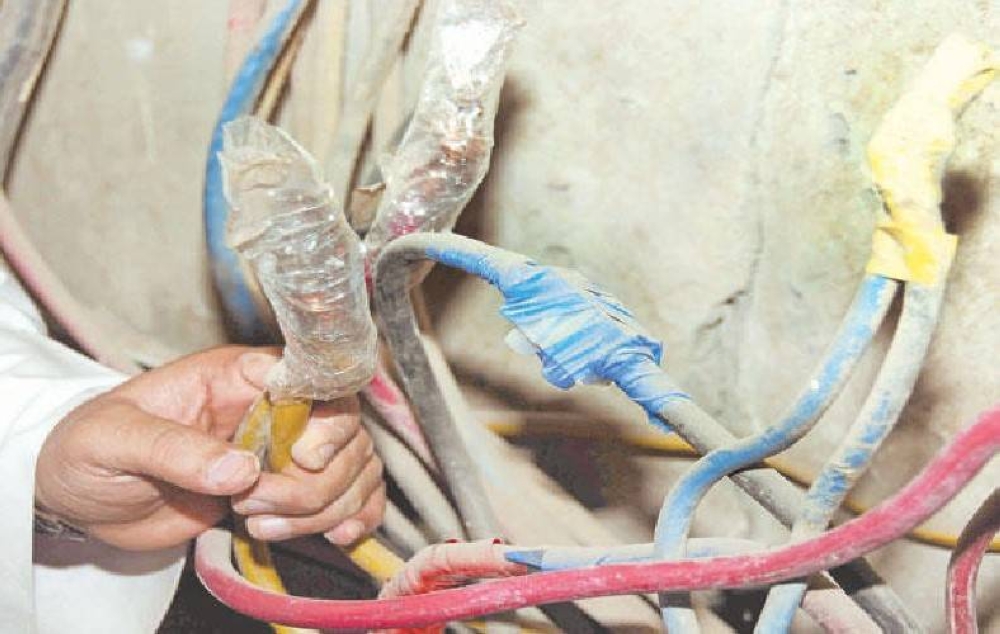
وفرضت اللائحة غرامة تصل إلى 500 ألف ريال كحد أقصى عند استخدام المنظومة الكهربائية أو الربط بها بصورة غير نظامية، أو مساعدة الغير في تنفيذ تلك الممارسات.
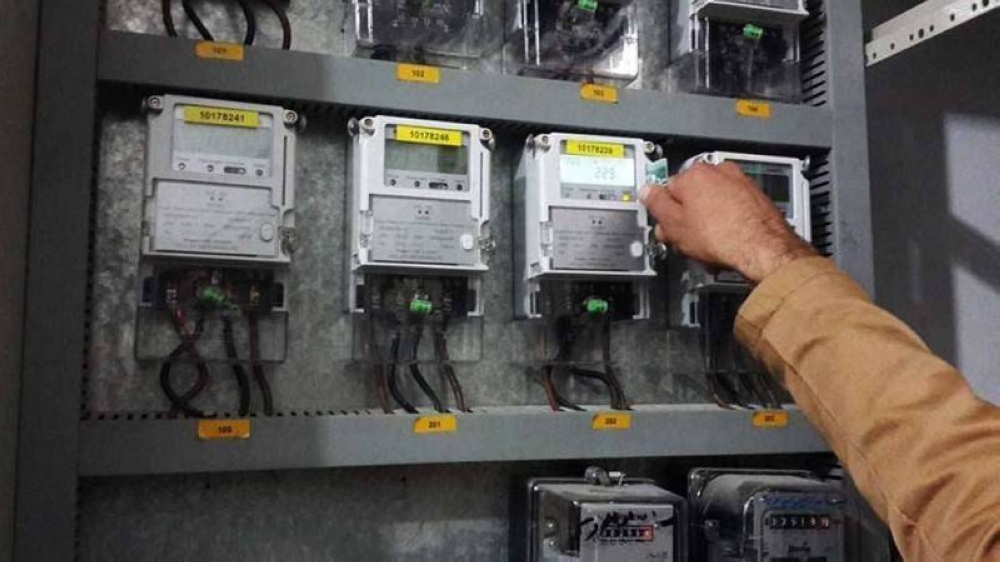
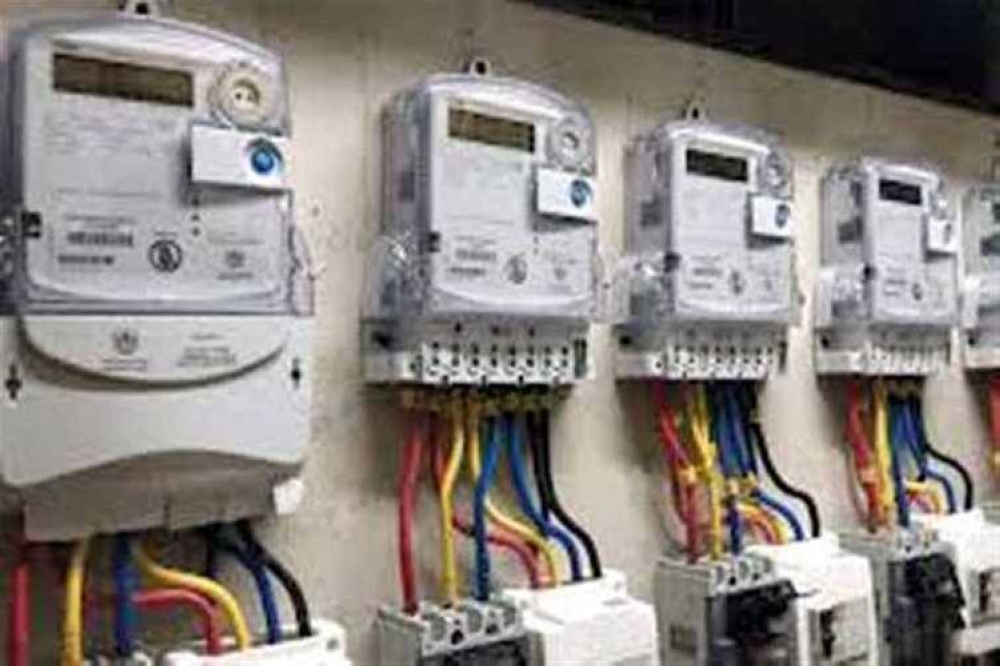
وشملت الغرامات 100 ألف ريال في حال العبث في عداد الخدمة الكهربائية إذا تجاوزت سعة القاطع 400 أمبير، وغرامة مماثلة لتقصير المرخص له في تقديم البيانات المطلوبة من الهيئة، و50 ألف ريال على العبث بعدادات بسعة أكبر من 150 حتى 400 أمبير، وكذلك لعدم الالتزام بمعايير الأداء التي تصدرها الهيئة. كما فرضت غرامة 20 ألف ريال في حال التقصير في معالجة شكاوى المستهلكين، و2000 ريال عن كل حالة تأخير في تقديم الخدمات الكهربائية وفق المدد النظامية. فيما تبلغ الغرامات 3000 ريال في حالات عدم الالتزام بالإطار التنظيمي لأنشطة الطاقة الشمسية الكهروضوئية الصغيرة أو شحن المركبات الكهربائية.
وفي ما يتعلق بالعبث بالعدادات، حددت الغرامة بمبلغ 5000 ريال لعداد بسعة قاطع أقل من أو يساوي 100 أمبير، وترتفع إلى 15 ألف ريال في حال تجاوزت السعة 100 حتى 150 أمبيراً. أما إذا ثبت ارتكاب المخالفة من شخص لا يملك حساب العداد أو لا يُعد مستفيداً فعلياً منه، فتصل الغرامة مباشرة إلى 50 ألف ريال. وأجازت التعديلات رفع الغرامة في حال كانت آثار المخالفة جسيمة أو تكررت لأكثر من مرتين.
وتضمنت التعديلات تعديلاً لتعريف «المخالف» ليشمل كل من يرتكب أو يتسبب في ارتكاب المخالفة، سواء أكان فاعلاً أصلياً أو مساهماً أو مسؤولاً عن أعمال تابعة أثناء تأديته لعمله، مع حذف بعض التعريفات وإضافة تعريف «المفتش»، و«الآثار الجسيمة»، التي تُشير إلى المخالفات ذات الضرر المحتمل على السلامة العامة أو استقرار المنظومة الكهربائية.
ومن حيث الإجراءات، عدّلت الهيئة ترتيب ونصوص العديد من المواد، منها ما يتعلق بتحرير المحاضر وتوثيق المخالفات بالصور، خصوصاً في حالات العبث بالعدادات. وشددت التعديلات على ضرورة تضمين المحاضر تفاصيل دقيقة مثل وقت وتاريخ الضبط، مع تحديد صفة المخالف، وضرورة تسليم المحضر بأي وسيلة متاحة أو عن طريق أقرب مركز شرطة في حال تعذر التواصل المباشر.
ومنحت التعديلات للمفتشين صلاحية طلب تعليق من مقدم الخدمة أو الإدارة المختصة بشأن الوقائع المضبوطة، كما أتاحت للإدارة المختصة حفظ القضية في حال تبيّن عدم وجود مخالفة، مع تبرير أسباب الحفظ للمفتش.
ونصّت اللائحة على ضرورة التوثيق المصور لواقعة العبث بالعداد، بما يشمل نوع العبث وقدرة القاطع وقراءة العداد، إلى جانب الإشارة لآخر فحص تم على العداد، كما تم إلزام مقدمي الخدمة باستخدام الأنظمة الذكية إن توفرت، للكشف عن وقت وتاريخ ارتكاب المخالفة.
تصوير المخالفة
في تقييم المخالفات، تضمنت المعايير الجديدة عند تقدير الغرامة: مدى تعمد المخالفة، استفادة المخالف، عدم المبادرة بالتبليغ، عدم التعاون في التسوية، نطاق المتأثرين، احتمال وقوع أضرار، ومدى جسامة الآثار الناتجة عنها.
وأعادت الهيئة ترتيب عدد من المواد لتتواءم مع التعديلات الجوهرية التي تم إدخالها، ورفعت من دقة وإجراءات الضبط والإثبات، مع توسيع صلاحيات المفتشين، وتحسين آليات التحقق، وتيسير عملية التحقيق والإحالة.
وشملت التعديلات المادة الثانية عشرة التي نصّت على ضرورة تصوير واقعة العبث بالعداد بدقة، وتوضيح نوع العبث، وقراءة العداد، وسعة القاطع، مع ضرورة الإشارة لرقم الحالة وتاريخ الصورة، إلى جانب تضمين تقرير آخر فحص أُجري على العداد. كما أوجبت تقديم بيانات من أنظمة الكشف الذكية -إن توفرت- لتوثيق زمن الواقعة.
100 ألف ريال عقوبة العبث بـ«العداد»
مخالفات الكهرباء: 500 ألف ريال غرامة الربط غير النظامي
5 يوليو 2025 - 16:04
|
آخر تحديث 5 يوليو 2025 - 16:04


تابع قناة عكاظ على الواتساب
إبراهيم العلوي (جدة) i_waleeed22@
The Saudi Electricity Regulatory Authority has revealed the imposition of fines of up to 500,000 riyals for certain violations, as part of the regulation for monitoring and proving violations of the Electricity System and adjudicating them.
These violations come within a package of substantial amendments to the regulation, coinciding with the enhancement of oversight tools and ensuring full compliance with the regulations governing electrical activities in the Kingdom. The amendments focused on increasing penalties, expanding definitions of violations, and updating monitoring and investigation mechanisms.
The regulation imposes a fine of up to 500,000 riyals as a maximum for using the electrical system or connecting to it in an irregular manner, or assisting others in carrying out such practices.
The fines include 100,000 riyals for tampering with the electric service meter if the circuit breaker capacity exceeds 400 amperes, and a similar fine for the licensee's failure to provide the required data to the authority, as well as 50,000 riyals for tampering with meters with a capacity greater than 150 up to 400 amperes, and also for not complying with the performance standards issued by the authority. A fine of 20,000 riyals is imposed for failing to address consumer complaints, and 2,000 riyals for each case of delay in providing electrical services within the legal timeframes. Fines amount to 3,000 riyals in cases of non-compliance with the regulatory framework for small photovoltaic solar energy activities or charging electric vehicles.
Regarding tampering with meters, the fine is set at 5,000 riyals for a meter with a circuit breaker capacity of less than or equal to 100 amperes, increasing to 15,000 riyals if the capacity exceeds 100 up to 150 amperes. If it is proven that the violation was committed by a person who does not own the meter account or is not an actual beneficiary of it, the fine reaches 50,000 riyals directly. The amendments allow for increasing the fine if the consequences of the violation are severe or if it is repeated more than twice.
The amendments included a modification to the definition of "violator" to encompass anyone who commits or causes the violation, whether as a principal actor, contributor, or responsible for related actions while performing their job, along with the removal of some definitions and the addition of definitions for "inspector" and "severe consequences," which refer to violations with potential harm to public safety or the stability of the electrical system.
In terms of procedures, the authority amended the arrangement and texts of many articles, including those related to drafting reports and documenting violations with photographs, especially in cases of tampering with meters. The amendments emphasized the need to include precise details in reports such as the time and date of the monitoring, specifying the nature of the violator, and the necessity of delivering the report by any available means or through the nearest police station if direct communication is not possible.
The amendments granted inspectors the authority to request comments from the service provider or the relevant administration regarding the documented incidents, and allowed the relevant administration to close the case if it was found that no violation occurred, with justification for the closure provided to the inspector.
The regulation stipulated the necessity of photographic documentation of the tampering incident, including the type of tampering, circuit breaker capacity, and meter reading, along with referencing the last inspection conducted on the meter. Service providers were also required to use smart systems, if available, to detect the time and date of the violation.
Violation Documentation
In assessing violations, the new criteria for estimating fines included: the extent of intent in the violation, the benefit gained by the violator, failure to report proactively, lack of cooperation in settlement, the scope of those affected, the likelihood of damage occurring, and the severity of the resulting consequences.
The authority reorganized several articles to align with the substantial amendments made, enhancing the accuracy and procedures for monitoring and proving violations, expanding the powers of inspectors, improving verification mechanisms, and facilitating the investigation and referral process.
The amendments included Article Twelve, which stipulated the necessity of accurately photographing the tampering incident, clarifying the type of tampering, meter reading, and circuit breaker capacity, while also indicating the case number and date of the photograph, in addition to including data from smart detection systems—if available—to document the timing of the incident.
These violations come within a package of substantial amendments to the regulation, coinciding with the enhancement of oversight tools and ensuring full compliance with the regulations governing electrical activities in the Kingdom. The amendments focused on increasing penalties, expanding definitions of violations, and updating monitoring and investigation mechanisms.
The regulation imposes a fine of up to 500,000 riyals as a maximum for using the electrical system or connecting to it in an irregular manner, or assisting others in carrying out such practices.
The fines include 100,000 riyals for tampering with the electric service meter if the circuit breaker capacity exceeds 400 amperes, and a similar fine for the licensee's failure to provide the required data to the authority, as well as 50,000 riyals for tampering with meters with a capacity greater than 150 up to 400 amperes, and also for not complying with the performance standards issued by the authority. A fine of 20,000 riyals is imposed for failing to address consumer complaints, and 2,000 riyals for each case of delay in providing electrical services within the legal timeframes. Fines amount to 3,000 riyals in cases of non-compliance with the regulatory framework for small photovoltaic solar energy activities or charging electric vehicles.
Regarding tampering with meters, the fine is set at 5,000 riyals for a meter with a circuit breaker capacity of less than or equal to 100 amperes, increasing to 15,000 riyals if the capacity exceeds 100 up to 150 amperes. If it is proven that the violation was committed by a person who does not own the meter account or is not an actual beneficiary of it, the fine reaches 50,000 riyals directly. The amendments allow for increasing the fine if the consequences of the violation are severe or if it is repeated more than twice.
The amendments included a modification to the definition of "violator" to encompass anyone who commits or causes the violation, whether as a principal actor, contributor, or responsible for related actions while performing their job, along with the removal of some definitions and the addition of definitions for "inspector" and "severe consequences," which refer to violations with potential harm to public safety or the stability of the electrical system.
In terms of procedures, the authority amended the arrangement and texts of many articles, including those related to drafting reports and documenting violations with photographs, especially in cases of tampering with meters. The amendments emphasized the need to include precise details in reports such as the time and date of the monitoring, specifying the nature of the violator, and the necessity of delivering the report by any available means or through the nearest police station if direct communication is not possible.
The amendments granted inspectors the authority to request comments from the service provider or the relevant administration regarding the documented incidents, and allowed the relevant administration to close the case if it was found that no violation occurred, with justification for the closure provided to the inspector.
The regulation stipulated the necessity of photographic documentation of the tampering incident, including the type of tampering, circuit breaker capacity, and meter reading, along with referencing the last inspection conducted on the meter. Service providers were also required to use smart systems, if available, to detect the time and date of the violation.
Violation Documentation
In assessing violations, the new criteria for estimating fines included: the extent of intent in the violation, the benefit gained by the violator, failure to report proactively, lack of cooperation in settlement, the scope of those affected, the likelihood of damage occurring, and the severity of the resulting consequences.
The authority reorganized several articles to align with the substantial amendments made, enhancing the accuracy and procedures for monitoring and proving violations, expanding the powers of inspectors, improving verification mechanisms, and facilitating the investigation and referral process.
The amendments included Article Twelve, which stipulated the necessity of accurately photographing the tampering incident, clarifying the type of tampering, meter reading, and circuit breaker capacity, while also indicating the case number and date of the photograph, in addition to including data from smart detection systems—if available—to document the timing of the incident.


