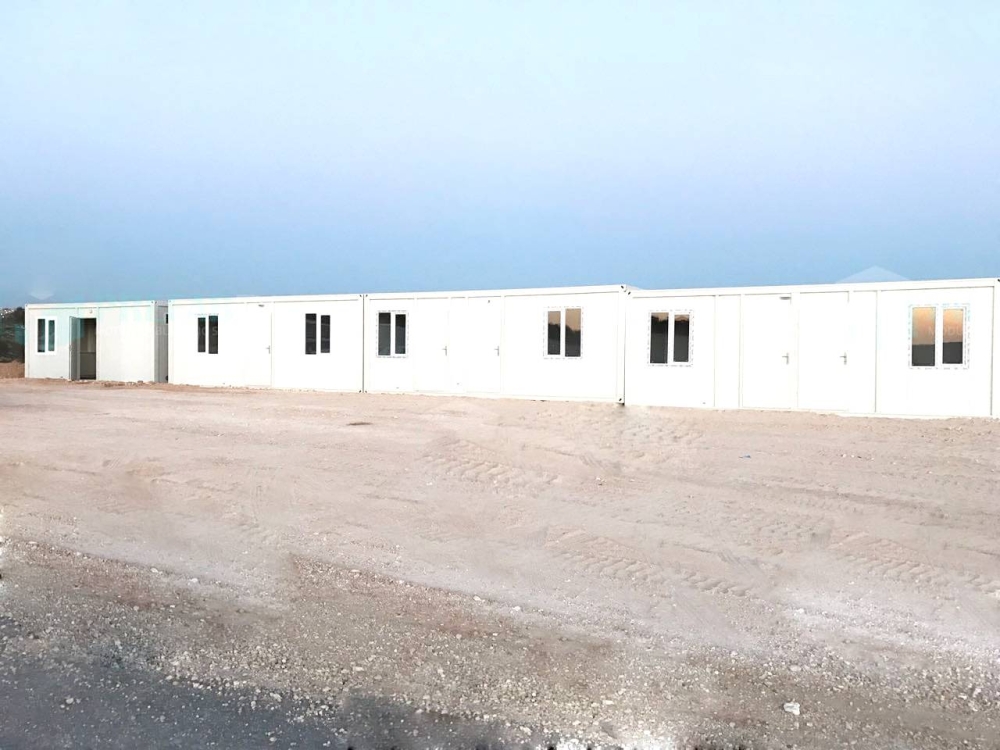
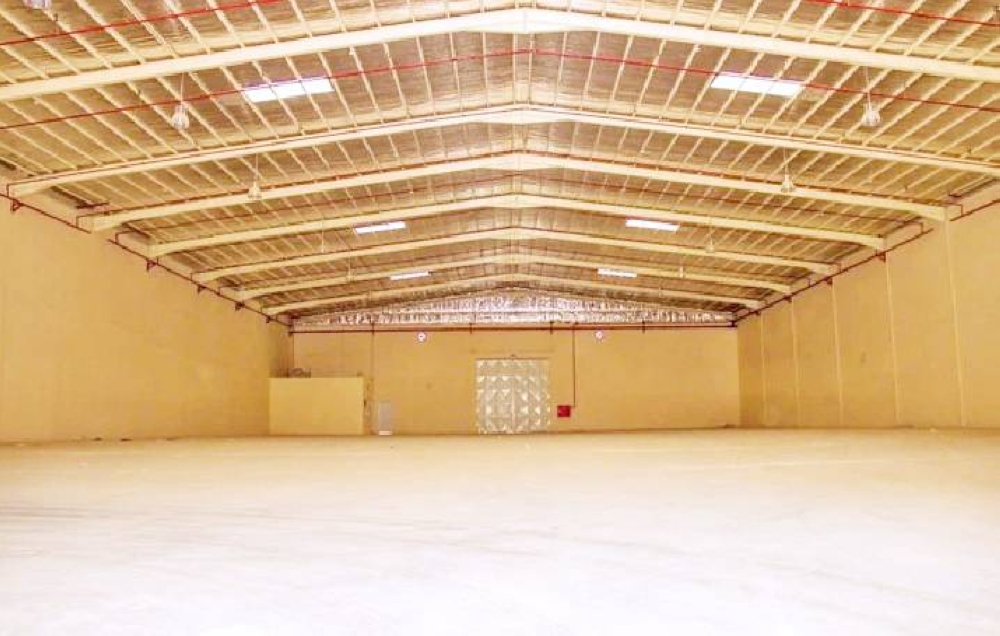
منع «مشروع الشروط الصحية والفنية والسلامة اللازم توافرها في المساكن الجماعية» استخدام الهناجر في السكن. وصنفت شروط السكن الجماعي للأفراد إلى ثلاثة وفقاً للحد الأقصى للطاقة الاستيعابية وطبيعة المرافق والخدمات الأساسية والاختيارية. وكشفت الشروط متطلبات الترخيص ونصت على أنه يلزم عند إنشاء سكن جماعي للأفراد الحصول على الترخيص الانشائي وتطبيق متطلبات التنظيم المكاني والمتطلبات الفنية الواردة ومتطلبات الوقاية والحماية من الحرائق.
وتضمنت متطلبات تشغيل السكن الجماعي للأفراد لفئتي المباني والمجمعات السكنية أن يلزم استخراج الترخيص التشغيلي للسكن الذي تكون طاقته الاستيعابية 20 فرداً فأكثر، ويلتزم مالك المنفعة بالحصول على الترخيص التشغيلي على أن يكون مصرحاً له بمزاولة نشاط إدارة وتشغيل السكن الجماعي للأفراد والالتزام بالمساحة المحددة لكل فرد وبحد أقصى 10 أفراد في غرفة النوم الواحدة، وتوفير الحد الأدنى من الحمامات النظيفة والصالحة للاستخدام بمعدل لكل 8 أفراد أو اقل.
ويتوجب على المشرف المسؤول عن إدارة السكن في حال وجود حالات صحية تستوجب الإبلاغ اتباع الإجراءات الصحية الخاصة بذلك، والتأكد من تلقي أي فرد مصاب أيّاً كانت إصابته الرعاية الصحية اللازمة.
وأكدت الشروط على توفر خطط واضحة يدرب العاملون بالسكن عليها في حالات الأمراض المعدية مثل الضنك وكورونا أو التسمم الجماعي مع توفير غرفة للعزل مجهزة للساكنين الذين تظهر عليهم أعراض المرض مع توفير خدمة الإعاشة أو مطبخ مركزي أو مطابخ عدة بحد أدنى مطبخين لكل دور في مباني المجمعات السكنية، وتوفير مطبخين بحد أدنى في كل دور في المباني السكنية، مع تيسير وصول جميع الأفراد إليها.
ومن الشروط توفير غرفة إسعافات للحالات الطارئة بها ممرض لديه ترخيص سارٍ، وذلك للمساكن التي تزيد طاقتها الاستيعابية عن 1,000 فرد وعيادة طبية تقدم الخدمات الطبية وخدمات الصحة والسلامة المهنية بها طبيب وممرض لديهما ترخيص سارٍ للمساكن التي تزيد طاقتها الاستيعابية عن 5,000 فرد وأن يكون سكن الرجال مفصولاً عن سكن النساء.
ومنعت الشروط استغلال أسطح المبنى والممرات أو القبو لإيواء الأفراد واستخدام مواقد الطبخ أو أجهزة الغسيل داخل غرف النوم أو في الممرات.
وكشف الخبير العقاري أحمد البلوي أن مثل هذه الشروط تساهم في تعزيز صحة السكان وسلامتهم وراحتهم، مما ينعكس إيجاباً على إنتاجيتهم. أما بالنسبة لأصحاب العمل، فإن توفير سكن لائق للعمال يقلل من الغياب بسبب المرض، ويعزز من ولاء العمال، ويحسن من سمعة الشركة، كما يعد سبباً في تحسين الصحة والسلامة، ويوفر السكن النظيف والصحي بيئة معيشية صحية، مما يقلل من خطر انتشار الأمراض والعدوى بين العمال.
وأضاف البلوي أن السكن الجيد بيئة معيشية مريحة ومستقرة، ما يساعد العمال على الاسترخاء بعد ساعات العمل والتركيز بشكل أفضل في عملهم، وزيادة إنتاجيتهم.
The "Project for Health, Technical, and Safety Conditions Required for Collective Housing" prohibits the use of hangars for housing. The conditions for collective housing for individuals are classified into three categories according to the maximum capacity, the nature of the facilities, and essential and optional services. The conditions revealed the licensing requirements and stipulated that when establishing collective housing for individuals, it is necessary to obtain a construction license and apply the spatial organization requirements, the technical requirements mentioned, and the fire prevention and protection requirements.
The operational requirements for collective housing for individuals for both buildings and residential complexes include the necessity of obtaining an operational license for housing that has a capacity of 20 individuals or more. The owner of the benefit is obligated to obtain the operational license, provided that they are authorized to engage in the management and operation of collective housing for individuals and adhere to the specified space for each individual, with a maximum of 10 individuals in a single bedroom, and to provide a minimum number of clean and usable bathrooms at a rate of one for every 8 individuals or less.
The supervisor responsible for managing the housing must follow specific health procedures in case of health issues that require reporting and ensure that any affected individual receives the necessary healthcare, regardless of their condition.
The conditions emphasized the need for clear plans that the housing staff are trained on in cases of infectious diseases such as dengue, COVID-19, or mass poisoning, along with providing an isolation room equipped for residents showing symptoms of illness, and ensuring the availability of food services or a central kitchen or several kitchens, with a minimum of two kitchens on each floor in residential complexes, and at least two kitchens on each floor in residential buildings, facilitating access for all individuals.
Among the conditions is the provision of a first aid room for emergencies, staffed by a nurse with a valid license, for housing that accommodates more than 1,000 individuals, and a medical clinic providing medical services and occupational health and safety services staffed by a doctor and a nurse with valid licenses for housing that accommodates more than 5,000 individuals, ensuring that men's housing is separate from women's housing.
The conditions prohibited the use of building roofs, corridors, or basements to shelter individuals and the use of cooking stoves or washing machines inside bedrooms or in corridors.
Real estate expert Ahmed Al-Balawi revealed that such conditions contribute to enhancing the health, safety, and comfort of residents, which positively reflects on their productivity. For employers, providing decent housing for workers reduces absenteeism due to illness, enhances worker loyalty, improves the company's reputation, and is a reason for improving health and safety, providing a clean and healthy living environment that reduces the risk of disease and infection spread among workers.
Al-Balawi added that good housing offers a comfortable and stable living environment, helping workers relax after working hours, focus better on their tasks, and increase their productivity.