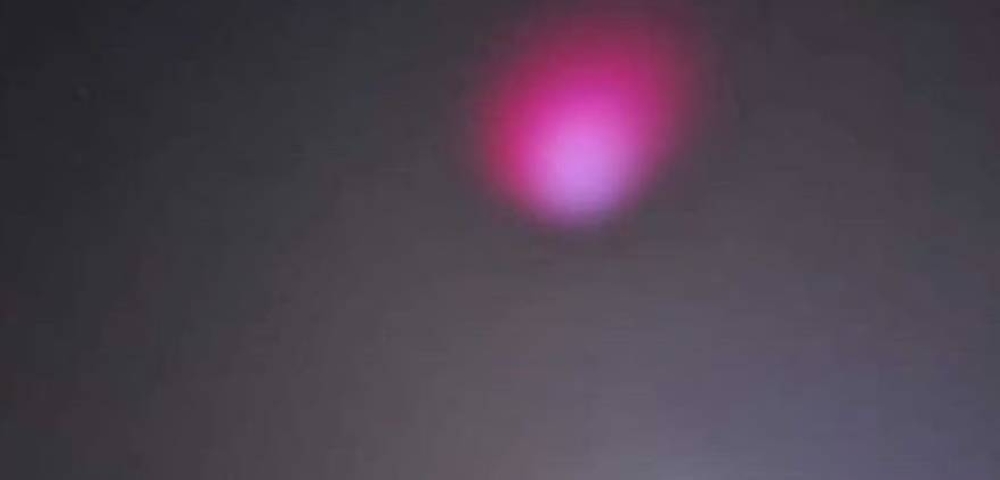
شهدت سماء شمال غرب المملكة مساء أمس، ظاهرة جوية استثنائية، حيث ظهرت بقعة دائرية وردية لامعة بعد غروب الشمس في مشهد نادر وغير مألوف.
وأفاد رئيس الجمعية الفلكية بجدة المهندس ماجد أبو زاهرة، بأن هذه هي المرة الثانية التي يتم فيها رصد مثل هذه البقعة الوردية خلال فترة قصيرة ومشابهة في 13 مايو الماضي، ما يفتح الباب أمام مزيد من التساؤلات حول طبيعة هذه الظواهر المتكررة.
وقال: «بحسب الصور الملتقطة كانت البقعة مضيئة بوضوح على خلفية السماء الزرقاء الداكنة، وثابتة في مكانها دون أي صوت مرافق أو تغيرات واضحة في الشكل، قبل أن تبدأ في التلاشي التدريجي بعد دقائق».
وأضاف: «أحد التفسيرات العلمية المحتملة يرجح أن تكون هذه الظاهرة نتيجة أبخرة من الباريوم والسترونتيوم والأكسجين المؤين على ارتفاعات عالية لدراسة طبقات الغلاف الجوي العليا (الأيونوسفير)، ففي مثل هذه التجارب تضيء الأبخرة المتحررة نتيجة انعكاس ضوء الشمس المتبقي بعد الغروب على ارتفاعات تتجاوز 100 كيلومتر فتتشكل بقع مضيئة بألوان وردية أو زرقاء أو خضراء يتغير شكلها بفعل الرياح العليا».
وأشار أبو زاهرة إلى احتمال أن تكون البقعة نتيجة مخلّفات في الغلاف الجوي العلوي مثل آثار احتراق صاروخ أو بقايا أقمار صناعية وسحب غازات مثل الهيليوم أو الهيدروجين.
Last night, the sky over the northwest of the Kingdom witnessed an exceptional atmospheric phenomenon, where a shiny pink circular spot appeared after sunset in a rare and unusual sight.
The head of the Astronomical Society in Jeddah, Engineer Majid Abu Zahra, reported that this is the second time such a pink spot has been observed in a short period, similar to what was seen on May 13, which raises further questions about the nature of these recurring phenomena.
He said: "According to the captured images, the spot was clearly illuminated against the backdrop of the dark blue sky, and it remained in place without any accompanying sound or noticeable changes in shape, before it began to gradually fade after a few minutes."
He added: "One possible scientific explanation suggests that this phenomenon may be due to vapors of barium, strontium, and ionized oxygen at high altitudes to study the upper layers of the atmosphere (the ionosphere). In such experiments, the vapors released illuminate due to the reflection of remaining sunlight after sunset at altitudes exceeding 100 kilometers, forming glowing spots in pink, blue, or green colors that change shape due to upper-level winds."
Abu Zahra pointed out the possibility that the spot could be a result of remnants in the upper atmosphere, such as traces of rocket combustion or debris from satellites and gas clouds like helium or hydrogen.