
دعت الهيئة الملكية للجبيل وينبع، قطاع الهيئات الملكية إلى المشاركة في رفع الملاحظات بخصوص مشروع «لائحة الغرامات والجزاءات عن المخالفات البلدية للهيئة الملكية».
وألزم المشروع مرتكب المخالفة البلدية بإصلاح ما أتلفه ورد الشيء إلى ما كان عليه، والتظلم أمام صاحب الصلاحية من توقيع أي عقوبة من العقوبات المحددة في اللائحة خلال 60 يوماً من تاريخ إبلاغ العقوبة، ويجوز التظلم من قرار صاحب الصلاحية أمام ديوان المظالم خلال ستين يوماً.
وصنف المشروع المخالفات إلى خمس مجموعات تتوزع على مخالفة الصحة العامة، مخالفات الذبح والمواشي السائبة، مخالفات البيع، مخالفات البناء ومخالفات الطرق.
وضمت مخالفات الصحة العامة 60 مخالفة، تتراوح قيمة الغرامة بين 100 ريال- 20 ألف ريال، منها فضلات الطعام من المنازل بقيمة 100 ريال، فيما تراوح مخالفات النفايات التجارية من أسواق الخضار والفواكه بين 1000- خمسة آلاف ريال، والنفايات الخطرة من المصانع بين 10 آلاف ريال- 20 ألف ريال، ومخالفة وجود عمال تظهر عليهم اعراض مرضية 1000 ريال- 2000 ريال، ومخالفة إنتاج مواد غذائية غير موجودة في ترخيص المصنع بين أربعة آلاف- ستة آلاف ريال، ومخالفة سوء النقل وبخاصة المواد الغذائية التي تتأثر بدرجة الحرارة تتراوح بين 2000 ريال- خمسة آلاف ريال.
وحددت مخالفات الذبح والمواشي السائبة خمس مخالفات والغرامة بين 100 ريال- خمسة آلاف ريال، منها ذبح المواشي والإبل الممنوع ذبحها غرامة 500- 1000 ريال، والذبح في المطابخ الشعبية 1000- خمسة آلاف ريال، وغرامة ترك المواشي تبلغ 100 ريال.
أما مخالفات البيع فتتوزع إلى 10 مخالفات، وتراوح الغرامة بين 100 ريال- 10 آلاف ريال، منها فتح محلات ذات العلاقة بالصحة العامة دون رخصة الغرامة بين 2000- 10 آلاف ريال؛ غرامة الامتناع عن البيع او الامتناع عن إعطاء فاتورة 1000- خمسة آلاف ريال، وغرامة البسطة غير المرخص لها 200- 500 ريال، بينما تبلغ غرامة استخدام المركبات غير المرخصة من الهيئة كمعارض للبيع 1000- خمسة آلاف ريال.
وتتوزع مخالفات البناء على 25 مخالفة، وتراوح قيمة الغرامة بين 1000 ريال- 30 ألف ريال، منها زيادة مساحة البناء للملاحق العلوية عن الحد المسموح به وغرامته 2000- خمسة آلاف ريال، وغرامة الاعتداء على خطوط التنظيم بين خمسة آلاف- 10 آلاف ريال، وغرامة البناء بدون رخصة ثلاثة آلاف- خمسة آلاف ريال، وغرامة البناء في أرض حكومية غير مخططة بين 10 آلاف- 30 ألف ريال.
ومخالفات الطرق تتوزع على 23 مخالفة، وتراوح بين 200 ريال- 30 ألف ريال، منها الحفر دون ترخيص بغرامة بين 10 آلاف ريال- 30 ألف ريال، غرامة عدم إزالة مخلفات الحفر بعد الانتهاء من العمل بين خمسة آلاف ريال- 10 آلاف ريال، وغرامة عدم صيانة السياج او اللوحات الارشادية أو التحذيرية عند منطقة العمل بين ثلاثة آلاف- خمسة آلاف ريال، وغرامة قفل الشوارع دون تصريح بين خمسة آلاف- 10 آلاف ريال، وغرامة تشويه جدران الأبنية أو الأسوار بالكتابة أو الرسم للأغراض الإعلانية بين 200 ريال- 500 ريال.
وأكد المحامي والمستشار القانوني عبيد العيافي، أن الغرامات تهدف إلى ردع المخالفين ومنعهم من ارتكاب المخالفات، وتختلف قيمة الغرامات بناءً على نوع المخالفة ومدى تكرارها، وقد تصل إلى مبالغ كبيرة، وإيقاف الترخيص أو التصريح.
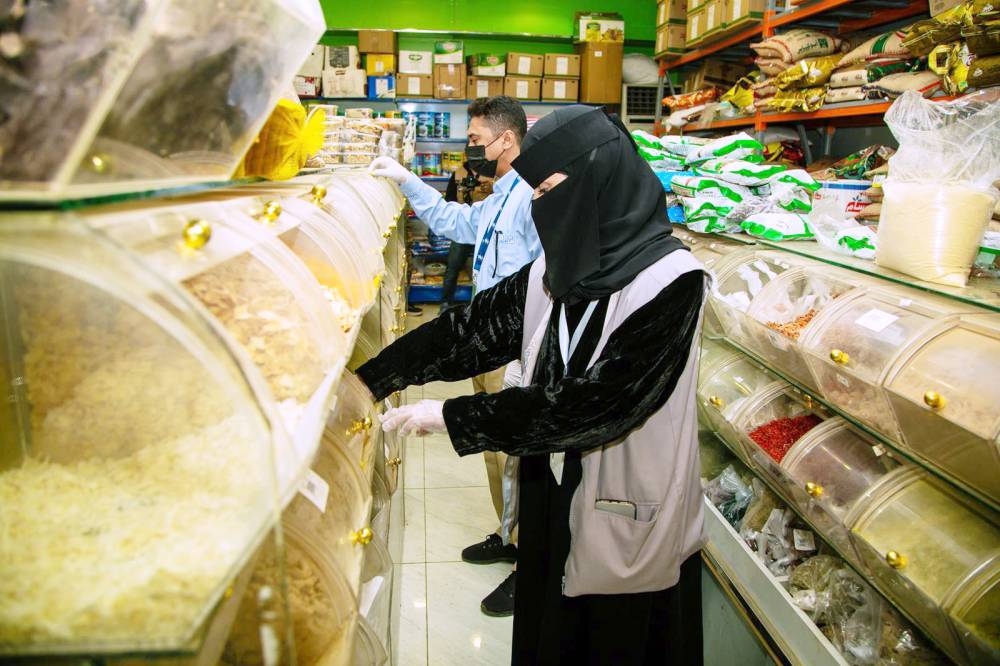
ملاحظة الصور المرفقة تخص أمانتي مكة وتبوك، بينما المادة خاصة بالهيئة الملكية في الجبيل وينبع
30 ألف ريال غرامة المخالفات البلدية في الهيئة الملكية للجبيل وينبع
29 يونيو 2025 - 01:13
|
آخر تحديث 1 يوليو 2025 - 01:24


تابع قناة عكاظ على الواتساب
إبراهيم العلوي (جدة) @i_waleeed22
The Royal Commission for Jubail and Yanbu has called on the sector of royal commissions to participate in raising observations regarding the project "Regulations for Fines and Penalties for Municipal Violations of the Royal Commission."
The project obliges the violator of municipal regulations to repair what has been damaged and restore things to their original state, and to appeal to the authorized person regarding the imposition of any penalties specified in the regulations within 60 days from the date of notification of the penalty. An appeal can also be made against the decision of the authorized person before the Board of Grievances within sixty days.
The project classifies violations into five groups, which include public health violations, violations related to slaughtering and stray livestock, sales violations, construction violations, and road violations.
Public health violations include 60 offenses, with fines ranging from 100 riyals to 20,000 riyals. Among these, food waste from homes is fined 100 riyals, while violations related to commercial waste from fruit and vegetable markets range from 1,000 to 5,000 riyals. Hazardous waste from factories incurs fines between 10,000 and 20,000 riyals, and a violation for having workers showing symptoms of illness is fined between 1,000 and 2,000 riyals. Producing food items not listed in the factory license incurs fines between 4,000 and 6,000 riyals, while the violation of improper transportation, especially for temperature-sensitive food items, ranges from 2,000 to 5,000 riyals.
Violations related to slaughtering and stray livestock consist of five offenses, with fines ranging from 100 riyals to 5,000 riyals. This includes the slaughter of livestock and camels that are prohibited from being slaughtered, with fines between 500 and 1,000 riyals, and slaughtering in public kitchens incurs fines between 1,000 and 5,000 riyals. The fine for leaving livestock unattended is 100 riyals.
Sales violations are divided into 10 offenses, with fines ranging from 100 riyals to 10,000 riyals. This includes opening health-related shops without a license, with fines between 2,000 and 10,000 riyals; fines for refusing to sell or provide a receipt range from 1,000 to 5,000 riyals, and fines for unlicensed stalls range from 200 to 500 riyals. The fine for using unlicensed vehicles from the commission as sales exhibitions is between 1,000 and 5,000 riyals.
Construction violations consist of 25 offenses, with fines ranging from 1,000 riyals to 30,000 riyals. This includes exceeding the allowed construction area for upper annexes, with fines between 2,000 and 5,000 riyals, and fines for encroaching on organization lines range from 5,000 to 10,000 riyals. The fine for building without a license is between 3,000 and 5,000 riyals, and the fine for constructing on unplanned government land ranges from 10,000 to 30,000 riyals.
Road violations consist of 23 offenses, with fines ranging from 200 riyals to 30,000 riyals. This includes digging without a license, with fines between 10,000 and 30,000 riyals, and fines for not removing excavation debris after work completion range from 5,000 to 10,000 riyals. The fine for not maintaining fences or signage in work areas ranges from 3,000 to 5,000 riyals, while the fine for closing streets without a permit ranges from 5,000 to 10,000 riyals. The fine for defacing building walls or fences with writing or drawings for advertising purposes ranges from 200 to 500 riyals.
Lawyer and legal advisor Obeid Al-Ayafi confirmed that the fines aim to deter violators and prevent them from committing offenses. The value of fines varies based on the type of violation and its frequency, and may reach significant amounts, leading to the suspension of licenses or permits.
The project obliges the violator of municipal regulations to repair what has been damaged and restore things to their original state, and to appeal to the authorized person regarding the imposition of any penalties specified in the regulations within 60 days from the date of notification of the penalty. An appeal can also be made against the decision of the authorized person before the Board of Grievances within sixty days.
The project classifies violations into five groups, which include public health violations, violations related to slaughtering and stray livestock, sales violations, construction violations, and road violations.
Public health violations include 60 offenses, with fines ranging from 100 riyals to 20,000 riyals. Among these, food waste from homes is fined 100 riyals, while violations related to commercial waste from fruit and vegetable markets range from 1,000 to 5,000 riyals. Hazardous waste from factories incurs fines between 10,000 and 20,000 riyals, and a violation for having workers showing symptoms of illness is fined between 1,000 and 2,000 riyals. Producing food items not listed in the factory license incurs fines between 4,000 and 6,000 riyals, while the violation of improper transportation, especially for temperature-sensitive food items, ranges from 2,000 to 5,000 riyals.
Violations related to slaughtering and stray livestock consist of five offenses, with fines ranging from 100 riyals to 5,000 riyals. This includes the slaughter of livestock and camels that are prohibited from being slaughtered, with fines between 500 and 1,000 riyals, and slaughtering in public kitchens incurs fines between 1,000 and 5,000 riyals. The fine for leaving livestock unattended is 100 riyals.
Sales violations are divided into 10 offenses, with fines ranging from 100 riyals to 10,000 riyals. This includes opening health-related shops without a license, with fines between 2,000 and 10,000 riyals; fines for refusing to sell or provide a receipt range from 1,000 to 5,000 riyals, and fines for unlicensed stalls range from 200 to 500 riyals. The fine for using unlicensed vehicles from the commission as sales exhibitions is between 1,000 and 5,000 riyals.
Construction violations consist of 25 offenses, with fines ranging from 1,000 riyals to 30,000 riyals. This includes exceeding the allowed construction area for upper annexes, with fines between 2,000 and 5,000 riyals, and fines for encroaching on organization lines range from 5,000 to 10,000 riyals. The fine for building without a license is between 3,000 and 5,000 riyals, and the fine for constructing on unplanned government land ranges from 10,000 to 30,000 riyals.
Road violations consist of 23 offenses, with fines ranging from 200 riyals to 30,000 riyals. This includes digging without a license, with fines between 10,000 and 30,000 riyals, and fines for not removing excavation debris after work completion range from 5,000 to 10,000 riyals. The fine for not maintaining fences or signage in work areas ranges from 3,000 to 5,000 riyals, while the fine for closing streets without a permit ranges from 5,000 to 10,000 riyals. The fine for defacing building walls or fences with writing or drawings for advertising purposes ranges from 200 to 500 riyals.
Lawyer and legal advisor Obeid Al-Ayafi confirmed that the fines aim to deter violators and prevent them from committing offenses. The value of fines varies based on the type of violation and its frequency, and may reach significant amounts, leading to the suspension of licenses or permits.