


استقبلت المدينة المنورة الحجاج بجملة من المشاريع العملاقة، إذ شهدت خلال 2024 توقيع العديد من الاتفاقيات لتنفيذ حزمة من المشاريع التنموية والتطويرية للمناطق التاريخية، لتعزيز التنمية المستدامة وتحسين جودة الحياة من خلال دفع عجلة النشاط الاقتصادي في القطاعات المختلفة. واكتمل عدد كبير من أعمال التطوير والأنسنة داخل نطاق المنطقة المركزية ومحيطها، التي تنفذها هيئة التطوير، وأمانة المنطقة، وهيئة التراث، لتحسين المشهد الحضري في المناطق ذات الكثافة السكانية. وتشمل تهيئة الطرق للمشاة في الجهات الشمالية والجنوبية والغربية للمسجد النبوي، وإتاحة التنقل عبرها بواسطة عربات النقل الكهربائية الصديقة للبيئة، وتتضمن الجهود تشجير الطرق، والساحات، وتوفير أماكن للجلوس على امتداد ميادين المشاة، ودعمها بالمرافق العامة، وجعلها أكثر ملاءمة للإنسان.
وفي قطاع النقل الجوي، تم تدشين المرحلة الثانية لمشروع تطوير وتوسعة مطار الأمير محمد بن عبدالعزيز كأحدث المشاريع التي تم الإعلان عنها. ويهدف المشروع إلى رفع الطاقة الاستيعابية للمطار بنهاية عام 2027 إلى 17 مليون مسافر، بتكلفة تصل إلى 1.2 مليار ريال. وتشمل أعمال المشروع مضاعفة الطاقة الاستيعابية الحالية التي تبلغ 8 ملايين مسافر سنوياً، وستتم توسعة صالة المسافرين وتخصيصها للرحلات الدولية ورفع الطاقة الاستيعابية إلى 12 مليون مسافر سنوياً وإنشاء صالة مسافرين جديدة للرحلات الداخلية بطاقة استيعابية 3.5 مليون مسافر سنوياً، وإعادة تهيئة صالة المسافرين القديمة لتوفير طاقة استيعابية احتياطية للرحلات الدولية تقدر بـ1.5 مليون مسافر سنوياً، إضافة إلى إنشاء مبنى مكاتب إدارية للجهات العاملة بالمطار.
وشملت المشاريع تنفيذ تقاطع الطريق الدائري الثالث مع طريق عمر بن الخطاب بطول 13 كيلومتراً، وبتكلفة 48 مليون ريال.
كما شملت المشاريع التطويرية في المدينة المنورة تطوير بئر غرس، وهو من المواقع التاريخية الإسلامية التي ارتبطت بالسيرة النبوية، ودشنت أعمال التطوير والتحسين في المنطقة المحيطة بالبئر لإعادة إحيائها، إلى جانب مشروع تطوير بئر الفقير، التي تعد بئراً تاريخية أثرية قديمة تقع بين مزارع عالية المدينة المنورة ويعود تاريخها إلى مرحلة ما قبل الإسلام ولها ارتباط بالسيرة النبوية، ومبادرة تطوير قصر عروة بن الزبير الذي يقع على ضفاف وادي العقيق غرب المدينة المنورة؛ بهدف الارتقاء به وإثراء ضيوف الرحمن ثقافياً وتعريفهم بأحد المواقع المرتبطة بالسيرة النبوية ليصبح أحد المعالم البارزة في المنطقة.
تطوير المعالم والمزارات
أطلقت في المدينة مبادرة تطوير «مسار بدر التاريخي»؛ الذي يضم أكثر من 40 معلماً تاريخياً على امتداد 175 كيلومتراً، تبدأ من المدينة المنورة مروراً بمسجد العريش، ومنطقة الروحاء، والعدوتين الدنيا والقصوى، وعدد من المواقع، وصولاً إلى منطقة بدر التاريخية. ويشكل المشروع إحدى مبادرات ومشاريع تأهيل وتفعيل مواقع التاريخ الإسلامي بمنطقة المدينة المنورة في أكثر من 100 موقع مرتبط بالسيرة النبوية والتاريخ الإسلامي، كما يحظى ميدان سيد الشهداء بمكانة دينية وتاريخية ليشغل حيزاً كبيراً ضمن مشاريع التطوير والارتقاء بالخدمات المقدمة لمرتاديه من الأهالي وزوار المدينة. وتشمل الأعمال التطويرية متابعة تنفيذ مسجد سيد الشهداء الذي يستوعب نحو أربعة آلاف مصل لإنجازه بشكل عاجل، وتنظيم المباسط العشوائية مع تحديد نموذج موحد لها، وتطوير مجرى وادي قناة للجزء المار بالميدان، إضافة إلى صيانة أعمدة الإنارة والأرصفة وتظليل الممرات الرئيسية، مع وضع لوحات إرشادية بالميدان، وتنظيم مواقف السيارات.
بئر عثمان وتطوير الجادة
بئر عثمان بن عفان تعد من أقدم الأوقاف التاريخية الذي يستمر عطاؤه حتى اليوم، فهو أحد أهم النماذج في استدامة أثر الأوقاف، ويأتي الاهتمام بالبئر لمكانتها التاريخية وإتاحة زيارتها. كما تم إطلاق مشروع تطوير «جادة قباء» لخلق ساحات ونقاط تجمع عمراني وتطوير المحلات والمباني السكنية على طول الجادة لتحسين هويتها البصرية. ومن المشاريع أيضاً تطوير مسجد أبي بكر الصديق أحد المساجد التاريخية، إلى جانب مبادرة تطوير مسجد عمر بن الخطاب الذي يعد أحد المساجد التاريخية، وتطوير مسجد السقيا من خلال ترميمه وإعادة تأهيله أخيراً ضمن مشروع الأمير محمد بن سلمان لتطوير المواقع التاريخية الإسلامية.
مزارات المدينة وجادة قباء والمطار الدولي المطور ترحب بالحجاج
11 يونيو 2025 - 03:32
|
آخر تحديث 11 يونيو 2025 - 03:32
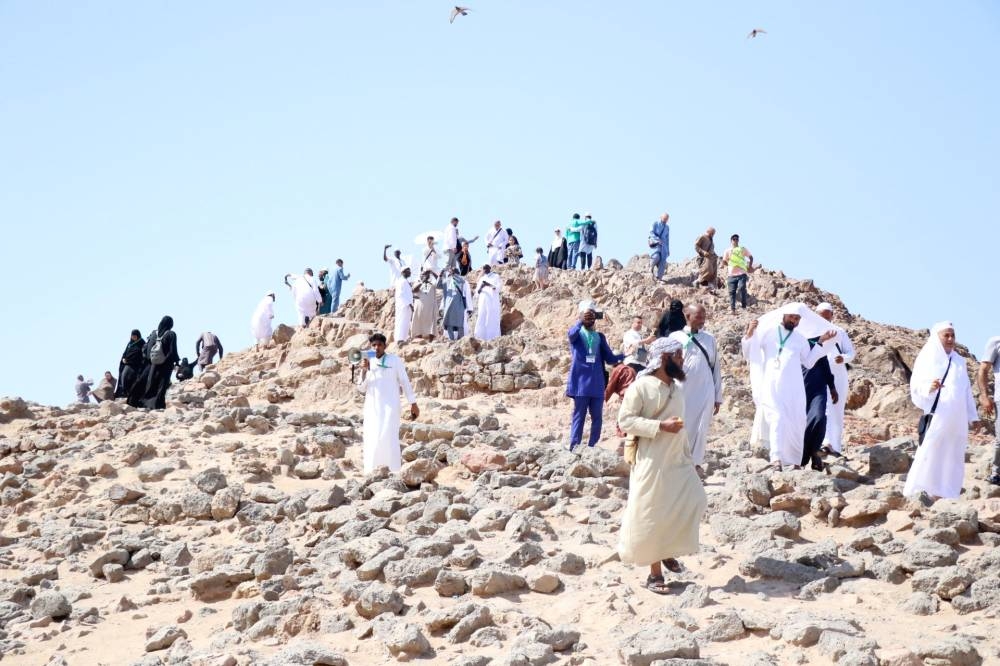
جبل أحد من المعالم التي يسعى الحجاج إلى زيارتها.


تابع قناة عكاظ على الواتساب
سامي المغامسي (المدينة المنورة) @sami4086
The city of Medina welcomed pilgrims with a series of giant projects, witnessing the signing of numerous agreements in 2024 to implement a package of developmental and enhancement projects for historical areas, aimed at promoting sustainable development and improving quality of life by boosting economic activity across various sectors. A large number of development and humanization works have been completed within the central area and its surroundings, executed by the Development Authority, the region's municipality, and the Heritage Authority, to enhance the urban landscape in densely populated areas. These efforts include preparing pedestrian pathways in the northern, southern, and western sides of the Prophet's Mosque, allowing movement through them via environmentally friendly electric transport carts. The initiatives also involve planting trees along the roads and squares, providing seating areas along pedestrian squares, supporting them with public facilities, and making them more human-friendly.
In the air transport sector, the second phase of the development and expansion project for Prince Mohammed bin Abdulaziz Airport was launched as one of the latest projects announced. The project aims to increase the airport's capacity to 17 million passengers by the end of 2027, at a cost of up to 1.2 billion riyals. The project includes doubling the current capacity of 8 million passengers annually, expanding the passenger terminal designated for international flights, raising its capacity to 12 million passengers annually, and creating a new terminal for domestic flights with a capacity of 3.5 million passengers annually. Additionally, the old passenger terminal will be refurbished to provide a backup capacity for international flights estimated at 1.5 million passengers annually, along with the establishment of an administrative office building for the entities operating at the airport.
The projects also included the implementation of an intersection of the third ring road with Omar ibn Al-Khattab Road, spanning 13 kilometers, at a cost of 48 million riyals.
Development projects in Medina also included the enhancement of Gharas Well, one of the historical Islamic sites linked to the Prophet's biography. Development and improvement works were launched in the area surrounding the well to revive it, alongside the development project for Al-Faqir Well, which is an ancient historical well located among the farms of high Medina, dating back to the pre-Islamic era and connected to the Prophet's biography. There is also an initiative to develop the palace of Urwah ibn Al-Zubair, located on the banks of Wadi Al-Aqiq west of Medina, aimed at elevating it and enriching the cultural experience of the guests of the Merciful by introducing them to one of the sites linked to the Prophet's biography, making it one of the prominent landmarks in the region.
Development of Landmarks and Sites
A development initiative for the "Historical Badr Path" was launched in the city, which includes more than 40 historical landmarks along a stretch of 175 kilometers, starting from Medina, passing through Al-Areej Mosque, the Al-Ruhah area, the two hills of Al-Audat, and several sites, reaching the historical Badr area. The project is one of the initiatives and projects aimed at rehabilitating and activating Islamic historical sites in the Medina region, involving more than 100 locations linked to the Prophet's biography and Islamic history. The Field of Sayyid Al-Shuhada holds a religious and historical significance, occupying a large space within the development projects aimed at enhancing the services provided to its visitors from the locals and tourists. The developmental works include following up on the construction of Sayyid Al-Shuhada Mosque, which accommodates about four thousand worshippers, to expedite its completion, organizing random stalls with a unified model, developing the course of Wadi Qana for the part passing through the field, in addition to maintaining the lighting poles and sidewalks, shading the main pathways, placing directional signs in the field, and organizing parking spaces.
Uthman Well and Development of the Boulevard
Uthman ibn Affan Well is considered one of the oldest historical endowments that continues to provide benefits to this day; it is one of the most important models for the sustainability of endowment effects, and the attention given to the well is due to its historical significance and the opportunity for visitation. The "Quba Boulevard" development project was also launched to create squares and urban gathering points and to develop shops and residential buildings along the boulevard to enhance its visual identity. Other projects include the development of Abu Bakr Al-Siddiq Mosque, one of the historical mosques, alongside the initiative to develop Omar ibn Al-Khattab Mosque, which is also one of the historical mosques, and the development of Al-Saqiya Mosque through its restoration and rehabilitation as part of Prince Mohammed bin Salman's project to develop Islamic historical sites.
In the air transport sector, the second phase of the development and expansion project for Prince Mohammed bin Abdulaziz Airport was launched as one of the latest projects announced. The project aims to increase the airport's capacity to 17 million passengers by the end of 2027, at a cost of up to 1.2 billion riyals. The project includes doubling the current capacity of 8 million passengers annually, expanding the passenger terminal designated for international flights, raising its capacity to 12 million passengers annually, and creating a new terminal for domestic flights with a capacity of 3.5 million passengers annually. Additionally, the old passenger terminal will be refurbished to provide a backup capacity for international flights estimated at 1.5 million passengers annually, along with the establishment of an administrative office building for the entities operating at the airport.
The projects also included the implementation of an intersection of the third ring road with Omar ibn Al-Khattab Road, spanning 13 kilometers, at a cost of 48 million riyals.
Development projects in Medina also included the enhancement of Gharas Well, one of the historical Islamic sites linked to the Prophet's biography. Development and improvement works were launched in the area surrounding the well to revive it, alongside the development project for Al-Faqir Well, which is an ancient historical well located among the farms of high Medina, dating back to the pre-Islamic era and connected to the Prophet's biography. There is also an initiative to develop the palace of Urwah ibn Al-Zubair, located on the banks of Wadi Al-Aqiq west of Medina, aimed at elevating it and enriching the cultural experience of the guests of the Merciful by introducing them to one of the sites linked to the Prophet's biography, making it one of the prominent landmarks in the region.
Development of Landmarks and Sites
A development initiative for the "Historical Badr Path" was launched in the city, which includes more than 40 historical landmarks along a stretch of 175 kilometers, starting from Medina, passing through Al-Areej Mosque, the Al-Ruhah area, the two hills of Al-Audat, and several sites, reaching the historical Badr area. The project is one of the initiatives and projects aimed at rehabilitating and activating Islamic historical sites in the Medina region, involving more than 100 locations linked to the Prophet's biography and Islamic history. The Field of Sayyid Al-Shuhada holds a religious and historical significance, occupying a large space within the development projects aimed at enhancing the services provided to its visitors from the locals and tourists. The developmental works include following up on the construction of Sayyid Al-Shuhada Mosque, which accommodates about four thousand worshippers, to expedite its completion, organizing random stalls with a unified model, developing the course of Wadi Qana for the part passing through the field, in addition to maintaining the lighting poles and sidewalks, shading the main pathways, placing directional signs in the field, and organizing parking spaces.
Uthman Well and Development of the Boulevard
Uthman ibn Affan Well is considered one of the oldest historical endowments that continues to provide benefits to this day; it is one of the most important models for the sustainability of endowment effects, and the attention given to the well is due to its historical significance and the opportunity for visitation. The "Quba Boulevard" development project was also launched to create squares and urban gathering points and to develop shops and residential buildings along the boulevard to enhance its visual identity. Other projects include the development of Abu Bakr Al-Siddiq Mosque, one of the historical mosques, alongside the initiative to develop Omar ibn Al-Khattab Mosque, which is also one of the historical mosques, and the development of Al-Saqiya Mosque through its restoration and rehabilitation as part of Prince Mohammed bin Salman's project to develop Islamic historical sites.


