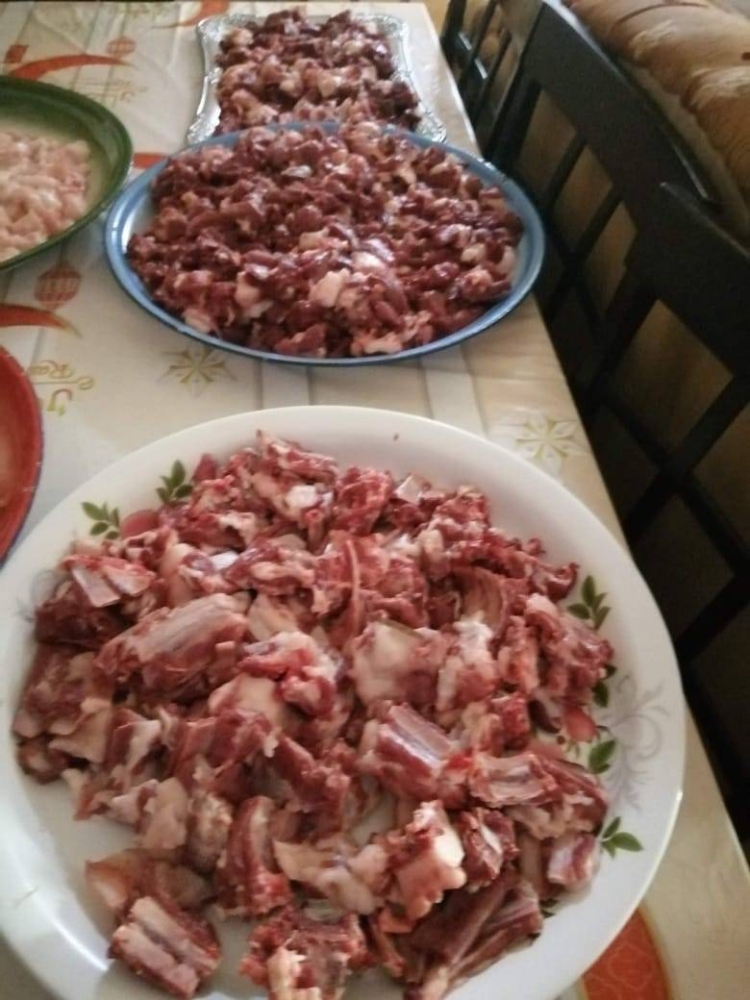
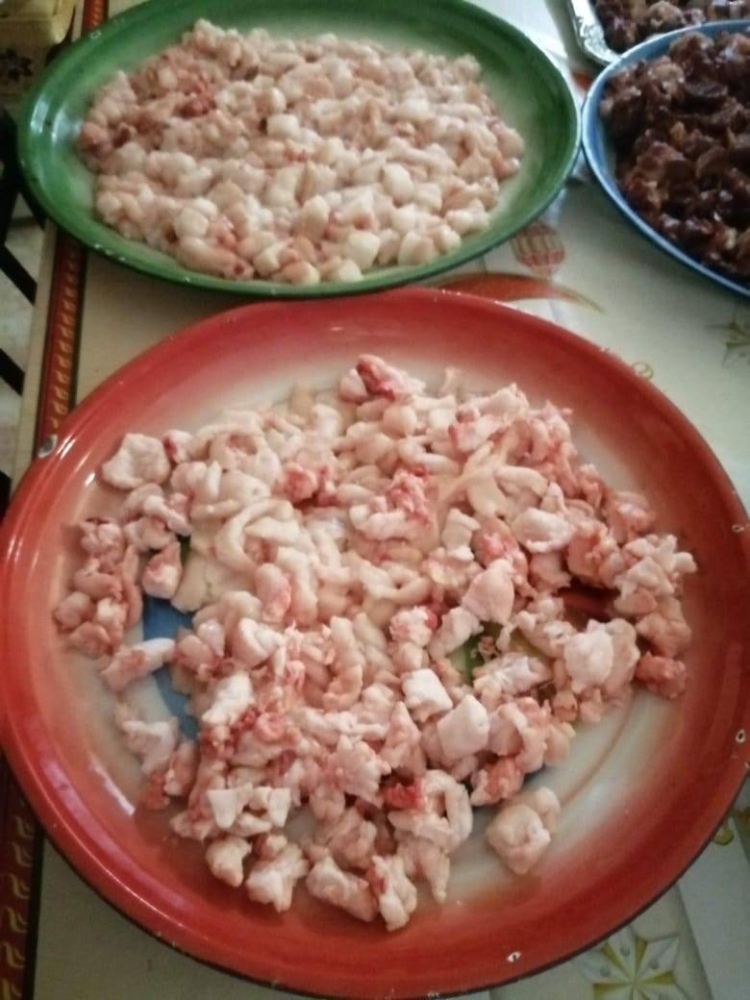
تشتهر منطقة جازان وعدد من المحافظات الجنوبية بإعداد الأكلات الشعبية لاسيما في الأعياد والمناسبات الاجتماعية، ومنها «المحشوش» خصوصاً في أيام عيد الأضحى المبارك.
طريقة الإعداد
وتستعدّ ربات البيوت في جازان لعيد الأضحى بإعداد الأكلات الشعبية وأهمها «الحميس أو المحشوش» التي تُعد الأكلة الشعبية في جازان، وتتقنها الأمهات والجدّات الكبيرات في السن، وهي عبارة عن قطع صغيرة من اللحوم الحمراء وبعض الشحوم والبهارات يتمّ تجميعها في قِدْر معدني أو حجري حتى تتم إذابة الشحم مع اللحم ووضع مزيج عليها من خليط البهارات مثل الهيل والفلفل الأسود والكمون والقرفة والكركم ويُترك على نار هادئة حتى ينضج.
أكلة قديمة
ويُعتبر الحميس أو المحشوش من الأكلات القديمة التي يستخدمها أهالي المنطقة الجنوبية، إذ كان لا يوجد ثلاجات يتم حفظ اللحم فيها، ويعمد الأهالي إلى تجهيز هذه الأكلة التي تحفظ دون تعفّن لمدة طويلة وتظل الأسرة تأكل منها لفترة قد تصل إلى 3 أشهر ومع مرور الوقت أصبحت من الأكلات الشعبية المتوارثة، ويتم حالياً حفظها في الثلاجات والأخذ منها بكميات مناسبة على رغيف الخبز المعد في التنور أو الميفا.
وصلت للخارج
وقال أمجد أحمد: إن هذه الأكلة نقلها بعض الطلاب المبتعثين في الدول الأوروبية والأمريكية وأهدوها لزملائهم من مواطني تلك البلاد فأُعجبوا بها، بل أصبحت من الأكلات المشهورة خارج المملكة.
فما إن تُذبح الأضحية إلا ويقتطع منها بعض الشحوم واللحوم التي تقطع بطريقة فريدة، وتوضع في إناء خاص يكون في الغالب مصنوعاً من الحجر، توضع فيه الشحوم التي سرعان ما تنصهر ليضاف إليها اللحم المقطع والبهارات الخاصة التي تشتمل على الكركم والهيل والفلفل الأسود وغيرها من البهارات الشعبية التي تضفي للوجبة نكهة أخاذة، ثم تترك على النار لساعات مع تقليب الخليط من اللحم والشحم والبهارات.
وتساعد تلك الطريقة في حفظ اللحم من التعفن، ويدوم «المحشوش» أشهراً عدة دون تغير في نكهته أو طعمه، وتقدم وجبة المحشوش عادة مع وجبات أخرى كالخمير وغيرها.
وعلى الرغم من التحذيرات الطبية من تلك الوجبة الدسمة إلا أنها تعد الوجبة الرئيسة التي تولد كل عيد أضحى، وتحفظ في إناء، وتستمر أشهراً عدة دون اكتراث بتلك التحذيرات الطبية التي لا تلقى قبولاً عند أغلب أهل المنطقتين.
The Jazan region and several southern governorates are famous for preparing traditional dishes, especially during holidays and social occasions, including "Al-Mahshoush," particularly during the days of Eid al-Adha.
Preparation Method
Housewives in Jazan prepare for Eid al-Adha by making traditional dishes, the most important of which is "Al-Hamis or Al-Mahshoush," which is the popular dish in Jazan. It is mastered by mothers and elderly grandmothers. It consists of small pieces of red meat, some fat, and spices that are gathered in a metal or stone pot until the fat melts with the meat. A mixture of spices such as cardamom, black pepper, cumin, cinnamon, and turmeric is added, and it is left on low heat until cooked.
An Ancient Dish
Al-Hamis or Al-Mahshoush is considered one of the ancient dishes used by the people of the southern region, as there were no refrigerators to store meat. The locals prepare this dish, which can be preserved for a long time without spoiling, allowing the family to eat from it for up to 3 months. Over time, it has become one of the inherited traditional dishes, and it is currently stored in refrigerators, taken in suitable quantities to be served with bread baked in a tandoor or a mifa.
Reaching Abroad
Amjad Ahmed stated that this dish was brought by some students studying abroad in European and American countries, who gifted it to their colleagues from those countries, and they were impressed by it. It has even become one of the famous dishes outside the Kingdom.
As soon as the sacrificial animal is slaughtered, some fat and meat are cut in a unique way and placed in a special pot, which is usually made of stone. The fat is quickly melted, and the cut meat and special spices, including turmeric, cardamom, black pepper, and other popular spices that give the dish a captivating flavor, are added. It is then left on the fire for hours while stirring the mixture of meat, fat, and spices.
This method helps preserve the meat from spoiling, and "Al-Mahshoush" lasts for several months without changing its flavor or taste. The dish is usually served alongside other meals like "Al-Khamir" and others.
Despite medical warnings about this rich dish, it remains the main meal prepared every Eid al-Adha, stored in a pot, and lasts for several months without concern for those medical warnings, which are not widely accepted by most people in the two regions.