تشهد نيوم عودة أنواع متعددة من الحيوانات المحلية إلى مواطنها الأصلية، بعد غياب استمر لعشرات السنين، ففي إطار إستراتيجيتها الطموحة لإعادة تأهيل الحياة البرية، نجحت نيوم في إعادة توطين أكثر من 1,100 حيوان تنتمي إلى ستة أنواع مختلفة ضمن محميتها الطبيعية الواسعة.
ويُعدُّ الإنجاز خطوة بارزة نحو استعادة التوازن البيئي في المنطقة، اذ خصصت نيوم 95% من أراضيها للحفاظ على الطبيعة، مؤسِسَة بذلك منظومة بيئية مستدامة، تقوم على إعادة تأهيل الموائل الطبيعية، واستعادة التنوع الحيوي، وتوظيف أحدث تقنيات الرصد البيئي لحماية هذا التراث الطبيعي الثمين.
وأوضحت نيوم أنه عندما أُعيد توطين المها العربي لأول مرة بالمحمية في ديسمبر 2022، شكّل ذلك محطة تاريخية، إذ كانت المرة الأولى التي تطأ فيها هذه الحيوانات رمال شمال غربي المملكة العربية السعودية منذ ما يقرب من 100 عام، وقد انقرض المها العربي من البرية خلال سبعينيات القرن الماضي بسبب الصيد الجائر، إلا أن جهود الحماية في المنطقة أسهمت في زيادة أعداده بشكل ملحوظ خلال السنوات الأخيرة، حيث يعيش اليوم أكثر من 208 من المها العربي في نيوم.
وأكدت أن هذا النوع من الحيوانات متكيف تماماً مع البيئة الصحراوية، إذ يعكس معطفه الأبيض أشعة الشمس، بينما يساعده نظامه التنفسي المعقد في تبريد الهواء الداخل إلى جسمه، والحفاظ على المياه من خلال إعادة تدوير الرطوبة عند الزفير.
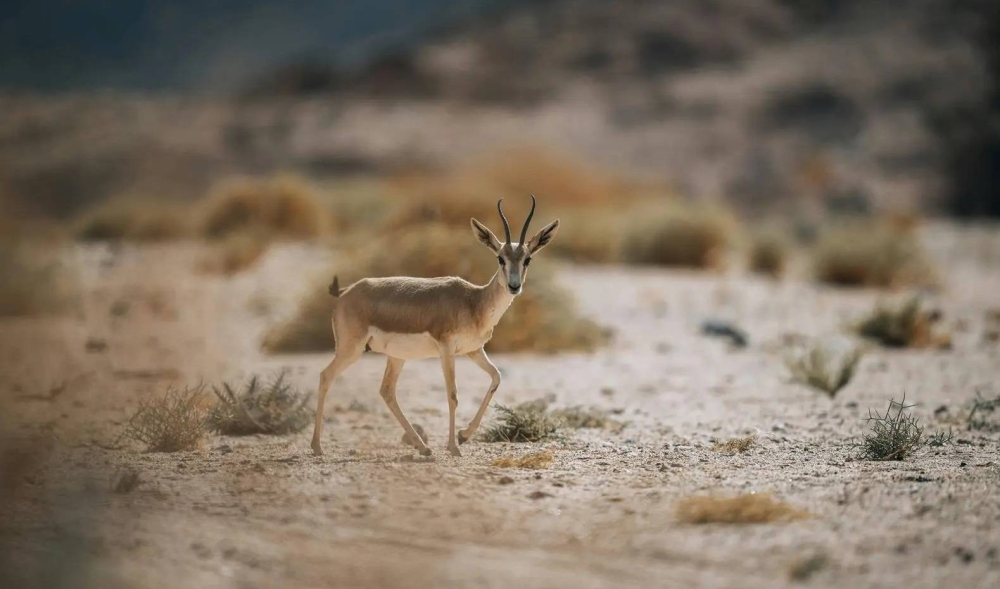
وأبانت أن المحمية تحتضن كذلك أكثر من 530 من غزلان الرمال العربية، حيث يُعدُّ غزال الرمال العربي حيواناً صغير الحجم ورشيقاً، يعيش عادة في الكثبان الرملية والمناطق الساحلية المنبسطة في شبه الجزيرة العربية، ويتميّز بسرعته الفائقة، إذ يمكنه الوصول إلى سرعة 100 كيلومتر في الساعة على فترات قصيرة، ولكونه من الحيوانات العاشبة، فإنه يستفيد من الغطاء النباتي الطبيعي الذي عاد إلى المنطقة بعد الحد من الرعي الجائر، واستمرار مبادرة نيوم لإعادة التشجير، التي تم خلالها زراعة 4,7 مليون شجرة وشجيرة وعشبة حتى الآن، كما تحتضن المحمية أيضاً 223 من غزلان الجبال العربية، وهي أغمق لوناً من غزلان الرمال العربية، ويصعب رصدها؛ لكونها تفضل العيش في سفوح الجبال والمناطق الوعرة.
إعادة توطين المها النوبي
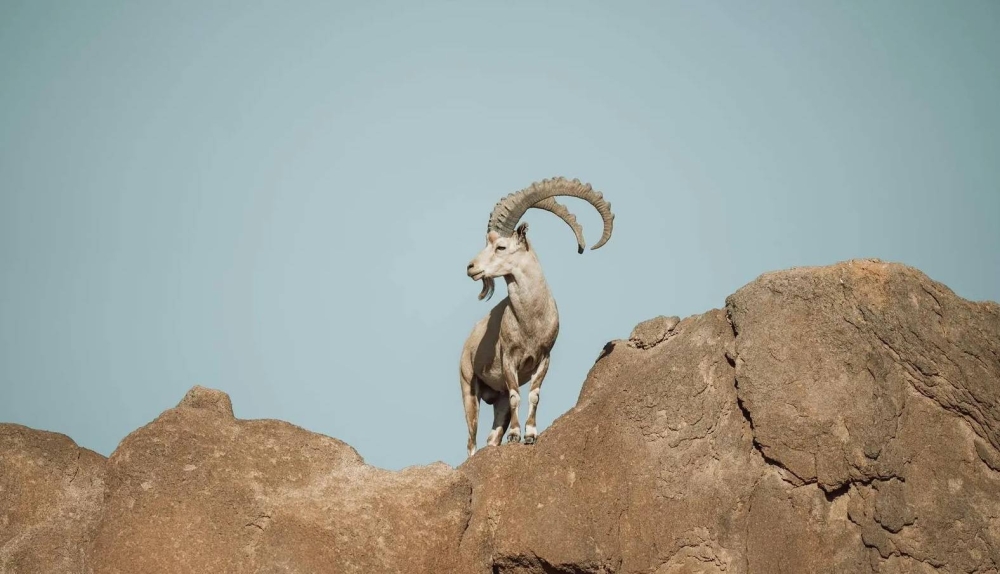
أشارت نيوم إلى أنها نجحت في إعادة توطين المها النوبي في المحمية، لتنضم إلى أعداد المها البرية التي عادت طبيعياً إلى المنطقة، والتي كثيراً ما تُرصد عبر كاميرات برنامج المراقبة الخاص بنيوم، كما تعيش المها النوبي في التضاريس الجبلية والصخرية في نيوم، وتُعرف بشكل خاص بقرونها المقوسة المميزة، حيث يتميز الذكور بقرون مقوسة إلى الخلف قد تصل إلى متر واحد، بينما تمتلك الإناث قروناً أقصر ولوناً أفتح، وتُعدُّ المها النوبي بارعة جداً في التسلق، لما تمتلكه من حوافر ذات نعل مطاطي يعمل ككؤوس شفط تساعدها على التنقل على المنحدرات الحادة وتجنب الحيوانات المفترسة مثل الذئاب.
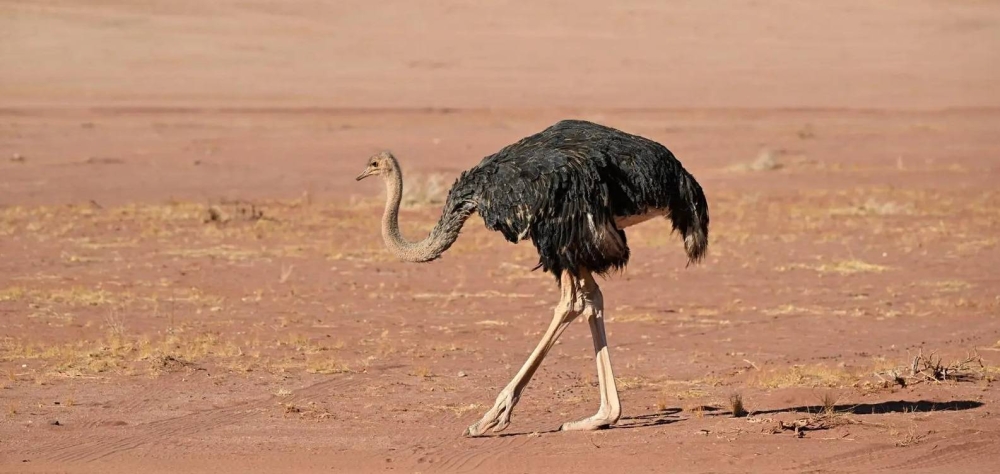
وحول إعادة توطين النعام ذي الرقبة الحمراء، بيّنت نيوم بأن هذا النوع يُعدُّ أكبر وأسرع طائر حي على وجه الأرض، ويصل طول رقبته إلى 2,7 متر، ويزن أكثر من 150 كيلوغراماً، ويعد البيض الذي تضعه إناثه الأكبر بين جميع الحيوانات الحية، حيث يصل طوله إلى 15 سنتيمتراً ووزنه إلى 1,4 كيلوغرام، وسُمي هذا النعام بذي الرقبة الحمراء لأن الذكور تتميز بلون أحمر على رقابها، خصوصاً في موسم التكاثر، حيث تُقدم عروضاً مُتقنة لجذب الإناث.
نعام الرقبة الحمراء تتكيف مع مناخ المنطقة
تتكيف 27 من فراخ النعام ذي الرقبة الحمراء جيداً مع مناخ المنطقة، حيث تتم تربيتها بنجاح في محمية نيوم الطبيعية، وتتغذى على البذور والعشب والأوراق وأحياناً الحشرات أو الحيوانات الصغيرة، وتسمح لها أرجلها القوية بالركض بسرعة تصل إلى 70 كيلومتراً في الساعة، وعلى الرغم من حجمها الكبير، إلا أنها لا تستطيع الطيران.
وإلى جانب ذلك أكدت نيوم أنها نجحت في إعادة توطين «الصقر الوكري»، الذي شوهد آخر مرة في صحراء المملكة قبل أكثر من أربعة عقود، وقد شكل إعادة توطينه في المحمية مناسبة مهمة، إذ يشتهر الوكري بسرعته ومهارته العالية، وتمكنه من الانقضاض على فريسته بسرعة تزيد عن 320 كيلومتراً في الساعة، ويتميز بمظهر ملفت، مع علامات داكنة على صدره وبطنه، وعلامة شارب سوداء مميزة على وجهه الأبيض.
وتأتي عملية إعادة توطين الصقور الوكرية في منطقة بَجّدَة ضمن محمية نيوم في إطار شراكة بين نيوم، ونادي الصقور السعودي؛ وتهدف إلى دعم استعادة أنواع الصقور الأصلية داخل المملكة.
خصصت 95% من أراضيها للحفاظ على الطبيعة وإعادة تأهيل الموائل الطبيعية
محمية «نيوم» تعيد توطين 1100 من الحيوانات في بيئاتها الأصلية
3 يونيو 2025 - 15:00
|
آخر تحديث 3 يونيو 2025 - 15:00



تابع قناة عكاظ على الواتساب
«عكاظ» (نيوم)
Neom is witnessing the return of multiple species of local animals to their original habitats after an absence of several decades. As part of its ambitious strategy to rehabilitate wildlife, Neom has successfully reintroduced over 1,100 animals belonging to six different species within its vast nature reserve.
This achievement is a significant step towards restoring ecological balance in the region, as Neom has dedicated 95% of its land to nature conservation, thus establishing a sustainable ecosystem based on the rehabilitation of natural habitats, the restoration of biodiversity, and the employment of the latest environmental monitoring technologies to protect this precious natural heritage.
Neom explained that when the Arabian Oryx was reintroduced to the reserve for the first time in December 2022, it marked a historic milestone, as it was the first time these animals had set foot on the sands of northwestern Saudi Arabia in nearly 100 years. The Arabian Oryx became extinct in the wild during the 1970s due to overhunting; however, conservation efforts in the region have significantly increased their numbers in recent years, with more than 208 Arabian Oryx now living in Neom.
It confirmed that this species is perfectly adapted to the desert environment, as its white coat reflects sunlight, while its complex respiratory system helps cool the air entering its body and conserve water by recycling moisture during exhalation.
Additionally, the reserve is home to more than 530 Arabian Sand Gazelles, which are small and agile animals that typically live in sandy dunes and flat coastal areas of the Arabian Peninsula. They are known for their incredible speed, capable of reaching up to 100 kilometers per hour in short bursts. As herbivores, they benefit from the natural vegetation that has returned to the area following the reduction of overgrazing and Neom's ongoing reforestation initiative, during which 4.7 million trees, shrubs, and grasses have been planted to date. The reserve also hosts 223 Arabian Mountain Gazelles, which are darker in color than the Arabian Sand Gazelles and are harder to spot, as they prefer to live in mountainous and rugged areas.
Reintroduction of the Nubian Oryx
Neom indicated that it has successfully reintroduced the Nubian Oryx into the reserve, joining the numbers of wild Oryx that have naturally returned to the area, which are frequently monitored through Neom's special surveillance cameras. The Nubian Oryx lives in the mountainous and rocky terrains of Neom and is particularly known for its distinctive curved horns, with males having backward-curving horns that can reach up to one meter, while females have shorter horns and lighter coloration. The Nubian Oryx is very adept at climbing, thanks to its hooves with rubber-like soles that act as suction cups, helping it navigate steep slopes and avoid predators like wolves.
Regarding the reintroduction of the Red-necked Ostrich, Neom stated that this species is the largest and fastest living bird on Earth, with a neck length of up to 2.7 meters and a weight exceeding 150 kilograms. The eggs laid by females are the largest among all living animals, measuring up to 15 centimeters in length and weighing 1.4 kilograms. This ostrich is called the Red-necked Ostrich because males are characterized by a red color on their necks, especially during the breeding season, when they perform elaborate displays to attract females.
Red-necked ostriches adapt well to the region's climate
27 Red-necked Ostrich chicks are adapting well to the region's climate, as they are successfully raised in the Neom nature reserve, feeding on seeds, grass, leaves, and sometimes insects or small animals. Their strong legs allow them to run at speeds of up to 70 kilometers per hour, and despite their large size, they cannot fly.
In addition, Neom confirmed that it has successfully reintroduced the "Lanner Falcon," which was last seen in the deserts of the Kingdom over four decades ago. The reintroduction of this bird to the reserve was an important occasion, as the Lanner Falcon is known for its speed and high skill, capable of swooping down on its prey at speeds exceeding 320 kilometers per hour. It features a striking appearance, with dark markings on its chest and belly, and a distinctive black mustache mark on its white face.
The reintroduction of Lanner Falcons in the Bajjid area within the Neom reserve is part of a partnership between Neom and the Saudi Falcons Club, aimed at supporting the restoration of native falcon species within the Kingdom.
This achievement is a significant step towards restoring ecological balance in the region, as Neom has dedicated 95% of its land to nature conservation, thus establishing a sustainable ecosystem based on the rehabilitation of natural habitats, the restoration of biodiversity, and the employment of the latest environmental monitoring technologies to protect this precious natural heritage.
Neom explained that when the Arabian Oryx was reintroduced to the reserve for the first time in December 2022, it marked a historic milestone, as it was the first time these animals had set foot on the sands of northwestern Saudi Arabia in nearly 100 years. The Arabian Oryx became extinct in the wild during the 1970s due to overhunting; however, conservation efforts in the region have significantly increased their numbers in recent years, with more than 208 Arabian Oryx now living in Neom.
It confirmed that this species is perfectly adapted to the desert environment, as its white coat reflects sunlight, while its complex respiratory system helps cool the air entering its body and conserve water by recycling moisture during exhalation.
Additionally, the reserve is home to more than 530 Arabian Sand Gazelles, which are small and agile animals that typically live in sandy dunes and flat coastal areas of the Arabian Peninsula. They are known for their incredible speed, capable of reaching up to 100 kilometers per hour in short bursts. As herbivores, they benefit from the natural vegetation that has returned to the area following the reduction of overgrazing and Neom's ongoing reforestation initiative, during which 4.7 million trees, shrubs, and grasses have been planted to date. The reserve also hosts 223 Arabian Mountain Gazelles, which are darker in color than the Arabian Sand Gazelles and are harder to spot, as they prefer to live in mountainous and rugged areas.
Reintroduction of the Nubian Oryx
Neom indicated that it has successfully reintroduced the Nubian Oryx into the reserve, joining the numbers of wild Oryx that have naturally returned to the area, which are frequently monitored through Neom's special surveillance cameras. The Nubian Oryx lives in the mountainous and rocky terrains of Neom and is particularly known for its distinctive curved horns, with males having backward-curving horns that can reach up to one meter, while females have shorter horns and lighter coloration. The Nubian Oryx is very adept at climbing, thanks to its hooves with rubber-like soles that act as suction cups, helping it navigate steep slopes and avoid predators like wolves.
Regarding the reintroduction of the Red-necked Ostrich, Neom stated that this species is the largest and fastest living bird on Earth, with a neck length of up to 2.7 meters and a weight exceeding 150 kilograms. The eggs laid by females are the largest among all living animals, measuring up to 15 centimeters in length and weighing 1.4 kilograms. This ostrich is called the Red-necked Ostrich because males are characterized by a red color on their necks, especially during the breeding season, when they perform elaborate displays to attract females.
Red-necked ostriches adapt well to the region's climate
27 Red-necked Ostrich chicks are adapting well to the region's climate, as they are successfully raised in the Neom nature reserve, feeding on seeds, grass, leaves, and sometimes insects or small animals. Their strong legs allow them to run at speeds of up to 70 kilometers per hour, and despite their large size, they cannot fly.
In addition, Neom confirmed that it has successfully reintroduced the "Lanner Falcon," which was last seen in the deserts of the Kingdom over four decades ago. The reintroduction of this bird to the reserve was an important occasion, as the Lanner Falcon is known for its speed and high skill, capable of swooping down on its prey at speeds exceeding 320 kilometers per hour. It features a striking appearance, with dark markings on its chest and belly, and a distinctive black mustache mark on its white face.
The reintroduction of Lanner Falcons in the Bajjid area within the Neom reserve is part of a partnership between Neom and the Saudi Falcons Club, aimed at supporting the restoration of native falcon species within the Kingdom.