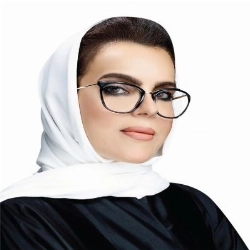
حذّرت الهيئة العامة للأوقاف، من خلط أموال الوقف بأموال الناظر أو غيره، مؤكدة ضرورة الالتزام بالضوابط المالية التي تكفل الحوكمة والشفافية في إدارة الأوقاف، وألزمت الهيئة الناظر بعدد من الضوابط الجوهرية في الإدارة المالية، أبرزها: فتح حساب بنكي مستقل باسم الوقف، وعدم خلط أمواله بأي أموال شخصية أو خارجية، وإعداد موازنة تقديرية شاملة لكافة أنشطة الوقف في الأوقاف الكبيرة والمتوسطة، إلى جانب جمع بيانات دقيقة عن المستفيدين الحقيقيين من عوائد الوقف.
ودعت الهيئة، جميع النظار إلى المبادرة بإعداد وإيداع القوائم المالية إلكترونياً عبر موقع الهيئة؛ التزاماً بالأنظمة، وتجنباً لأي مخالفات قد تترتب على الإهمال أو التأخر. وأوضحت الهيئة، تصنيف الأوقاف بحسب نوع القوائم المالية المطلوبة: الأوقاف الصغيرة، وتتطلب بياناً مالياً سنوياً يشمل الإيرادات والمصروفات. الأوقاف الكبيرة أو المتوسطة، ويُلزم الناظر بتقديم قوائم مالية مدققة ومعتمدة من محاسبين مرخصين. الأوقاف ذات الانتفاع المباشر، ولا يُطلب منها تقديم بيان مالي سنوي إلا في حال وجود إيرادات أو مصاريف فعلية.
منع خلط أموال الوقف بأموال الناظر
3 يونيو 2025 - 04:25
|
آخر تحديث 3 يونيو 2025 - 04:25

الهيئة العامة للأوقاف.


تابع قناة عكاظ على الواتساب
متعب العواد (حائل) Motabalawwd@
The General Authority for Endowments has warned against mixing endowment funds with the funds of the overseer or others, emphasizing the necessity of adhering to financial regulations that ensure governance and transparency in the management of endowments. The authority has obligated the overseer to follow several essential regulations in financial management, the most prominent of which are: opening a separate bank account in the name of the endowment, not mixing its funds with any personal or external funds, and preparing a comprehensive estimated budget for all endowment activities in large and medium endowments, in addition to collecting accurate data about the actual beneficiaries of the endowment's returns.
The authority called on all overseers to take the initiative to prepare and electronically submit financial statements via the authority's website; in compliance with regulations and to avoid any violations that may arise from negligence or delays. The authority clarified the classification of endowments according to the type of financial statements required: small endowments, which require an annual financial statement that includes revenues and expenses; large or medium endowments, which require the overseer to submit audited financial statements approved by licensed accountants; and endowments with direct benefits, which are not required to submit an annual financial statement unless there are actual revenues or expenses.
The authority called on all overseers to take the initiative to prepare and electronically submit financial statements via the authority's website; in compliance with regulations and to avoid any violations that may arise from negligence or delays. The authority clarified the classification of endowments according to the type of financial statements required: small endowments, which require an annual financial statement that includes revenues and expenses; large or medium endowments, which require the overseer to submit audited financial statements approved by licensed accountants; and endowments with direct benefits, which are not required to submit an annual financial statement unless there are actual revenues or expenses.