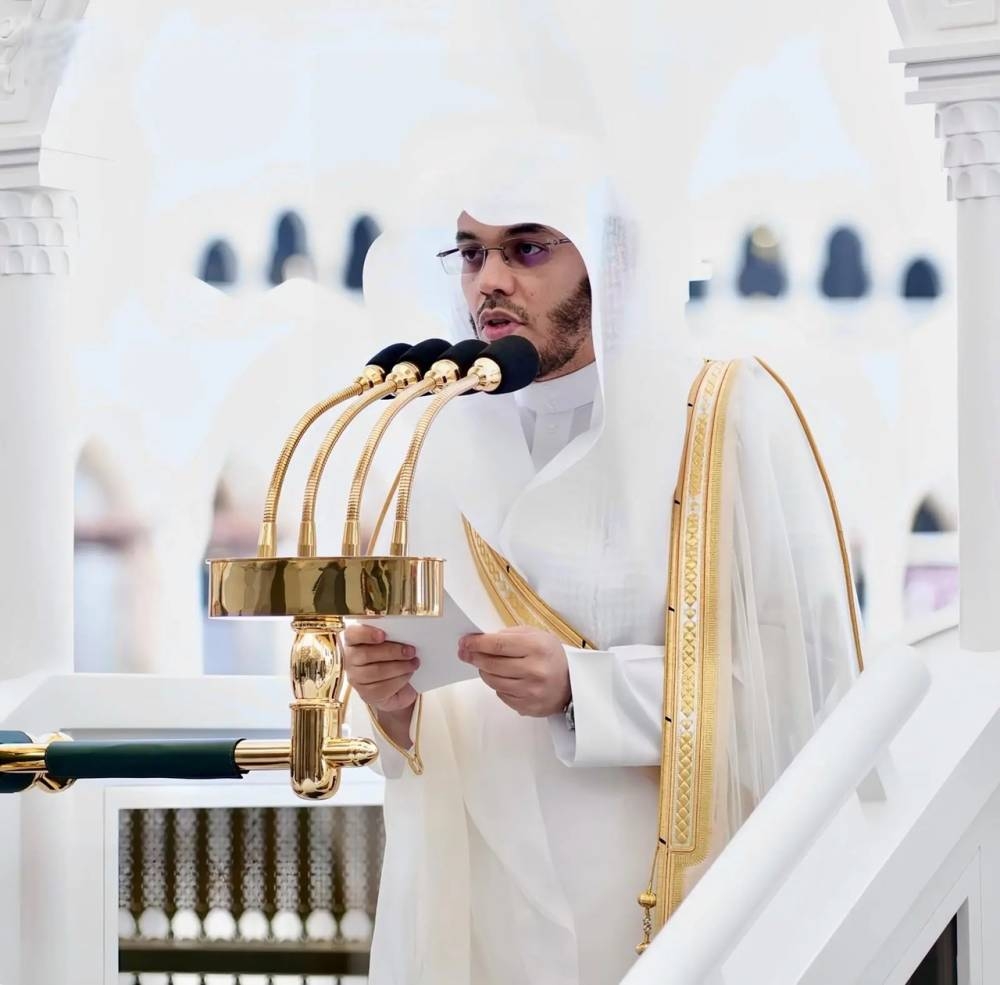
أوصى إمام وخطيب المسجد الحرام الشيخ الدكتور ياسر الدوسري المسلمين بتقوى الله عز وجل، فهي الزيادة المأمولة، ومفتاح القبول، وطريق الوصول، وبها تعمّ البركات، وتدفع الآفات، وتستجيب الدعوات.
وقال فضيلته في خطبة الجمعة التي ألقاها اليوم بالمسجد الحرام: «إن الدعاء سلوة المناجين، وأمان الخائفين، وملاذ المضطرين، فهو حبل ممدود بين الأرض والسماء، وهو المغنم بلا عناء، وأعجز الناس من عَجز عن الدعاء، كما أخبر بذلك خاتم الأنبياء عليه الصلاة والسلام».
وأكد الدكتور ياسر أن الدعاء من أعظم أسباب التوفيق والنجاح، فيه تنزل الرحمات، وتهب الخيرات، وبه ترفع المصائب والعقوبات، وتدفع النوائب والكُربات، فكم من نعمة به مُنحت، وكم من نعمة به رُفعت، وكم من خطيئة به غُفرت، فما جلبت النعم ولا استدفعت النقم بمثل الدعاء، فنوح عليه السلام دعا من أعرضوا عن دعوته، وأصروا واستكبروا استكبارًا.
وبيّن فضيلته أن للدعاء آدابًا مرعية يحسن التزامها، وله موانع شرعية ينبغي اجتنابها، تأدبًا من العبد مع ربه، وتقربًا لإجابة دعائه وطلبه، أولها: إخلاص الدعاء لله تعالى، فالدعاء هو العبادة، والعبادة لا تُصرف إلا لله وحده، وثانيها: متابعة سنة النبي -صلى اللهُ عليهِ وسلَّم-، فَمِنْ هديه صلَّى اللهُ عليهِ وسلَّم في الدعاء أَنَّهُ كان يبدأ بالثناء على الله بأسمائه الحسنى وصفاته العليا، امتثالًا لقوله تعالى: (وَلِلهِ الْأَسْمَاءُ الْحُسْنَى فَادْعُوهُ بِهَا)، ثمَّ يشفع ذلك بالصلاة على رسولِ اللهِ -صلَّى اللهُ عليهِ وسلَّمَ-، ويدعو بجوامع الكَلِمِ.
ونوه فضيلته إلى أن موانع إجابة الدعاء: أكل الحرام، وأن يدعو العبد وقلبه غافل، وليحذر المرء من الاعتداء في الدعاء كأن يدعو بإثم أو قطيعة رحم، فعَنْ أَبِي هُرَيْرَةَ رضي الله عنه قالَ: قالَ رسولُ اللَّهِ صَلَّى اللهُ عَلَيْهِ وَسَلَّمَ: «لَا يَزَالُ يُسْتَجَابُ لِلْعَبْدِ مَا لَمْ يَدْعُ بِإِثْمِ أَوْ قَطِيعَةِ رَحِمٍ»، رواه مسلم.
وحث الشيخ الدوسري على الدعاء لمن تكالبت عليه الهموم والغموم، وضاقت عليه الأرضُ بما رحبت، وأرهقته الأمراض وأغرقته الديون، وأثقلته المعاصي والذنوب فعند الله الفرج، ولا يهلك مع الدعاء أحد، ولا يخيب مَن الله رجا وقصد.
وأشار إمام وخطيب المسجد الحرام إلى أن: أيام الحج من أعظم مواسم الطاعات، وأرجى أوقات إجابة الدعوات، فاغتنموها برفع الأكف وسكب العبرات، رجاء القبول وقضاء الحاجات، وغفران الذنوب وتكفير السيئات، ومن نوى الحج وقصد البيت الحرام، فليأتِ البيوت من أبوابها، وليؤد الفريضة على وجهها، وليتأدب بآداب الشريعة، وليلتزم بأنظمة هذه الدولة الرشيدة، ومن ذلك ما أكدت عليه الجهات المعنية من اشتراط الحصول على تصريح الحج مراعاة للمصالح الشرعية، فالحج عبادة جليلة، مبناها على التيسير ورفع الحرج، وقد جاءَتِ الشريعة بجلب المصالح وتكثيرها، ودرء المفاسد وتقليلها، ولا يتم ذلك بالفوضى، ولا بمخالفة ولاة الأمر، فعَنْ أَبِي هُرَيْرَةَ رضي الله عنه، أن النَّبِيَّ صَلَّى اللهُ عَلَيْهِ وَسَلَّمَ قَالَ: «مَنْ أَطَاعَنِي فَقَدْ أَطَاعَ اللَّهَ، وَمَنْ يَعْصِنِي فَقَدْ عَصَى اللَّهَ، وَمَنْ يُطِعِ الْأَمِيرَ فَقَدْ أَطَاعَنِي، وَمَنْ يَعْصِ الْأَمِيرَ فَقَدْ عَصَانِي».
كما أوصى إمام وخطيب المسجد النبوي بالمدينة المنورة فضيلة الشيخ الدكتور خالد المهنا المسلمين في خطبته بتقوى الله ومراقبته، فهي منبع الفضائل، ومجمع الشمائل، وأمنع المعاقل، ومن تمسك بأسبابها نجا.
وقال فضيلته في خطبة الجمعة اليوم من المسجد النبوي: «إن العبد الموفق المنوَّر الطريق، لمن سار إلى ربه سيرًا مستقيمًا غير ذي عوج، مقتربًا من مولاه الجليل، لا ناكبًا عن الصراط، ولا ضالًا عن سواء السبيل، يدنو من ربه بأعماله الصالحة الخالصة، على نور من ربه، محبًا له كمال الحب، معظِّمًا غاية التعظيم والإجلال، متذلِّلًا لمولاه تمام الذل، مفتقرًا إليه الافتقار كله، راجيًا ثوابه، خائفًا من عقابه، متحققًا بصفات من أمر الله بالاقتداء بهم من النبيين والمرسلين، وخيار عباد الله الصالحين الذين قال فيهم سبحانه: (أُوْلَٰئِكَ ٱلَّذِينَ يَدْعُونَ يَبْتَغُونَ إِلَىٰ رَبِّهِمُ ٱلْوَسِيلَةَ أَيُّهُمْ أَقْرَبُ وَيَرْجُونَ رَحْمَتَهُۥ وَيَخَافُونَ عَذَابَهُۥٓ ۚ إِنَّ عَذَابَ رَبِّكَ كَانَ مَحْذُورًا)».
وأشار فضيلته إلى أن أعظم ما يُدني العبد من ربه، ويُقرِّبه إلى مولاه، أداءُ فرائضه التي افترضها عليه، كما دل على ذلك قوله جل جلاله في الحديث الإلهي: (وما تقرَّب إليَّ عبدي بشيء أحب إليَّ مما افترضتُه عليه)، ولا شيء أحب إليه سبحانه من توحيده في عبادته، وإخلاص الدين له، وهو أعظم فرائض الله على عباده، ولا شيء أبغض إليه من الشرك به، وهو أعظم ما نهى سبحانه عنه.
وبيَّن أن أجَلَّ فرائض الإسلام، وأولاها بالاهتمام، مؤكدًا أن ما يقرب إلى الملك القدوس السلام، فريضة الصلاة، قال الله تعالى لنبيه: (كَلَّا لَا تُطِعْهُ وَٱسْجُدْ وَٱقْتَرِب)، وقال عليه الصلاة والسلام: (أقرب ما يكون العبد من ربه وهو ساجد، فأكثروا الدعاء).
وإنما كان ذلك لأن سجود العبد في صلاته نهاية العبودية والذل، ولله غاية العزة، وله العزة التي لا مقدار لها، فكلما بعدت من صفته، قربت من جنته، ودنوت من جواره في داره.
ومضى فضيلته قائلًا: لا يزال العبد المحب لربه يتقرب إليه بعد فرائض الدين بالنوافل، ويتبع الواجبات بالمستحبات والفضائل، حتى يحبه ربه، ومن أحبه الله كان له وليًّا ونصيرًا، فعصم سمعه وبصره عن المحرمات، ووقى يده عن العدوان، ورجله عن المشي إلى مساخط الله، فلم يمشِ بها إلا إلى مراضي ربه ومولاه، فتزكت بذلك نفسه، وطهر قلبه، فكان قريبًا من رب الأرض والسماوات، مجاب الدعوات، كما دل على ذلك قوله سبحانه في الحديث الرباني: (ولا يزال عبدي يتقرب إلي بالنوافل حتى أحبَّه، فإذا أحببتُه كنت سمعه الذي يسمع به، وبصره الذي يُبصر به، ويده التي يبطش بها، ورجله التي يمشي بها، ولئن سألني لأعطينه، ولئن استعاذني لأعيذنَّه).
وأشار إمام وخطيب المسجد النبوي إلى أنه تقرّب إلى الله خيارُ عبادهِ، وتوسلوا إليه بأعمالهم الصالحة، وأوفوا بعهدهم الذي عاهدوا، فقربهم سبحانه غاية القرب، حتى بلغ أعلى منازل القرب منهم عبداه محمدًا وإبراهيم عليهما الصلاة والسلام، فاتخذ كلًا منهما خليلًا، كما قال عليه الصلاة والسلام: (لو كنتُ متخذًا من أمتي خليلًا لاتخذت أبا بكر، ولكن صاحبكم خليل الله)، وجعل منزلة روحيهما في البرزخ في أعلى المنازل، ودرجتهما في الجنة أعلى الدرجات، ثم بعدهما في القرب موسى الكليم عليه من الله أفضل الصلاة والتسليم، ثم عيسى، ثم نوح، ثم سائر الرسل والأنبياء عليهم السلام، ثم أبو بكر، ثم عمر، ثم عثمان، وعلي، ثم أصحاب رسول الله صلى الله عليه وسلم ورضي عنهم، بحسب سبقهم إلى الإيمان، وهجرتهم، وجهادهم مع رسول الله، ثم أصحاب الأنبياء عليهم السلام، ثم خيار هذه الأمة من التابعين وتابعيهم، وأئمة الهدى من هذه الأمة من العلماء والأولياء.
وختم إمام وخطيب المسجد النبوي خطبته مبينًا أنه من فضل الله على عباده وتيسيره عليهم وإكرامه لهم، أنه لم يشرع لعباده أن يجعلوا بينهم وبينه وسائط من الخلق يرفعون إليه حوائجهم، ويتوسلون بهم إلى ربهم، ويسألونهم أن يُدنوهم من مولاهم، وإنما فتح للعبيد أبواب فضله ورحمته، ليتقربوا إليه بأعمالهم الصالحة، وليدنوا منه بمناجاتهم إياه، لا يُناجون أحدًا سواه، ولا يدعون غيره، ولا يطلبون من غيره القرب إليه سبحانه، بل إياه يدعون فيعطيهم، وإليه يزدلفون فيُدنيهم.
The Imam and preacher of the Grand Mosque, Sheikh Dr. Yasser Al-Dosari, advised Muslims to fear Allah Almighty, as it is the hoped-for increase, the key to acceptance, and the path to attainment. Through it, blessings abound, calamities are repelled, and supplications are answered.
He stated in the Friday sermon delivered today at the Grand Mosque: "Supplication is the solace of those who converse with Allah, the security of the fearful, and the refuge of the distressed. It is a rope extended between the earth and the heavens, a gain without hardship, and the most incapable person is the one who is unable to supplicate, as the Seal of the Prophets, peace be upon him, informed us."
Dr. Yasser emphasized that supplication is one of the greatest means of success and achievement, as it brings down mercies, bestows blessings, lifts calamities and punishments, and wards off misfortunes and hardships. How many blessings have been granted through it, how many blessings have been raised through it, and how many sins have been forgiven through it! No blessing has been brought forth, nor has any affliction been repelled, like supplication. Noah, peace be upon him, called upon those who turned away from his invitation, who insisted and acted arrogantly.
He clarified that there are proper etiquettes for supplication that should be adhered to, and there are legal prohibitions that should be avoided, as a form of etiquette from the servant towards his Lord, and as a means to draw closer to the acceptance of his supplication and request. The first is to sincerely supplicate to Allah Almighty, for supplication is worship, and worship is not directed to anyone but Allah alone. The second is to follow the Sunnah of the Prophet, peace be upon him. Among his guidance in supplication was that he would begin by praising Allah with His beautiful names and lofty attributes, in compliance with His saying: (And to Allah belong the best names, so invoke Him by them). He would then follow that with sending blessings upon the Messenger of Allah, peace be upon him, and supplicate with comprehensive phrases.
He pointed out that the prohibitions for the acceptance of supplication include consuming what is unlawful, and that a servant should not supplicate while his heart is heedless. One should beware of transgressing in supplication, such as asking for sin or severing ties of kinship. Abu Huraira, may Allah be pleased with him, reported that the Messenger of Allah, peace be upon him, said: "The supplication of a servant is always answered as long as he does not supplicate for sin or for severing ties of kinship," narrated by Muslim.
Sheikh Al-Dosari urged supplication for those overwhelmed by worries and sorrows, whose land has become constricted despite its vastness, who are burdened by illnesses and drowning in debts, and who are weighed down by sins and transgressions. For with Allah is relief, and no one perishes with supplication, nor is anyone disappointed who hopes for Allah and aims for Him.
The Imam and preacher of the Grand Mosque pointed out that the days of Hajj are among the greatest seasons of obedience and the most hopeful times for answered supplications. Therefore, take advantage of them by raising your hands and shedding tears, hoping for acceptance, fulfilling needs, forgiveness of sins, and expiation of misdeeds. Whoever intends to perform Hajj and aims for the Sacred House should enter through its doors, fulfill the obligation properly, adhere to the etiquettes of the Sharia, and comply with the regulations of this righteous state. Among these is the requirement emphasized by the relevant authorities to obtain a Hajj permit, considering the legal interests. Hajj is a noble act of worship, based on ease and alleviation of hardship. The Sharia has come to bring about and increase benefits, and to avert and minimize harms. This cannot be achieved through chaos or by disobeying those in authority. Abu Huraira, may Allah be pleased with him, reported that the Prophet, peace be upon him, said: "Whoever obeys me has obeyed Allah, and whoever disobeys me has disobeyed Allah. Whoever obeys the leader has obeyed me, and whoever disobeys the leader has disobeyed me."
Similarly, the Imam and preacher of the Prophet's Mosque in Medina, Sheikh Dr. Khalid Al-Muhanna, advised Muslims in his sermon to fear Allah and be mindful of Him, for it is the source of virtues, the gathering of good qualities, and the strongest fortress. Whoever clings to its means will be saved.
He stated in the Friday sermon today from the Prophet's Mosque: "The successful servant is the one whose path is illuminated, who walks towards his Lord in a straight manner without deviation, drawing closer to his Majestic Lord, neither straying from the path nor being lost from the straight way. He approaches his Lord with sincere good deeds, illuminated by the light of his Lord, loving Him with the utmost love, glorifying Him with the greatest veneration and respect, humbling himself completely before his Lord, being entirely dependent on Him, hoping for His reward, fearing His punishment, embodying the attributes of those whom Allah commanded to follow, namely the Prophets and Messengers, and the best of His righteous servants, of whom He said: (Those are the ones who invoke [Allah], seeking a means of access to their Lord, [hoping] that some of them will be nearer [to Him] and fearing His punishment. Indeed, the punishment of your Lord is to be feared)."
He pointed out that the greatest thing that brings a servant closer to his Lord and draws him nearer to his Master is the performance of the obligatory acts that Allah has prescribed for him, as indicated by His saying in the divine hadith: (And my servant does not draw near to Me with anything more beloved to Me than what I have made obligatory upon him). Nothing is more beloved to Him than His oneness in worship and the sincerity of the religion to Him, which is the greatest obligation of Allah upon His servants. Nothing is more hated by Him than associating partners with Him, which is the gravest prohibition He has commanded against.
He clarified that the most important obligations of Islam, and the one most deserving of attention, is the obligation of prayer. Allah, the Exalted, said to His Prophet: (No! Do not obey him. Prostrate and draw near [to Me]). The Prophet, peace be upon him, said: (The closest a servant is to his Lord is when he is in prostration, so increase your supplication).
This is because the servant's prostration in his prayer is the ultimate expression of servitude and humility, while Allah possesses ultimate glory and honor. The further you distance yourself from His attributes, the closer you come to His paradise and draw near to His proximity in His abode.
He continued: The loving servant of his Lord continues to draw near to Him after fulfilling the obligatory acts with voluntary ones, following the obligatory with recommended acts and virtues, until Allah loves him. Whoever Allah loves becomes His ally and supporter, protecting his hearing and sight from prohibitions, shielding his hands from aggression, and his feet from walking towards the displeasure of Allah. He walks only towards what pleases his Lord and Master, thus purifying his soul and cleansing his heart, becoming close to the Lord of the heavens and the earth, his supplications answered, as indicated by His saying in the divine hadith: (My servant continues to draw near to Me with voluntary acts until I love him. When I love him, I become his hearing with which he hears, his sight with which he sees, his hand with which he strikes, and his foot with which he walks. If he asks Me, I will give him, and if he seeks refuge in Me, I will grant him refuge).
The Imam and preacher of the Prophet's Mosque indicated that the best of Allah's servants draw near to Him and intercede with their good deeds, fulfilling their covenant with Him. Thus, He brings them close to Him, to the highest ranks of closeness, reaching the status of His two servants, Muhammad and Ibrahim, peace be upon them. Each was taken as a close friend, as the Prophet, peace be upon him, said: (If I were to take a friend from my Ummah, I would have taken Abu Bakr, but your companion is the friend of Allah). He made the rank of their souls in the Barzakh the highest of ranks and their degrees in paradise the highest degrees. After them, in closeness, is Musa, the one who spoke to Allah, upon him be the best prayers and peace, then Isa, then Nuh, then the rest of the Messengers and Prophets, peace be upon them, then Abu Bakr, then Umar, then Uthman, and Ali, then the companions of the Messenger of Allah, peace be upon him, may Allah be pleased with them, according to their precedence in faith, their migration, and their struggle alongside the Messenger of Allah, then the companions of the Prophets, peace be upon them, and then the best of this Ummah from the followers and their successors, and the Imams of guidance from this Ummah, the scholars and the saints.
He concluded his sermon by stating that it is from Allah's grace upon His servants, His facilitation for them, and His honor to them, that He did not prescribe for His servants to take intermediaries among His creation to raise their needs to Him, to intercede with them to their Lord, or to ask them to bring them closer to their Master. Rather, He opened the doors of His grace and mercy for the servants to draw near to Him with their good deeds and to approach Him with their supplications, not conversing with anyone else, nor invoking anyone else, nor seeking closeness to anyone else but Him. Rather, they call upon Him, and He gives them, and they draw near to Him, and He brings them closer.