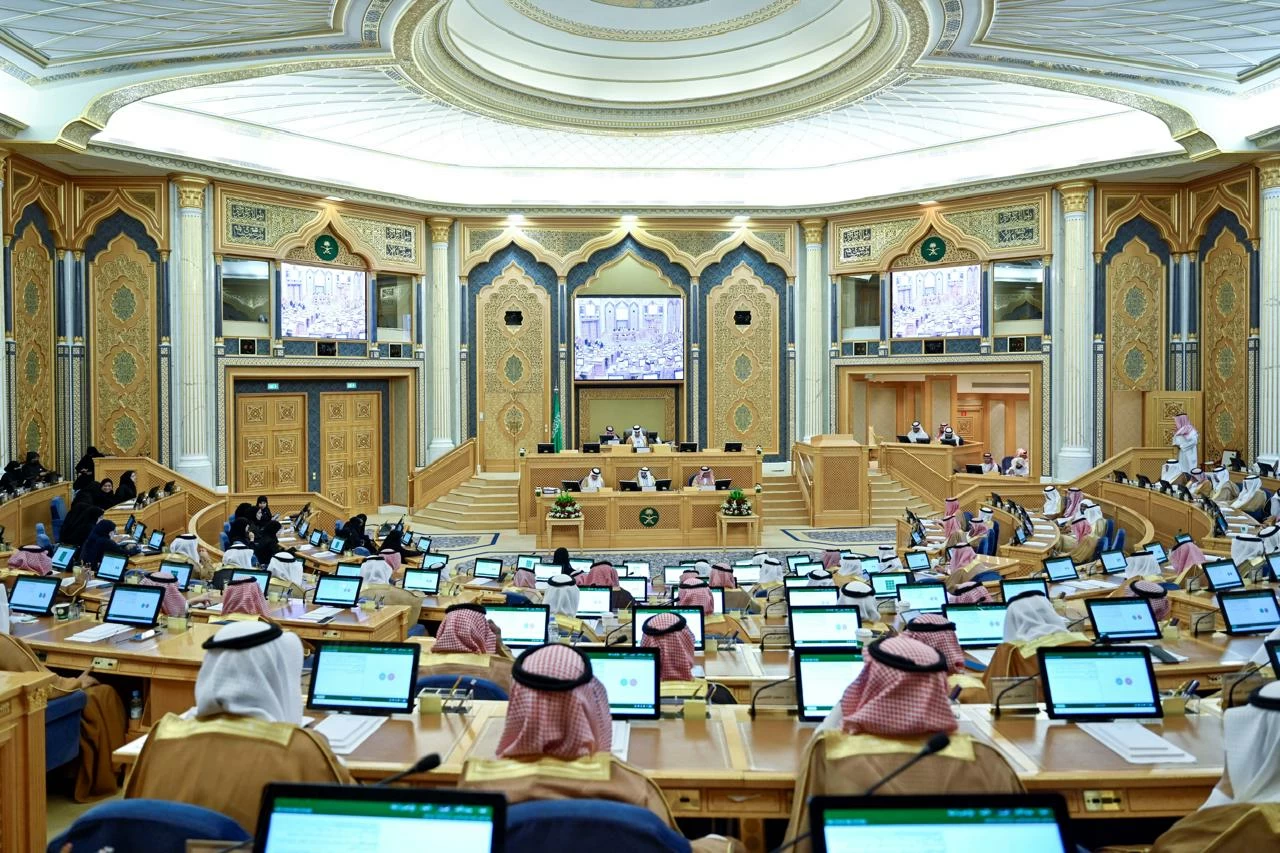
اختتم مجلس الشورى اليوم عامه الشوري الثاني، من الدورة التاسعة، وأعاد تشكيل لجانه استعداداً للعام الشوري الثالث الذي يبدأ في سبتمبر القادم.
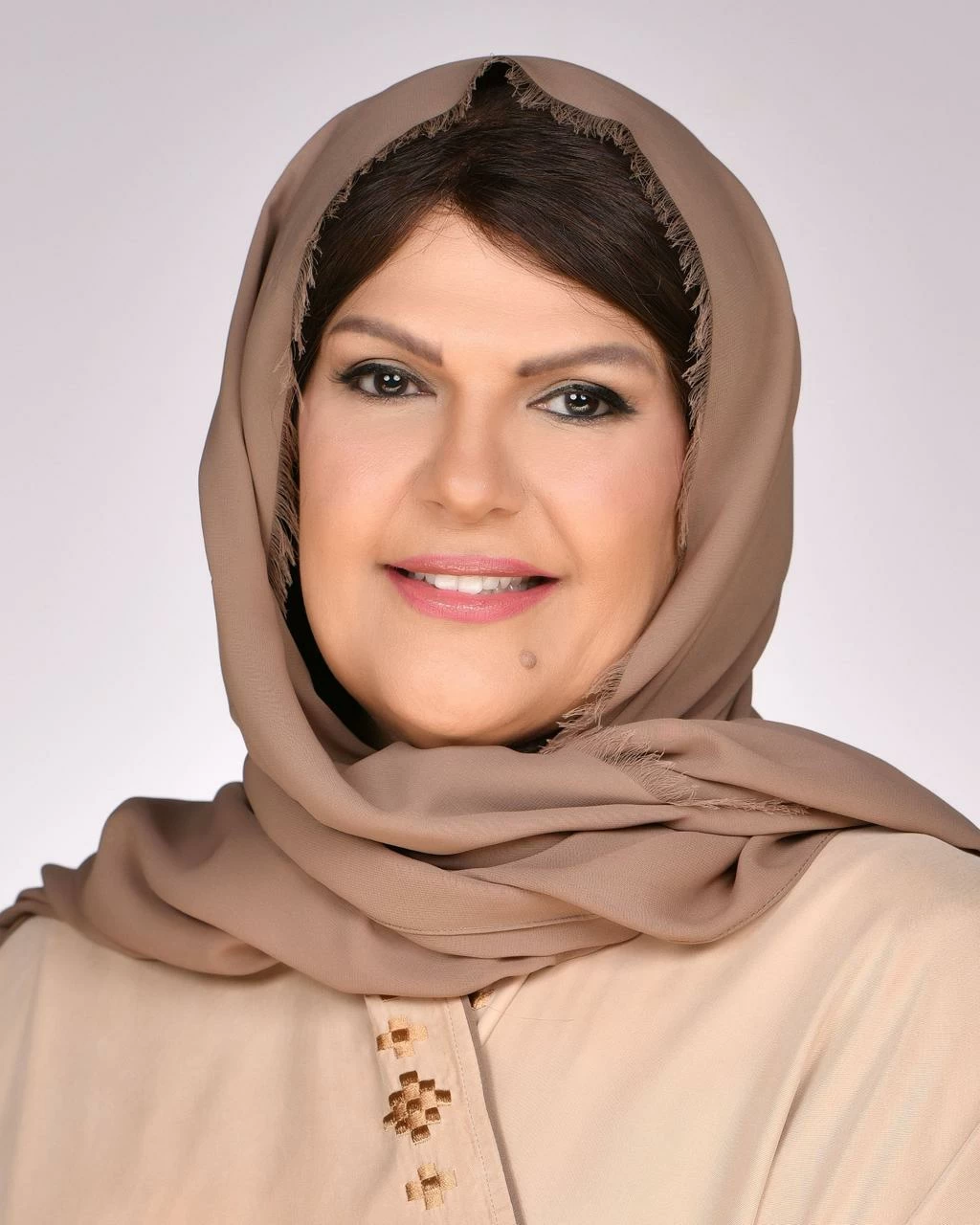
ونحا المجلس منحى مزيد التمكين للمرأة بتسميته أربع عضوات لرئاسة لجان، إذ ترأست الدكتورة أروى الرشيد لجنة الموارد البشرية والتنمية الاجتماعية، والدكتورة ريمة اليحيا لجنة التعليم والبحث العلمي، والدكتورة أمل الهزاني لجنة الإعلام والرياضة، والدكتورة أمل قطان اللجنة الصحية.
فيما طالب المجلس في جلسته العادية الرابعة والأربعين من أعمال السنة الثانية للدورة التاسعة المنعقدة برئاسة نائب رئيس المجلس الدكتور مشعل بن فهم السُّلمي، وزارة الصحة بمعالجة فجوات التوظيف، وتغطية الاحتياج للكوادر والتخصصات الصحية في المناطق والمحافظات، مؤكداً ضرورة تشديد الرقابة على محتويات المنصات الرقمية الصحية المضللة المتداولة، والمبادرة إلى توعية المجتمع بشأنها منذ بدء تداولها، للحد من آثارها السلبية، ورفع مستوى تغطية خدمات الصحة النفسية، وتسهيل الوصول إليها، والتوسع في برامج الوقاية والتدخل المبكر وخدمات المتابعة والدعم النفسي خارج المستشفيات.
ودعا المجلس المركز الوطني لتعزيز الصحة النفسية لرفع مستوى الرفاه والعافية النفسية في بيئات العمل، وتعزيز الوعي المجتمعي بمفاهيم العافية النفسية، وتقليل الوصمة الاجتماعية المرتبطة بالصحة النفسية وخدماتها. وطالب المعهد الوطني لأبحاث الصحة بتطوير برامج حوافز للاستثمار والشراكة مع القطاعين الخاص وغير الربحي في مجال الأبحاث الصحية.
كما طالب المجلس وزارة السياحة بمراجعة وتحديث أولويات ومؤشرات الإستراتيجية الوطنية للسياحة للفترة المتبقية حتى عام 2030م، بما يتواءم مع مستوى تطور القطاع والتحديات المستجدة، واستحداث مؤشرات أداء مستقلة، لقياس تمكين الكفاءات الوطنية في الوظائف القيادية والإشرافية والتخصصية بالقطاع السياحي، وربط نتائجها ببرامج التأهيل والابتعاث وتنمية القدرات التي تنفذها الوزارة.
ودعا المجلس وزارة الحج والعمرة إلى العمل على معالجة التحديات التي تواجه برامج الاستعداد المسبق لحجاج الخارج، ومعالجة تعثر مبادرة تأسيس وتشغيل مراكز التفويج والعمليات المشتركة، والتوسع في مبادرة طريق مكة لتشمل الدول الأعلى في أعداد الحجاج.
وطالب وزارة الاقتصاد والتخطيط ببناء آلية مستدامة لقياس الأثر الاقتصادي للأنظمة بعد نفاذها، بما يعزز كفاءة التشريعات الاقتصادية ويدعم تنافسية بيئة الأعمال.
ودعا المجلس الهيئة العامة للولاية على أموال القاصرين ومن في حكمهم إلى إعداد إطار لقياس الأثر الاجتماعي والاقتصادي لإدارة وتنمية أموال المشمولين بنظام الهيئة، بما يسهم في رفع كفاءة توجيه الموارد المالية والخدمات المقدمة للمستفيدين، ووضع آلية متكاملة لإدارة وتنمية الأصول غير المستثمرة أو منخفضة العائد التابعة للمشمولين بنظام الهيئة، لدعم كفاءة إدارة الأصول، ورفع العوائد طويلة الأجل للمستفيدين، واعتماد نماذج استباقية للوصاية المالية المؤقتة للحالات عالية المخاطر المالية والاجتماعية، بما يعزز الحماية المبكرة للأموال، ويحد من فقدان الحقوق قبل استكمال الإجراءات القضائية، وتطوير آلية مُلزمة للإسراع بنقل أموال المشمولين بنظام الهيئة لحساباتها، لتعزيز حماية الحقوق المالية، والوفاء بالالتزامات النظامية للمستفيدين.
The Shura Council concluded today its second advisory year of the ninth session and restructured its committees in preparation for the third advisory year, which begins next September.
The council took further steps to empower women by appointing four female members to head committees, with Dr. Arwa Al-Rashid chairing the Human Resources and Social Development Committee, Dr. Reema Al-Yahya chairing the Education and Scientific Research Committee, Dr. Amal Al-Hazani chairing the Media and Sports Committee, and Dr. Amal Qattan chairing the Health Committee.
During its forty-fourth ordinary session of the second year of the ninth session, chaired by the Deputy Chairman of the Council, Dr. Mishal bin Fahm Al-Sulami, the council called on the Ministry of Health to address employment gaps and meet the needs for health cadres and specialties in regions and governorates. It emphasized the necessity of tightening oversight on misleading content in circulating health digital platforms and initiating community awareness regarding them from the onset of their circulation to mitigate their negative effects. The council also called for enhancing the coverage of mental health services, facilitating access to them, and expanding prevention and early intervention programs, as well as follow-up and psychological support services outside hospitals.
The council urged the National Center for Mental Health Promotion to enhance the level of well-being and mental wellness in work environments, promote community awareness of mental wellness concepts, and reduce the social stigma associated with mental health and its services. It also called on the National Health Research Institute to develop incentive programs for investment and partnership with the private and non-profit sectors in the field of health research.
The council requested the Ministry of Tourism to review and update the priorities and indicators of the national tourism strategy for the remaining period until 2030, in line with the development level of the sector and emerging challenges. It called for the establishment of independent performance indicators to measure the empowerment of national competencies in leadership, supervisory, and specialized positions within the tourism sector, linking their results to the qualification, scholarship, and capacity-building programs implemented by the ministry.
The council called on the Ministry of Hajj and Umrah to address the challenges facing the advance preparation programs for foreign pilgrims and to resolve the setbacks in establishing and operating crowd management and joint operations centers. It also urged the expansion of the Makkah Route initiative to include countries with higher numbers of pilgrims.
The council demanded the Ministry of Economy and Planning to build a sustainable mechanism for measuring the economic impact of regulations after their implementation, which would enhance the efficiency of economic legislation and support the competitiveness of the business environment.
The council called on the Public Authority for the Guardianship of the Funds of Minors and Those in Their Care to prepare a framework for measuring the social and economic impact of managing and developing the funds of those covered by the authority's system. This aims to improve the efficiency of directing financial resources and services provided to beneficiaries, establish a comprehensive mechanism for managing and developing uninvested or low-yield assets belonging to those covered by the authority's system, support asset management efficiency, increase long-term returns for beneficiaries, and adopt proactive models for temporary financial guardianship for high-risk financial and social cases, thereby enhancing early protection of funds and reducing the loss of rights before completing judicial procedures. Additionally, it called for the development of a mandatory mechanism to expedite the transfer of funds belonging to those covered by the authority's system to their accounts, to enhance the protection of financial rights and fulfill the regulatory obligations of beneficiaries.