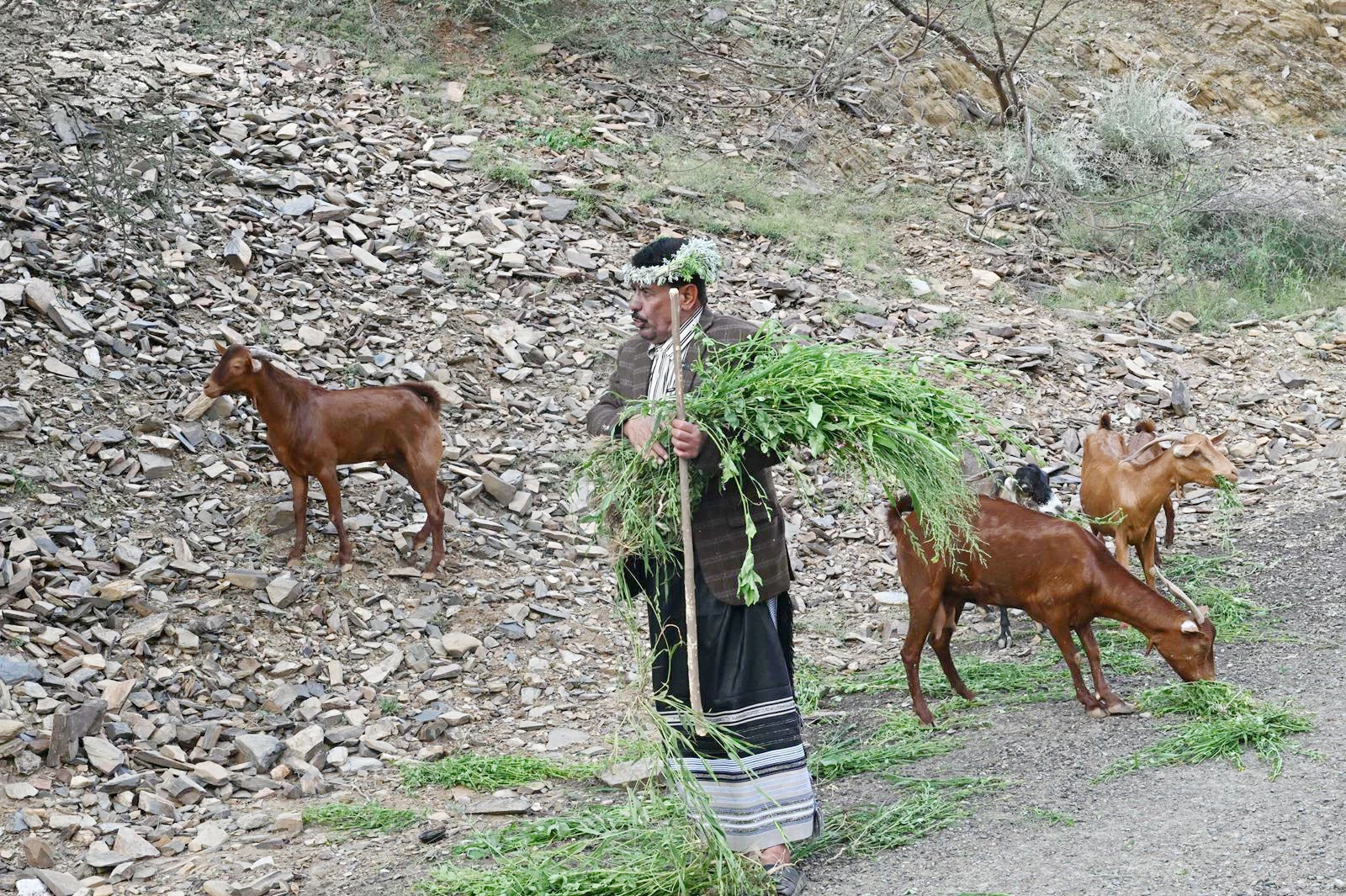
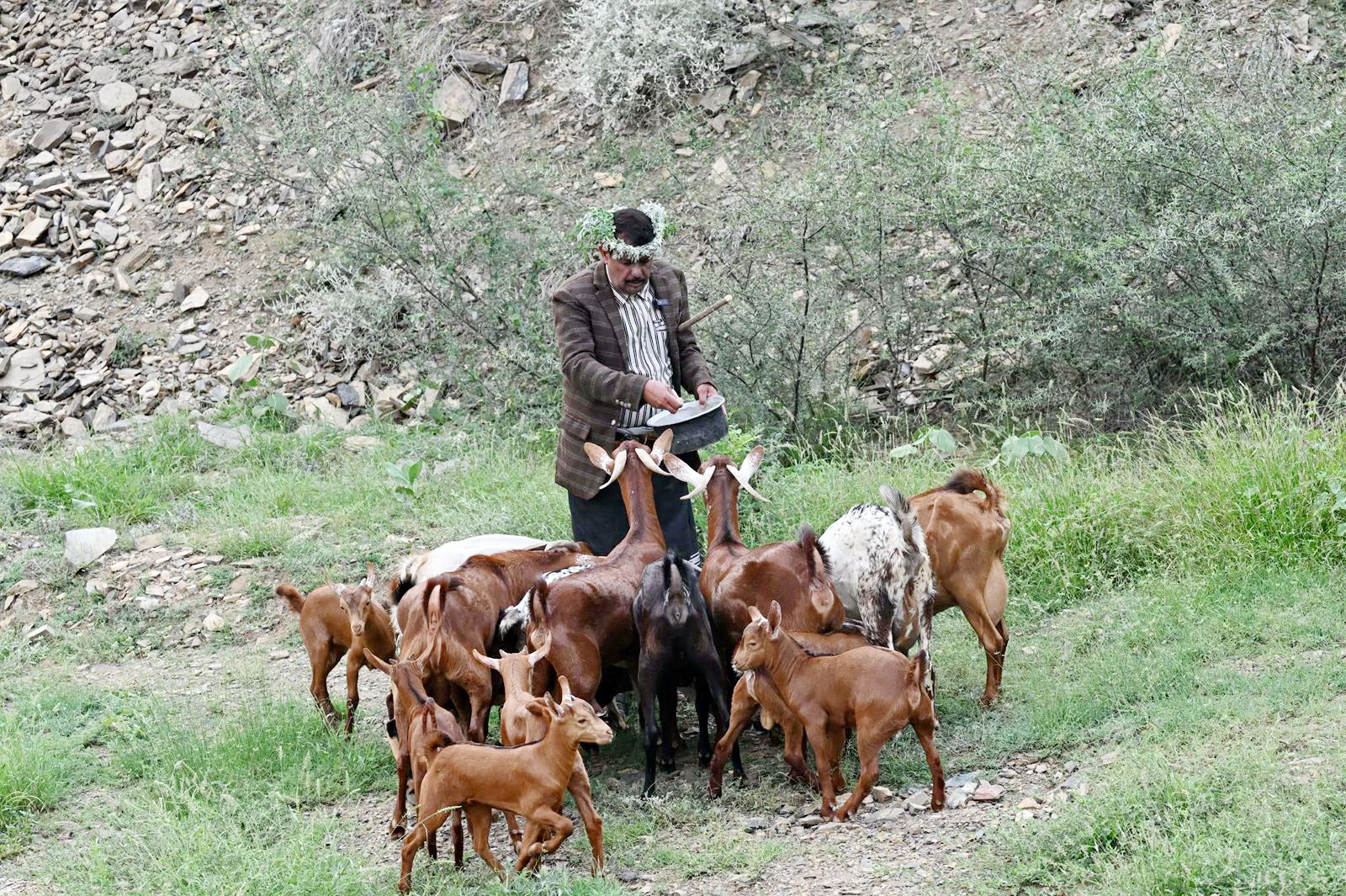
من بين معارف الرعي المتوارثة تبرز «ترويعة الراعي» بوصفها لوناً أصيلاً من الموروث الشفهي، نسجته حياة البادية وحفظته الأجيال في ذاكرتها. وهي نداءات يطلقها الراعي أثناء مرافقته لقطيعه، فتألفها الأغنام وتستجيب لها؛ فلكل موقف نداءه الخاص، فمنها ما يدعو القطيع إلى المرعى، ومنها ما يؤذن بوقت العودة. وهكذا أدت الترويعة دوراً يتجاوز التوجيه إلى بناء لغة تواصل فريدة نشأت من تفاصيل الممارسة اليومية وعلاقة الألفة بين الراعي وماشيته. وفي شعاب جبال بلغازي بمحافظة العيدابي، يستعيد المهتم بالموروث الشعبي محمد الغزواني صدى «ترويعة الراعي»، ذلك النداء التراثي الذي تناقلته الألسن جيلاً بعد جيل، وظل يتردد بين جنبات الجبال وأودية الشعاب، حاملاً إيقاعاً مألوفاً للرعاة، ومعبّراً عن جانب من حياتهم المرتبطة بالأرض والمراعي. ويشير الغزواني إلى أن الترويعة ليست مجرد وسيلة لقيادة القطيع، بل تمثل بعداً ثقافياً يعكس خبرات الأهالي وأنماط عيشهم عبر الزمن. فقد ارتبط صوتها بالمراعي والسهول، واستقر في الوجدان الشعبي بوصفه إرثاً حياً يحفظ خصوصية العلاقة بين الإنسان ومواشيه، ويجسد عمق ارتباطه بالأرض التي يعيش عليها ويرعاها. وتبقى الموروثات الشعبية، بما تختزنه من تفاصيل وتجارب إنسانية، سجلاً حياً لذاكرة المكان وخبرات أهله. وكلما تناقلها الناس ورووها للأجيال المتعاقبة، تجدد حضورها واستمرت رسالتها.
Among the inherited knowledge of herding, "the shepherd's call" stands out as an authentic aspect of oral heritage, woven by the life of the desert and preserved in the memories of generations. These are calls made by the shepherd while accompanying his flock, which the sheep become familiar with and respond to; each situation has its own specific call, some inviting the flock to pasture, while others signal the time to return. Thus, the call plays a role that goes beyond mere guidance to building a unique language of communication that arose from the details of daily practice and the bond of familiarity between the shepherd and his livestock. In the valleys of the Balghazi mountains in the Al-Aidabi province, the folk heritage enthusiast Mohammed Al-Ghazwani recalls the echo of "the shepherd's call," that heritage call that has been passed down through generations, resonating between the mountains and the valleys, carrying a familiar rhythm for the shepherds and expressing a facet of their lives connected to the land and pastures. Al-Ghazwani points out that the call is not just a means of leading the flock, but represents a cultural dimension that reflects the experiences of the locals and their ways of living over time. Its sound is associated with pastures and plains, and it has settled in the popular consciousness as a living heritage that preserves the uniqueness of the relationship between humans and their livestock, embodying the deep connection to the land they live on and tend to. Folk heritages, with their rich details and human experiences, remain a living record of the memory of the place and its people’s experiences. As people continue to pass them on and narrate them to successive generations, their presence is renewed, and their message endures.