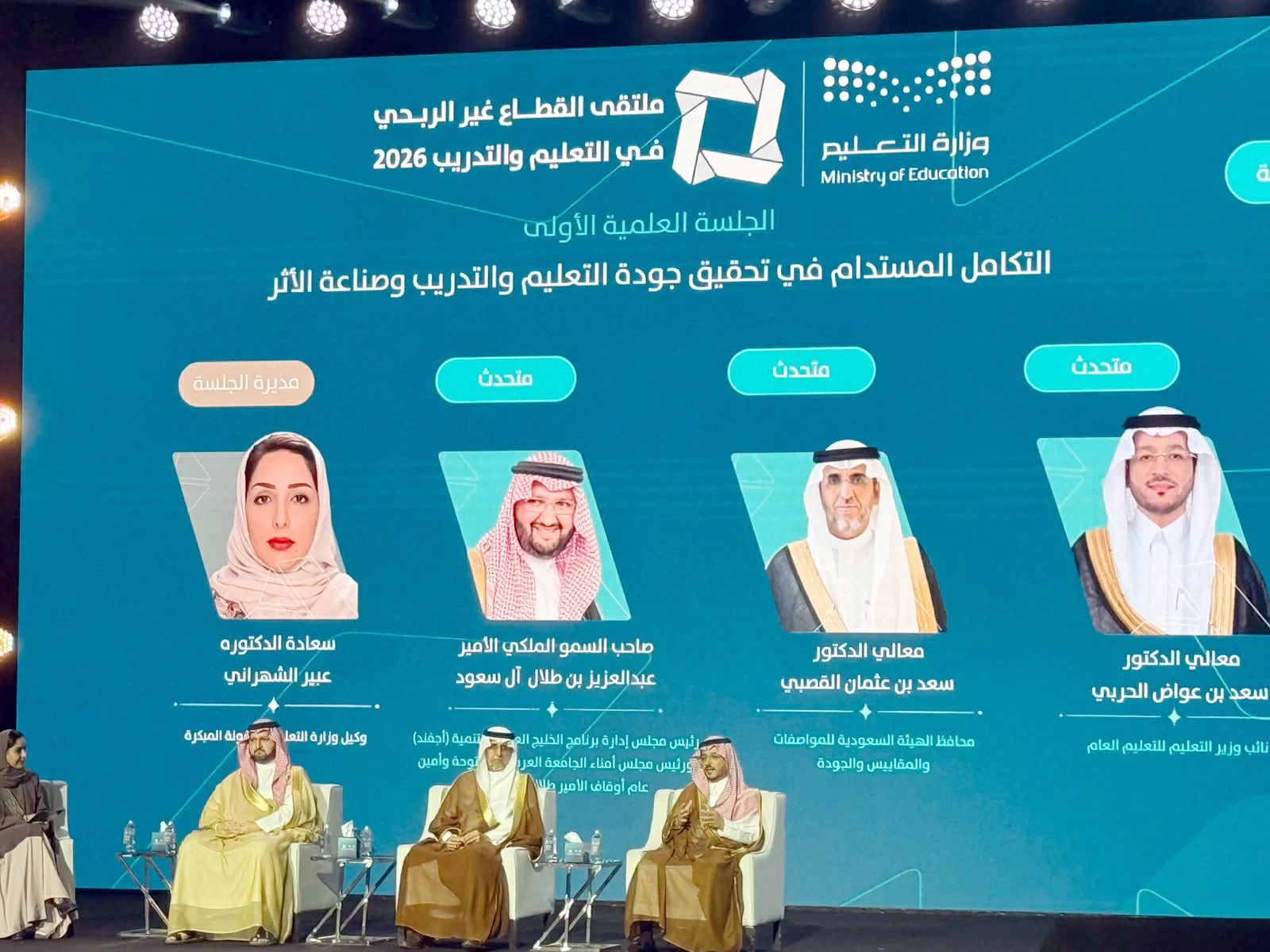
اختُتمت، أمس (الأربعاء)، النسخة الثالثة من ملتقى القطاع غير الربحي في التعليم والتدريب الذي نظمته وزارة التعليم في جامعة الأميرة نورة بالرياض، برعاية الوزير يوسف البنيان، تحت شعار «جودة تعظّم الأثر»، بهدف تعزيز إسهام القطاع غير الربحي ورفع جودة المبادرات وقياس أثرها، وبناء شراكات مستدامة تحقق مستهدفات رؤية 2030.
وأكد الوزير البنيان، أن صدور نظام التعليم العام بموافقة مجلس الوزراء يعزز الإطار النظامي لمشاركة القطاع غير الربحي في تقديم الخدمات التعليمية وإنشاء المؤسسات التعليمية والاستثمار في المرافق، بما يوسع إسهامه في تطوير المنظومة وتحسين مخرجاتها.
وأوضح، أن الوزارة تعمل على تطوير حوكمة الكيانات المرتبطة بها وتعزيز الشراكات التنموية، مشيراً إلى دور مؤسسة تكافل الخيرية في دعم الطلاب والطالبات، عبر برامج تشمل تقديم 16 مليون وجبة سنوياً. وبيّن، أن تطوير منظومة التعليم يشمل تعزيز الدور الإشرافي للوزارة، وتمكين المدارس، وإنشاء المركز الوطني للمناهج والمعهد الوطني، وإسناد الخدمات التشغيلية إلى شركات تطوير التعليم القابضة، بما يرفع كفاءة الأداء ويحسن جودة الخدمات.
من جانبه، أكد نائب وزير التعليم للتعليم العام الدكتور سعد عواض الحربي، أن تطوير التعليم مسؤولية مشتركة تتطلب تكامل جهود القطاعات الحكومية والخاصة وغير الربحية، مشيراً إلى أربع ممكنات رئيسة تشمل التكامل حول حاجات المتعلم، وتكامل الأدوار والتنفيذ، والبيانات والخدمات، وقياس الأثر والاستدامة.
وشدد على أهمية توظيف الذكاء الاصطناعي والبيانات لتحديد الفجوات التعليمية، وتوجيه المبادرات نحو تحسين مهارات القراءة وتمكين الأسر وتطوير خدمات الطفولة المبكرة والأشخاص ذوي الإعاقة، مؤكداً أن نجاح الشراكات يُقاس بالتحسن الفعلي في تعلم الطلاب ومستويات أدائهم، لا بعدد الاتفاقيات والمبادرات.
وفي نفس السياق، أكد محافظ الهيئة السعودية للمواصفات الدكتور سعد عثمان القصبي، أن ترسيخ ثقافة الجودة في المؤسسات التعليمية يتطلب التخطيط السليم، وكفاءة التنفيذ، وقياس أثر المخرجات، وتطوير مواصفات تدعم الابتكار والتحسين المستمر.
وأوضح، أن نجاح المبادرات التعليمية يُقاس بنتائجها المعرفية والمهارية المستدامة، وليس بعدد المشاركين والأنشطة فحسب.
وأشار إلى تعاون الهيئة مع الجهات المختصة لتطوير مواصفات التعليم والمناهج والعمل التطوعي والاستدامة المالية، مبيناً أن أعمال التطوير تشهد مشاركة 53 فريقاً فنياً، تضم أكثر من 530 خبيراً ومتخصصاً.
مرونة للمؤسسات لتطوير النماذج
رئيس مجلس إدارة «أجفند» ورئيس مجلس أمناء الجامعة العربية المفتوحة، الأمير عبدالعزيز بن طلال بن عبدالعزيز، أكد على أهمية تعزيز الدور التنموي للمؤسسات التعليمية غير الربحية، وتطوير التشريعات بما يدعم الابتكار ويوسع الخدمات التعليمية، مع منح المؤسسات المرونة اللازمة لتطوير نماذجها، وضمان جودة المخرجات والالتزام بالمعايير الأكاديمية. وشدد على أهمية الشراكات الأكاديمية الدولية في تطوير المناهج وتعزيز الجودة، مستعرضاً تجربة التعاون مع الجامعة البريطانية المفتوحة، ومؤكداً أن نجاح المؤسسات التعليمية يُقاس بأثرها الملموس في حياة الأفراد والمجتمعات.
The third edition of the Non-Profit Sector Forum in Education and Training, organized by the Ministry of Education at Princess Nourah bint Abdulrahman University in Riyadh, concluded yesterday (Wednesday), under the patronage of Minister Yusuf Al-Bunyan, with the theme "Quality Maximizes Impact." The aim was to enhance the contribution of the non-profit sector, improve the quality of initiatives, measure their impact, and build sustainable partnerships that achieve the objectives of Vision 2030.
Minister Al-Bunyan confirmed that the issuance of the general education system with the approval of the Council of Ministers strengthens the regulatory framework for the participation of the non-profit sector in providing educational services, establishing educational institutions, and investing in facilities, thereby expanding its contribution to the development of the system and improving its outcomes.
He explained that the ministry is working on developing the governance of the entities associated with it and enhancing developmental partnerships, pointing to the role of the Takafol Charity Foundation in supporting students through programs that include providing 16 million meals annually. He indicated that the development of the education system includes enhancing the supervisory role of the ministry, empowering schools, establishing the National Center for Curricula and the National Institute, and delegating operational services to the Education Development Holding Companies, which raises performance efficiency and improves service quality.
For his part, the Deputy Minister of Education for General Education, Dr. Saad Awad Al-Harbi, emphasized that the development of education is a shared responsibility that requires the integration of efforts from government, private, and non-profit sectors, pointing to four main enablers that include integration around the needs of the learner, the integration of roles and implementation, data and services, and measuring impact and sustainability.
He stressed the importance of employing artificial intelligence and data to identify educational gaps, directing initiatives towards improving reading skills, empowering families, and developing early childhood services and services for people with disabilities, affirming that the success of partnerships is measured by the actual improvement in student learning and performance levels, not by the number of agreements and initiatives.
In the same context, the Governor of the Saudi Standards Organization, Dr. Saad Othman Al-Qasabi, confirmed that instilling a culture of quality in educational institutions requires proper planning, efficient implementation, measuring the impact of outputs, and developing specifications that support innovation and continuous improvement.
He clarified that the success of educational initiatives is measured by their sustainable knowledge and skill outcomes, not just by the number of participants and activities.
He pointed to the collaboration of the organization with relevant authorities to develop education specifications, curricula, volunteer work, and financial sustainability, indicating that the development work involves the participation of 53 technical teams, comprising more than 530 experts and specialists.
Flexibility for Institutions to Develop Models
The Chairman of the Board of Directors of "Ajfund" and Chairman of the Board of Trustees of the Arab Open University, Prince Abdulaziz bin Talal bin Abdulaziz, emphasized the importance of enhancing the developmental role of non-profit educational institutions and developing legislation that supports innovation and expands educational services, while granting institutions the necessary flexibility to develop their models and ensure the quality of outputs and adherence to academic standards. He stressed the importance of international academic partnerships in developing curricula and enhancing quality, reviewing the experience of collaboration with the Open University in the UK, and affirming that the success of educational institutions is measured by their tangible impact on the lives of individuals and communities.