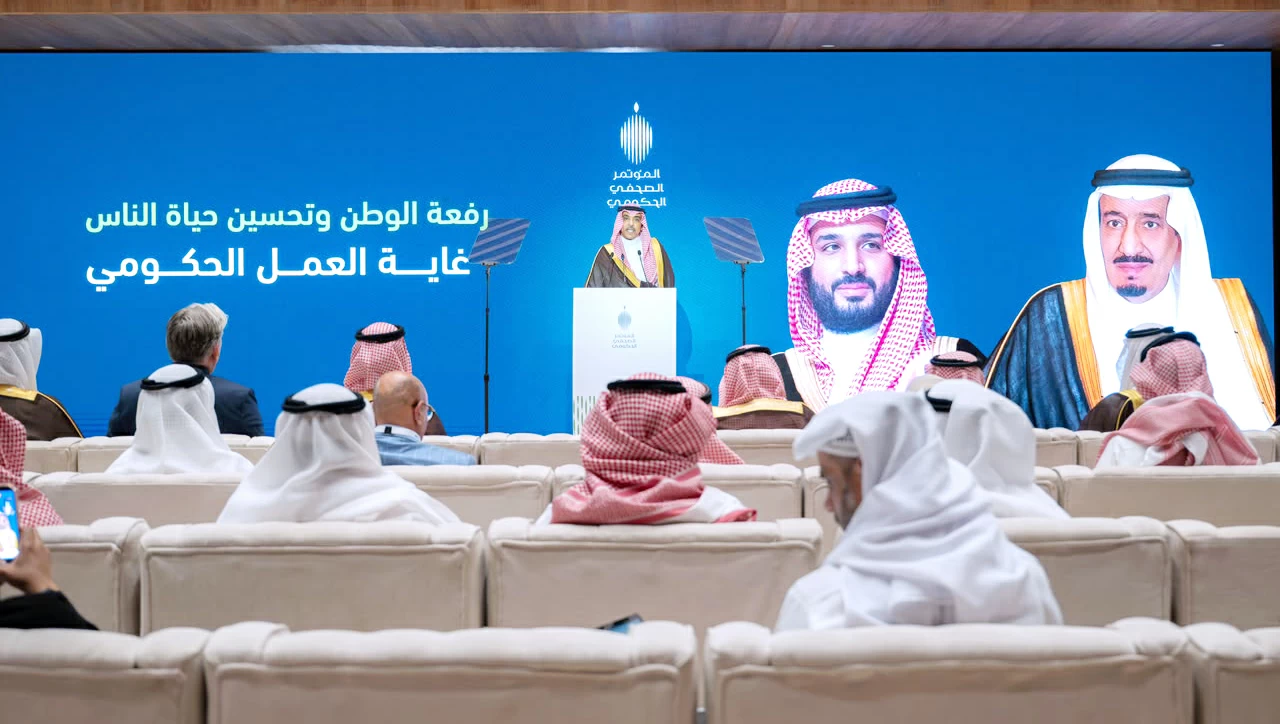
أكد وزير الإعلام سلمان الدوسري، أن الحياة في المملكة مستمرة بصورة طبيعية، مشيراً إلى أن رفع الجاهزية لا يعني القلق، بل يعكس استعداد الدولة لمختلف السيناريوهات، مهما كانت احتمالية حدوثها، ومشدداً على أن أمن المواطنين والمقيمين وسلامتهم يأتيان في مقدمة أولويات المملكة.
وقال الدوسري، خلال المؤتمر الصحفي الحكومي، إن الاعتداءات الإرهابية الحوثية تستهدف المدنيين والأعيان المدنية، مؤكداً أن الميليشيا الحوثية الإرهابية لا تقيم وزناً للقيم والأخلاقيات، وأن المملكة ستظل قوية وماضية بثبات في مسيرتها التنموية.
ودعا إلى استقاء المعلومات من مصادرها الرسمية، وعدم تداول الصور أو المقاطع أو المعلومات المرتبطة بالعمليات الأمنية والعسكرية من مصادر مجهولة أو غير موثوقة، مؤكداً أن المعلومة الدقيقة جزء من حماية الأمن.
وأشار إلى أن تصحيح أوضاع اليمنيين غير النظاميين الموجودين في المملكة يأتي امتداداً لمواقفها الأخوية تجاه الشعب اليمني.
وكشف وزير الإعلام، أن أكثر من 63 ألف أسرة سعودية تملكت مسكنها الأول خلال النصف الأول من 2026، فيما دخل توطين المهن الإدارية المساندة حيز التنفيذ بنسبة 100%، مستهدفاً 69 مهنة في مجالات متعددة.
وأوضح، أن المملكة حافظت للمرة الرابعة على التوالي على المركز الأول إقليمياً في مؤشر نضج الخدمات الحكومية الرقمية، محققةً 99% في التقييم العام، فيما نقلت قطارات المملكة أكثر من 38 مليون راكب خلال الربع الثاني من 2026.
ولفت إلى أن أعمال الاستكشاف في مشروع جبل صايد، كشفت عن موارد تُقدّر بنحو 114 مليون طن من الخام، تحتوي على تركيزات مرتفعة من المعادن الأرضية النادرة، إلى جانب مؤشرات واعدة لليورانيوم.
وأكد الوزير الدوسري، أن التحولات التي تشهدها الرياض تتجلى في حركة التنقل وامتداد العمران وتنامي المشاريع، وصولاً إلى حضورها العالمي بوصفها عاصمة للأعمال والاستثمار وصناعة القرار.
تطوير 700 كيلومتر من محاور الطرق
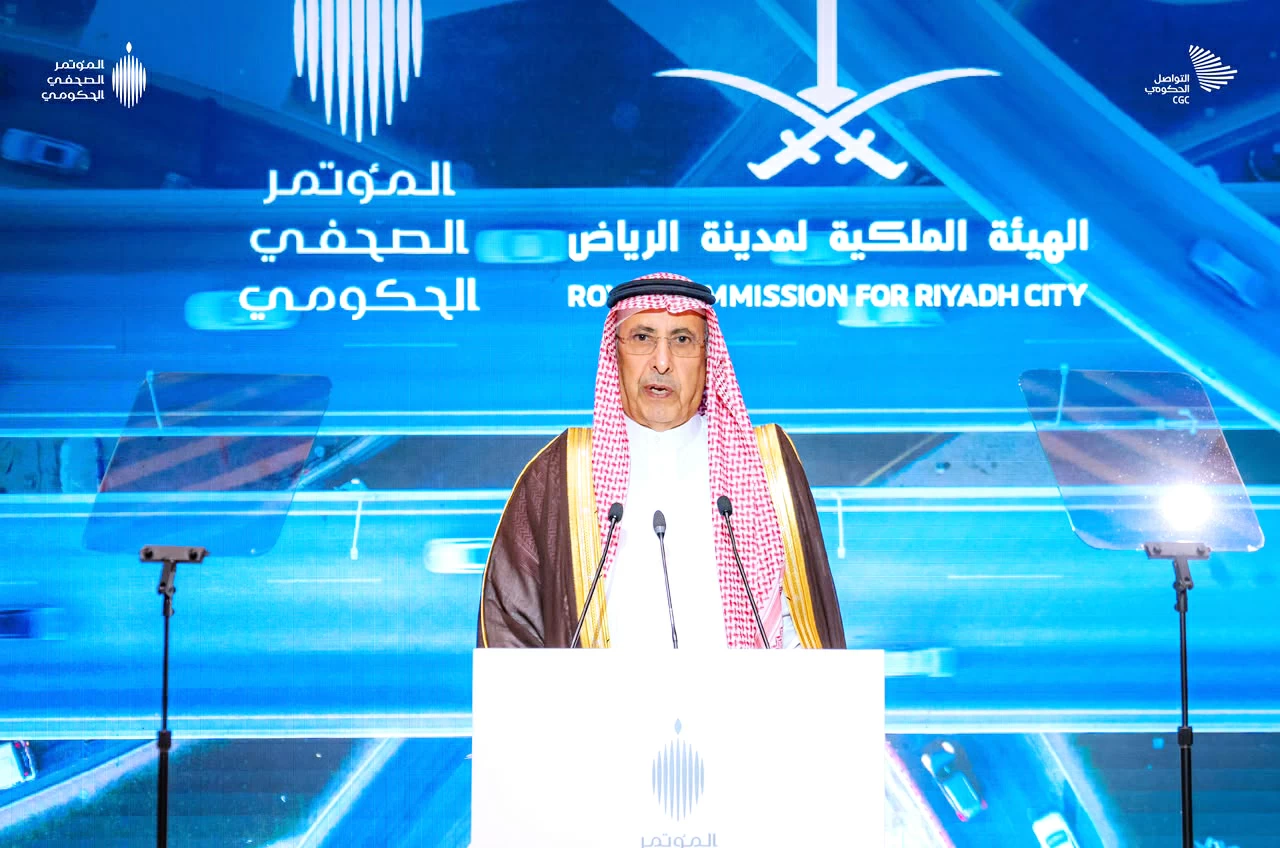
من جانبه، أكد الرئيس التنفيذي للهيئة الملكية لمدينة الرياض المهندس إبراهيم السلطان، أن الرياض تتمتع بحجم اقتصادي كبير وتمثل وجهة للفرص، مشيراً إلى أن عدد سكانها يزداد سنوياً بمئات الآلاف، الأمر الذي يرفع أعداد الرحلات اليومية المرتبطة بالعمل والدراسة والخدمات والترفيه، ويستدعي مواصلة تطوير شبكة التنقل وزيادة طاقتها الاستيعابية وتوسيع نطاق تغطيتها ورفع كفاءة تشغيلها.
وقال: إن ولي العهد أطلق برنامج تطوير محاور الطرق الدائرية والرئيسية، الذي يستهدف تطوير نحو 700 كيلومتر من المحاور الحيوية في الرياض، وأكثر من 330 تقاطعاً رئيسياً، تشمل تنفيذ أكثر من 300 جسر و80 نفقاً في مختلف أنحاء المدينة.
وأضاف، أن عدد مستخدمي شبكة النقل العام يقترب من 500 مليون راكب منذ بدء التشغيل، منهم أكثر من 300 مليون راكب عبر قطار الرياض، فيما تجاوز استخدام الطلاب والطالبات في الجامعات والمدارس 20 مليون راكب.
وبيّن السلطان، أن الهيئة وقّعت عقوداً لشراء 94 قطاراً جديداً، ليرتفع أسطول القطارات من 183 إلى 277 قطاراً، بما يتيح زيادة الطاقة الاستيعابية وتوجيهها نحو المسارات الأكثر كثافة في الاستخدام.
وأوضح، أن تطوير منظومة التنقل في الرياض يمضي عبر ثلاثة مسارات رئيسية، تشمل الطرق والنقل العام وإدارة الحركة المرورية، ضمن منظومة متكاملة تواكب نمو المدينة وحاجات سكانها.
The Minister of Media, Salman Al-Dosari, confirmed that life in the Kingdom continues normally, pointing out that raising readiness does not mean anxiety, but rather reflects the state's preparedness for various scenarios, regardless of their likelihood of occurrence, emphasizing that the security and safety of citizens and residents are among the Kingdom's top priorities.
Al-Dosari stated during the government press conference that the Houthi terrorist attacks target civilians and civilian objects, affirming that the Houthi terrorist militia does not value morals and ethics, and that the Kingdom will remain strong and steadfast in its developmental journey.
He called for obtaining information from official sources and refraining from circulating images, clips, or information related to security and military operations from unknown or unreliable sources, emphasizing that accurate information is part of protecting security.
He noted that correcting the status of irregular Yemenis in the Kingdom is an extension of its brotherly positions towards the Yemeni people.
The Minister of Media revealed that more than 63,000 Saudi families acquired their first homes during the first half of 2026, while the localization of supporting administrative professions has been fully implemented, targeting 69 professions in various fields.
He explained that the Kingdom has maintained its position as the first regionally in the index of maturity of digital government services for the fourth consecutive time, achieving 99% in the overall assessment, while the Kingdom's trains transported more than 38 million passengers during the second quarter of 2026.
He pointed out that exploration work in the Jabal Sayid project revealed resources estimated at about 114 million tons of ore, containing high concentrations of rare earth metals, along with promising indicators for uranium.
Minister Al-Dosari affirmed that the transformations taking place in Riyadh are evident in the movement of transportation, urban expansion, and the growth of projects, culminating in its global presence as a capital for business, investment, and decision-making.
Development of 700 kilometers of road axes
For his part, the CEO of the Royal Commission for Riyadh City, Engineer Ibrahim Al-Sultan, confirmed that Riyadh enjoys a large economic size and represents a destination for opportunities, noting that its population increases annually by hundreds of thousands, which raises the number of daily trips related to work, study, services, and entertainment, necessitating the continued development of the transportation network, increasing its capacity, expanding its coverage, and enhancing its operational efficiency.
He stated that the Crown Prince launched a program to develop circular and main road axes, targeting the development of about 700 kilometers of vital axes in Riyadh, and more than 330 major intersections, including the implementation of over 300 bridges and 80 tunnels throughout the city.
He added that the number of public transport network users has approached 500 million passengers since the start of operations, including more than 300 million passengers via the Riyadh Metro, while the usage by university and school students has exceeded 20 million passengers.
Al-Sultan indicated that the commission has signed contracts to purchase 94 new trains, increasing the fleet from 183 to 277 trains, which allows for increased capacity and directing it towards the most heavily used routes.
He explained that the development of the transportation system in Riyadh is progressing through three main pathways, including roads, public transport, and traffic management, within an integrated system that keeps pace with the city's growth and the needs of its residents.