حين يصل الكرم إلى غرفة العمليات، يصبح أثره حياةً تُنقذ، وبصراً يعود، وقلباً ينبض، وطفلاً يبدأ رحلة جديدة. وفي سجل العطاء السعودي، امتدت الرعاية الطبية خارج الحدود عبر برامج وفرق تطوعية حملت خبراتها إلى عشرات الدول، وقدمت العلاج والجراحة والتأهيل مجاناً لملايين المستفيدين.
وتكشف بيانات مركز الملك سلمان للإغاثة والأعمال الإنسانية حتى سبتمبر 2026 حجم هذا الامتداد؛ إذ نفذت الفرق السعودية نحو 1,446 برنامجاً طبياً وتطوعياً في 59 دولة، بمشاركة 84,388 متطوعاً، ووصل عدد المستفيدين إلى 2,857,813 شخصاً، فيما أجرت الفرق الطبية 273,350 عملية جراحية في تخصصات مختلفة.
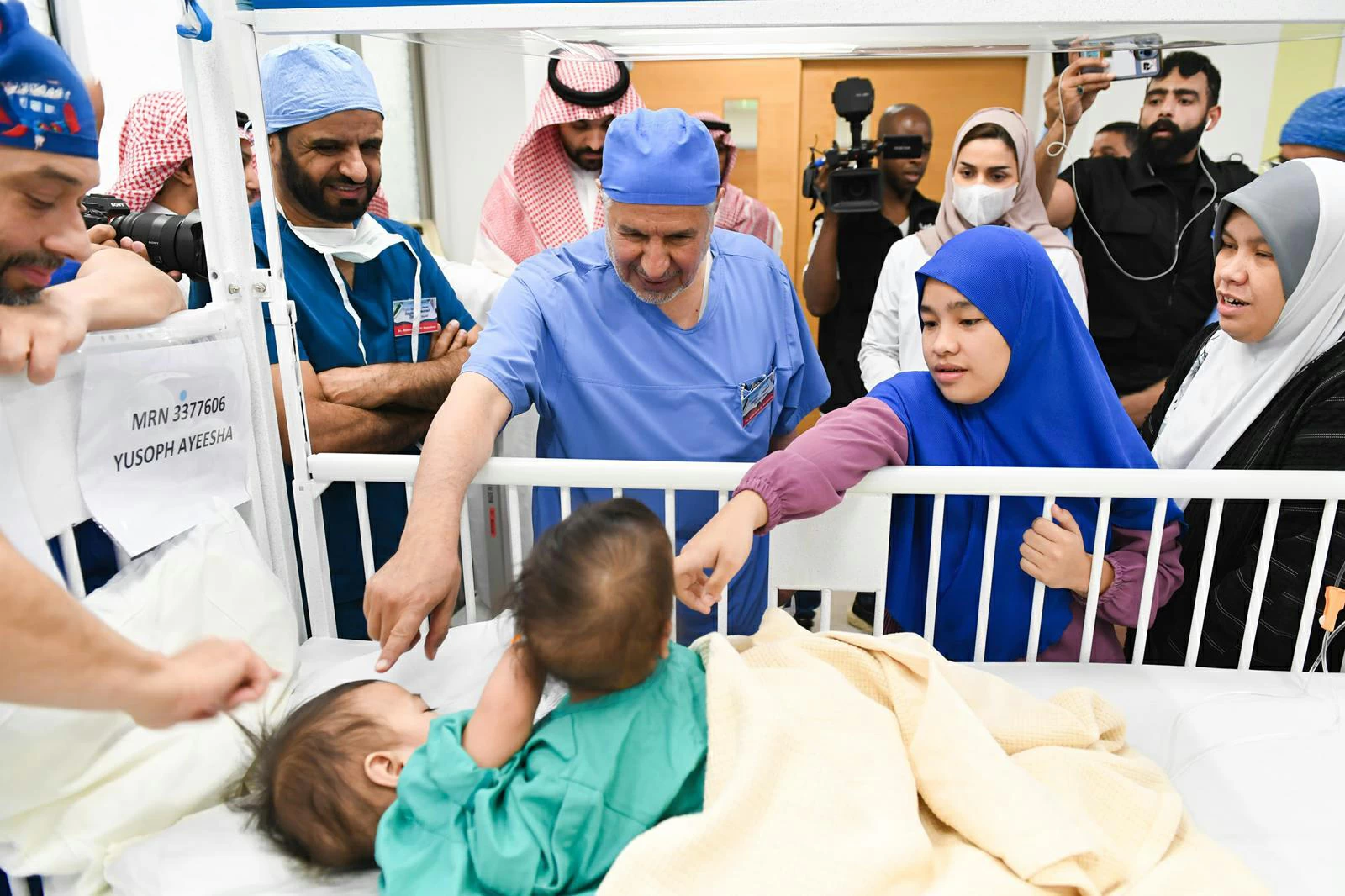
ومن أبرز صور هذا العطاء البرنامج السعودي للتوائم الملتصقة، الذي انطلق عام 1990 وتحول إلى تجربة طبية وإنسانية عالمية. وبحسب مركز الملك سلمان للإغاثة والأعمال الإنسانية، درس البرنامج حتى سبتمبر 2026 حالات 158 توأماً من 28 دولة موزعة على 5 قارات، وأجرى 72 عملية فصل ناجحة، ضمن منظومة تتحمل تكاليف العلاج والجراحة والتأهيل، إلى جانب نقل التوائم واستضافة أسرهم خلال رحلة العلاج.
وفي جراحة القلب، حمل برنامج «نبض السعودية» خبرات الأطباء السعوديين إلى المجتمعات المحتاجة. وتشير بيانات مركز الملك سلمان للإغاثة إلى تنفيذ البرنامج في 16 دولة عبر 108 برامج طبية تطوعية، وإجراء أكثر من 11 ألف عملية قلب مفتوح وقسطرة قلبية للأطفال والبالغين.
ويظهر تقرير «10 سنوات من العطاء»، الصادر عن مركز الملك سلمان للإغاثة، تسجيل 10,285 مستفيداً من برامج القلب التي وثقها التقرير، بتكلفة بلغت نحو 24.26 مليون دولار، بما يعادل نحو 91 مليون ريال، في صورة تعكس انتقال التطوع الطبي السعودي من المبادرات المحدودة إلى برامج متخصصة تتعامل مع حالات معقدة.
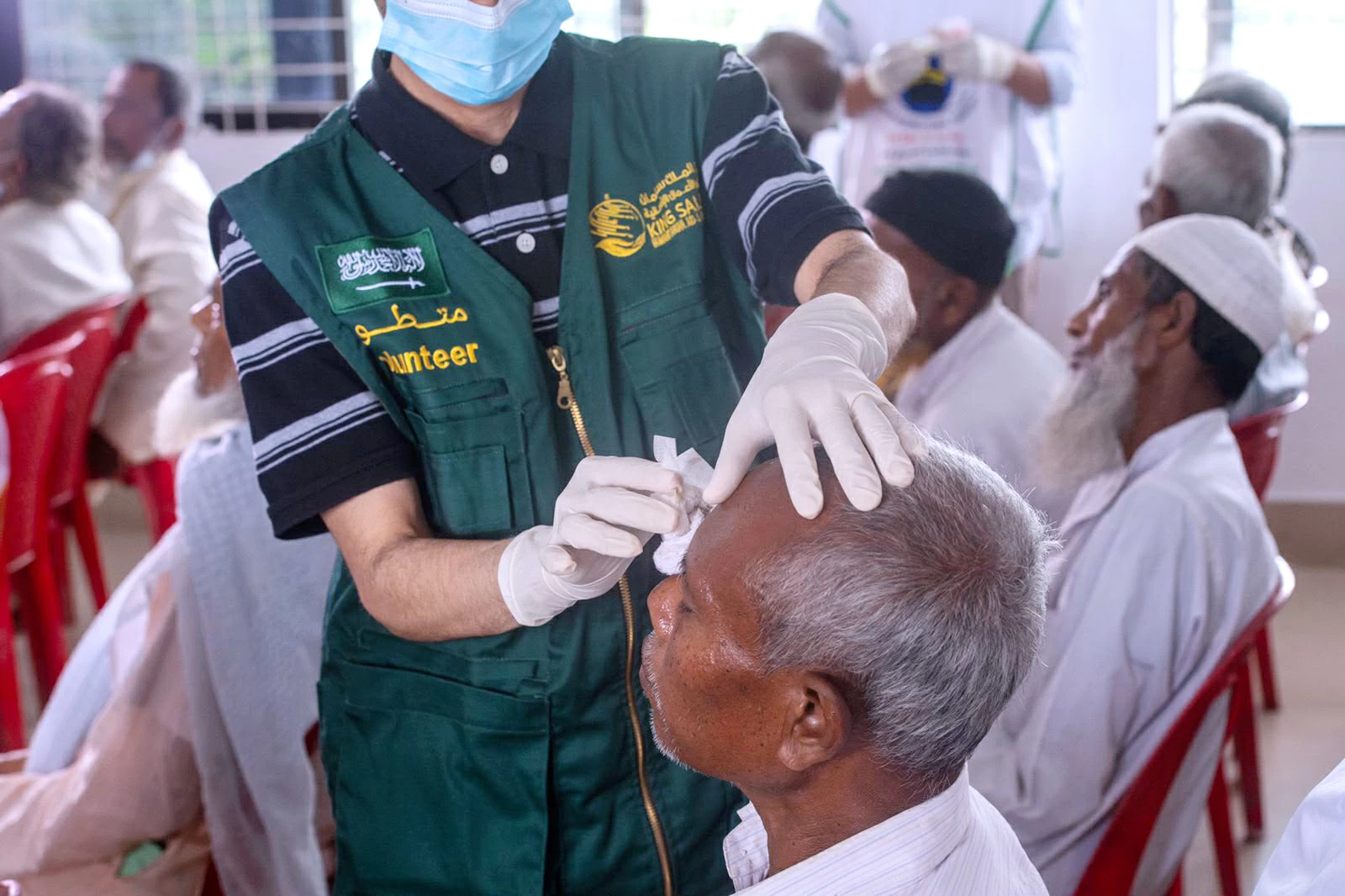
وفي مكافحة العمى وأمراض العيون، امتدت حملات «نور السعودية» إلى عدد من الدول لإجراء الفحوص والعمليات وتوفير النظارات الطبية. وفي نموذج حديث من الكاميرون، سجل مركز الملك سلمان للإغاثة في أبريل 2026 استفادة 4,679 شخصاً خلال حملة واحدة، مع توزيع 926 نظارة طبية وإجراء 448 عملية جراحية للعيون خلال أسبوع.
وامتدت الرعاية إلى من فقدوا أطرافهم نتيجة الحروب والإصابات؛ إذ تظهر بيانات برنامج الأطراف الصناعية التابع لمركز الملك سلمان للإغاثة وصول خدمات البرنامج إلى 26,088 مستفيداً في اليمن وسورية، بينهم 25,340 مستفيداً في اليمن و748 مستفيداً في سورية، من خلال تركيب وصيانة الأطراف الصناعية والعلاج الطبيعي والتأهيل وتدريب الكوادر المحلية.
وفي محافظة مأرب وحدها، تشير بيانات المركز حتى مايو 2026 إلى تقديم خدمات الأطراف الصناعية والتأهيل والاستشارات لنحو 7,677 مستفيداً ضمن إحدى مراحل المشروع، بما يعكس أن رحلة المريض تستمر بعد تركيب الطرف عبر التأهيل والمتابعة واستعادة القدرة على الحركة والاندماج في الحياة اليومية.
وتتسع خريطة العطاء الصحي السعودي لتشمل تخصصات أخرى؛ من جراحات المسالك البولية والمخ والأعصاب والأطفال والجراحة العامة إلى زراعة القوقعة، والأسنان، وغسيل الكلى، والتأهيل والعلاج الطبيعي، ضمن برامج تنفذها فرق سعودية تطوعية في المجتمعات الأكثر حاجة.
وتكشف الأرقام جوهر القصة: 2.85 مليون إنسان استفادوا من البرامج الطبية والتطوعية، و273 ألف عملية جراحية، و59 دولة، وأكثر من 84 ألف متطوع. وهذه الأرقام تمثل حصيلة عامة تضم تحتها عدداً من البرامج الطبية المتخصصة؛ لذلك تُقرأ أرقام القلب والعيون والأطراف والتوائم بوصفها تفاصيل داخل منظومة العطاء، دون إضافتها مرة أخرى إلى الإجمالي.
وفي اليوم الوطني السعودي، يجد شعار «عزّنا بكرمنا» معناه الإنساني في طبيب يسافر آلاف الكيلومترات لإجراء عملية، وممرض يرافق مريضاً، وفريق يعيد البصر، وطرف صناعي يعيد الحركة، وجراحة تمنح طفلاً بداية جديدة؛ كرمٌ سعودي تجاوز المال إلى المعرفة والخبرة والوقت، ووصل إلى الإنسان حيثما احتاج إلى العلاج.
When generosity reaches the operating room, its impact becomes a life saved, vision restored, a heart beating, and a child beginning a new journey. In the record of Saudi giving, medical care has extended beyond borders through programs and volunteer teams that have shared their expertise with dozens of countries, providing treatment, surgery, and rehabilitation free of charge to millions of beneficiaries.
Data from the King Salman Center for Relief and Humanitarian Action, up to September 2026, reveals the extent of this outreach; Saudi teams have implemented approximately 1,446 medical and volunteer programs in 59 countries, with the participation of 84,388 volunteers, and the number of beneficiaries reached 2,857,813 people, while medical teams performed 273,350 surgeries in various specialties.
One of the most prominent examples of this giving is the Saudi program for conjoined twins, which began in 1990 and evolved into a global medical and humanitarian experience. According to the King Salman Center for Relief and Humanitarian Action, the program has studied the cases of 158 twins from 28 countries across 5 continents up to September 2026, and has successfully performed 72 separation surgeries, within a system that covers the costs of treatment, surgery, and rehabilitation, in addition to transporting the twins and hosting their families during the treatment journey.
In cardiac surgery, the "Heartbeat of Saudi Arabia" program has brought the expertise of Saudi doctors to communities in need. Data from the King Salman Center for Relief indicates that the program has been implemented in 16 countries through 108 volunteer medical programs, performing more than 11,000 open-heart surgeries and cardiac catheterizations for children and adults.
The report "10 Years of Giving," issued by the King Salman Center for Relief, shows that 10,285 beneficiaries have been recorded from the heart programs documented in the report, with a cost of approximately $24.26 million, equivalent to about 91 million riyals, reflecting the transition of Saudi medical volunteering from limited initiatives to specialized programs dealing with complex cases.
In combating blindness and eye diseases, the "Light of Saudi Arabia" campaigns have extended to several countries to conduct examinations, surgeries, and provide eyeglasses. In a recent example from Cameroon, the King Salman Center for Relief recorded in April 2026 that 4,679 people benefited during a single campaign, with 926 eyeglasses distributed and 448 eye surgeries performed within a week.
Care has also extended to those who have lost limbs due to wars and injuries; data from the prosthetics program of the King Salman Center for Relief shows that the program's services have reached 26,088 beneficiaries in Yemen and Syria, including 25,340 beneficiaries in Yemen and 748 beneficiaries in Syria, through the fitting and maintenance of prosthetic limbs, physical therapy, rehabilitation, and training of local staff.
In Marib Governorate alone, data from the center up to May 2026 indicate that prosthetic, rehabilitation, and consultation services have been provided to approximately 7,677 beneficiaries as part of one phase of the project, reflecting that the patient's journey continues after the limb is fitted through rehabilitation, follow-up, and regaining mobility and integration into daily life.
The map of Saudi health giving expands to include other specialties; from urological surgeries, neurosurgery, pediatric surgery, and general surgery to cochlear implants, dentistry, dialysis, rehabilitation, and physical therapy, within programs implemented by Saudi volunteer teams in the most needy communities.
The numbers reveal the essence of the story: 2.85 million people have benefited from medical and volunteer programs, 273,000 surgeries, 59 countries, and more than 84,000 volunteers. These figures represent a general total that encompasses several specialized medical programs; therefore, the numbers for heart, eye, limb, and twin cases are read as details within the giving system, without adding them again to the total.
On Saudi National Day, the slogan "Our Pride is in Our Generosity" finds its human meaning in a doctor traveling thousands of kilometers to perform a surgery, a nurse accompanying a patient, a team restoring sight, a prosthetic limb restoring movement, and a surgery giving a child a new beginning; a Saudi generosity that transcends money to knowledge, expertise, and time, reaching out to individuals wherever they need treatment.