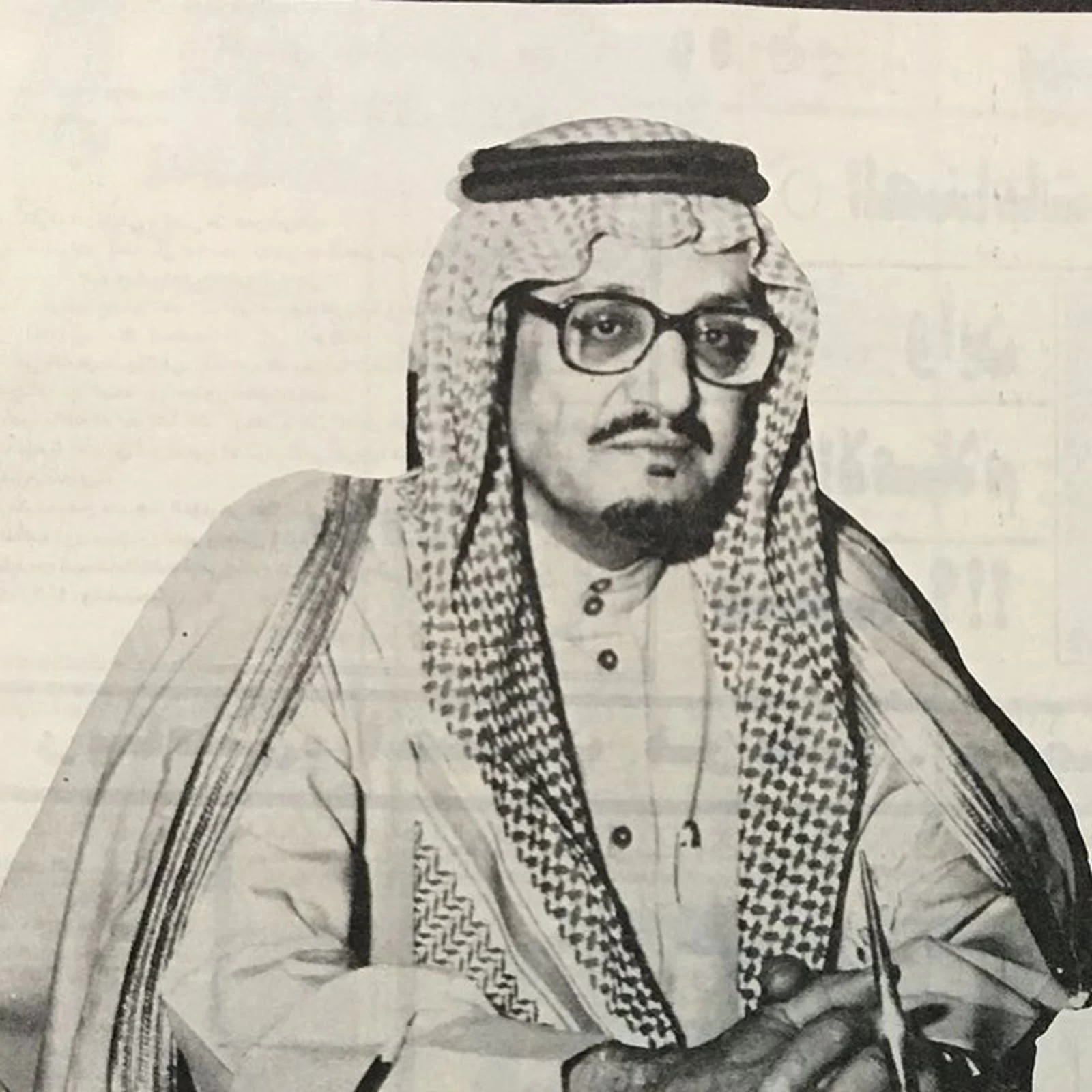
تعاقب على إمارة المدينة المنورة حتى هذا العهد الزاهر 7 أمراء، 4 منهم من أبناء المؤسس، و3 من أحفاده، ساهموا جميعاً في النهضة الكبرى التي شهدتها المدينة المنورة طيلة هذا القرن في مختلف المجالات الخدمية والصحية والتعليمية وغيرها من الخدمات، لا سيما التي تخدم زوار المدينة النبوية من الحجاج والمعتمرين. ففي عام 1344 عيّن الملك عبدالعزيز ابنه الأمير محمد كأول أمير للمدينة، وشهدت المدينة المنورة خلال فترة إمارته العديد من المشاريع التنموية المختلفة أبرزها توسعة المسجد النبوي وعمل إصلاحات له، مثل إضافة الدرج ووضع مظلات وافتتاح مستشفيات حكومية ومدارس حكومية. كما شهدت فترته إطلاق التيار الكهربائي في المدينة المنورة لأول مرة في عام 1353هـ، وافتتاح مصنع لتحلية المياه وافتتاح مطار المدينة المنورة في عام 1971، وافتتاح الجامعة الإسلامية في عام 1381، كما تم إطلاق مشاريع الطرق البرية وربط المدينة المنورة بمدن المملكة بطرق معبدة. واستمرت إمارته لنحو 40 عاماً حتى العام 1385.
مشاريع الأنسنة
وفي عام 1445، عُين الأمير سلمان بن سلطان بن عبدالعزيز أميراً لمنطقة المدينة المنورة. حظيت المدينة خلال هذه الفترة بتطوير كبير في مجالات عدة من أبرزها مشاريع الأنسنة وجودة الحياة مما ساهم في جودة المشهد الحضري للمدينة المنورة وتحقيق أهداف التنمية. كما شهدت المدينة خلال السنوات الثلاث الماضية تدشينه العديد من المشاريع من أبرزها مشاريع صحية لكبرى المستشفيات ومشاريع خدمية جبارة، ولا يزال قطار التنمية مستمراً للنهضة بمشاريع المدينة المنورة.
مشاريع عملاقة
في العام 1434 تولى الإمارة الأمير فيصل بن سلمان بن عبدالعزيز، الذي أشرف على أضخم مشروع تطوير للمدينة المنورة، مشروع رؤى المدينة شرق المسجد النبوي الذي يستهدف رفع الطاقة الاستيعابية لتيسير استضافة 30 مليون معتمر وزائر بحلول عام 2030.
كما شهدت المنطقة فترة إمارته جملة كبيرة من المشاريع العملاقة بمختلف التخصصات، على مستوى التعليم والصحة والثقافة أو خدمية.
عمران وثقافة
تولى إمارة منطقة المدينة المنورة بعده الأمير مقرن بن عبدالعزيز، وشهدت خلالها المنطقة مزيداً من التطور والتقدم في مجالات الحياة العمرانية والثقافية والزراعية، وكان فيها مثالاً للإخلاص والنزاهة، والتجرد من المظاهر، والحرص على لقاء المواطنين ومتابعة أمورهم المعيشية والرسمية، ورأس فيها عدداً من المجالس والجمعيات، وأمضى أميراً لمنطقة المدينة المنورة حتى العام 1426.
عُين بعده الأمير عبدالعزيز بن ماجد بن عبدالعزيز أميراً للمدينة المنورة كأول أحفاد الملك عبدالعزيز الذين تولوا إمارة منطقة المدينة المنورة، وشهدت المدينة مشاريع جبارة أطلق عنانها بدءاً من مشروع المعرفة ومشاريع صحية وتعليمية وثقافية.
توسعة وتطوير
خلفه من بعده الأمير عبدالمجيد بن عبدالعزيز في عام 1406، وشهدت المدينة المنورة خلال إمارته نقلة عملاقة ونوعية في مختلف المشاريع، لا سيما مشاريع الطرق الرئيسية. كما شهدت فترة إمارته مشروع خادم الحرمين الشريفين الملك فهد بن عبدالعزيز للتوسعة الكبرى للمسجد النبوي الشريف، وتطوير المنطقة المركزية من خلال إشرافه المباشر على تنفيذ التوسعة والتطوير، كما شجع على إقامة مؤسسات ضخمة للاستثمارات المختلفة واستمر في إمارة المدينة المنورة نحو 14 عاماً حتى عام 1420.
كرم وتواضع
خلفه من بعده أخوه الأمير عبدالمحسن بن عبدالعزيز الذي عُين في العام 1385 ليواصل دفع عجلة التنمية في المدينة، إذ شهدت المدينة إبان إمارته الكثير من الإنجازات أبرزها افتتاح محطة تلفزيون المدينة المنورة في العام 1387، وإنشاء العديد من الطرق المؤدية للمسجد النبوي لتساعد على راحة المصلين والزوار. كما أولى الأمير عبدالمحسن أثناء فترة إمارته للمدينة المنورة اهتماماً كبيراً بالجامعة الإسلامية، وكان يُشرف بنفسه على كثير من أمورها، كما حرِص على تفقّد أحوال أهالي المدينة المنورة، ومتابعة توافر وتأمين الحاجات الأساسية في الأسواق، إضافة إلى اهتمامه بحماية المستهلك من خلال إصدار تعليمات بمراقبة أسعار المنتجات في السوق. واشتهر بين أهلها بكرمه وتواضعه وحبه لمساعدة الآخرين. وفي عام 1405 توفي بعد أن أمضى نحو 20 عاماً في إمارة المدينة المنورة.
Seven princes have governed the Emirate of Medina until this prosperous era, four of whom are the sons of the founder, and three are his grandchildren. They all contributed to the great renaissance that Medina has witnessed throughout this century in various service, health, educational, and other fields, especially those serving the visitors of the Prophet's city, including pilgrims and Umrah performers. In 1344, King Abdulaziz appointed his son Prince Muhammad as the first emir of Medina, and during his tenure, Medina witnessed many different developmental projects, the most notable of which was the expansion of the Prophet's Mosque and its renovations, such as adding stairs, installing canopies, and opening government hospitals and schools. His period also saw the introduction of electricity in Medina for the first time in 1353 AH, the opening of a desalination plant, the inauguration of Medina Airport in 1971, and the establishment of the Islamic University in 1381. Additionally, land road projects were launched to connect Medina with other cities in the Kingdom via paved roads. His emirate lasted for about 40 years until 1385.
Humanization Projects
In 1445, Prince Salman bin Sultan bin Abdulaziz was appointed as the emir of the Medina region. During this period, the city experienced significant development in several areas, most notably in humanization projects and quality of life, which contributed to the urban landscape of Medina and achieved development goals. Over the past three years, the city has witnessed the inauguration of many projects, including major health projects for large hospitals and substantial service projects, and the train of development continues to advance the projects of Medina.
Giant Projects
In 1434, Prince Faisal bin Salman bin Abdulaziz took over the emirate, overseeing the largest development project for Medina, the Vision of the City project east of the Prophet's Mosque, which aims to increase the capacity to facilitate hosting 30 million Umrah performers and visitors by 2030.
During his tenure, the region witnessed a large number of giant projects across various specialties, in education, health, culture, and services.
Urban Development and Culture
After him, Prince Muqrin bin Abdulaziz assumed the emirate, during which the region saw further development and progress in urban, cultural, and agricultural life. He was an example of sincerity and integrity, free from ostentation, and keen on meeting citizens and following up on their living and official affairs. He chaired several councils and associations and served as the emir of the Medina region until 1426.
After him, Prince Abdulaziz bin Majid bin Abdulaziz was appointed as the emir of Medina, being the first grandchild of King Abdulaziz to hold the emirate of the Medina region. The city witnessed significant projects launched, starting with the Knowledge Project and health, educational, and cultural initiatives.
Expansion and Development
He was succeeded by Prince Abdulmajid bin Abdulaziz in 1406, during whose emirate Medina experienced a giant and qualitative leap in various projects, especially major road projects. His tenure also saw the project of the Custodian of the Two Holy Mosques, King Fahd bin Abdulaziz, for the major expansion of the Prophet's Mosque and the development of the central area through his direct supervision of the expansion and development implementation. He also encouraged the establishment of large institutions for various investments and continued as the emir of Medina for about 14 years until 1420.
Generosity and Humility
He was succeeded by his brother Prince Abdulmohsen bin Abdulaziz, who was appointed in 1385 to continue driving the wheel of development in the city. During his emirate, the city witnessed many achievements, the most notable of which was the opening of Medina Television Station in 1387 and the construction of many roads leading to the Prophet's Mosque to facilitate the comfort of worshippers and visitors. Prince Abdulmohsen also paid great attention to the Islamic University during his tenure, personally overseeing many of its affairs, and he was keen to check on the conditions of the people of Medina, ensuring the availability of basic needs in the markets, in addition to his concern for consumer protection by issuing instructions to monitor product prices in the market. He was well-known among its people for his generosity, humility, and love for helping others. In 1405, he passed away after spending about 20 years as the emir of Medina.