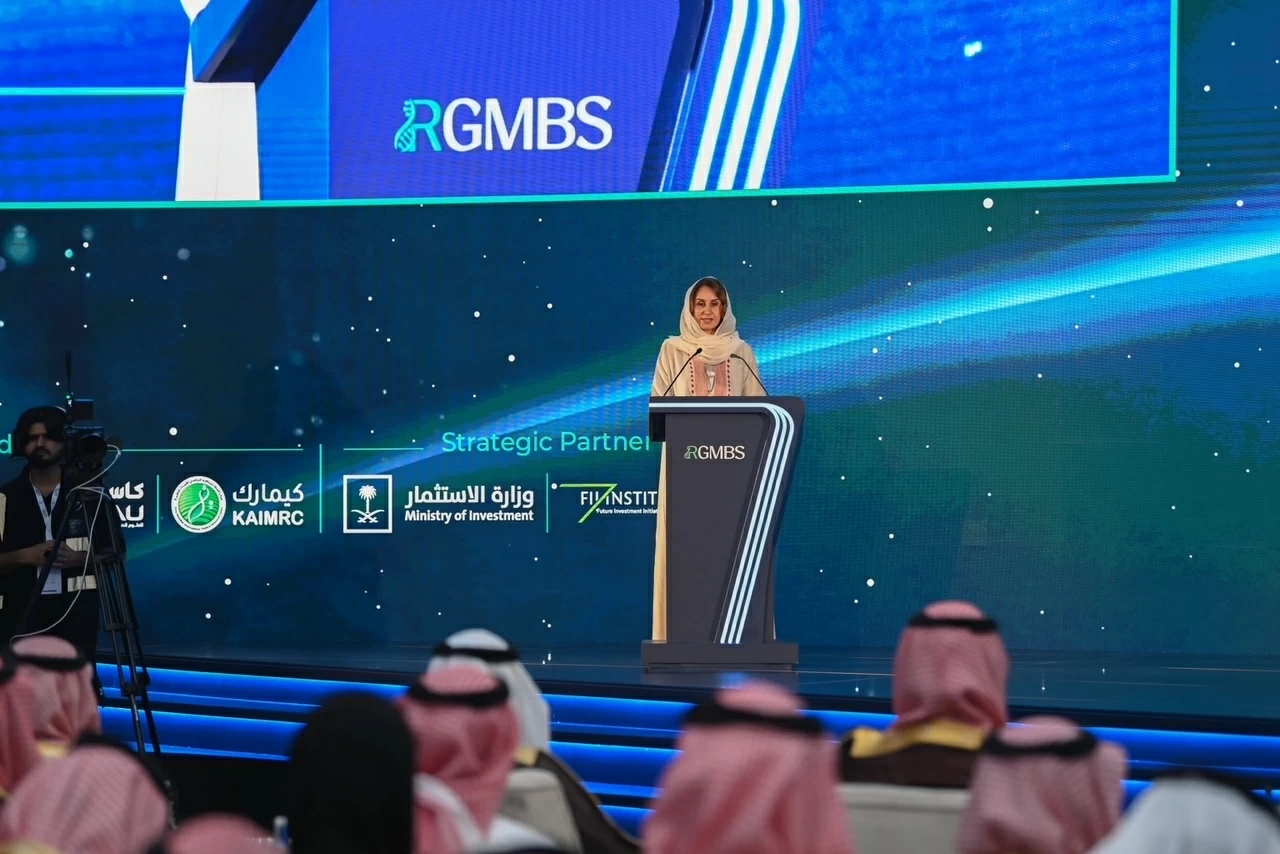
أكدت الرئيس التنفيذي لمبادرة مستقبل الاستثمار الأميرة الدكتورة مها بنت مشاري بن عبدالعزيز، أن المملكة تمتلك المقومات اللازمة لبناء قطاع عالمي وتنافسي في التقنية الحيوية، من خلال ربط القدرات العلمية الوطنية برأس المال والخبرات والمنظومات الدولية، وتحويل الأبحاث والابتكارات إلى منتجات واستثمارات ذات أثر صحي واقتصادي مستدام.
جاء ذلك خلال مشاركتها في النسخة الرابعة من قمة الرياض العالمية للتقنية الحيوية الطبية، التي انطلقت تحت رعاية ولي العهد رئيس مجلس الوزراء رئيس مجلس إدارة مؤسسة مركز الرياض للتقنية الحيوية الأمير محمد بن سلمان بن عبدالعزيز، ودشنها وزير الحرس الوطني عضو مجلس إدارة المؤسسة الأمير عبدالله بن بندر بن عبدالعزيز.
وأوضحت الأميرة مها، خلال حديثها، أن الاستراتيجية الوطنية للتقنية الحيوية تؤسس لمنظومة متكاملة تشمل البحث العلمي، والتصنيع المحلي للقاحات والأدوية والمستحضرات الحيوية، وتعزيز القدرات الوطنية في علم الجينوم والتشخيص الدقيق والعلاجات الموجهة، إلى جانب تطوير حلول مرتبطة بالأمن الغذائي والاستدامة.
وأشارت إلى أن الاستراتيجية تستهدف الإسهام بأكثر من 34 مليار دولار في الناتج المحلي الإجمالي غير النفطي بحلول عام 2040، مؤكدة أن تحقيق هذا العائد يتطلّب نقل الابتكارات من مراحل البحث والاكتشاف إلى تطبيقات قابلة للتوسع والاستثمار.
وبيّنت أن التطورات المتسارعة في التقنية الحيوية باتت ترتبط بصورة وثيقة بالبيانات والقدرات الحوسبية والذكاء الاصطناعي، لافتة إلى ما تمتلكه المملكة من بنية تحتية رقمية، وقدرات حوسبية وطاقة وبيانات، مدعومة برؤية مؤسسية واستراتيجية.
واستعرضت نماذج وطنية لأثر الاستثمار في العلوم والتقنيات الصحية؛ منها برنامج الفحص الطبي قبل الزواج للكشف عن أمراض الدم الوراثية، وتصنيع مستشفى الملك فيصل التخصصي ومركز الأبحاث خلايا (CAR-T) محلياً في الرياض، بما يعكس التقدم في توطين التقنيات الطبية المتقدمة وتسهيل الوصول إلى العلاجات الحديثة.
وأكدت أن مستهدف إضافة خمس سنوات إلى متوسط العمر المتوقع بحلول 2040 يجسد البُعد الإنساني للاستثمار في الصحة والتقنية الحيوية، ويمتد أثره إلى جودة حياة الفرد والأسرة والمجتمع.
وأضافت أن مؤسسة مبادرة مستقبل الاستثمار تعمل على ربط المستثمرين والعلماء وصناع القرار، مشيرة إلى أن مؤتمر المبادرة (FII10)، المقرر عقده في الرياض الشهر القادم، سيناقش التحولات المرتبطة بالذكاء الاصطناعي وعلوم الجينوم والرعاية الصحية الوقائية والفرص الاستثمارية المصاحبة لها.
واختتمت بالتأكيد على أن الشراكات المنشودة يجب أن تتجاوز الحوار وتبادل الخبرات إلى تأسيس الشركات وتطوير التقنيات والعلاجات، مشددة على أن التقنية ينبغي أن تبقى في خدمة الإنسان، وأنّ تكامل القدرات العلمية ورأس المال السعودي مع المنظومات العالمية سيعزز جودة الحياة، ويصنع أثراً صحياً واقتصادياً يمتد من المملكة إلى العالم.
The CEO of the Future Investment Initiative, Princess Dr. Maha bint Mishari bin Abdulaziz, confirmed that the Kingdom possesses the necessary components to build a global and competitive sector in biotechnology, by linking national scientific capabilities with capital, expertise, and international systems, and transforming research and innovations into products and investments with sustainable health and economic impact.
This came during her participation in the fourth edition of the Global Riyadh Summit on Medical Biotechnology, which was launched under the patronage of the Crown Prince, Prime Minister, and Chairman of the Board of the Riyadh Biotechnology Center, Prince Mohammed bin Salman bin Abdulaziz, and inaugurated by the Minister of National Guard and Board Member of the Foundation, Prince Abdullah bin Bandar bin Abdulaziz.
Princess Maha explained during her talk that the national biotechnology strategy establishes an integrated system that includes scientific research, local manufacturing of vaccines, medicines, and biological products, enhancing national capabilities in genomics, precise diagnostics, and targeted therapies, in addition to developing solutions related to food security and sustainability.
She pointed out that the strategy aims to contribute more than $34 billion to the non-oil GDP by 2040, emphasizing that achieving this return requires transferring innovations from research and discovery phases to scalable and investable applications.
She indicated that the rapid developments in biotechnology have become closely linked to data, computing capabilities, and artificial intelligence, highlighting the digital infrastructure, computing capabilities, energy, and data that the Kingdom possesses, supported by an institutional vision and strategy.
She showcased national models of the impact of investment in health sciences and technologies; including the pre-marital medical examination program to detect hereditary blood diseases, and the local manufacturing of King Faisal Specialist Hospital and Research Center's CAR-T cells in Riyadh, reflecting progress in localizing advanced medical technologies and facilitating access to modern treatments.
She affirmed that the goal of adding five years to the average life expectancy by 2040 embodies the human dimension of investment in health and biotechnology, extending its impact to the quality of life of individuals, families, and communities.
She added that the Future Investment Initiative Foundation works to connect investors, scientists, and decision-makers, noting that the initiative's conference (FII10), scheduled to be held in Riyadh next month, will discuss transformations related to artificial intelligence, genomics, preventive healthcare, and the accompanying investment opportunities.
She concluded by emphasizing that the desired partnerships should go beyond dialogue and exchange of experiences to establishing companies and developing technologies and treatments, stressing that technology should remain in the service of humanity, and that the integration of scientific capabilities and Saudi capital with global systems will enhance the quality of life and create a health and economic impact that extends from the Kingdom to the world.