أقر وزير البيئة والمياه والزراعة تحديث اللائحة التنفيذية للإدارة المستدامة للبيئة البحرية والساحلية، بحزمة من الضوابط والمحظورات والإجراءات الرامية إلى حماية البيئة البحرية والساحلية وتعزيز الالتزام البيئي.
ووفق جدول الغرامات، تصل غرامة عدم اتخاذ الإجراءات اللازمة لاحتواء التسربات في البيئة البحرية والساحلية إلى 5 ملايين ريال، وتحدد قيمتها بحسب حجم الأضرار والمساحة المتضررة، مع إلزام المخالف بتصحيح المخالفة وإصلاح الضرر ودفع التعويضات المقررة.
وحظرت اللائحة ممارسة ستة أنشطة دون تصريح بيئي، تشمل السياحة البحرية والساحلية، والنقل والموانئ، والأنشطة الرقابية التقليدية والمتجددة، وتصريف مياه الصرف المعالجة، والتعدين الساحلي، وإنشاء عوامل رسو الوسائط البحرية أو تغيير مواقعها، كما منعت إلقاء أو تصريف مياه الصرف والمكونات السائلة غير المعالجة، أو التخلص من النفايات والمواد الكيميائية السامة والخطرة والزيوت ومشتقاتها والوقود والرواسب والأتربة الملوثة في البيئة البحرية والساحلية.
ضوابط للرصد والمراقبة
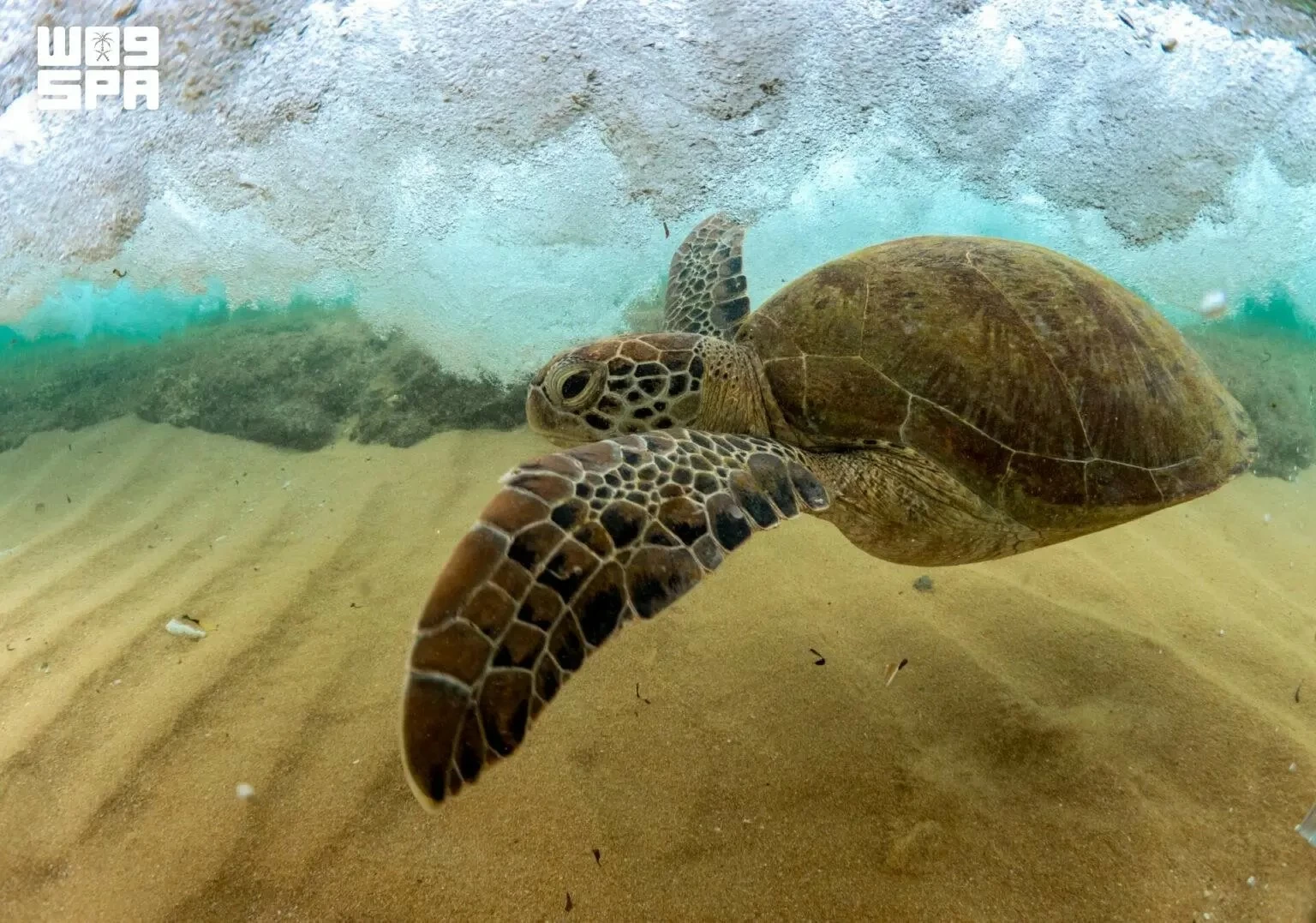
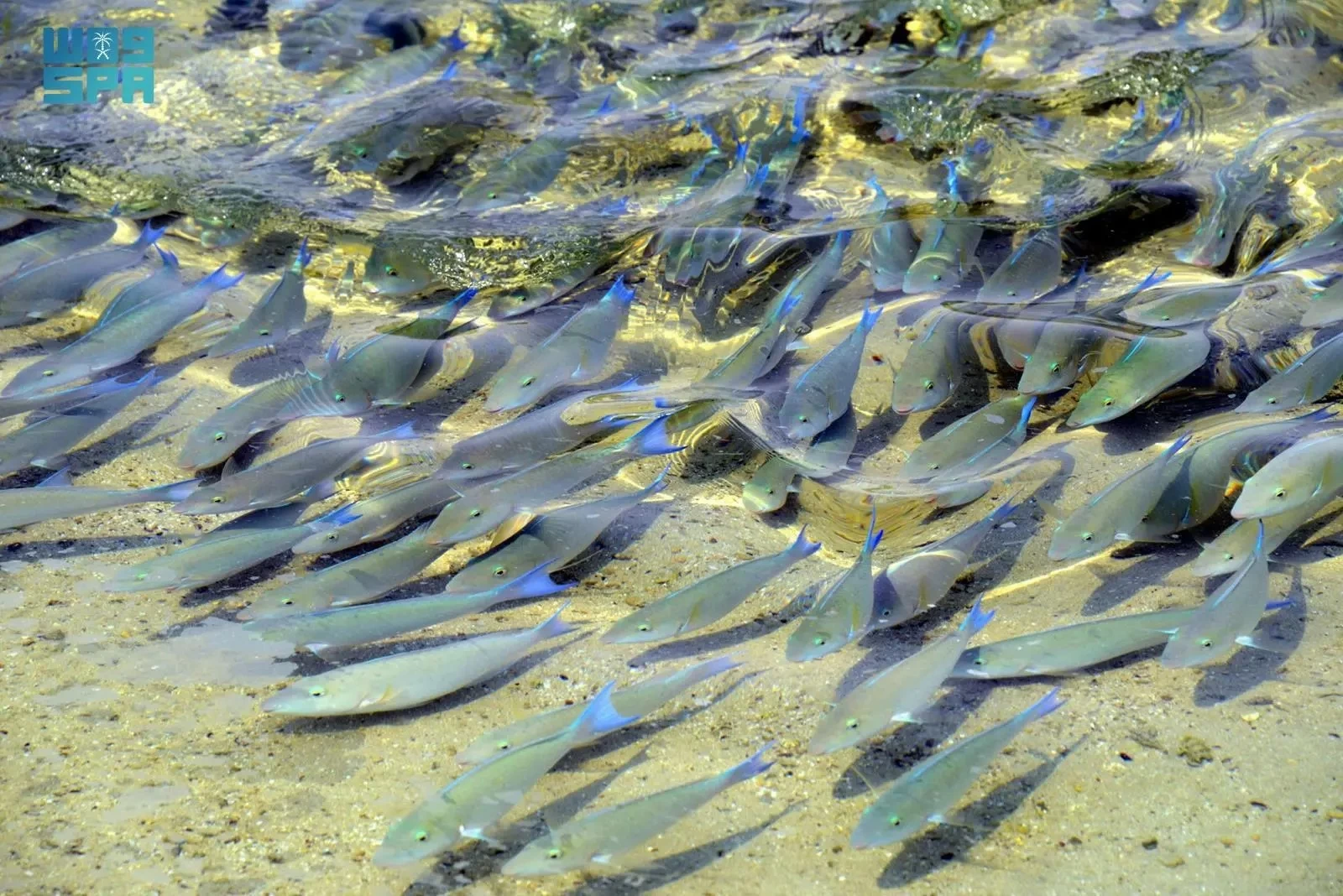
تضمنت اللائحة ضوابط للرصد والرقابة وحماية الحياة الفطرية والشعاب المرجانية والسلاحف، وتنمية الغطاء النباتي الساحلي، والاستجابة للطوارئ والكوارث البيئية، إلى جانب حظر كل ممارسة من شأنها الإخلال بالتوازن البيئي أو تدهور جودة المياه أو الإضرار بالكائنات البحرية والساحلية وموائلها.
وحظرت اللائحة بصورة قاطعة صيد الكائنات الفطرية الحيوانية البحرية باستخدام المتفجرات أو المواد السامة أو المخدرة، وصيد الكائنات الفطرية البحرية المهددة بالانقراض أو المحظور صيدها أو استخراجها أو جمعها، بما في ذلك منتجاتها ومشتقاتها، مع استثناء الأعمال التي تنفذها الجهات المختصة لأغراض الحماية والتنمية أو البحث العلمي بموجب التراخيص النظامية.
الإبلاغ عن التسرب النفطي
منعت اللائحة استخدام وسائل الصيد المحظورة أو التخلص من معدات الصيد في البيئة البحرية والساحلية، وإلقاء المراسي في غير المواقع المخصصة، خصوصاً مناطق الشعاب المرجانية والأعشاب البحرية والمناطق المحمية والموائل الحساسة.
وألزمت اللائحة مالك الواسطة البحرية أو مشغلها أو المسؤول عن النشاط بإبلاغ المركز الوطني للرقابة على الالتزام البيئي فوراً عند حدوث تسرب نفطي أو تسرب مواد ضارة، أو فقد جزء من الحمولة، أو وقوع حادث ذي أثر بيئي، أو ارتكاب مخالفة لأحكام النظام أو اللائحة.
وحظرت اللائحة إدخال الأنواع الغازية والدخيلة، وإتلاف أو الإضرار بموائل الكائنات الفطرية وأماكن تكاثرها، بما فيها الشعاب المرجانية ومناطق تعشيش السلاحف ومستعمرات الطيور البحرية ومناطق حضانات وتكاثر الأحياء المائية.
إعادة الكائن الفطري
ألزمت اللائحة من يتسبب في صيد عرضي لكائن فطري مهدد بالانقراض أو محظور صيده بإعادته فوراً دون المساس بسلامته، وإبلاغ الجهة المختصة في حال نفوقه أو تعرضه للضرر، إلى جانب اتخاذ التدابير اللازمة لمنع احتجاز الكائنات البحرية والساحلية أو جنوحها أو تعرضها للأذى، وحظرت اللائحة استخدام وسائل أو معدات الصيد المحظورة أو المعدلة على نحو يخالف الاشتراطات، والصيد خلال المواسم والفترات المحددة لحماية مواسم التكاثر والتعشيش والنمو.
خبير بيئي: اللائحة حددت نطاق التطبيق
الخبير البيئي الدكتور خالد الصحفي أوضح أن اللائحة حددت نطاق تطبيقها ليشمل البيئة البحرية والساحلية ضمن إقليم المملكة، بما في ذلك الأراضي والجزر والمياه الداخلية والبحر الإقليمي وقاعه وباطن أرضه، إضافة إلى المناطق البحرية الأخرى التي تمارس المملكة عليها حقوق السيادة أو الولاية وفقاً للقانون الدولي.
وأضاف أن اللائحة شددت على تنفيذ أعمال الرصد والرقابة والالتزام البيئي وفق معايير وضوابط تهدف إلى حماية البيئة البحرية والساحلية من التدهور والتلوث، ومنع أي ممارسات تضر بها.
وأشار الصحفي إلى أن المركز الوطني للرقابة على الالتزام البيئي يتولى، في نطاق اختصاصه وصلاحياته، تنفيذ المهام المتعلقة بحماية الحياة الفطرية الحيوانية والبحرية، بما يشمل النباتات والحيوانات، وتنميتها والمحافظة عليها، إلى جانب العمل على إعادة الأنواع المهددة بالانقراض إلى مواطنها الطبيعية في البيئة البحرية والساحلية.
The Minister of Environment, Water, and Agriculture has approved the update of the executive regulations for the sustainable management of the marine and coastal environment, with a package of controls, prohibitions, and procedures aimed at protecting the marine and coastal environment and enhancing environmental compliance.
According to the fines schedule, the penalty for failing to take necessary measures to contain spills in the marine and coastal environment can reach up to 5 million riyals, with its value determined based on the extent of damage and the affected area, obligating the violator to rectify the violation, repair the damage, and pay the stipulated compensations.
The regulations prohibit the practice of six activities without an environmental permit, including marine and coastal tourism, transportation and ports, traditional and renewable regulatory activities, the discharge of treated wastewater, coastal mining, and the establishment or alteration of mooring points for marine vessels. It also prohibits the dumping or discharge of untreated wastewater and liquid components, or the disposal of waste, toxic and hazardous chemicals, oils and their derivatives, fuel, sediments, and contaminated soils into the marine and coastal environment.
Controls for Monitoring and Surveillance
The regulations include controls for monitoring and surveillance, protecting wildlife, coral reefs, and turtles, developing coastal vegetation, and responding to emergencies and environmental disasters, along with prohibiting any practice that would disrupt ecological balance, degrade water quality, or harm marine and coastal organisms and their habitats.
The regulations categorically prohibit the fishing of marine wildlife using explosives or toxic or narcotic substances, as well as the fishing of endangered marine species or those prohibited from being fished, extracted, or collected, including their products and derivatives, with exceptions for actions carried out by competent authorities for protection, development, or scientific research purposes under legal licenses.
Reporting Oil Spills
The regulations prohibit the use of banned fishing methods or the disposal of fishing equipment in the marine and coastal environment, and the dropping of anchors in non-designated areas, especially coral reef areas, seagrass beds, protected areas, and sensitive habitats.
The regulations require the owner of the marine vessel, its operator, or the person responsible for the activity to immediately notify the National Center for Environmental Compliance Monitoring upon occurrence of an oil spill or the release of harmful substances, loss of part of the cargo, an incident with environmental impact, or a violation of the provisions of the law or regulations.
The regulations also prohibit the introduction of invasive and alien species, and the destruction or harm to the habitats of wildlife and their breeding grounds, including coral reefs, turtle nesting areas, seabird colonies, and aquatic nursery and breeding areas.
Returning the Wildlife
The regulations obligate anyone who causes incidental capture of an endangered or prohibited wildlife species to return it immediately without harming its safety, and to notify the relevant authority in case of its death or harm, in addition to taking necessary measures to prevent the entrapment of marine and coastal organisms or their stranding or harm. The regulations prohibit the use of banned or modified fishing methods or equipment that violate the requirements, and fishing during specified seasons and periods to protect breeding, nesting, and growth seasons.
Environmental Expert: The Regulations Define the Scope of Application
Environmental expert Dr. Khalid Al-Sahafi explained that the regulations define their scope of application to include the marine and coastal environment within the Kingdom's territory, including lands, islands, internal waters, territorial sea, its seabed, and subsoil, in addition to other marine areas over which the Kingdom exercises sovereignty or jurisdiction according to international law.
He added that the regulations emphasize the implementation of monitoring, surveillance, and environmental compliance activities according to standards and controls aimed at protecting the marine and coastal environment from degradation and pollution, and preventing any practices that harm it.
Al-Sahafi pointed out that the National Center for Environmental Compliance Monitoring is responsible, within its jurisdiction and powers, for carrying out tasks related to the protection of wildlife, including plants and animals, their development, and conservation, as well as working to return endangered species to their natural habitats in the marine and coastal environment.