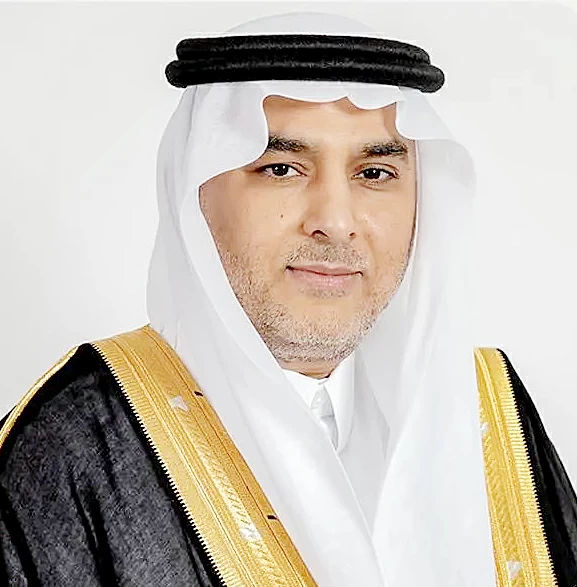
أكد رئيس الهيئة السعودية للبيانات والذكاء الاصطناعي «سدايا» الدكتور عبدالله شرف الغامدي، أن موافقة مجلس الوزراء، خلال جلسته المنعقدة (الثلاثاء)، على النظام الأساس للمركز الدولي لأبحاث وأخلاقيات الذكاء الاصطناعي تجسد الدعم الكبير الذي توليه القيادة لجهود المملكة في تعزيز الذكاء الاصطناعي المسؤول على المستوى العالمي.
ورفع الغامدي، الشكر والامتنان إلى خادم الحرمين الشريفين الملك سلمان بن عبدالعزيز، وولي العهد رئيس مجلس الوزراء الأمير محمد بن سلمان، بمناسبة صدور الموافقة، موضحاً أن المركز، الذي يعمل تحت رعاية منظمة اليونسكو في الرياض، سيمثل خطوة نوعية لدعم البحث والتطوير في مجال الذكاء الاصطناعي، وزيادة الوعي بأخلاقيات هذه التقنيات، وبناء القدرات، وتطوير السياسات ذات الصلة، إلى جانب تعزيز التعاون مع المنظمات والمؤسسات الدولية.
وأضاف، أن «سدايا» تتعاون مع المركز في تحقيق أهدافه من خلال دعم البحث والتطوير، ونشر الوعي بأخلاقيات الذكاء الاصطناعي، وتقديم التوصيات المتعلقة بالسياسات، وتعزيز بناء القدرات على المستوى العالمي، بما يسهم في تحقيق أهداف التنمية المستدامة للأمم المتحدة وأولويات منظمة اليونسكو.
The President of the Saudi Data and Artificial Intelligence Authority (SDAIA), Dr. Abdullah Sharaf Al-Ghamdi, confirmed that the approval of the Council of Ministers, during its session held on Tuesday, of the foundational system for the International Center for Research and Ethics of Artificial Intelligence embodies the significant support that the leadership provides to the Kingdom's efforts in promoting responsible artificial intelligence on a global level.
Al-Ghamdi expressed his gratitude and appreciation to the Custodian of the Two Holy Mosques, King Salman bin Abdulaziz, and the Crown Prince, Prime Minister Prince Mohammed bin Salman, on the occasion of the approval, explaining that the center, which operates under the auspices of UNESCO in Riyadh, will represent a qualitative step to support research and development in the field of artificial intelligence, increase awareness of the ethics of these technologies, build capacities, and develop related policies, in addition to enhancing cooperation with international organizations and institutions.
He added that SDAIA is collaborating with the center to achieve its goals by supporting research and development, raising awareness of artificial intelligence ethics, providing policy-related recommendations, and enhancing capacity building at the global level, contributing to the achievement of the United Nations Sustainable Development Goals and the priorities of UNESCO.