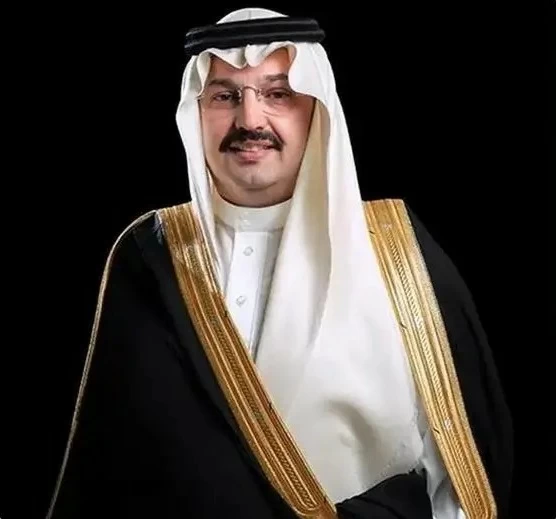
أكد أكاديميون أن توجيه أمير منطقة عسير الأمير تركي بن طلال بن عبدالعزيز، بمنع تصوير أو توثيق أو تداول ما يجري في مجالس الصلح والملافي والوجاهات القبلية إلا بعد الحصول على موافقة رسمية مسبقة، يسهم في حماية خصوصية الأطراف المتنازعة، ويعزز فرص نجاح جهود الإصلاح، ويحافظ على مكانة المجالس ورسالتها الاجتماعية بعيدًا عن الاستعراض الإعلامي.
ويقضي التوجيه بمنع تصوير الحضور أو أطراف الصلح أو ما يدور من مداولات أو عبارات أو مستندات أو مبالغ أو إجراءات مرتبطة بالصلح بأي وسيلة، بما في ذلك وسائل التواصل الاجتماعي، إلا بعد موافقة الجهة المختصة.
و شدّد الأكاديميون على أن التوجيه يعكس حرص أمير المنطقة على تنظيم الأعراف الاجتماعية بما يضمن احترام خصوصية الأفراد، ويمنع استغلال المناسبات أو إثارة الرأي العام.
وأكدوا أن ضبط عملية التوثيق يرسّخ الثقة بين أطراف النزاع ويُشعرهم بالأمان، ويُسهم في تهيئة بيئة أكثر هدوءًا تساعد على الوصول إلى حلول عادلة ومستدامة، بعيدًا عن الضغوط الإعلامية.
تسريب أسرار المفاوضات
الدكتور علي عبدالله آل زهير
رئيس قسم الإعلام والاتصال بجامعة الملك خالد الدكتور علي عبدالله آل زهير، قال إن منصات التواصل الاجتماعي أصبحت سببًا في تعثر بعض جهود الصلح من خلال نقل النقاشات إلى العلن، وإثارة النعرات، وتسريب أسرار المفاوضات. وأوضح أن نشر تفاصيل الجلسات قبل اكتمالها قد يجهض الحلول، ويفتح الباب أمام تدخل غير المختصين، ويحيل مجالس الصلح إلى استعراضات إعلامية تعرقل الوصول إلى توافق هادئ، فضلًا عن استنزاف الوقت في مواجهة الشائعات بدلًا من تقريب وجهات النظر.
قرار حكيم ورؤية واعية
الدكتور يحيى حسن الفيفي
وصف الدكتور يحيى حسن الفيفي التوجيه بأنه قرار حكيم يجسد رؤية واعية وإدراكًا لأهمية هذه المجالس ودورها في الإصلاح ورأب الصدع وجمع الكلمة، مؤكدًا أن نجاح الصلح يقوم على الثقة والخصوصية لا على عدسات التصوير ومنصات المشاهدات.
وأضاف أن تحول بعض مجالس الإصلاح إلى مادة لصناع المحتوى بحثًا عن «الترند» قد يحرج الأطراف، ويؤثر في مسار الصلح، كما أن تداول المقاطع خارج سياقها يفتح باب التأويل والاجتهادات غير المنضبطة، وقد يضر بسمعة الأفراد والأسر. وأكد أن التوجيه لا يقيد العمل الإعلامي، بل ينظمه بما يحقق المصلحة العامة، ويحفظ كرامة الإنسان وهيبة مجالس الصلح، ويعزز مكانة منطقة عسير في الموازنة بين الحفاظ على الموروث الاجتماعي ومواكبة مستجدات العصر.
جبر الخواطر وإطفاء الفتن
الدكتور علي آل الفرس
بدوره، استشهد الدكتور علي آل الفرس بحلف الفضول الذي شهده النبي ﷺ قبل البعثة، مبينًا أن التاريخ لم ينقل أسماء المتخاصمين أو تفاصيل المداولات، وإنما بقيت النتيجة وهي نصرة المظلوم وإنهاء الظلم، معتبرًا أن العبرة في الإصلاح بتحقيق الصلح لا بتوثيق تفاصيله.
وأشار إلى أن توجيه أمير منطقة عسير يعيد مجالس الصلح إلى رسالتها الأصيلة بوصفها مجالس لبناء الثقة وجبر الخواطر وإطفاء الفتن، لا ساحات للتنافس على المشاهدات، مؤكدًا أن الخصوصية تمنح الأطراف مساحة أكبر للاعتراف والتنازل، وتزيد فرص الوصول إلى صلح حقيقي ومستدام.
Academics have confirmed that the directive from the Emir of Asir Region, Prince Turki bin Talal bin Abdulaziz, to prohibit the photographing, documenting, or circulating of what occurs in reconciliation councils, mediations, and tribal dignitaries' meetings without prior official approval, contributes to protecting the privacy of the disputing parties, enhances the chances of successful reform efforts, and maintains the status and social message of these councils away from media spectacle.
The directive prohibits the photographing of attendees, reconciliation parties, or any discussions, statements, documents, amounts, or procedures related to the reconciliation by any means, including social media, unless approved by the relevant authority.
Academics emphasized that the directive reflects the Emir's concern for organizing social norms in a way that ensures respect for individual privacy and prevents the exploitation of occasions or stirring public opinion.
They confirmed that regulating the documentation process establishes trust between the disputing parties and makes them feel secure, contributing to creating a calmer environment that helps achieve fair and sustainable solutions, away from media pressures.
Leaking Negotiation Secrets
الدكتور علي عبدالله آل زهير
The head of the Media and Communication Department at King Khalid University, Dr. Ali Abdullah Al-Zuhair, stated that social media platforms have become a reason for the failure of some reconciliation efforts by bringing discussions into the public eye, stirring tensions, and leaking negotiation secrets. He explained that publishing details of sessions before their completion may thwart solutions, open the door for non-specialists to intervene, and turn reconciliation councils into media spectacles that hinder reaching a calm consensus, in addition to wasting time addressing rumors instead of bridging viewpoints.
Wise Decision and Conscious Vision
الدكتور يحيى حسن الفيفي
Dr. Yahya Hassan Al-Fifi described the directive as a wise decision that embodies a conscious vision and an understanding of the importance of these councils and their role in reforming, mending rifts, and unifying voices, emphasizing that the success of reconciliation relies on trust and privacy, not on cameras and viewing platforms.
He added that the transformation of some reform councils into content material for creators seeking "trends" may embarrass the parties involved and affect the course of reconciliation, as well as the circulation of clips out of context opens the door to misinterpretations and uncontrolled speculations, which may harm the reputation of individuals and families. He confirmed that the directive does not restrict media work but rather organizes it in a way that serves the public interest, preserves human dignity, and upholds the dignity of reconciliation councils, enhancing the status of Asir Region in balancing the preservation of social heritage with keeping up with contemporary developments.
Soothing Hearts and Extinguishing Strife - Dr. Ali Al-Faris
الدكتور علي آل الفرس
For his part, Dr. Ali Al-Faris cited the Pact of Al-Fudul witnessed by the Prophet ﷺ before the mission, indicating that history did not record the names of the disputants or the details of the deliberations, but rather the outcome remained, which is supporting the oppressed and ending injustice, considering that the essence of reform lies in achieving reconciliation, not in documenting its details.
He pointed out that the directive from the Emir of Asir Region returns reconciliation councils to their original message as councils for building trust, soothing hearts, and extinguishing strife, not arenas for competing for views, emphasizing that privacy grants the parties greater space to acknowledge and concede, increasing the chances of reaching a genuine and sustainable reconciliation.