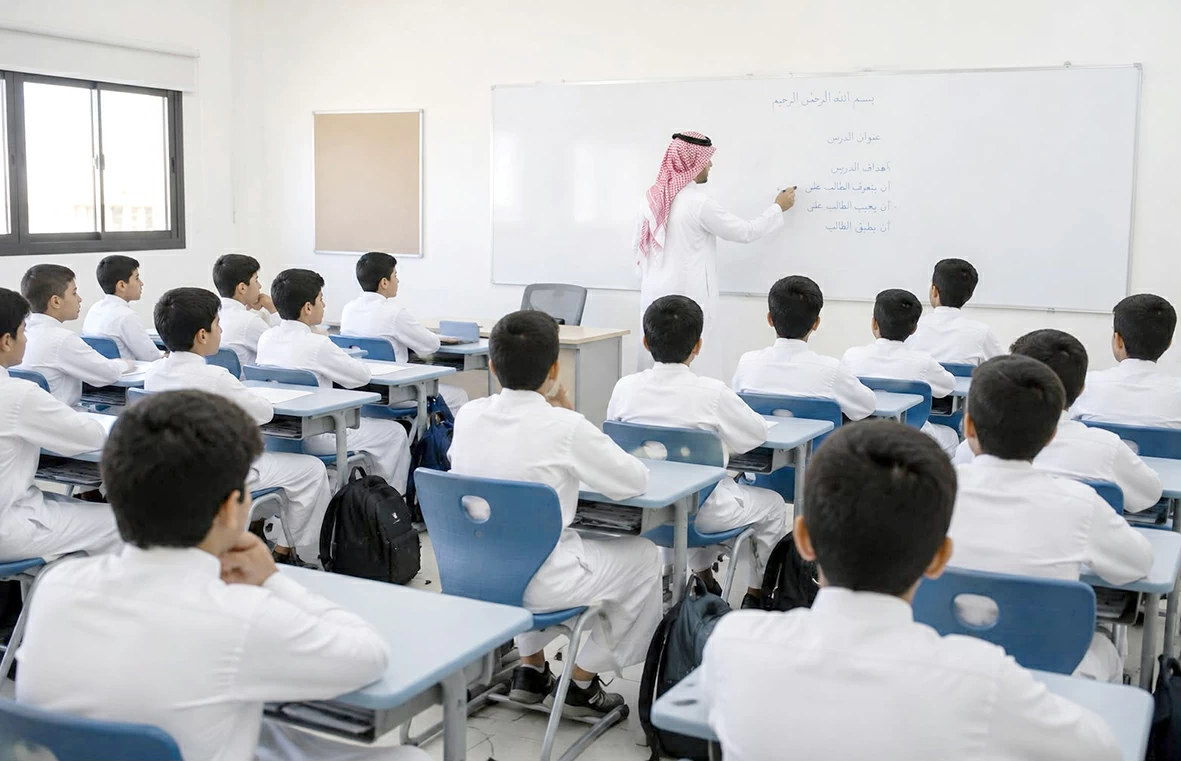
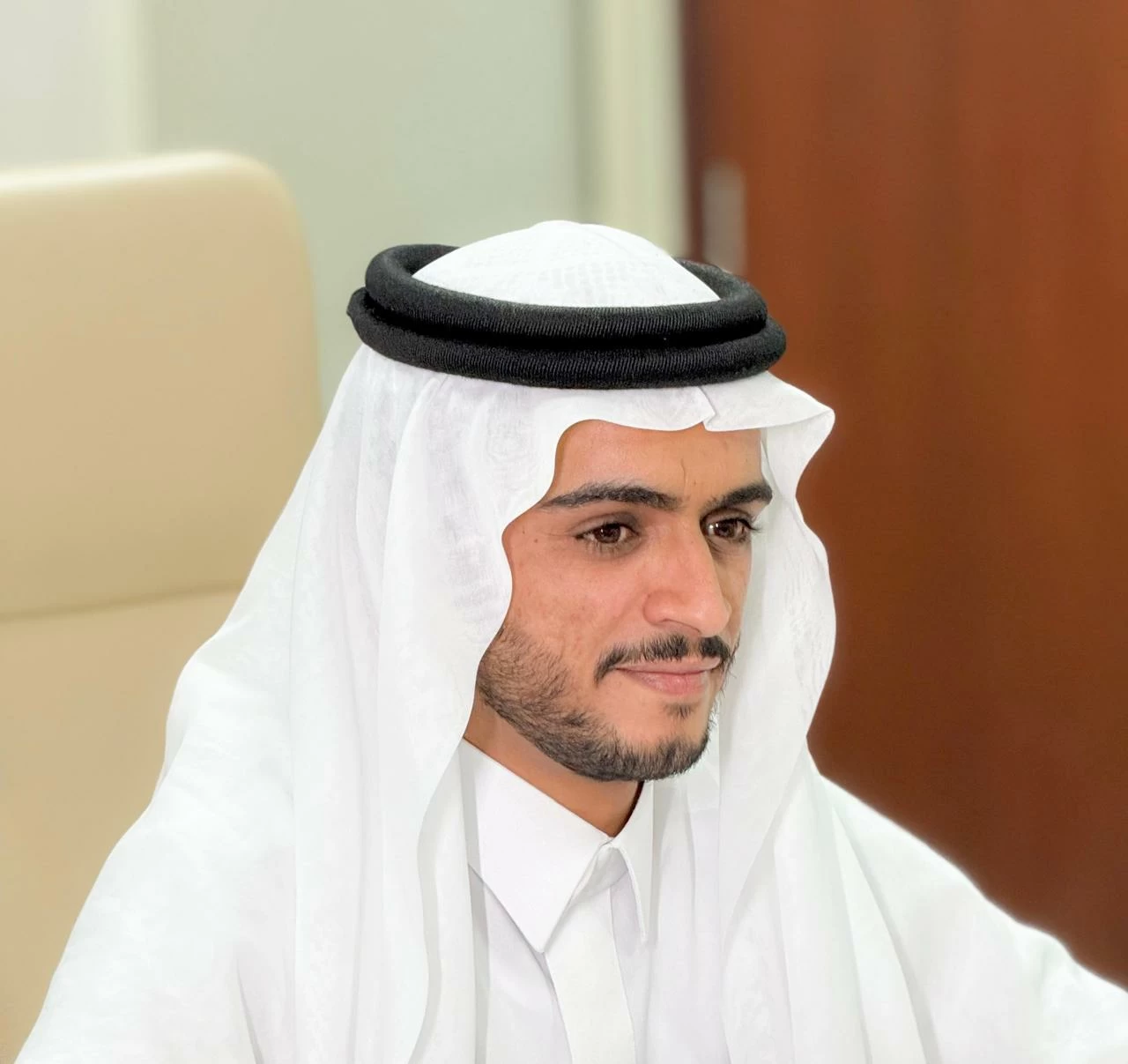
رسّخ نظام التعليم العام الجديد مجانية التعليم الحكومي بوصفها حقاً مكفولاً للجميع، إذ نصت المادة الثالثة بوضوح على أن التعليم العام حق للجميع، ويوفر مجاناً في المؤسسات التعليمية الحكومية، مما يؤكد التزام الدولة بضمان حصول كل أفراد المجتمع على التعليم دون أي مقابل، وأن مجانية التعليم أصبحت مبدأً نظامياً ثابتاً يعزز الحماية القانونية لهذا الحق. وأوضح المستشار القانوني وليد العتيبي لـ«عكاظ»، أن وجود المدارس الأهلية والعالمية التي تتقاضى رسوماً لا يعني وجود توجه لفرض رسوم على التعليم الحكومي، بل يمثل مساراً اختيارياً يوفر بدائل متنوعة للطلاب وأولياء الأمور، فيما يبقى التعليم الحكومي مجانياً كما قرره النظام. وبيّن، أن صياغة المادة الثالثة جاءت حاسمة باستخدام عبارة «يوفر التعليم العام مجاناً في المؤسسات التعليمية الحكومية»، بما يعكس إرادة واضحة في ترسيخ مجانية التعليم واستمرار التزام الدولة بتحمل تكاليفه باعتباره أحد الحقوق الأساسية وركيزة مهمة في بناء الإنسان وتحقيق مستهدفات رؤية المملكة 2030.
من جانبه، أكد الباحث التربوي مخلد الروقي لـ«عكاظ»، أن نجاح تطوير التعليم لا يقتصر على إصدار الأنظمة واللوائح، بل يتطلب معالجة خمسة تحديات ميدانية تواجه المدارس والمعلمين والبيئة التعليمية، أبرزها تكدس الطلاب داخل الفصول، وغياب مسار واضح للترقيات والحوافز المهنية للمعلمين، والتوسع في التعليم المدمج دون وضوح آليات تطبيقه، وضعف البيئات الدراسية في عدد من المدارس، إضافة إلى تحميل المدرسة والمعلم مسؤوليات إضافية دون معالجة التحديات القائمة. وأشار إلى أن نجاح أي نظام تعليمي يستلزم معالجة واقع المدارس، ودعم المعلم وتهيئة البيئة التعليمية، وتوفير الإمكانات التي تترجم أهداف النظام إلى نتائج ملموسة.
The new public education system has solidified the principle of free government education as a right guaranteed for all, as Article Three clearly states that public education is a right for everyone and is provided free of charge in government educational institutions. This emphasizes the state's commitment to ensuring that all members of society have access to education without any cost, and that free education has become a fixed systemic principle that enhances the legal protection of this right. Legal advisor Walid Al-Otaibi explained to "Okaz" that the existence of private and international schools that charge fees does not indicate a trend towards imposing fees on government education; rather, it represents an optional pathway that offers diverse alternatives for students and parents, while government education remains free as stipulated by the system. He pointed out that the wording of Article Three was decisive by using the phrase "public education is provided free of charge in government educational institutions," reflecting a clear will to establish free education and the continued commitment of the state to bear its costs as one of the fundamental rights and an important pillar in building individuals and achieving the goals of Saudi Vision 2030.
For his part, educational researcher Makhlid Al-Ruqai confirmed to "Okaz" that the success of education development is not limited to issuing laws and regulations, but requires addressing five field challenges facing schools, teachers, and the educational environment. These challenges include overcrowding of students in classrooms, the absence of a clear pathway for promotions and professional incentives for teachers, the expansion of blended learning without clear implementation mechanisms, the weak learning environments in several schools, in addition to placing additional responsibilities on schools and teachers without addressing existing challenges. He noted that the success of any educational system necessitates addressing the realities of schools, supporting teachers, preparing the educational environment, and providing the resources that translate the system's objectives into tangible results.