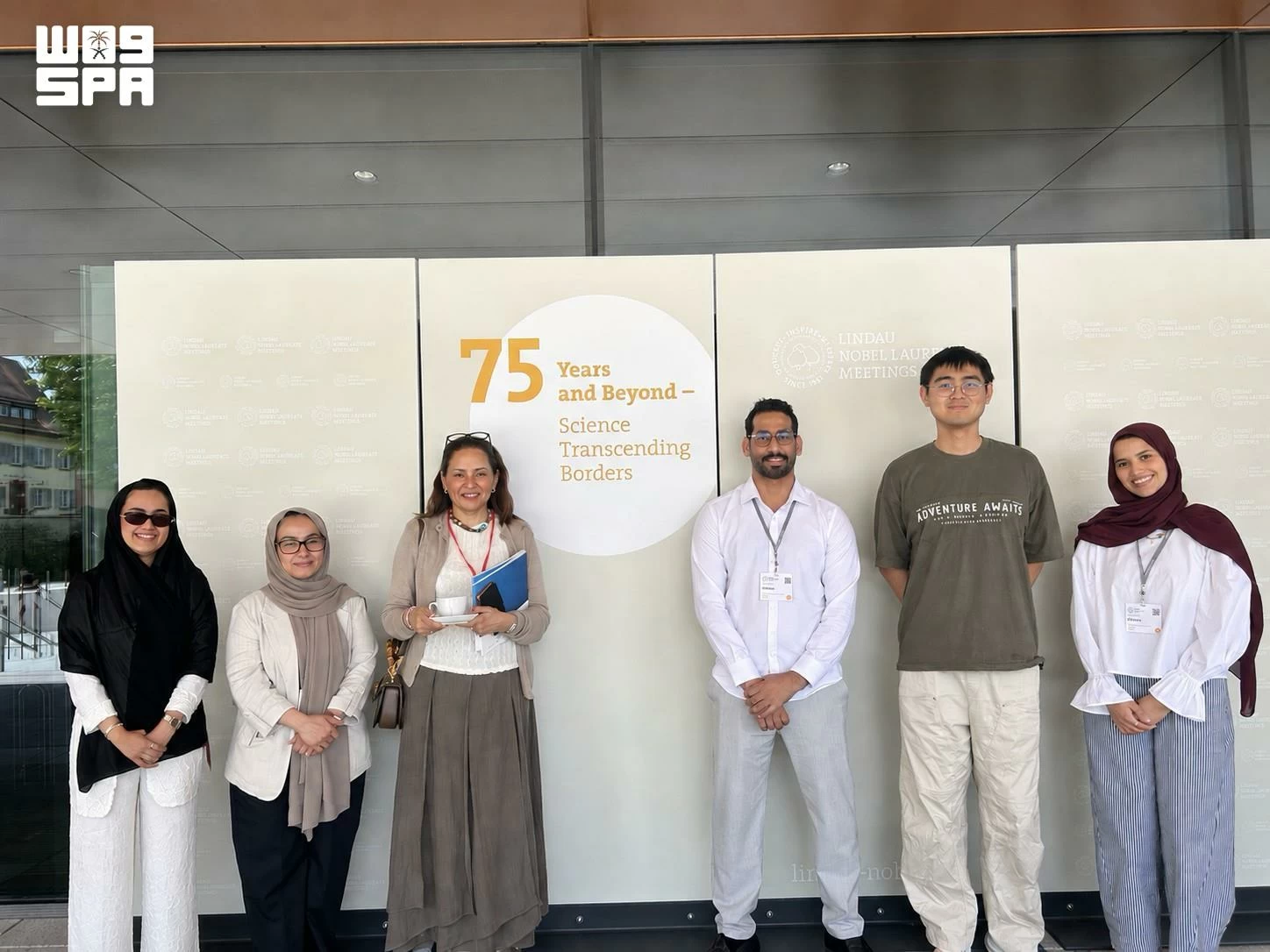
شاركت مؤسسة «موهبة»، ممثلة برئيس مركز المعرفة والابتكار الدكتورة ريم الفريان، في الاجتماع الخامس والسبعين للحائزين على جائزة نوبل في لينداو الذي عُقد في مدينة لينداو الألمانية، بمشاركة نحو 70 حائزًا على جائزة نوبل، وأكثر من 600 عالم شاب يمثلون أكثر من 100 دولة.
وهدفت المشاركة إلى الاطلاع على أفضل الممارسات العالمية في دعم منظومة البحث العلمي والابتكار، وتعزيز التعاون مع المؤسسات العلمية الدولية، وتبادل المعرفة والخبرات، بما يسهم في تطوير المبادرات والبرامج المعرفية في «موهبة»، إلى جانب تمثيل المؤسسة في هذا المحفل العلمي الدولي.
وشهد الاجتماع جلسات علمية وحوارية وورش عمل تناولت أحدث المستجدات في مجالات العلوم والبحث والابتكار، حيث تصدّر الذكاء الاصطناعي النقاشات، مع التركيز على حدود الثقة في مخرجاته في البحث العلمي، والتأكيد لأهمية التجربة وإمكانية التحقق المستقل عند اعتماد النتائج العلمية، إلى جانب دور الاكتشافات غير المتوقعة في دفع التقدم العلمي.
وناقشت الجلسات عددًا من القضايا العالمية ذات الأولوية، من أبرزها الأمن الغذائي، وتغير المناخ، ودبلوماسية العلوم، ودور البحث العلمي في مواجهة التحديات الإنسانية.
واختُتمت أعمال الاجتماع بالتأكيد لأهمية التعليم في تنمية مهارات التفكير النقدي، وتعزيز ثقة المجتمع بالعلم في مواجهة المعلومات المضللة.
The "Mawhiba" Foundation, represented by the Head of the Knowledge and Innovation Center, Dr. Reem Al-Faryan, participated in the 75th meeting of Nobel Laureates in Lindau, held in the German city of Lindau, with the participation of about 70 Nobel Laureates and more than 600 young scientists representing over 100 countries.
The participation aimed to learn about global best practices in supporting the scientific research and innovation ecosystem, enhancing collaboration with international scientific institutions, and exchanging knowledge and experiences, which contributes to the development of initiatives and knowledge programs at "Mawhiba," in addition to representing the foundation in this international scientific forum.
The meeting featured scientific sessions, discussions, and workshops that addressed the latest developments in the fields of science, research, and innovation, with artificial intelligence dominating the discussions, focusing on the limits of trust in its outputs in scientific research, and emphasizing the importance of experimentation and the possibility of independent verification when relying on scientific results, alongside the role of unexpected discoveries in driving scientific progress.
The sessions discussed a number of priority global issues, most notably food security, climate change, science diplomacy, and the role of scientific research in addressing humanitarian challenges.
The meeting concluded with an emphasis on the importance of education in developing critical thinking skills and enhancing community trust in science in the face of misinformation.