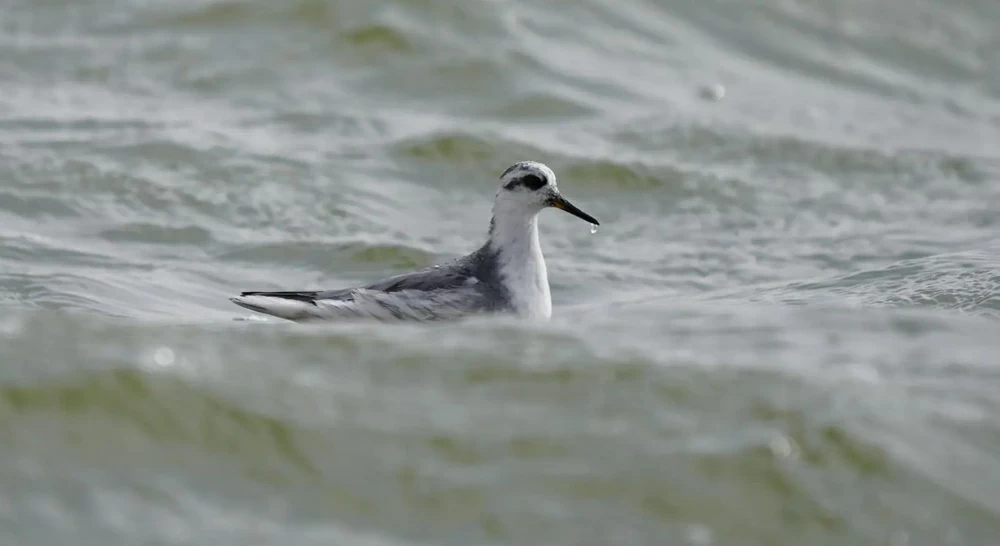
أعلنت هيئة تطوير محمية الملك عبدالعزيز الملكية تمكُّن فريق بحثي متخصص من توثيق أول رصد مؤكد لطائر «الفلوروب الأرمد» (Phalaropus fulicarius) داخل نطاق المحمية، وذلك في تسجيلٍ يُعد الأندر من نوعه في السجلات الطيرية على مستوى المملكة العربية السعودية وشبه الجزيرة العربية.
وكشف المتحدث باسم هيئة تطوير محمية الملك عبدالعزيز الملكية، عبدالعزيز الفريح، أنه جرى توثيق الطائر خلال شهر فبراير 2026، في (رطبة سدير الاصطناعية) داخل نطاق المحمية، وهي موئل مائي دائم ناتج عن تصريف المياه المعالجة في منطقة سدير الصناعية، مضيفاً أنه تم توثيق الطائر بواسطة فريقٍ بحثي مشترك ضم مختصين من الهيئة، وجامعة الملك سعود، إذ رُصد فرد بالغ في كسوته الشتوية غير التكاثرية أثناء تغذيته داخل إحدى المناطق الرطبة جنوب المحمية، وتم نشر هذا الرصد العلمي في مجلة «Check List» العالمية المحكمة، وهي إحدى المنصات المرجعية الدولية المتخصصة في أبحاث التنوع البيولوجي وعلم الطيور، التي تكمن أهميتها الاستثنائية في توثيق حركة الطيور النادرة وسد الفجوات الجغرافية لخرائط الهجرة عالمياً.
ويُعد «الفلوروب الأرمد» من الطيور البحرية المهاجرة التي تقضي معظم دورة حياتها في المحيطات المفتوحة، وتتكاثر في مناطق القطب الشمالي، فيما يُعد ظهوره في البيئات الرطبة الداخلية بالمملكة حدثاً استثنائياً يعكس القيمة البيئية المتنامية للمحمية وقدرتها على استقطاب أنواع نادرة وعابرة لمسافاتٍ طويلة.
ويأتي هذا الاكتشاف امتداداً لسلسلةٍ من الإنجازات العلمية التي شهدتها المحمية خلال الأعوام الأخيرة، شملت تسجيل أنواع نادرة وتأكيد تكاثر أنواع أخرى للمرة الأولى، ما يعزز مكانتها منصةً وطنيةً للبحث والرصد البيئي، ويؤكد الدور المحوري الذي تؤديه في دعم مستهدفات المملكة لحماية الحياة الفطرية واستدامة النظم البيئية.
وتواصل هيئة تطوير محمية الملك عبدالعزيز الملكية تنفيذ برامج الرصد البيئي والدراسات العلمية المتخصصة بالشراكة مع المؤسسات البحثية والأكاديمية؛ بهدف توثيق الأنواع الفطرية ورصد أنماط هجرتها وتوزيعها، والإسهام في تطوير المعرفة العلمية المتعلقة بالتنوع الأحيائي، بما يدعم اتخاذ القرارات البيئية المبنية على البيانات ويعزز استدامة الموارد الطبيعية للأجيال القادمة.
The King Abdulaziz Royal Reserve Development Authority announced that a specialized research team has successfully documented the first confirmed sighting of the "Red-necked Phalarope" (Phalaropus fulicarius) within the reserve, marking a record that is considered one of the rarest of its kind in bird records across the Kingdom of Saudi Arabia and the Arabian Peninsula.
The spokesperson for the King Abdulaziz Royal Reserve Development Authority, Abdulaziz Al-Furaih, revealed that the bird was documented in February 2026, at the (Rutabah Artificial Dam) within the reserve, which is a permanent water habitat resulting from the discharge of treated water in the Sudair Industrial Area. He added that the bird was documented by a joint research team that included specialists from the authority and King Saud University, where an adult individual was observed in its non-breeding winter plumage while feeding in one of the wet areas south of the reserve. This scientific observation was published in the peer-reviewed journal "Check List," which is one of the international reference platforms specializing in biodiversity and ornithology research, and its exceptional importance lies in documenting the movements of rare birds and filling geographical gaps in global migration maps.
The "Red-necked Phalarope" is considered a migratory seabird that spends most of its life cycle in open oceans and breeds in the Arctic regions. Its appearance in the internal wet environments of the Kingdom is an exceptional event that reflects the growing environmental value of the reserve and its ability to attract rare and long-distance migratory species.
This discovery comes as an extension of a series of scientific achievements witnessed by the reserve in recent years, which included the recording of rare species and the confirmation of the breeding of other species for the first time, enhancing its status as a national platform for environmental research and monitoring, and affirming the pivotal role it plays in supporting the Kingdom's objectives for wildlife protection and the sustainability of ecosystems.
The King Abdulaziz Royal Reserve Development Authority continues to implement environmental monitoring programs and specialized scientific studies in partnership with research and academic institutions, aiming to document native species and monitor their migration patterns and distribution, and to contribute to the development of scientific knowledge related to biodiversity, which supports data-driven environmental decision-making and enhances the sustainability of natural resources for future generations.