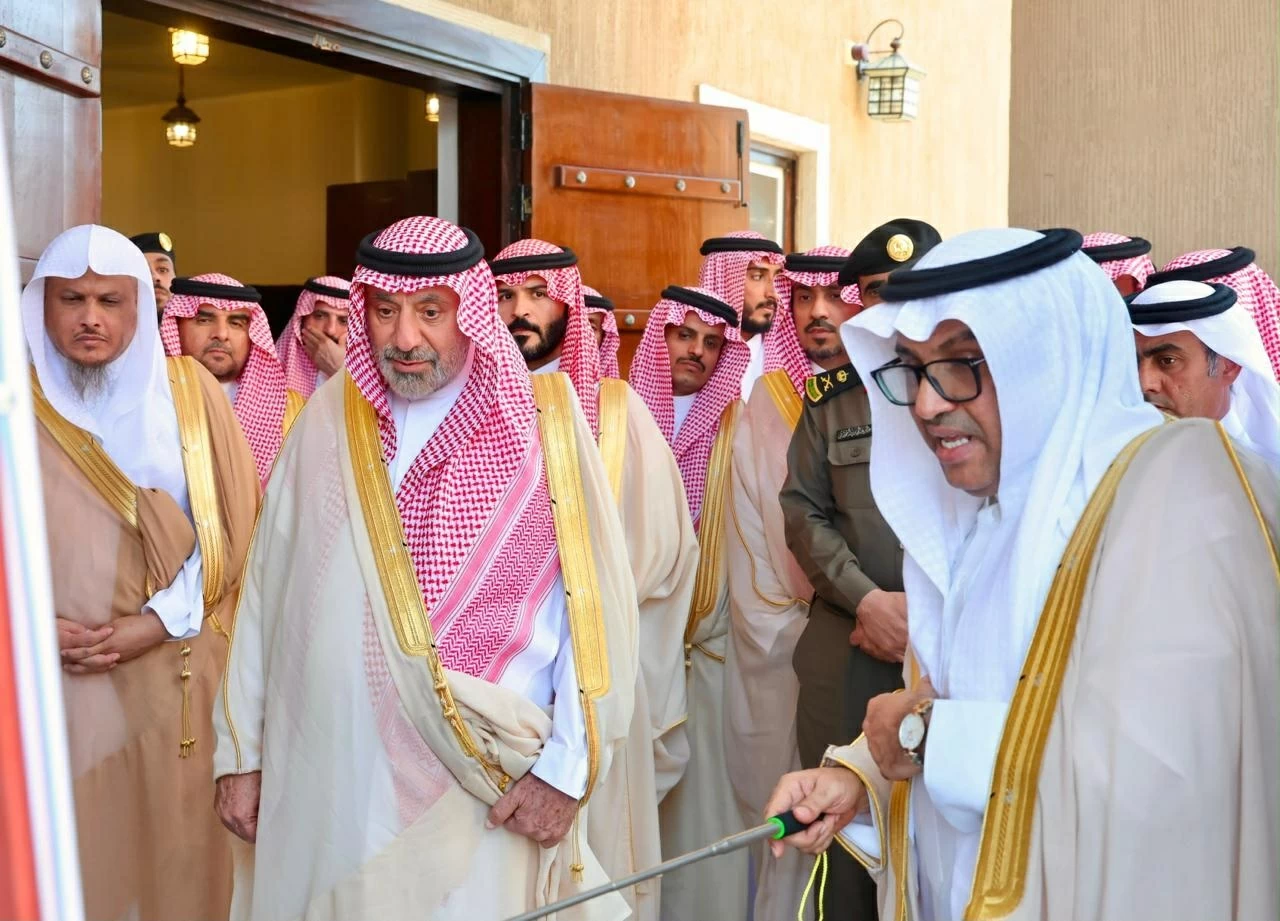
أكَّد أمير منطقة نجران الأمير جلوي بن عبدالعزيز بن مساعد، أهمية المحافظة على المواقع التاريخية والتراثية، وتعزيز هويتها العمرانية والثقافية، مشيدًا بمشروع الأمير محمد بن سلمان لتطوير المساجد التاريخية، وما يمثله من اهتمام بإعادة تأهيل المساجد التاريخية، والمحافظة على أصالتها المعمارية، وإبراز مكانتها الدينية والحضارية.
جاء ذلك خلال وقوفه اليوم، على مشاريع تطوير وتأهيل المنطقة التاريخية بحي أبا السعود بمدينة نجران، الهادفة إلى تعزيز الهوية التراثية، وتحسين المشهد الحضري، وتطوير البنية التحتية والخدمات، وتهيئة المنطقة؛ لتكون وجهة سياحية وثقافية واستثمارية جاذبة للسكان والزوار.
وزار أمير منطقة نجران خلال الجولة مسجد الزبير بن العوام، أحد المساجد التاريخية التي شملها مشروع الأمير محمد بن سلمان لتطوير المساجد التاريخية، مستمعًا إلى شرح من مدير عام فرع الشؤون الإسلامية بالمنطقة مشعل بن سالم العتيبي، ومدير فرع هيئة التراث بمنطقة نجران حمد بن مانع أبو ساق، عن أعمال تأهيل المسجد، التي شملت إعادة ترميمه باستخدام المواد الطبيعية الأصلية، والمحافظة على طرازه المعماري النجراني، بما أعاد إليه هويته التراثية وقيمته التاريخية، ويُعد المسجد، الذي بُني عام 1386هـ، أول جامع في منطقة السوق الشعبية القديمة، ويتسع لأكثر من ألف مصلٍّ.
كما استمع إلى شرح من أمين المنطقة المهندس صالح بن غرم الله الغامدي، عن مشاريع التطوير الجاري تنفيذها في تطوير وتأهيل المنطقة التاريخية، التي تشمل إنشاء طريق الحلفاء الجديد بطول (520) مترًا، وإنشاء دوار البلد بما يعكس الهوية العمرانية لمنطقة نجران، إلى جانب تنفيذ بوليفارد تجاري، وإنشاء حديقة البلد على مساحة (19) ألف متر مربع، وتأهيل المباني على المحاور التجارية لنحو 130 مبنى؛ إضافة إلى تأهيل 4 أسواق شعبية، وواجهات المباني والمحلات التجارية، بما يسهم في المحافظة على الإرث التاريخي للمنطقة وتعزيز مكانتها السياحية والثقافية والاستثمارية.
The Emir of Najran, Prince Jalawi bin Abdulaziz bin Musaed, emphasized the importance of preserving historical and heritage sites and enhancing their architectural and cultural identity, praising Prince Mohammed bin Salman's project to develop historical mosques and what it represents in terms of interest in rehabilitating historical mosques, preserving their architectural authenticity, and highlighting their religious and civilizational significance.
This came during his visit today to the development and rehabilitation projects in the historical area of Aba Saud in Najran city, aimed at enhancing the heritage identity, improving the urban landscape, developing infrastructure and services, and preparing the area to be an attractive tourist, cultural, and investment destination for residents and visitors.
During the tour, the Emir of Najran visited the Al-Zubair bin Al-Awwam Mosque, one of the historical mosques included in Prince Mohammed bin Salman's project to develop historical mosques, listening to an explanation from the Director General of the Islamic Affairs Branch in the region, Mishaal bin Salem Al-Otaibi, and the Director of the Heritage Authority Branch in Najran, Hamad bin Mani Abou Saq, about the rehabilitation works of the mosque, which included restoration using original natural materials and preserving its Najrani architectural style, thereby restoring its heritage identity and historical value. The mosque, built in 1386 AH, is the first mosque in the old popular market area and accommodates more than a thousand worshippers.
He also listened to an explanation from the region's Secretary, Engineer Saleh bin Gharam Allah Al-Ghamdi, about the ongoing development projects in the historical area, which include the construction of the new Al-Hulafa Road, extending 520 meters, and the establishment of a roundabout that reflects the architectural identity of Najran, in addition to implementing a commercial boulevard and creating Al-Balad Park over an area of 19,000 square meters, and rehabilitating buildings along the commercial axes of about 130 buildings; in addition to rehabilitating 4 popular markets and the facades of buildings and commercial shops, which contributes to preserving the historical legacy of the area and enhancing its tourism, cultural, and investment status.