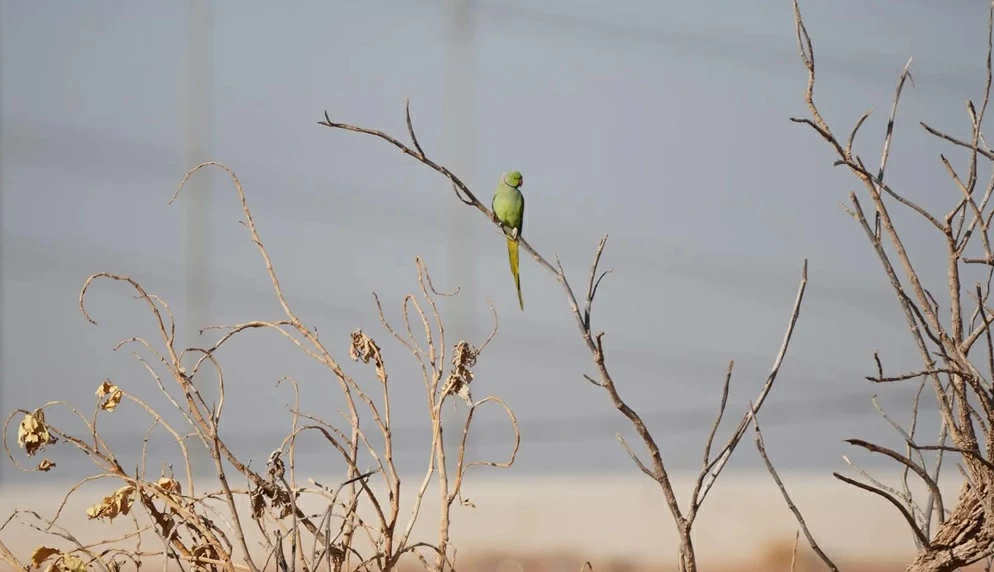
أعلنت هيئة تطوير محمية الملك عبدالعزيز الملكية تحقيق إنجاز بيئي بارز خلال النصف الأول من عام 2026، تمثّل في رصد وتوثيق 34 نوعًا جديدًا من الطيور تنضم لأول مرة إلى قائمة التنوع الحيوي في المحمية، ويرفع هذا الرصد الجديد إجمالي أنواع الطيور المسجلة في المحمية إلى 225 نوعًا، محققًا زيادة نوعية تعادل 15% من إجمالي التنوع الطيوري المسجل لدى المحمية.
وأوضحت الهيئة أن هذا الإنجاز البيئي جاء ثمرة للتحسن المستمر في كفاءة جهود الرصد الميداني، واستمرارية التغطية الجغرافية الشاملة داخل حدود المحمية، الأمر الذي أسهم في رفع دقة توثيق التنوع الحيوي، وتعزيز فهم تركيبته البيئية الفريدة وقدرته على استقطاب مجموعاتٍ فطرية متنوعة.
وفي هذا السياق أكد المتحدث باسم هيئة تطوير محمية الملك عبدالعزيز الملكية عبدالعزيز الفريح، أن النتائج الجديدة تعكس التطور المتسارع في كفاءة برامج الرصد البيئي بالمحمية، مشيرًا إلى أن توثيق هذا العدد من الأنواع الجديدة يمثل مؤشرًا علميًا مهمًا على سلامة النظم البيئية وتكامل الموائل الطبيعية داخل المحمية، ويعزز من مكانتها كإحدى أبرز البيئات الداعمة للتنوع الحيوي ومسارات الطيور المهاجرة على مستوى المنطقة، بما ينسجم مع مستهدفات رؤية المملكة 2030 ومبادرة السعودية الخضراء.
وشهدت قائمة الطيور الموثقة حديثًا تنوعًا ملحوظًا في أنماط الهجرة والانتشار، حيث شملت طائر «الدرسة الذقناء الغربية» بوصفه زائرًا شتويًا نادرًا يمر بالمرتفعات في المملكة، وطائر «البلبول الشمالي» القادر على قطع مسافاتٍ هائلة عبر البيئات الصحراوية، إضافةً إلى الصقر الجارح «الشويهين الأوراسي» الذي يُعد من الطيور المهاجرة السريعة، عبر مساراتٍ تمتد من أوراسيا نحو جنوب أفريقيا.
وبيّنت نتائج التحليل التصنيفي للأنواع المرصودة تصدر رتبة «الزقزاقيات» للفئات الأكثر حضورًا، تلتها رتبة «الإوزيات»، ما يعكس الأهمية البيئية للمسطحات المائية والبيئات الرطبة والطينية داخل المحمية، ودورها في دعم التجمعات الطيرية المختلفة، فيما بلغ عدد الرتب المسجلة في المحمية 11 رتبة موزعة على 18 عائلة، في مؤشرٍ يعكس تنوعًا بنيويًا قويًا وتعددًا في الموائل الطبيعية.
ومن أبرز الأنواع التي تضمنها الرصد الميداني وأُضيفت للقائمة؛ النسر الأبقع روبيلي (Ruppell's Vulture) الذي يسجل حضوره الأول في المحمية كأحد الجوارح الكبيرة الهامة، وطائر الفلرب الأرمد النادر (Red Phalarope)، بالإضافة إلى طائر الطيطوى النبطاء (Pectoral Sandpiper)، كما شمل التوثيق العلمي رصد مجموعة من الطيور المهاجرة والنادرة التي تعبر المنطقة لأول مرة، ومنها: طائر الزرزور الوردي (Rose-colored Starling)، وطائر الذعرة الصفراء ( Yellow Wagtail)، والقبرة السماوية الأوراسية (Eurasian Skylark)، إلى جانب طائر السمنة المغردة (Song Thrush)؛ مما يرسخ القيمة العلمية للمحمية كمرصد حيوي دولي.
وعزّزت نتائج الرصد الأخيرة القيمة الإحيائية للمحمية، بعد أن نجحت فرق الرصد في توثيق أنواع ذات أهمية عالية مدرجة ضمن القائمة الحمراء للاتحاد الدولي لحفظ الطبيعة (IUCN)، وفي مقدمتها «النسر الأفريقي» المصنف ضمن الأنواع المهددة بخطر انقراض حرج، إلى جانب أنواع قريبة من التهديد، مثل «الدرسة الذقناء الغربية»، وطائر «أبو اليسر أسود الجناح»، بما يؤكد أن الأهمية الإستراتيجية للموقع تتجاوز مجرد وفرة الأعداد، لتشمل احتضان عناصر فطرية ذات أولوية قصوى في خطط الحفظ العالمية.
The King Abdulaziz Royal Reserve Development Authority announced a significant environmental achievement during the first half of 2026, represented by the observation and documentation of 34 new bird species joining the biodiversity list of the reserve for the first time. This new observation raises the total number of recorded bird species in the reserve to 225, achieving a qualitative increase of 15% of the total bird diversity recorded in the reserve.
The authority explained that this environmental achievement is the result of the continuous improvement in the efficiency of field monitoring efforts and the ongoing comprehensive geographical coverage within the boundaries of the reserve, which contributed to enhancing the accuracy of biodiversity documentation and improving the understanding of its unique ecological composition and its ability to attract diverse fungal groups.
In this context, the spokesperson for the King Abdulaziz Royal Reserve Development Authority, Abdulaziz Al-Furaih, confirmed that the new results reflect the accelerated development in the efficiency of environmental monitoring programs in the reserve, noting that documenting this number of new species represents an important scientific indicator of the health of ecosystems and the integrity of natural habitats within the reserve. It enhances its status as one of the prominent environments supporting biodiversity and migratory bird pathways at the regional level, aligning with the objectives of Saudi Vision 2030 and the Saudi Green Initiative.
The newly documented list of birds showed a remarkable diversity in migration and distribution patterns, including the "Western Bearded Vulture" as a rare winter visitor passing through the highlands in the Kingdom, and the "Northern Lapwing" capable of covering vast distances across desert environments, in addition to the "Eurasian Sparrowhawk," which is considered one of the fast migratory birds, with pathways extending from Eurasia to South Africa.
The results of the taxonomic analysis of the observed species indicated that the order "Charadriiformes" topped the most frequently recorded categories, followed by the order "Anseriformes," reflecting the ecological importance of water bodies and wetland and muddy environments within the reserve and their role in supporting various bird populations. The total number of recorded orders in the reserve reached 11, distributed across 18 families, indicating strong structural diversity and a variety of natural habitats.
Among the notable species included in the field observation and added to the list are the Rüppell's Vulture, which marks its first presence in the reserve as one of the important large raptors, the rare Red Phalarope, as well as the Pectoral Sandpiper. The scientific documentation also recorded a group of migratory and rare birds crossing the region for the first time, including the Rose-colored Starling, the Yellow Wagtail, the Eurasian Skylark, along with the Song Thrush; thus reinforcing the scientific value of the reserve as an international biological observatory.
The recent monitoring results enhanced the biological value of the reserve, after monitoring teams successfully documented species of high importance listed in the International Union for Conservation of Nature (IUCN) Red List, foremost among them the "African Vulture," classified as critically endangered, along with species close to threat, such as the Western Bearded Vulture and the Black-winged Kite, confirming that the strategic importance of the site goes beyond mere abundance of numbers to include hosting priority fungal elements in global conservation plans.