طالب مجلس الشورى المؤسسة العامة للخطوط بمراجعة أسباب ارتفاع الشكاوى من خدمات الخطوط السعودية وطيران أديل، ودعا المجلس لتوفير الحلول المناسبة للحد منها. ورفع كفاءة استغلال السعة المقعدية لدى كلٍّ من السعودية وطيران أديل، بما يسهم في تعزيز الكفاءة التشغيلية وتحسين الاستفادة من الرحلات المتاحة.
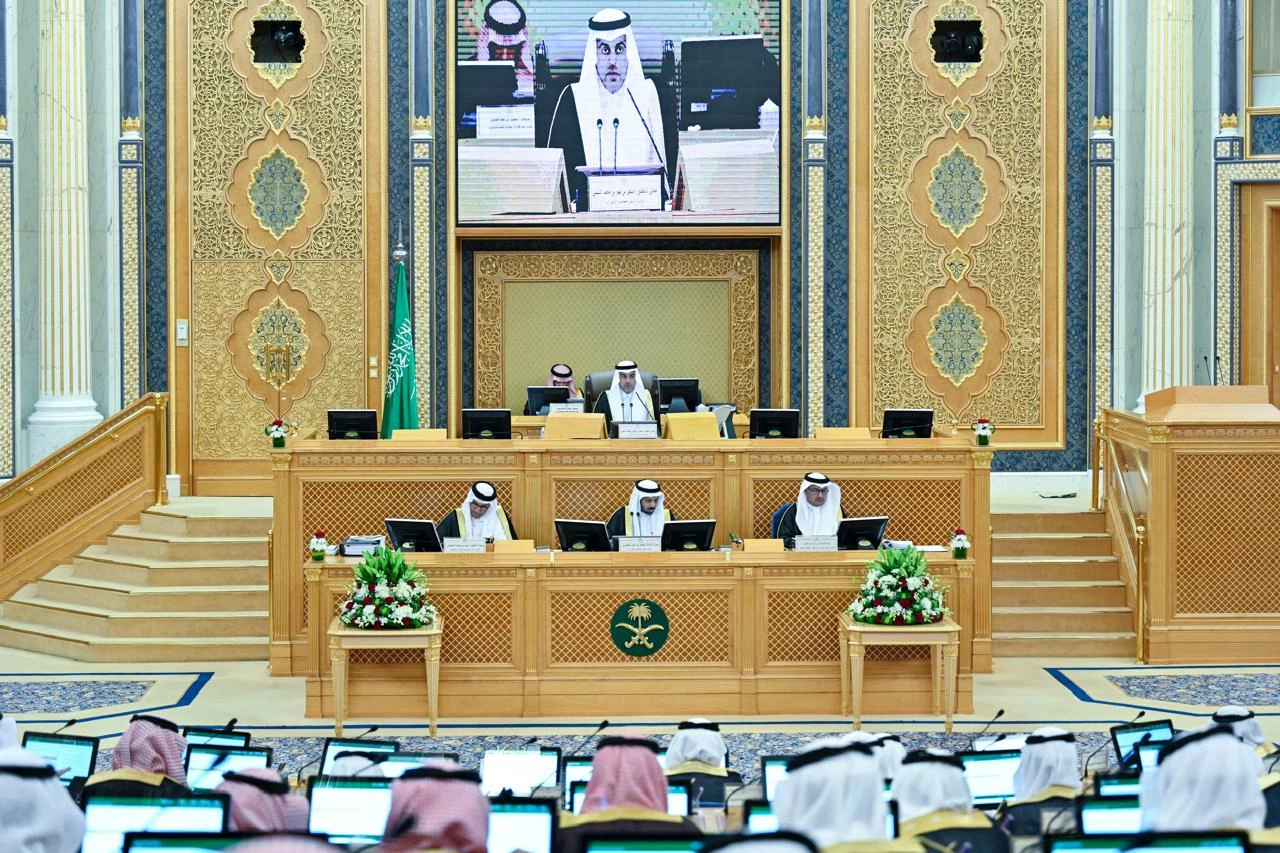
وأكد المجلس، في جلسته العادية السابعة والثلاثين من أعمال السنة الثانية للدورة التاسعة المنعقدة برئاسة نائب رئيس المجلس الدكتور مشعل فهم السُّلمي، تعزيز الربط الجوي بين الوجهات، وزيادة حركة الركاب العابرين (الترانزيت)، بما يسهم في تحقيق مستهدفات المؤسسة التشغيلية.
ودعا المجلس الهيئة العامة لتنظيم الإعلام لبناء مؤشر لقياس أثر المحتوى الإعلامي على جودة الحياة، ودراسة ومعالجة الفجوات التنظيمية والتمويلية التي تحدّ من مشاركة المنشآت الصغيرة والمتوسطة في قطاع الإعلام.
وطالب وزارة الطاقة بموازنة النمو لقدرات الطاقة التقليدية والطاقة المتجدّدة مع تسريع الاستثمار في التخزين والشبكات؛ لضمان موثوقية وكفاءة الإمدادات، واستشراف الطلب المستقبلي على الكهرباء، لاستيعاب الأحمال عالية الكثافة لمراكز البيانات.
ودعا الهيئة السعودية للمياه لتعزيز جهودها في مجال الطلب على المياه عبر إطار وطني يجمع بين التوعية والتقنيات الذكية والتسعير المحفز.
فيما ناقش المجلس، التقرير السنوي لهيئة التأمين وأبدى أعضاء المجلس عدداً من الملحوظات والآراء بشأن ما تضمّنه التقرير السنوي لهيئة التأمين، وطالب عضو المجلس الدكتور عبدالله الوقداني، هيئة التأمين بمراجعة سياسة تحديد قيمة أقساط التأمين ضد الغير للمركبات يراعي سجل السائق بدلاً من طراز السيارة، وتخفيض قسط التأمين لمن يملك أكثر من سيارة وهو السائق الفعلي لها، وأن يغطي قسط التأمين السيارات المستأجرة إضافة للسيارة المملوكة، ودعا عضو المجلس المهندس خالد البريك، هيئة التأمين، إلى عمل دراسة لمراجعة وتطوير الأدوات التنظيمية والرقابية الحالية، لسوق التأمين للمركبات؛ لزيادة الشفافية وحفظ حقوق المستفيدين. وطالب عضو المجلس الدكتور حسن آل مصلوم، هيئة التأمين بالتنسيق مع الجهات ذات العلاقة؛ لدراسة إنشاء سجل وطني موحد لمطالبات التأمين ضد الأخطاء الطبية. ودعا عضو المجلس الدكتور مفلح القحطاني، إلى تطوير سوق التأمين عبر هيئة التأمين بالتنسيق مع الجهات المعنية، لتحقيق التوازن والاستدامة، وتعزيز عدالة التسعير والمنافسة، واستحداث منتجات جديدة مثل التأمين الصحي للعائلة والطلبة وتأمين مجموعة المركبات، بما يرفع التغطية التأمينية ويحقق المنفعة للجميع.
وناقش المجلس التقرير السنوي لهيئة الإذاعة والتلفزيون، والتقرير السنوي لهيئة تنمية البحث والتطوير والابتكار، والتقرير السنوي للمؤسسة العامة للتدريب التقني والمهني، والتقرير السنوي لهيئة المحتوى المحلي والمشتريات الحكومية، والتقرير السنوي لمركز دعم اتخاذ القرار، وفي المناقشة طلبت اللجان منحها مزيداً من الوقت لدراسة ما طرحه الأعضاء من آراء ومقترحات والعودة بوجهة نظرها إلى المجلس في جلسة لاحقة.
اليحيا لهيئة التأمين: كبار السن أكثر الفئات احتياجاً
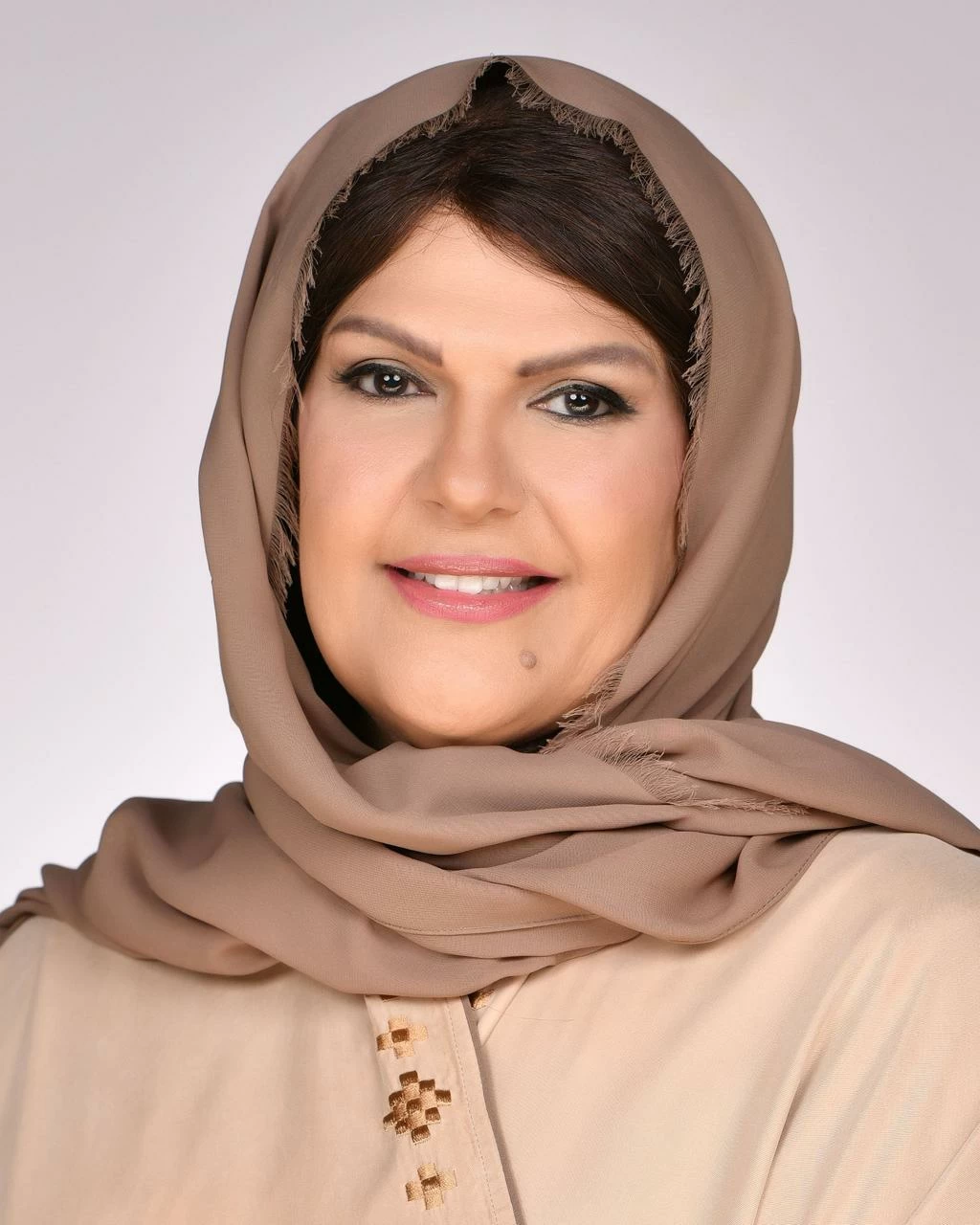
طالبت عضو المجلس الدكتورة ريمة اليحيا، هيئة التأمين بتعزيز حماية حقوق المؤمن لهم، ومقدمي الخدمات الصحية، ودراسة التحديات التي تواجه كبار السن في الحصول على التغطيات التأمينية المناسبة، ورفع مستوى الشفافية في إجراءات الموافقات والتعويضات، وأكدت أن نجاح القطاع لا يقاس بمؤشرات النمو والأداء المالي، بل بمدى انعكاس الجهود على حماية حقوق المستفيدين، وتعزيز العدالة والشفافية، وتوفير منتجات وخدمات تلبّي احتياجات مختلف شرائح المجتمع.
وأوضحت أن البعض من كبار السن، وهم الفئة الأكثر احتياجاً للرعاية الصحية، يواجهون تحديات في الحصول على تغطيات تأمينية مناسبة، سواء بسبب محدودية الخيارات المتاحة، أو ارتفاع تكلفة الوثائق التأمينية بصورة كبيرة، ما حرم بعضهم من الاستفادة من الحماية التأمينية في المرحلة العمرية التي تزداد فيها الاحتياجات الصحية. لافتةً إلى أنّ الفئة العمرية من سن 50 عاماً وما دون ذلك لا يحتاجون لاستخدام تأمينهم الصحي ولله الحمد وربما ينتهي العام ولم يستفيدوا منه، فالمسألة نسبة وتناسب. وقالت في مداخلتها، من الأهمية بمكان دراسة السبل الكفيلة بتعزيز وصول كبار السن إلى منتجات تأمينية مناسبة، بما يحقق التوازن بين الاعتبارات الاكتوارية والبعد الاجتماعي للتأمين، وما يتوافق مع
رؤية السعودية 2030 وتحسين جودة الحياة.
وأضافت: لا يزال بعض المؤمّن لهم يواجهون صعوبات في اعتماد وصرف الوصفات الطبية، خصوصاً للأدوية المخصصة للأمراض المزمنة أو المصروفة لفترات تمتد إلى ثلاثة أشهر، إذ تتطلب بعض الحالات إجراءات إضافية أو موافقات متكررة، رغم تمتع المستفيدين بتغطيات تأمينية مناسبة أو مرتفعة. وبعض الأحيان تكون الموافقة جزئية، ويكتشف المريض إثر المراجعة أن شركات التأمين تبرر عدم الموافقة؛ لأن الطبيب كتب «كود الدواء» بشكل خاطئ، وبالتالي يدفع المؤمن قيمة الدواء من جيبه الخاص. ولفتت إلى أن شركات تأمين صحي تحدد أسعار بعض الخدمات، ولا تغطي كامل الإجراء وإن مع وجود رصيد في بوليصة المراجع ومنها عيادات الأسنان. وعدّت مثل هذه الإجراءات سبباً في تأخير حصول المرضى على العلاج، وزيادة الأعباء على الممارسين الصحيين، بما يؤثر في استمرارية الرعاية الصحية وجودتها.
وذهبت إلى أن عدداً من المنشآت الصحية تشكو من تفاوت بين الموافقة المسبقة على تقديم الخدمة الطبية للمريض، وبين قيمة التعويض الفعلية التي تحصل عليها من شركة التأمين، إذ يتم أحياناً تعويض مقدم الخدمة بمبالغ أقل من القيمة المعتمدة أو المتفق عليها، وفق ما يسمى بالرفض المتأخر، بحيث تتم الموافقة أولاً، ويتم عمل الإجراء الطبي، ثم عقب الانتهاء ونهاية الشهر يتم رفض الإجراء فيتحمّلها المركز الطبي أو المستشفى. وترى أن هذه الممارسات ربما تؤثر في استدامة العلاقة التعاقدية بين شركات التأمين ومقدّمي الخدمات الصحية، وتتسبّب في خسائر للمنشأة الصحية التي ربما يحدها الوضع على الإغلاق رغم أنها رافد من روافد الخدمات الصحية الحكومية، وبقاؤها ضروري لاستدامة الخدمات الصحية في المملكة، مشيرةً إلى انعكاس آثار الممارسات السلبية على جودة الخدمات المقدمة للمؤمن لهم.
ودعت إلى تعزيز الشفافية والرقابة، وتحقيق التوازن بين مصالح المؤمن لهم وشركات التأمين ومقدمي الخدمات الصحية، لرفع كفاءة القطاع وتعزيز الثقة فيه، بما ينسجم مع مستهدفات جودة الحياة والرعاية الصحية المستدامة، وعدت التأمين بجوهره ليس منتجاً مالياً فحسب، بل أداة للحماية والأمان، وتزداد أهميته كلما ازداد احتياج الإنسان إليه.
مدخلي للتدريب التقني: ادرسوا الفجوة بين المخرجات واحتياج سوق العمل
دعا عضو المجلس الدكتور عاصم مدخلي، المؤسسة العامة للتدريب التقني والمهني إلى دراسة الفجوة بين مخرجات التدريب واحتياجات سوق العمل، وربط نتائجها بتطوير أو استحداث البرامج التدريبية، موضحاً أنه في ضوء التسارع الملحوظ في التحولات الاقتصادية والتقنية بات من الضروري اعتماد آليات أكثر مرونه تطور البرامج التدريبية، لتحجيم التحديات والبدء بمعالجة أوسع نطاقاً وأكثر تركيزاً. وتطلع إلى أن يعمل مجلس إدارة المؤسسة على ما يعزز قدرة المؤسسة على الاستجابة المبكرة لمتطلبات القطاعات الناشئة، ويدعم اتخاذ القرار المبني على البيانات لتحقيق المستهدفات بكفاءة أعلى. ودعا إلى ضرورة مراعاة الخصائص الاقتصادية والاجتماعية للمناطق المختلفة، وأن يُفعّل التكامل مع وزارة الموارد البشرية، وصندوق تنمية الموارد البشرية، والجامعات وغيرها من الجهات الحكومية ذات العلاقة، ليشكل أداة مستمرة لتقويم سياسات القبول والتوسع والإنفاق على التدريب.
The Shura Council has called on the General Authority of Civil Aviation to review the reasons for the increase in complaints regarding the services of Saudi Airlines and Flyadeal, and urged the council to provide appropriate solutions to reduce them. It also emphasized improving the efficiency of seat capacity utilization for both Saudi Airlines and Flyadeal, which contributes to enhancing operational efficiency and improving the utilization of available flights.
The council confirmed, during its thirty-seventh regular session of the second year of the ninth term, chaired by the Vice President of the Council, Dr. Mishal Fahm Al-Sulami, the importance of enhancing air connectivity between destinations and increasing transit passenger traffic, which contributes to achieving the operational targets of the authority.
The council called on the General Authority for Media Regulation to build an index to measure the impact of media content on quality of life, and to study and address the regulatory and financial gaps that limit the participation of small and medium enterprises in the media sector.
The council requested the Ministry of Energy to balance the growth of traditional energy capacities and renewable energy with the acceleration of investment in storage and networks; to ensure the reliability and efficiency of supplies, and to anticipate future electricity demand to accommodate the high-density loads of data centers.
The Saudi Water Authority was urged to enhance its efforts in water demand management through a national framework that combines awareness, smart technologies, and incentivizing pricing.
Meanwhile, the council discussed the annual report of the Insurance Authority, and members expressed several observations and opinions regarding the contents of the annual report. Council member Dr. Abdullah Al-Waqdani called on the Insurance Authority to review the policy for determining the value of insurance premiums for third-party vehicle insurance, taking into account the driver's record instead of the car model, and to reduce the insurance premium for those who own more than one vehicle and are the actual drivers. He also suggested that the insurance premium should cover rented vehicles in addition to the owned vehicle. Council member Engineer Khalid Al-Breik urged the Insurance Authority to conduct a study to review and develop the current regulatory and supervisory tools for the vehicle insurance market to increase transparency and protect the rights of beneficiaries. Council member Dr. Hassan Al-Masloom called on the Insurance Authority to coordinate with relevant authorities to study the establishment of a unified national registry for medical malpractice insurance claims. Council member Dr. Muflih Al-Qahtani called for the development of the insurance market through the Insurance Authority in coordination with relevant entities to achieve balance and sustainability, enhance pricing fairness and competition, and introduce new products such as family and student health insurance and group vehicle insurance, which would increase insurance coverage and benefit everyone.
The council discussed the annual report of the Broadcasting and Television Authority, the annual report of the Research, Development, and Innovation Authority, the annual report of the Technical and Vocational Training Corporation, the annual report of the Local Content and Government Procurement Authority, and the annual report of the Decision Support Center. During the discussion, the committees requested more time to study the opinions and proposals presented by the members and return with their perspective to the council in a later session.
Al-Yahya to the Insurance Authority: The elderly are the most in need
Council member Dr. Reema Al-Yahya called on the Insurance Authority to enhance the protection of the rights of insured individuals and healthcare providers, and to study the challenges faced by the elderly in obtaining appropriate insurance coverage, while raising the level of transparency in approval and compensation procedures. She emphasized that the success of the sector is not measured by growth and financial performance indicators, but by the extent to which efforts reflect the protection of beneficiaries' rights, enhance fairness and transparency, and provide products and services that meet the needs of various segments of society.
She clarified that some elderly individuals, who are the group most in need of healthcare, face challenges in obtaining suitable insurance coverage, whether due to limited available options or the significantly high cost of insurance policies, which has deprived some of them from benefiting from insurance protection at an age where health needs increase. She pointed out that individuals aged 50 and below do not need to use their health insurance, thank God, and may end the year without benefiting from it, as the matter is a matter of proportion. In her intervention, she stressed the importance of studying ways to enhance the access of the elderly to suitable insurance products, achieving a balance between actuarial considerations and the social dimension of insurance, in line with
Saudi Vision 2030 and improving quality of life.
She added: Some insured individuals still face difficulties in approving and dispensing prescriptions, especially for medications designated for chronic diseases or those prescribed for periods extending up to three months, as some cases require additional procedures or repeated approvals, despite beneficiaries having suitable or high insurance coverage. Sometimes, the approval is partial, and the patient discovers upon review that insurance companies justify the denial because the doctor wrote the "drug code" incorrectly, thus the insured pays for the medication out of pocket. She noted that health insurance companies set prices for some services and do not cover the entire procedure, even with a balance in the policy, including dental clinics. She considered such procedures a reason for delaying patients' access to treatment and increasing the burdens on healthcare practitioners, affecting the continuity and quality of healthcare.
She pointed out that several healthcare facilities complain about the disparity between the prior approval for providing medical services to patients and the actual compensation value they receive from the insurance company, as sometimes the service provider is compensated with amounts less than the approved or agreed value, in what is known as late denial, where approval is granted first, the medical procedure is performed, and then at the end of the month, the procedure is denied, resulting in the medical center or hospital bearing the cost. She believes that these practices may affect the sustainability of the contractual relationship between insurance companies and healthcare providers, causing losses to the healthcare facility, which may lead to its closure despite being a source of government healthcare services, and its continued existence is essential for the sustainability of healthcare services in the Kingdom, pointing to the negative impact of such practices on the quality of services provided to the insured.
She called for enhancing transparency and oversight, achieving a balance between the interests of the insured, insurance companies, and healthcare providers, to raise the efficiency of the sector and enhance trust in it, in line with the targets of quality of life and sustainable healthcare. She considered insurance, in its essence, not just a financial product, but a tool for protection and security, and its importance increases as the need for it grows.
Al-Mudkhali for Technical Training: Study the gap between outputs and labor market needs
Council member Dr. Asim Al-Mudkhali called on the Technical and Vocational Training Corporation to study the gap between training outputs and labor market needs, linking its results to the development or introduction of training programs. He explained that in light of the noticeable acceleration in economic and technological transformations, it has become essential to adopt more flexible mechanisms to develop training programs, to address challenges and begin broader and more focused interventions. He hopes that the Board of Directors of the corporation will work to enhance its ability to respond early to the requirements of emerging sectors and support data-driven decision-making to achieve targets more efficiently. He emphasized the necessity of considering the economic and social characteristics of different regions, and that integration with the Ministry of Human Resources, the Human Resources Development Fund, universities, and other relevant government entities be activated, to form a continuous tool for evaluating policies related to admission, expansion, and spending on training.