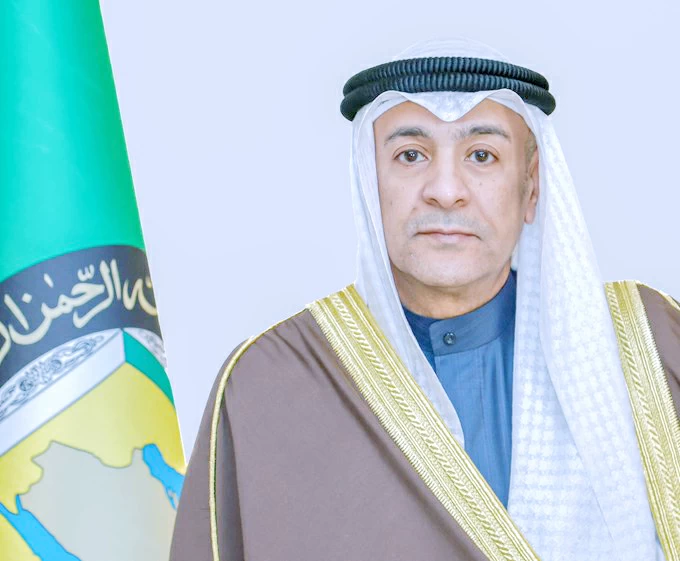
أكد الأمين العام لمجلس التعاون لدول الخليج العربية جاسم البديوي، أن مجلس التعاون يسعى دائماً لبيئة مستقرة وآمنة، وينتهج سياسات بنّاءة، قائمة على التنمية والازدهار وليس الحروب والنزاعات، ومبنية على تعزيز الثقة المتبادلة مع الشركاء الإقليميين والدوليين، ما جعله شريكاً موثوقاً به على الأصعدة كافة.
جاء ذلك خلال مشاركته في جلسة بعنوان «الشرق الأوسط ما بعد السياسة الصفرية» على هامش منتدى أنطاليا الدبلوماسي، مع نائب رئيس الوزراء وزير الخارجية وشؤون المغتربين بالمملكة الأردنية أيمن الصفدي، والأمين العام لجامعة الدول العربية أحمد أبوالغيط، في مدينة أنطاليا بالجمهورية التركية.
وأوضح، خلال مشاركته في الجلسة، أن مجلس التعاون كان دائماً شريكاً في الحلول القائمة على الدبلوماسية والحوار، مستنداً إلى مبادئ راسخة في مقدمتها احترام سيادة الدول وعدم التدخل، وحل النزاعات بالطرق السلمية؛ وهو ما يعزز الثقة بين الدول. وتطرق البديوي إلى الاعتداءات الإيرانية الغادرة التي تعرضت لها دول مجلس التعاون وما سببته من انعكاسات خطيرة على الأمن والاستقرار، ذاكراً أنها لم تغير من سياساته نحو التنمية والاستقرار ودعم الدول المحتاجة، موضحاً أن دول مجلس التعاون بذلت جهوداً كبيرة لمنع الحرب، ومع ذلك تفاجأت دول المجلس بهذه الهجمات الإيرانية غير المبررة وغير القانونية. وبيّن أن مجلس التعاون اضطلع بدور مبادر في عدد من الملفات الإقليمية؛ وفي مقدمتها القضية الفلسطينية، ودعم الجهود الدولية لتحقيق حل الدولتين، إلى جانب المساعدات الإنسانية والمبادرات السياسية في العديد من القضايا، مؤكداً أن هذه الأدوار تجسِّد إيمان دول مجلس التعاون بأن الاستقرار الإقليمي والدولي هو مسؤولية مشتركة.
وأوضح البديوي أن دور المنظمات الإقليمية ليس خياراً بل أصبح ضرورة حتمية، فنجاح هذه المنظمات لا يُقاس فقط بمدى تماسكها الداخلي، بل بقدرتها على مد جسور التعاون، وبناء الشراكات، والإسهام الفاعل في تحقيق الاستقرار العالمي.
وفي إطار ذلك، أشار الأمين العام إلى أن مجلس التعاون لدول الخليج العربية تبنّى هذه المسؤولية بكل جدية، من خلال إبرام 28 شراكة إستراتيجية مع دول حول العالم، إلى جانب تعاونه مع ثماني منظمات إقليمية، رسّخ من خلالها مكانته الإقليمية والدولية بصفته حلقة وصل فاعلة تسهم في تعزيز الحوار، ودعم السلام، وتحقيق الاستقرار والازدهار.
The Secretary-General of the Gulf Cooperation Council, Jassim Al-Budaiwi, confirmed that the Council always seeks a stable and secure environment, adopting constructive policies based on development and prosperity rather than wars and conflicts, and built on enhancing mutual trust with regional and international partners, which has made it a reliable partner on all fronts.
This came during his participation in a session titled "The Middle East After Zero-Sum Politics" on the sidelines of the Antalya Diplomatic Forum, alongside Jordan's Deputy Prime Minister and Minister of Foreign Affairs and Expatriates Ayman Safadi, and the Secretary-General of the Arab League Ahmed Aboul Gheit, in the city of Antalya, Turkey.
He clarified, during his participation in the session, that the Gulf Cooperation Council has always been a partner in solutions based on diplomacy and dialogue, relying on solid principles, foremost of which are respect for the sovereignty of states and non-interference, and resolving disputes through peaceful means; this enhances trust among nations. Al-Budaiwi addressed the treacherous Iranian attacks that the Gulf Cooperation Council countries have faced and the serious repercussions they have caused on security and stability, noting that they did not change its policies towards development and stability and support for needy countries, explaining that the Gulf Cooperation Council countries have made significant efforts to prevent war, yet they were surprised by these unjustified and illegal Iranian attacks. He indicated that the Gulf Cooperation Council has played a proactive role in several regional issues; foremost among them is the Palestinian cause, supporting international efforts to achieve a two-state solution, along with humanitarian aid and political initiatives in many issues, affirming that these roles embody the belief of the Gulf Cooperation Council countries that regional and international stability is a shared responsibility.
Al-Budaiwi explained that the role of regional organizations is not an option but has become a necessity, as the success of these organizations is not only measured by their internal cohesion but also by their ability to build bridges of cooperation, establish partnerships, and actively contribute to achieving global stability.
In this context, the Secretary-General pointed out that the Gulf Cooperation Council has taken on this responsibility seriously, by establishing 28 strategic partnerships with countries around the world, in addition to its cooperation with eight regional organizations, through which it has solidified its regional and international position as an effective link that contributes to enhancing dialogue, supporting peace, and achieving stability and prosperity.