يُعدّ تليّف الكبد أحد أبرز أسباب الوفيات المرتبطة بأمراض الكبد عالمياً، إذ تشير تقديرات منظمة الصحة العالمية إلى أنه يتسبب في أكثر من 1.3 مليون شخص سنوياً، ليصبح ضمن أهم 15 سبباً للوفاة حول العالم. كما توضح المنظمة أن نحو ملياري شخص تعرضوا لعدوى فايروس (التهاب الكبد B) في مرحلة ما من حياتهم، فيما يعيش ما يقارب 58 مليون شخص مع عدوى فايروس (التهاب الكبد C) المزمنة، وهما من أكثر المسببات شيوعاً للتليّف. وتؤكد الجمعية الأمريكية لدراسة أمراض الكبد (AASLD)، أن التليّف يمثل المرحلة النهائية للعديد من أمراض الكبد المزمنة، مشيرة إلى أن ما يقارب 30% من المصابين بـ(الكبد الدهني) غير الكحولي قد يتطور لديهم تليّف في مراحل لاحقة. كما تشير الجمعية الأوروبية لدراسة الكبد (EASL)، إلى أن نسبة كبيرة من الحالات تبقى غير مُشخّصة، إذ يُقدّر أن واحداً من كل أربعة بالغين يعاني من شكل من أشكال (الكبد الدهني)، ما يرفع احتمالية الإصابة مستقبلاً. وتحذر الجهات الصحية من أن التليّف غالباً ما يتطور بصمت، إذ لا تظهر الأعراض إلا بعد فقدان الكبد أكثر من 70% من قدرته الوظيفية. وتشمل مضاعفاته الخطيرة: الاستسقاء، النزيف الداخلي، الاعتلال الدماغي الكبدي، وسرطان الكبد الذي يُسجّل عالمياً أكثر من 900 ألف حالة سنوياً.
الحذر من تليف الكبد الدهني
وتؤكد منظمة الصحة العالمية، أن الوقاية ممكنة، إذ يمكن خفض معدلات الإصابة بالتليّف عبر التطعيم ضد (التهاب الكبد B)، وعلاج (التهاب الكبد C) بالأدوية الحديثة التي تتجاوز نسب شفائها 95%، إضافة إلى تبني نمط حياة صحي يقلل من انتشار (الكبد الدهني)، الذي يُعد اليوم من أسرع أسباب التليّف نمواً.
وبالتزامن مع اليوم العالمي لـ(التهاب الكبد الفايروسي) في 28 يوليو 2025م، أعلنت وزارة الصحة، عن تقدم ملحوظ في برامج الكشف المبكر والعلاج، بعد تنفيذ أكثر من 19 مليون فحص مسحي لـ(التهاب الكبد C) منذ 2018، وبلوغ نسبة الشفاء 95% باستخدام العلاجات الحديثة، ضمن جهود شاملة تعزز الوقاية وتنسجم مع مستهدفات برنامج (تحول القطاع الصحي) في رؤية المملكة 2030 لبناء مجتمع يتمتع بصحة مستدامة.
كما كشفت البيانات عن انخفاض معدل الإصابة بـ(التهاب الكبد B) المزمن إلى 1.6% بين البالغين، مع عدم تسجيل أي حالات جديدة بين الأطفال دون سن الخامسة، إضافة إلى إجراء أكثر من 1188000 فحص خلال 2025م.
وأكدت الوزارة أن خدمات الفحص متاحة في مختلف منشآت الرعاية الصحية، مع استمرار حملات التوعية حول أنواع (التهاب الكبد الفايروسي A وB وC)، وأهمية الوقاية وتعزيز أنماط الحياة الصحية.
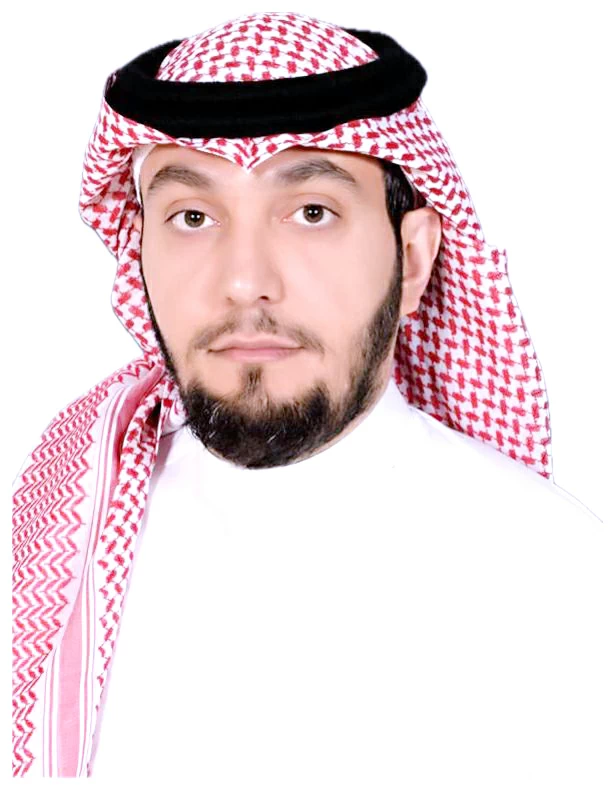
وللوقوف بشكل أعمق على هذا المرض وأبعاده الصحية، توجهنا إلى عدد من المختصين في أمراض الكبد، وطرحنا عليهم مجموعة من الأسئلة.. والبداية مع استشاري أمراض وزراعة الكبد الدكتور عبدالرحمن صالح العمرو، الذي أشار إلى أن تليّف الكبد يُعدّ المرحلة المتقدمة من أمراض الكبد المزمنة، إذ تُستبدل الخلايا السليمة بأنسجة ليفية تعيق قدرة الكبد على أداء وظائفه الحيوية، مثل تنقية الدم، تصنيع البروتينات، وتنظيم الجهاز المناعي. وقال: «إن المرض غالباً ما يتطور بصمت لسنوات طويلة قبل ظهور أي أعراض واضحة».
يرقان واستسقاء البطن
ويوضح الدكتور العمرو أن الخطورة تبدأ عندما يفقد الكبد جزءاً كبيراً من قدرته الوظيفية، فتظهر علامات مثل اليرقان (اصفرار الجلد والعينين) واستسقاء البطن. وفي هذه المرحلة يُعرف المرض بـ(فشل الكبد المزمن)، ويحتاج المريض إلى متابعة دقيقة، وقد يتطلب الأمر تقييماً لإجراء زراعة كبد.
ويبيّن الدكتور العمرو أن حصوات المرارة لا تسبب تليّف الكبد بشكل مباشر؛ لأنها تؤثر على القنوات الصفراوية أكثر من تأثيرها على نسيج الكبد نفسه، إلا أنه في حالات نادرة، قد يؤدي انسداد القنوات الصفراوية المزمن أو الالتهابات المتكررة إلى تأثير غير مباشر على الكبد.
ويشير استشاري أمراض وزراعة الكبد الدكتور العمرو إلى أنه لا يوجد دواء قادر على إزالة التليف بالكامل، لكن توجد علاجات فعّالة يمكنها إيقاف تطور المرض وتحسين وظائف الكبد؛ من خلال علاج السبب الأساسي والسيطرة على الالتهاب والمضاعفات، وفي الحالات المتقدمة، تكون زراعة الكبد هي العلاج الأمثل.
الحذر من الأعشاب والمكملات
ويؤكد الدكتور العمرو أن تناول الأدوية تحت إشراف طبي لا يشكل خطراً عادة، لكن بعض الأدوية قد تسبب التهابات كبداية نادرة. كما يحذر من الأعشاب والمكمّلات غير الموثوقة التي قد تؤدي إلى التهابات أو تليّف في الكبد.
ويقول الدكتور العمرو: «إن التليف يقسم إلى أربع درجات حسب كمية الأنسجة الليفية، وإلى ثلاث درجات حسب مستوى ضمور وظائف الكبد. وفي المراحل المبكرة يمكن إيقاف تقدم المرض بالعلاج وتغيير نمط الحياة، بينما تتطلب المراحل المتقدمة متابعة دقيقة، وقد يُدرج المريض لزراعة كبد عند وجود ضمور واضح في الوظائف».
هل يستطيع الكبد إصلاح نفسه؟
ويوضح الدكتور العمرو أن الكبد يمتلك قدرة عالية على التجدد، فعند إزالة السبب مثل علاج الفايروس أو إنقاص الوزن أو التوقف عن الكحول، يبدأ الكبد في إصلاح الخلايا التالفة تدريجياً. لكن التليف الشديد لا يمكن عكسه، ويمكن فقط إيقاف تقدمه.
ويشير إلى أن «الكبد يتميز بقدرته على النمو من جديد، ما يجعل التبرع بجزء منه خياراً آمناً وفعّالاً. إذ يعود حجم الكبد لدى المتبرع والمتلقي إلى طبيعته خلال أشهر قليلة»، موضحاً أنه في المراحل المبكرة يمكن الشفاء تماماً إذا عولج السبب وتغيّر نمط الحياة. أما في المراحل المتقدمة فلا يمكن إزالة التليف، ويُركز العلاج على إبطاء تطوره وتحسين جودة الحياة، وتبقى زراعة الكبد الخيار العلاجي النهائي.
ويؤكد الدكتور العمرو أن التليّف نفسه غير معدٍ، لكن بعض أسبابه مثل فايروسات الكبد B وC قد تكون معدية، ما يستدعي الالتزام بوسائل الوقاية والتطعيم.
اختلال توازن الجسم
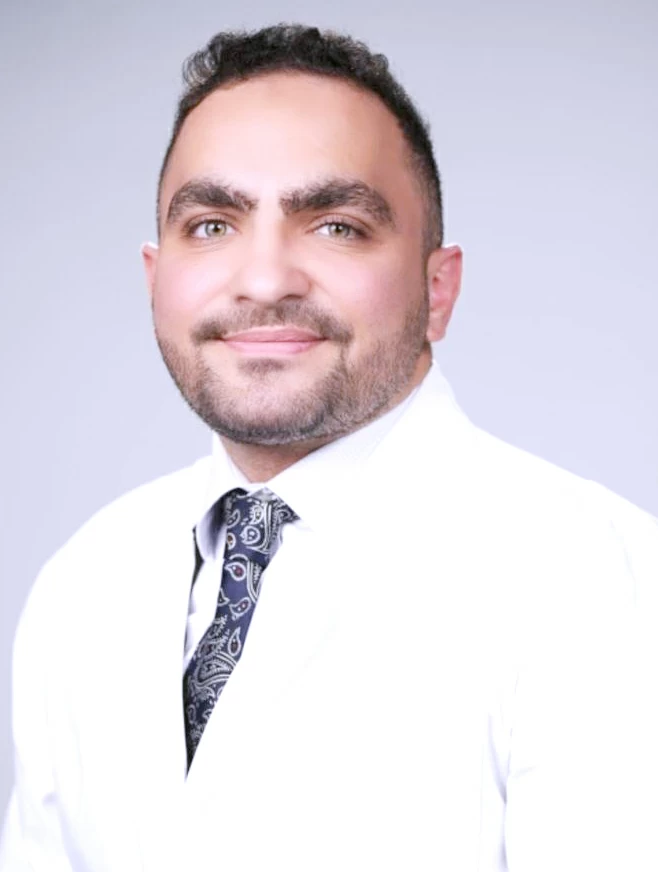
وفي السياق نفسه، يصف استشاري الطب الباطني وأمراض الجهاز الهضمي والكبد الدكتور عبدالله المحمود، التهاب الكبد بأنه «المرض الصامت» في جسم الإنسان، إذ يعمل الكبد بصمت وبقدرة مدهشة على التحمُّل، ويمنح الجسد فرصاً متكررة قبل أن يرفع راية الإنذار. ويشير إلى أن خطورة هذا الصمت تكمن في أن الكبد قد يخفي سنوات من الالتهاب أو التليّف دون ألم واضح، حتى تظهر العلامات فجأة مثل اليرقان، الإرهاق الشديد، انتفاخ البطن، النزيف، أو اضطراب الوعي.
ويؤكد الدكتور المحمود، أن الكبد ليس مجرد عضو لتنقية السموم كما يعتقد البعض، بل هو مركز للتحكم في عمليات الهضم والطاقة وتخزين السكر والدهون، وينتج مواد أساسية لتجلّط الدم، ويتعامل مع الأدوية والمواد الداخلة للجسم ليجعلها آمنة. وعندما يتعب هذا (المصنع الحيوي) يختل التوازن في الجسم، فتظهر الكدمات بسهولة، ويحدث نزيف وضعف عام واضطراب في وظائف الجسم.
خطوات وقائية للحماية
ويحذر الدكتور استشاري امراض الكبد الدكتور المحمود، من الاعتماد على وصفات (الديتوكس) أو الحلول السريعة، مؤكداً أن «حماية الكبد تأتي من خطوات وقائية حقيقية تشمل التطعيم ضد فايروس الكبد B، الفحص المبكر لمن لديهم عوامل خطورة، ضبط الوزن والسكر والدهون، الحذر من الأعشاب والمكمّلات مجهولة المصدر، وتجنب مشاركة الأدوات الشخصية أو التعرض لممارسات طبية غير آمنة».
ويشير إلى أن أسباب أمراض الكبد متعددة؛ منها الالتهابات الفايروسية (B وC)، دهون الكبد المرتبطة بالسمنة والسكري، بعض الأدوية والأعشاب، إضافة إلى الأمراض المناعية ومشكلات القنوات الصفراوية. ويؤكد الدكتور المحمود، أن الاعتماد على (الإحساس) فقط في اكتشاف المرض مخاطرة كبيرة، لأن المراحل الأولى غالباً بلا أعراض.
ويضيف أن الطب اليوم يحمل قصص نجاح مهمة؛ فـ(فايروس C) أصبح علاجه فموياً قصير المدة وفعالاً، بينما تمكن السيطرة على (فايروس B) والمتابعة للحد من مضاعفاته. أما دهون الكبد، فعلاجها يبدأ من نمط الحياة؛ وزن صحي، حركة منتظمة، وضبط السكري والدهون.
ويوضح الدكتور المحمود، أن التليّف درجات؛ فقد يعيش المريض سنوات طويلة مع تليّف مستقر إذا كانت المتابعة صحيحة، بينما التليّف المتقدم قد يقود إلى نزيف أو فشل كبدي أو سرطان الكبد. ويشدد على أهمية المتابعة الدورية كل ستة أشهر بالموجات فوق الصوتية، مع اعتبار زراعة الكبد خياراً شافياً في المراحل النهائية.
ويختتم بقوله: «الكبد يمنح الإنسان وقتاً لكنه لا يحتمل الإهمال».
التحول إلى تليف
ويوضح استشاري أمراض الجهاز الهضمي والمناظير وأمراض وزراعة الكبد الدكتور هادي كريري، أن (التهاب الكبد) هو حالة تصيب خلايا الكبد نتيجة عوامل متعددة؛ أبرزها العدوى الفايروسية مثل (فايروسات A وB وC)، إضافة إلى دهون الكبد، الأمراض المناعية، والكحول. وقد يكون الالتهاب حاداً يظهر خلال فترة قصيرة، أو مزمناً يستمر لسنوات طويلة. ومع مرور الوقت، قد يتحول الالتهاب المزمن إلى تليّف، وهو تلف تدريجي تُستبدل فيه الخلايا السليمة بأنسجة ليفية غير قادرة على أداء وظائفها. وعندما يصبح التلف واسعاً ودائماً، نصل إلى مرحلة (تشمّع الكبد)، وهي الصورة المتقدمة من التليّف. ويشير إلى أن (التليّف) و(التشمّع) هما توصيفان لحالة واحدة تختلف فقط في درجة التقدم.
ويشير الدكتور هادي إلى أن المراحل الأولى غالباً تمر دون أي أعراض. ومع ازدياد التليف، تبدأ العلامات بالظهور تدريجياً مثل الإرهاق، فقدان الشهية، ونقص الوزن. وفي بعض الحالات لا يُكتشف المرض إلا عند حدوث قصور واضح في وظائف الكبد أو ظهور مضاعفات خطرة مثل اليرقان، الاستسقاء، النزيف من دوالي المريء، أو الاعتلال الدماغي الكبدي.
موضحاً أن الأعراض لا تختلف بين الرجال والنساء، إلا أن الدراسات تُظهر أن الرجال أكثر عرضة للإصابة بالتليّف. كما ترتفع الخطورة لدى من تجاوزوا سن الـ50؛ لأن التليّف عملية تراكمية تحتاج سنوات طويلة لتظهر، خصوصاً عند وجود عوامل خطورة مثل الفايروسات أو السمنة. ورغم أن التليّف نفسه غير معدٍ، فإن بعض أسبابه معدية مثل (التهاب الكبد الفايروسي B وC وD).
ضعف في المناعة
ويؤكد الدكتور كريري أن تأثير التليّف لا يقتصر على الكبد وحده، بل يمتد إلى الجسم بأكمله. «فمع تقدّم المرض تضعف قدرة الكبد على تنقية السموم، وينخفض إنتاج البروتينات الأساسية، وتزداد سهولة النزيف وظهور الكدمات، ويحدث اضطراب في إفراز العصارة الصفراوية، إضافة إلى اضطرابات هرمونية، وضعف في المناعة، وسوء في الهضم والتغذية».
ويشير إلى أن تشخيص التليّف يعتمد على مجموعة من الوسائل تشمل الفحص السريري، تحاليل الدم لتقييم وظائف الكبد، الفحوص التصويرية مثل الموجات فوق الصوتية أو الأشعة المقطعية، إضافة إلى قياس صلابة الكبد، وفي بعض الحالات قد تُجرى خزعة لتأكيد التشخيص.
أما زراعة الكبد، فيصفها بأنها العلاج النهائي للفشل الكبدي المتقدم، وتُعد من أنجح عمليات زراعة الأعضاء. ومع ذلك، تواجه تحديات مثل نقص المتبرعين، ضرورة تطابق فصيلة الدم، الحاجة لاستخدام أدوية مثبطة للمناعة مدى الحياة، واحتمال رفض الجسم العضو المزروع.
ويختتم الدكتور هادي بالتأكيد على أن الوقاية هي حجر الأساس، وتشمل التطعيم ضد (التهاب الكبد الفايروسي)، المحافظة على وزن صحي، السيطرة على الأمراض المزمنة مثل السكري والدهون، تجنب الكحول، والفحص المبكر لمن لديهم عوامل خطورة، فالكبد عضو صبور يمنح فرصاً كثيرة، قبل أن ينهار.
Liver fibrosis is one of the leading causes of liver-related deaths globally, with estimates from the World Health Organization indicating that it causes over 1.3 million deaths annually, making it one of the top 15 causes of death worldwide. The organization also clarifies that nearly two billion people have been exposed to the hepatitis B virus at some point in their lives, while approximately 58 million people live with chronic hepatitis C virus infection, both of which are among the most common causes of fibrosis. The American Association for the Study of Liver Diseases (AASLD) confirms that fibrosis represents the final stage of many chronic liver diseases, noting that about 30% of individuals with non-alcoholic fatty liver disease may develop fibrosis in later stages. The European Association for the Study of the Liver (EASL) indicates that a large percentage of cases remain undiagnosed, estimating that one in four adults suffers from some form of fatty liver disease, which increases the likelihood of future complications. Health authorities warn that fibrosis often develops silently, with symptoms appearing only after the liver has lost more than 70% of its functional capacity. Its serious complications include ascites, internal bleeding, hepatic encephalopathy, and liver cancer, which records over 900,000 cases globally each year.
Beware of Fatty Liver Fibrosis
The World Health Organization emphasizes that prevention is possible, as rates of fibrosis can be reduced through vaccination against hepatitis B and the treatment of hepatitis C with modern medications that have cure rates exceeding 95%, in addition to adopting a healthy lifestyle that reduces the prevalence of fatty liver, which is today one of the fastest-growing causes of fibrosis.
Coinciding with World Hepatitis Day on July 28, 2025, the Ministry of Health announced significant progress in early detection and treatment programs, having conducted over 19 million screening tests for hepatitis C since 2018, achieving a cure rate of 95% using modern treatments, as part of comprehensive efforts that enhance prevention and align with the objectives of the Health Sector Transformation Program in Saudi Vision 2030 to build a community with sustainable health.
Data also revealed a decrease in the prevalence of chronic hepatitis B to 1.6% among adults, with no new cases reported among children under five years old, in addition to conducting over 1,188,000 tests during 2025.
The ministry confirmed that screening services are available in various healthcare facilities, with ongoing awareness campaigns about the types of viral hepatitis A, B, and C, and the importance of prevention and promoting healthy lifestyles.
To gain a deeper understanding of this disease and its health implications, we consulted several liver disease specialists and posed a series of questions. We began with Dr. Abdulrahman Saleh Al-Amro, a consultant in liver diseases and transplantation, who pointed out that liver fibrosis is the advanced stage of chronic liver diseases, where healthy cells are replaced by fibrous tissues that hinder the liver's ability to perform its vital functions, such as filtering blood, producing proteins, and regulating the immune system. He stated, "The disease often develops silently for many years before any clear symptoms appear."
Jaundice and Abdominal Ascites
Dr. Al-Amro explains that the danger begins when the liver loses a significant portion of its functional capacity, leading to symptoms such as jaundice (yellowing of the skin and eyes) and abdominal ascites. At this stage, the disease is known as chronic liver failure, and the patient requires close monitoring, which may necessitate an evaluation for liver transplantation.
Dr. Al-Amro clarifies that gallstones do not directly cause liver fibrosis; they affect the bile ducts more than the liver tissue itself. However, in rare cases, chronic obstruction of the bile ducts or recurrent infections may indirectly impact the liver.
The liver disease and transplantation consultant indicates that there is no medication capable of completely reversing fibrosis, but effective treatments can halt disease progression and improve liver functions by addressing the underlying cause and controlling inflammation and complications. In advanced cases, liver transplantation is the optimal treatment.
Beware of Herbs and Supplements
Dr. Al-Amro emphasizes that taking medications under medical supervision usually does not pose a risk, but some medications may cause inflammation as a rare side effect. He also warns against unreliable herbs and supplements that may lead to inflammation or fibrosis in the liver.
He states, "Fibrosis is classified into four stages based on the amount of fibrous tissue, and into three grades based on the level of liver function impairment. In the early stages, the disease can be halted with treatment and lifestyle changes, while advanced stages require close monitoring, and the patient may be listed for a liver transplant when there is clear functional impairment."
Can the Liver Repair Itself?
Dr. Al-Amro explains that the liver has a high capacity for regeneration; when the cause is removed, such as treating the virus, losing weight, or stopping alcohol consumption, the liver begins to gradually repair damaged cells. However, severe fibrosis cannot be reversed, and only its progression can be halted.
He points out that "the liver is characterized by its ability to grow anew, making donating a part of it a safe and effective option. The liver size of both the donor and recipient returns to normal within a few months," clarifying that in the early stages, complete recovery is possible if the cause is treated and lifestyle changes are made. In advanced stages, fibrosis cannot be removed, and treatment focuses on slowing its progression and improving quality of life, with liver transplantation remaining the final therapeutic option.
Dr. Al-Amro confirms that fibrosis itself is not contagious, but some of its causes, such as hepatitis B and C viruses, may be infectious, necessitating adherence to preventive measures and vaccination.
Body Imbalance
In this context, Dr. Abdullah Al-Mahmoud, a consultant in internal medicine and gastrointestinal and liver diseases, describes hepatitis as "the silent disease" in the human body, as the liver works silently and remarkably withstands stress, giving the body repeated chances before raising the alarm. He indicates that the danger of this silence lies in the fact that the liver may conceal years of inflammation or fibrosis without clear pain until symptoms suddenly appear, such as jaundice, severe fatigue, abdominal swelling, bleeding, or altered consciousness.
Dr. Al-Mahmoud emphasizes that the liver is not merely an organ for detoxifying as some believe, but rather a center for controlling digestion, energy processes, sugar and fat storage, producing essential substances for blood clotting, and processing drugs and substances entering the body to make them safe. When this "vital factory" becomes exhausted, balance in the body is disrupted, leading to easy bruising, bleeding, general weakness, and dysfunction in bodily functions.
Preventive Steps for Protection
Dr. Al-Mahmoud warns against relying on detox recipes or quick fixes, affirming that "liver protection comes from real preventive steps, including vaccination against hepatitis B, early screening for those with risk factors, maintaining a healthy weight, controlling sugar and fat levels, being cautious with unknown-source herbs and supplements, and avoiding sharing personal items or exposure to unsafe medical practices."
He notes that the causes of liver diseases are numerous, including viral infections (B and C), fatty liver associated with obesity and diabetes, certain medications and herbs, as well as autoimmune diseases and bile duct problems. Dr. Al-Mahmoud emphasizes that relying solely on "feeling" to detect the disease is a significant risk, as the early stages are often asymptomatic.
He adds that modern medicine carries important success stories; hepatitis C has become treatable with short-term oral medications that are effective, while control over hepatitis B has been achieved to limit its complications. As for fatty liver, its treatment begins with lifestyle changes: maintaining a healthy weight, regular physical activity, and controlling diabetes and fat levels.
Dr. Al-Mahmoud explains that fibrosis has stages; a patient may live for many years with stable fibrosis if monitored correctly, while advanced fibrosis may lead to bleeding, liver failure, or liver cancer. He stresses the importance of regular monitoring every six months with ultrasound, considering liver transplantation as a curative option in the final stages.
He concludes by saying, "The liver gives a person time, but it cannot tolerate neglect."
Transition to Fibrosis
Dr. Hadi Kuriri, a consultant in gastrointestinal diseases, endoscopy, and liver diseases and transplantation, explains that hepatitis is a condition affecting liver cells due to multiple factors, most notably viral infections such as hepatitis A, B, and C, in addition to fatty liver, autoimmune diseases, and alcohol. The inflammation may be acute, appearing over a short period, or chronic, lasting for many years. Over time, chronic inflammation may progress to fibrosis, which is a gradual damage where healthy cells are replaced by fibrous tissues unable to perform their functions. When the damage becomes extensive and permanent, we reach the stage of liver cirrhosis, which is the advanced form of fibrosis. He notes that fibrosis and cirrhosis are two descriptions of the same condition, differing only in the degree of progression.
Dr. Hadi points out that the early stages often pass without any symptoms. As fibrosis increases, signs gradually begin to appear, such as fatigue, loss of appetite, and weight loss. In some cases, the disease is not discovered until there is a clear failure in liver functions or the emergence of serious complications such as jaundice, ascites, bleeding from esophageal varices, or hepatic encephalopathy.
He clarifies that symptoms do not differ between men and women, although studies show that men are more prone to fibrosis. The risk also increases for those over 50 years old, as fibrosis is a cumulative process that takes many years to manifest, especially in the presence of risk factors such as viruses or obesity. Although fibrosis itself is not contagious, some of its causes, such as hepatitis B, C, and D, are infectious.
Immunity Weakness
Dr. Kuriri confirms that the impact of fibrosis is not limited to the liver alone; it extends to the entire body. "As the disease progresses, the liver's ability to detoxify diminishes, the production of essential proteins decreases, bleeding becomes easier, and bruising occurs more frequently, along with disturbances in bile secretion, hormonal imbalances, weakened immunity, and poor digestion and nutrition."
He notes that diagnosing fibrosis relies on a combination of methods, including clinical examination, blood tests to assess liver functions, imaging studies such as ultrasound or CT scans, as well as measuring liver stiffness, and in some cases, a biopsy may be performed to confirm the diagnosis.
Liver transplantation is described as the definitive treatment for advanced liver failure and is considered one of the most successful organ transplant surgeries. However, it faces challenges such as a shortage of donors, the need for blood type matching, the necessity of lifelong immunosuppressive medications, and the possibility of the body rejecting the transplanted organ.
Dr. Hadi concludes by emphasizing that prevention is the cornerstone, including vaccination against viral hepatitis, maintaining a healthy weight, controlling chronic diseases such as diabetes and fat levels, avoiding alcohol, and early screening for those with risk factors, as the liver is a patient organ that offers many chances before it collapses.