- رمضان بعد الحرب.. يروي حكاية العودة والأمل
- الصيام في السعودية تجربة روحية لا مثيل لها
- دعاء والدي وصمت انتظار الأذان.. ذكريات لا تفارقني
- الإفطار في مكة والمدينة حلم لكثير من المسلمين
في أذربيجان، يُستقبل شهر رمضان بوصفه مناسبة دينية، وزمنا تتقاطع فيه الروحانية مع الذاكرة الوطنية، وتجربة التعافي بعد سنوات من النزاع.
فمع عودة الحياة إلى المدن المحرَّرة، اكتسب الشهر الكريم دلالات أعمق لدى المجتمع الأذربيجاني، وأصبح إحياؤه في تلك المناطق تعبيرًا عن عودة الناس إلى ديارهم، واستعادة المكان لنبضه الإنساني والثقافي.
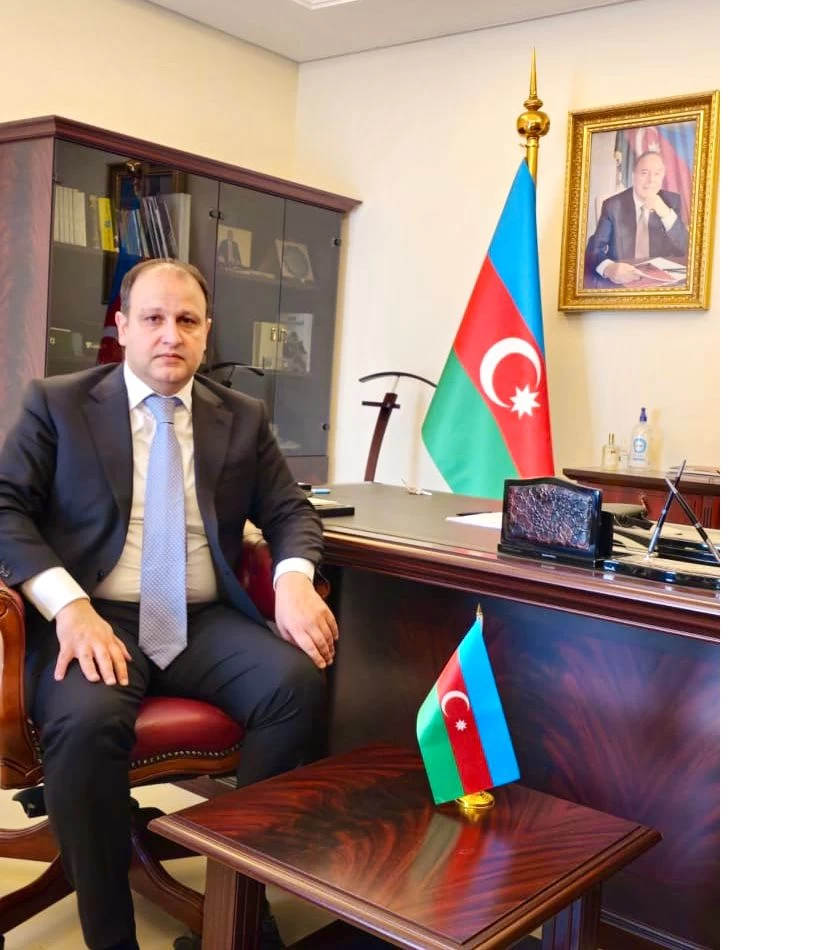
وفي هذا المسامرة مع «عكاظ»، يتحدث سفير جمهورية أذربيجان متلم ميرزاييف، عن ملامح رمضان في بلاده، وذكرياته الشخصية المرتبطة به، وتجربته في عيش الشهر الكريم في المملكة، إلى جانب ما يحمله رمضان اليوم في أذربيجان من رمزية وطنية وأمل متجدد بالمستقبل.
--
الخير في ثقافتنا يُؤدّى بصمت
--
• كيف تصفون الصورة العامة لشهر رمضان في أذربيجان، وما أبرز العادات والتقاليد التي تميّز المجتمع خلال هذا الشهر؟
•• رمضان في أذربيجان ليس مجرد شهر في التقويم الديني، بل مساحة للصفاء الداخلي واستعادة التوازن الروحي والوطني، إذ يهدأ خلاله إيقاع الحياة قليلًا، ويمنح الناس أنفسهم وقتًا أوسع للتأمل والعطاء والتسامح، ورغم استمرار نبض المدن وحركتها اليومية تسكن القلوب سكينة خاصة يلمسها الجميع.
وتبقى الأسرة في قلب المشهد الرمضاني، فمائدة الإفطار لقاء أجيال تتجدد فيه روابط المحبة. دعاء الكبار، وترقّب الأطفال للأذان، واجتماع العائلة حول مائدة واحدة، كلها ليست طقسًا دينيًا فحسب، بل صورة حية من الذاكرة الثقافية وروح الانتماء. ومن أبرز ما يميز رمضان في مجتمعنا روح الجوار والمشاركة، إذ يُهدى جزء من طعام الإفطار إلى الجيران، وتُقدَّم المساعدة للأسر المحتاجة بهدوء يحفظ كرامتهم، ويحرص الناس على زيارة المسنّين ومن يعيشون بمفردهم، فالخير في ثقافتنا يُؤدّى بصمت، لأن الغاية الأسمى هي صون كرامة الإنسان.
وخلال السنوات الأخيرة، اكتسب استقبال عيد الفطر في أذربيجان مشاعر امتنان واعتزاز خاصة، فبعد سنوات طويلة من النزاع استعادت بلادنا سلامتها الإقليمية، وتواصل تنفيذ مشاريع واسعة لإعادة الإعمار في الأراضي المحرَّرة، مع ضمان عودة آمنة وكريمة ومتدرجة لأكثر من مليون مواطن اضطروا إلى مغادرة ديارهم.
إن إحياء شهر رمضان مجددًا في تلك المناطق، وارتفاع صوت الأذان في مساجدها، واجتماع الأسر حول موائد الإفطار في بيوتها الأصلية، يمثل لشعبنا انتصارًا للعدالة المعنوية ورمزًا متجددًا للأمل بالمستقبل.
وخلال خدمتي في السعودية، أرى أن روح رمضان هنا لا تقل إشراقًا، فمشهد آلاف الناس وهم يفطرون في لحظة واحدة في مكة المكرمة والمدينة المنورة، على التمر والماء يجسد وحدة الأمة الإسلامية في أبهى صورها، ويمنح هذا الشهر بُعدًا إنسانيًا يتجاوز الحدود والجغرافيا.
--
مأساة مؤلمة في بلادنا
--
• ما أولى الذكريات التي تتبادر إلى ذهنكم عن قدوم رمضان في طفولتكم؟
•• أول ما يحضر في ذاكرتي، هو انشغال والدتي المحبّب في المطبخ قبيل الإفطار بدقائق، ورائحة الخبز الساخن على المائدة، وصمت أفراد الأسرة انتظارًا للأذان، ودعاء والدي... في تلك اللحظات كان يسود البيت الشعور الخاص بالطمأنينة، كان رمضان في طفولتي شهرًا يبطئ فيه الزمن وتمتلئ فيه القلوب سريعًا بالمشاعر. واليوم، حين أشهد لحظة الإفطار في المملكة، ولا سيما في مكة المكرمة، تعود إليّ تلك الأحاسيس ذاتها، مشاعر روحية واحدة في جغرافيا مختلفة وفي الوقت ذاته، تحمل هذه الأيام المباركة دعوة صادقة لاستحضار الماضي، والتأمل في قيم العدل والسلام.
مرّت 34 عامًا على واحدة من أكثر المآسي إيلامًا في تاريخ شعبنا، وهي مأساة خوجالي. ففي ليلة 25–26 فبراير 1992 شهدت المدينة أحداثًا أودت بحياة مئات المدنيين، وأدت إلى أسر وفقدان عدد كبير من الأشخاص.
وقد عاش شعبنا تلك الآلام في أيام شتوية قاسية، في ظل دعاء وصبر عميقين.
ومنذ عام 2020، ومع عودة الحياة إلى أراضينا، بات حلول رمضان في خوجالي وسائر المدن المحرَّرة يُنظر إليه بوصفه رمزًا لنهضة معنوية وبتجدد للأمل.
--
دعاء الأم
--
• ما المشاعر التي يثيرها فيكم قضاء رمضان خارج الوطن؟
•• الحياة الرمضانية في المملكة نعمة روحية عظيمة. فالأجواء التي تكتسي بها ليالي رمضان في هذه البلاد تدفع الإنسان إلى مزيد من التفكر والشكر، ومشهد آلاف الناس وهم يرفعون أكف الدعاء في وقت واحد يترك أثرًا عميقًا في القلب.
ومع ذلك، فإن ذكريات الوطن تصبح أكثر حضورًا عند لحظة الإفطار؛ مائدة البيت، أدعية الأم، وأصوات الأهل... غير أن هذا الحنين يتحول في داخلي إلى شعور أعمق بالمسؤولية، مسؤولية تمثيل أذربيجان هنا، بما تحمله من تقاليد التسامح، وقيم التعددية الثقافية، وإرث روحي غني.
--
البقلاوة والشكربورة
--
• ما الأطعمة المرتبطة بمائدة رمضان في أذربيجان، التي تحمل لكم دلالة خاصة؟
• •تتميّز المائدة الأذربيجانية ببساطتها، خبز التنور، و«الدُّوغَا»، وأنواع الشوربات، والحلويات المحلية مثل البقلاوة و«الشكربورة»، وهذه الأطعمة ليست مجرد أطباق تقليدية، بل رموز لوحدة الأسرة واستمرارية الثقافة. أما في المملكة فإن الإفطار على التمر يحمل دلالة روحية خاصة، وممارسة هذه السنّة في كل إفطار تذكّرني بالقيم المشتركة في الإسلام، وتُشعرني بعمق الروابط المعنوية بين أذربيجان والمملكة.
• كيف يؤثر رمضان في نشاطكم الدبلوماسي؟
•• في شهر رمضان يصبح التواصل أكثر حميمية، وتحوّل موائد الإفطار اللقاءات الرسمية إلى مساحات إنسانية أقرب، ولا سيما في المملكة، حيث يقف رمضان في صميم الحياة العامة، مما يهيّئ بيئة مثالية للتفاهم المتبادل.
كما يعد هذا الشهر بالنسبة لي فترة للمراجعة الداخلية والتأمل الذاتي؛ فهو يقرّب الإنسان من مجتمعه ومن ضميره في آن واحد.
---
أعظم ثروة وقلب رحيم
---
• ما رسالتكم لقرّاء «عكاظ»؟
•• يذكّرنا رمضان بأن أعظم ثروة يملكها الإنسان هي قلب رحيم، وأن القوة الحقيقية تكمن في العطاء، وأن العظمة تتجلّى في التواضع.
ومن أرض الحرمين الشريفين المباركة، أتقدم باسم الشعب الأذربيجاني، بأسمى عبارات الاحترام والتقدير إلى قيادة المملكة العربية السعودية وشعبها الشقيق.
ندعو الله أن يعزز هذا الشهر الفضيل بأواصر الصداقة والمحبة بين شعبينا، وأن يقرّب القلوب، وينشر مزيدًا من السلام والرحمة في العالم.
رمضان هو الشهر الذي يُزكّي فيه الإنسان علاقته بخالقه وبالناس، ونسأل الله أن يعمّ نوره كل بيت وكل قلب.
- Ramadan after the war.. tells the story of return and hope
- Fasting in Saudi Arabia is an unparalleled spiritual experience
- My father's prayers and the silence of waiting for the call to prayer.. memories that never leave me
- Iftar in Mecca and Medina is a dream for many Muslims
In Azerbaijan, the month of Ramadan is welcomed as a religious occasion, a time where spirituality intersects with national memory, and a healing experience after years of conflict.
With the return of life to the liberated cities, the holy month has gained deeper meanings for the Azerbaijani community, and its revival in those areas expresses the return of people to their homes and the restoration of the place's human and cultural pulse.
In this conversation with "Okaz," the Ambassador of the Republic of Azerbaijan, Meltem Mirzaev, talks about the features of Ramadan in his country, his personal memories associated with it, and his experience of living the holy month in the Kingdom, along with what Ramadan today symbolizes in Azerbaijan as a national symbol and a renewed hope for the future.
--
Goodness in our culture is performed silently
--
• How would you describe the general picture of Ramadan in Azerbaijan, and what are the most prominent customs and traditions that distinguish the community during this month?
•• Ramadan in Azerbaijan is not just a month on the religious calendar, but a space for inner clarity and the restoration of spiritual and national balance. During this time, the rhythm of life slows down a bit, allowing people more time for reflection, giving, and forgiveness. Despite the ongoing pulse of the cities and their daily movement, there is a special tranquility in the hearts that everyone feels.
The family remains at the heart of the Ramadan scene, as the iftar table is a gathering of generations where bonds of love are renewed. The prayers of the elders, the anticipation of the children for the call to prayer, and the family gathering around one table are not merely religious rituals, but a vivid image of cultural memory and a spirit of belonging. One of the most notable features of Ramadan in our community is the spirit of neighborliness and sharing, as a portion of iftar food is gifted to neighbors, and assistance is quietly provided to needy families, preserving their dignity. People are keen to visit the elderly and those who live alone, for goodness in our culture is performed silently, as the ultimate goal is to preserve human dignity.
In recent years, the reception of Eid al-Fitr in Azerbaijan has gained special feelings of gratitude and pride. After many years of conflict, our country has regained its regional safety and continues to implement extensive reconstruction projects in the liberated territories, ensuring a safe, dignified, and gradual return for more than a million citizens who were forced to leave their homes.
The revival of Ramadan once again in those areas, the rising sound of the call to prayer in its mosques, and families gathering around iftar tables in their original homes represent for our people a victory for moral justice and a renewed symbol of hope for the future.
During my service in Saudi Arabia, I see that the spirit of Ramadan here is equally radiant. The scene of thousands of people breaking their fast at the same moment in Mecca and Medina, on dates and water, embodies the unity of the Islamic nation in its most beautiful forms, giving this month a human dimension that transcends borders and geography.
--
A painful tragedy in our country
--
• What are the first memories that come to your mind about the arrival of Ramadan in your childhood?
•• The first thing that comes to my memory is my beloved mother's busyness in the kitchen just minutes before iftar, the smell of hot bread on the table, and the silence of family members waiting for the call to prayer, along with my father's prayers... In those moments, a special feeling of reassurance prevailed in the house. Ramadan in my childhood was a month where time slowed down, and hearts quickly filled with emotions. Today, when I witness the moment of iftar in the Kingdom, especially in Mecca, those same feelings return to me, a single spiritual sensation in a different geography, while these blessed days carry a sincere invitation to recall the past and reflect on the values of justice and peace.
It has been 34 years since one of the most painful tragedies in our people's history, the Khojaly tragedy. On the night of February 25-26, 1992, the city witnessed events that claimed the lives of hundreds of civilians and led to the capture and disappearance of many individuals.
Our people lived through those pains during harsh winter days, under deep prayers and patience.
Since 2020, with the return of life to our lands, the arrival of Ramadan in Khojaly and other liberated cities is seen as a symbol of moral revival and renewed hope.
--
A mother's prayer
--
• What feelings does spending Ramadan outside the homeland evoke in you?
•• The Ramadan life in the Kingdom is a great spiritual blessing. The atmosphere that envelops the nights of Ramadan in this country encourages one to reflect and give thanks, and the sight of thousands of people raising their hands in prayer at the same time leaves a deep impact on the heart.
However, the memories of home become more present at the moment of iftar; the family table, the prayers of my mother, and the voices of relatives... Yet this nostalgia transforms within me into a deeper sense of responsibility, a responsibility to represent Azerbaijan here, with its traditions of tolerance, values of cultural diversity, and rich spiritual heritage.
--
Baklava and Shekerbura
--
• What foods associated with the Ramadan table in Azerbaijan hold special significance for you?
•• The Azerbaijani table is characterized by its simplicity, with tandoor bread, "Dougha," various soups, and local sweets like baklava and "Shekerbura." These foods are not just traditional dishes but symbols of family unity and cultural continuity. In the Kingdom, breaking the fast with dates carries a special spiritual significance, and practicing this Sunnah at every iftar reminds me of the shared values in Islam and makes me feel the depth of the moral bonds between Azerbaijan and the Kingdom.
• How does Ramadan affect your diplomatic activities?
•• During Ramadan, communication becomes more intimate, and iftar tables turn official meetings into closer human spaces, especially in the Kingdom, where Ramadan stands at the heart of public life, creating an ideal environment for mutual understanding.
This month is also a time for me for internal review and self-reflection; it brings a person closer to their community and their conscience at the same time.
---
The greatest wealth and a compassionate heart
---
• What is your message to the readers of "Okaz"?
•• Ramadan reminds us that the greatest wealth a person possesses is a compassionate heart, that true strength lies in giving, and that greatness is manifested in humility.
From the blessed land of the Two Holy Mosques, I extend, on behalf of the Azerbaijani people, the highest expressions of respect and appreciation to the leadership of the Kingdom of Saudi Arabia and its brotherly people.
We ask God to strengthen this holy month with bonds of friendship and love between our two peoples, to bring hearts closer, and to spread more peace and mercy in the world.
Ramadan is the month in which a person purifies their relationship with their Creator and with people, and we ask God that His light fills every home and every heart.