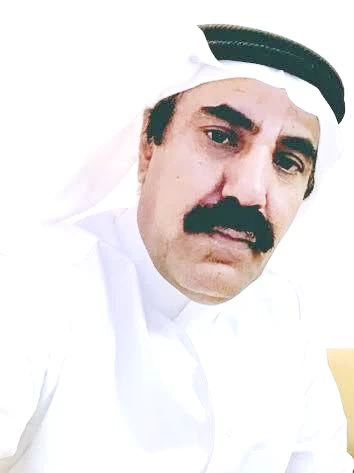
لم يخرج الصحفي محمد الغامدي من المتن، وظلّ اسماً ثقافياً وازناً في بلاط «صاحبة الجلالة»، عمل في «عكاظ» و«البلاد» و«الشرق»، والتواصل الحكومي، وهو من عشاق القراءة، وكاتب محترف، أصدر الرواية وكتب القصيدة الحديثة، وتناول الشأن العام برؤية وطنية، وهنا مسامرة تكشف جانباً من روحه النقيّة، وخفة الظل التي هي طبع فيه ولو في أتعس الظروف.
نلعب في نهار رمضان
• بماذا تكبح جماح نفسك التواقة؟
•• بالصيام، فليس أسهل على الجوارح من ذلك.
• كيف كنت تقضي يوم صومك في طفولتك؟
•• في مجتمع القرية هناك الكثير، وإن كان البعض يرى ما نفعله في تلك الفترة سيئاً إلا إنه حسن. وبما أن كرة القدم هي حديث المجالس، فلك أن تتخيل أننا كنا نلعب في نهار رمضان، ونخفف العطش بقليل من ماء الزير بعيداً عن أعين الأهل.
• ما دافعك للصيام في الطفولة؟
•• كنا نصوم خشية أو مكايدة للأخ الأكبر أو الأخت، وحتى لا يقال عنا «كلب رمضان»، فالذي يفطر في رمضان ينعتونه بالكلب تقبيحاً لفعله! وليس في قاموس الأهل في تلك الفترة كلمة إرهاق، كان الإصرار والتشجيع على الصوم هو القاعدة.
جلسات سمر حتى السحور
• هل كنت تتابع برامج إذاعية أو تلفزيونية؟
•• في فترة الطفولة والمراهقة كانت متابعة المسلسلات وفوازير رمضان وغيرها عادة، وتغير الحال مع العمل كون نصف رمضان على الأقل يكون إجازة، وكنت أقضيها في النوم لساعات تتجاوز نصف النهار، ولكن تغير الحال وأصبح من بعد صلاة الفجر إلى الظهر. وفي الليل من بعد التراويح جلسات سمر إلى ما قبل السحور. وربما تتساءل هنا عن وقت القراءة لأقول لك إنه بعد الظهر وقبل وبعد الفجر.
• إلى ماذا يشدك الحنين؟
•• يشدنا الحنين دوماً إلى المكان، والمكان هو الساحة التي تلعب فيها الذكريات كيفما تشاء، والارتباط بالمكان لا يكون إلا عبر الأحداث المصاحبة، ولا شك أن فترتَي الطفولة والمراهقة لهما بريقهما، ولهذا سيبقى المكان حاضراً لهاتين الفترتين.
• ما أبرز فقرات برنامجك الرمضاني؟
•• رمضان حالة خاصة في القراءة، فإلى جانب قراءة القرآن الكريم فإنني أخصص هذا الشهر الكريم لقراءة التاريخ فقط، وهي عادة تلازمني إلى اليوم. هذا الشهر كأنه يوحي بحالة تاريخية تتكرر في حياتي، وتلحّ أن أتمسك بها، لأنها تشعرني بالتمسك بالتاريخ، بينما الكتابة هي حالة عابرة في هذا الشهر.
الأطباق «الفرايحية»
• من تفقد في رمضان هذا العام؟
•• أمي (رحمها الله)، فهذا شهر الصوم الأول الذي أصومه دون أن تكون حاضرة على مائدة الإفطار.
• ما العادة التي تلازمك؟
•• ليس من عادة أركن إليها مطلع رمضان، فسجيتي هي هي في رمضان وفي غيره.
• أي ساعات رمضان تسعدك؟
•• لم أفكر في هذا، وأرى كل ساعات الشهر سعادة، لأنه شهر سعادة، ولهذا نسبة الدوبامين تكون مرتفعة.
• لماذا نحرص على أطباق «فرايحية»؟
•• الأطباق «الفرايحية» تعزز البهجة، وهي كذلك تجمع الأهل على مائدة الإفطار، وهذا لا يحدث في بقية الشهور خصوصاً هذه الأيام.
• ما أبرز وجبة تحرص عليها في الإفطار؟
•• الشوربة والسمبوسة طبقان لا أستغني عنهما.
• شخصية توجه لها دعوة لتفطر معك؟
•• لن أتردد في دعوة أستاذي قينان الغامدي.
• أين درست الابتدائية؟
•• في ابتدائية الظفير وكان يديرها أستاذ الأجيال مقبول العرابي (رحمه الله وغفر له).
مقهى الشربيني
• من تتذكر من زملائك في معهد الباحة العلمي؟
•• علي الرباعي، وعلي موجان، وعبدالرحمن الحمود، ويحيى بن مصوي، ومحمد حنش، وكنت على تواصل مع الصديق سعد بن مصوي قبل أن يتوفاه الله (رحمه الله).
• لماذا كنت تلخص كتب الدكتور غازي القصيبي في مقهى الشربيني في «عزيزية مكة»؟
•• أضحكتني يا رجل، إذ إن مقهى الشربيني كان حالة خاصة لطلاب الجامعة، والقصيبي كان منارة إشعاع للكثير من جيلي، ولكن في جامعة أم القرى لم يكن كذلك، وما كان يشدني إليه في البدء هو شعره، ولكن مقهى الشربيني هذا قرأت فيه كتاب «الشعر» إن كنت أذكر العنوان الآن لأرسطو. وقرأت فيه أمهات كتب التراث الأربعة.. وقرأت وقرأت. هذا المقهى قصة كبيرة جداً، آمل أن أجمع أفكارها وأكتبها.
مماحكاتي مع المفرجي
• ما الموقف الذي لا تنساه من تلك الفترة؟
•• حدثت مماحاكات بيني وبين محمد المفرجي (رحمه الله) في ذلك المقهى، كنت أحمل كتاباً للقصيبي، وكان هو ومجموعة معه يجلسون قريباً مني، وأيامها كانت جريدة «الندوة» تحمل لواء الأصالة مقابل الحداثة، وكان المفرجي كما تعلم يدير ملحقها الثقافي، فدخلت مع هذه المجموعة للنقاش حول هذا الصراع، وكنت أصلاً على تواصل هاتفي معه ومع محمد المليباري (رحمه الله)، والمليباري كتب عني صفحة في «الندوة»، وقال إنني أتوارى خلف شخصية طالب جامعي زاعماً أنني أحد أساتذة الجامعة.. تخيل. الأهم أنني دخلت معهم أنا الطالب في جدل حول القصيبي، والكثير من الحوارات حول الحداثة، ولا شك أن حواراتي معهم أوصلتهم إلى أنني مع تيار الحداثة، ولم يكن لي إلى اليوم لا ناقة ولا جمل في تياريهما، ولكن إن لم تكن معي فأنت ضدي!
القطة تأكل أبناءها
• بماذا خرجت من مهنة المتاعب؟
•• خرجت بفائدة؛ أن القطة تأكل أبناءها، ولكنها حياة عشتها مع هذا العشق وأنا في كامل قواي العقلية، أما قواي العاطفية فإنها انهارت على أبوابها. ورغم ذلك منحتني الكثير مثلما منحتها الكثير من وقتي وجهدي وفكري.
• لماذا يتناقص عدد الأصدقاء؟
•• لتناقص القناعات التي كنا نسير بها، ولتعدد المراحل في حياتنا التي عن طريقها تتغير القناعات، فلكل مرحلة أجواؤها التي نعيشها، ولا يبقى من الصداقة إلا ما يحمل هذه الصفة في كل مرحلة نمر بها تكون ملازمة لها، ولا تتغير.. والإنسان ديدنه التغيير.
حين أشعر أنني تائه
• متى تلجأ للشعر؟
•• ألجأ للشعر حين أشعر أنني تائه، ليكون الشعر هو المحطة التي تخرجني مما أنا فيه.. ودوماً يكون المتنبي حاضراً في ذهني من خلال أبياته التي تعطيك الإيحاء، وتأخذك حيث الفلسفة، وما أكثر ما قدمه المتنبي لي من حكم. وللمعري جزء آخر في هذا الإطار.. ولأبي ريشة عشقه الخاص، وغيرهم. ورغم ذلك يبقى المتنبي هو الأثير لدي. واليوم يحضرني:
وإن أوجعتني من أعاديَّ شيمةٌ *** لقيت من الأحباب أدهى وأوجعا. وهذا بيت لأبي فراس ينطبق على هذا الزمان للأفراد والمؤسسات والدول.
أنا مارادونا
• ماذا عن علاقتك بكرة القدم، وما فريقك المفضل؟
•• كنت وأنا ألعب في القرية يلقبونني بمارادونا، فكيف لا يكون لي في الرياضة، ولكن كما تعلم الميول الثقافية تأخذك أبعد من ذلك، وإن كانت تدحرجك كالكرة. ولي شيء من عشق الاتحاد.
• كيف ترى الإعلام الجديد؟
•• كسر الإعلام الجديد فتنة الإعلام التقليدي، ومع ذلك فإن فتنة الأخير بقيت معلقاً بها إلى اليوم. ولكن لا بد أن نتغير ونسايره كي نسير.
• بماذا تصف فضاء التواصل الاجتماعي؟
•• ليس كل ما يلمع ذهباً، ولكل شيء أصل، وصانع المحتوى الحقيقي هو من يتبع خطوات الأصل، وبكل أسف ما يحدث هذه الأيام معظمه لا يمت للصحافة بصلة، فلا موهبة ولا لغة ولا ثقافة، والصورة ليست هي المحتوى فقط، بات الشكل هو الديدن، ويبدو أننا في مرحلة مخاض لصحافة ذاهبة نحو الإثارة فقط.
Journalist Mohammed Al-Ghamdi did not leave the scene; he remained a significant cultural figure in the realm of "the Fourth Estate." He worked at "Okaz," "Al-Bilad," and "Al-Sharq," and in government communication. He is a lover of reading and a professional writer, having published novels and written modern poetry, addressing public affairs with a national perspective. Here is a conversation that reveals a side of his pure spirit and the lightness of his humor, which is inherent in him even in the most difficult circumstances.
Playing During Ramadan Days
• How do you restrain your eager self?
•• By fasting, for nothing is easier for the senses than that.
• How did you spend your fasting days in childhood?
•• In the village community, there was much to do. Although some might see what we did during that time as bad, it was good. Since football was the talk of the gatherings, you can imagine that we played during the day in Ramadan, quenching our thirst with a little water from the cistern away from the eyes of our parents.
• What motivated you to fast in childhood?
•• We fasted out of fear or to compete with our older brother or sister, and to avoid being called "Ramadan dog," as those who break their fast during Ramadan are derogatorily labeled as dogs! The word "fatigue" was not in our parents' vocabulary at that time; insistence and encouragement to fast were the norm.
Evening Gatherings Until Suhoor
• Did you follow any radio or television programs?
•• During childhood and adolescence, following series and Ramadan quizzes was a habit. The situation changed with work, as at least half of Ramadan would be a holiday, and I would spend it sleeping for hours beyond noon. However, the situation changed, and it became from after Fajr prayer until noon. At night, after Taraweeh prayers, there were gatherings until just before Suhoor. You might wonder when I found time to read; I would say it was in the afternoon and before and after Fajr.
• What do you feel nostalgic for?
•• We always feel nostalgia for places, and the place is the arena where memories play as they wish. The connection to a place can only be through accompanying events, and there is no doubt that the periods of childhood and adolescence have their own sparkle, which is why the place will always be present for these two periods.
• What are the highlights of your Ramadan program?
•• Ramadan is a special time for reading. In addition to reading the Holy Quran, I dedicate this blessed month to reading history only, a habit that continues to this day. This month seems to suggest a historical state that repeats in my life, urging me to cling to it, as it makes me feel connected to history, while writing is a transient state during this month.
The "Fara'ih" Dishes
• Who do you miss in Ramadan this year?
•• My mother (may God have mercy on her), as this is the first fasting month I observe without her present at the Iftar table.
• What habit do you hold onto?
•• There is no specific habit I lean on at the beginning of Ramadan; my nature remains the same in Ramadan and outside of it.
• What hours of Ramadan bring you joy?
•• I haven't thought about this, and I see all the hours of the month as happiness because it is a month of joy, which is why dopamine levels are high.
• Why do we insist on "Fara'ih" dishes?
•• "Fara'ih" dishes enhance joy and also gather family around the Iftar table, which does not happen in the other months, especially these days.
• What is the main dish you insist on for Iftar?
•• Soup and sambusa are two dishes I cannot do without.
• Which personality would you invite to break fast with you?
•• I would not hesitate to invite my teacher Qinan Al-Ghamdi.
• Where did you study elementary school?
•• At Al-Zufair Elementary School, which was managed by the esteemed teacher Maqbool Al-Arabi (may God have mercy on him).
Al-Sharbini Café
• Who do you remember from your colleagues at Al-Baha Scientific Institute?
•• Ali Al-Rubaie, Ali Mujan, Abdulrahman Al-Hamoud, Yahya bin Musawi, and Mohammed Hanish. I was in contact with my friend Saad bin Musawi before he passed away (may God have mercy on him).
• Why did you summarize Dr. Ghazi Al-Qusaibi's books at Al-Sharbini Café in "Aziziyah, Mecca"?
•• You made me laugh, as Al-Sharbini Café was a special place for university students, and Al-Qusaibi was a beacon of inspiration for many of my generation. However, at Umm Al-Qura University, it was not the same. What initially attracted me to him was his poetry, but at Al-Sharbini Café, I read Aristotle's book "Poetry," if I recall the title correctly. I also read the four main books of heritage there... and I read and read. This café has a very big story, and I hope to gather my thoughts and write about it.
My Banter with Al-Mufarji
• What is a memorable incident from that period?
•• There were debates between me and Mohammed Al-Mufarji (may God have mercy on him) in that café. I was holding a book by Al-Qusaibi, and he and a group were sitting close to me. Back then, "Al-Nadwa" newspaper was the banner of authenticity against modernity, and Al-Mufarji, as you know, managed its cultural supplement. I joined this group to discuss this conflict, and I was already in phone contact with him and with Mohammed Al-Malibari (may God have mercy on him). Al-Malibari wrote a page about me in "Al-Nadwa," claiming that I was hiding behind the persona of a university student, claiming that I was one of the university professors... can you imagine? The important thing is that I entered into a debate with them, as a student, about Al-Qusaibi and many discussions about modernity. There is no doubt that my discussions with them led them to believe that I was with the modernity trend, although I have had no stake in either of their trends until today. But if you are not with me, you are against me!
The Cat Eats Its Young
• What did you gain from the profession of troubles?
•• I gained the insight that the cat eats its young, but it was a life I lived with this passion while I was in full mental capacity. As for my emotional strength, it collapsed at its doors. Nevertheless, it gave me much just as I gave it much of my time, effort, and thoughts.
• Why is the number of friends decreasing?
•• Due to the diminishing convictions we used to hold, and the multiple phases in our lives through which convictions change. Each phase has its own atmosphere that we live in, and only what carries the essence of friendship remains in each phase we go through, which does not change... and human nature is to change.
When I Feel Lost
• When do you turn to poetry?
•• I turn to poetry when I feel lost, so that poetry becomes the station that pulls me out of what I am in... and Al-Mutanabbi is always present in my mind through his verses that give you inspiration and take you where philosophy lies. How often Al-Mutanabbi has provided me with wisdom. Al-Ma'arri has another part in this context... and Abu Risha has his own special passion, and others. Nevertheless, Al-Mutanabbi remains my favorite. Today, I recall:
And if the trait of my enemies pains me *** I have encountered from my loved ones a greater pain. This line by Abu Firas applies to this time for individuals, institutions, and countries.
I Am Maradona
• What about your relationship with football, and what is your favorite team?
•• When I played in the village, they called me Maradona, so how could I not have a place in sports? But as you know, cultural inclinations take you further than that, even if they roll you like a ball. I have a bit of a passion for Al-Ittihad.
• How do you view new media?
•• New media has broken the allure of traditional media, yet the allure of the latter remains with me to this day. However, we must change and keep up with it to move forward.
• How would you describe the social media space?
•• Not everything that glitters is gold, and everything has a root. The true content creator is one who follows the steps of the original. Unfortunately, most of what happens these days has nothing to do with journalism; there is no talent, no language, no culture, and the image is not the content alone. The form has become the norm, and it seems we are in a stage of labor for journalism that is heading only towards sensationalism.