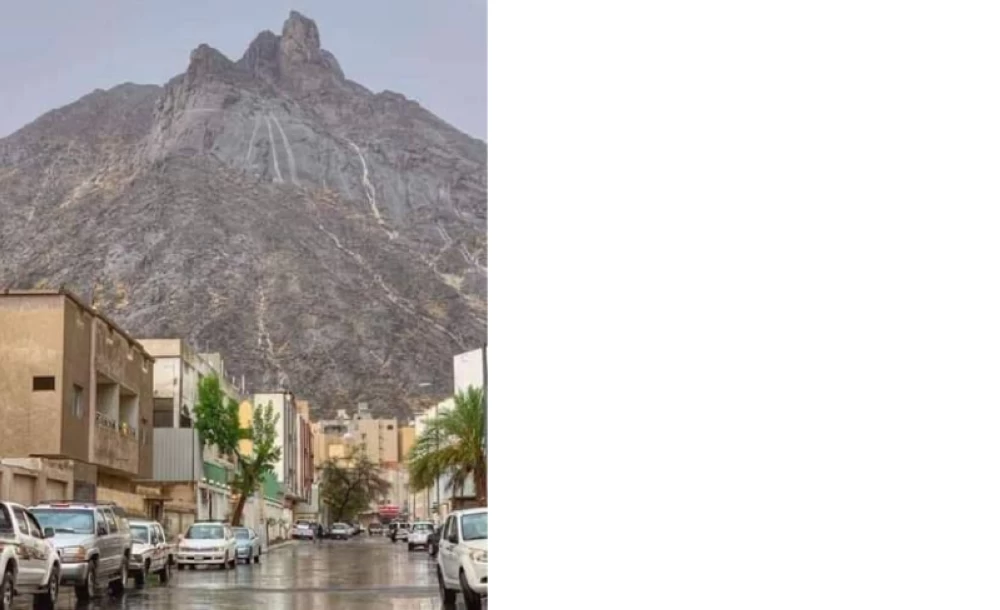
تبرز الجبال في جغرافيا مكة المكرمة المقدسة كأوتادٍ لا تحفظ توازن الأرض فحسب، بل حفظت تفاصيل السيرة النبوية وقصص الأنبياء عليهم السلام. ومن بين هذه القمم الشامخة، يتربع (جبل ثبير) -المعروف بثبير الأثبرة- كواحد من أعظم جبال مكة هيبةً وتاريخاً، إذ يطل بوقار على مشعر منى، حاملاً بين صخوره حكايا الفداء والوحي.
ويقع جبل ثبير في الجهة الشرقية من مكة المكرمة، وتحديداً مقابل جبل حراء (جبل النور)، ويُعد من أعلى جبال العاصمة المقدسة، إذ يبلغ ارتفاع قمته نحو 883 متراً عن سطح البحر، ويمتد الجبل بمحاذاة مشعر منى من جهة الشمال، ويشرف على حي المعابدة والروضة.
* سبب التسمية: سُمي بـ«ثبير» نسبة إلى رجل من هذيل مات فيه، وقيل لعلوه وضخامته. ويطلق عليه المؤرخون «ثبير غيناء» لتميزه عن جبال أخرى تحمل اسم ثبير في مكة (مثل ثبير الزنج، وثبير الأعرج).
يكتسب «ثبير» قدسية خاصة في الوجدان الإسلامي لارتباطه بقصة نبي الله إبراهيم وابنه إسماعيل عليهما السلام، مهبط الفداء. تذكر الروايات التاريخية المأثورة أن الكبش الذي فدى الله به إسماعيل عليه السلام هبط في هذا الجبل. ومن هنا، ينظر المسلمون إلى هذا الجبل بعين الإجلال، كونه شهد تجلي رحمة الله وفضله في أعظم قصة تضحية في التاريخ البشري.
ارتباطه بالجاهلية والإسلام
كان العرب في الجاهلية لا يفيضون من مزدلفة إلى أن تشرق الشمس على قمة جبل ثبير، ويقولون شعارهم الشهير: «أشرق ثبير كي نغير». وجاء الإسلام ليخالفهم في ذلك، فأصبحت الإفاضة من مزدلفة قبل شروق الشمس، في تأكيد على استقلالية العبادة الإسلامية وتوقيتاتها الشرعية.
لم يكن جبل ثبير غائباً عن حياة النبي ﷺ؛ فقد ورد في الأثر أن النبي ﷺ صعد عليه، وهناك أحاديث تذكر اهتزاز الجبل هيبةً بوجود النبي ﷺ وصحابته الكرام. كما كان الجبل شاهداً على نزول الوحي في بداياته، نظراً لمجاورته المباشرة لغار حراء، مما جعل المنطقة المحيطة به «مربعاً نبوياً» خالصاً.
التكوين الجيولوجي
والمعالم الحالية
يتميز جبل ثبير بتكويناته الصخرية الجرانيتية القوية ولونه الضارب إلى السمرة.
* الغار المشهور: يوجد في الجبل غار يُعرف بـ«غار ثبير» أو «غار المرسلات»، وهو مكان يقصده بعض المهتمين بآثار السيرة، رغم وعورة الطريق وصعوبة التضاريس.
ومن فوق قمته، يمكن رؤية مشعر منى بوضوح تام، وكأنه حارس يقف على حدود المشاعر المقدسة، يراقب جموع الحجيج وهي تتدفق كل عام.
وفي ظل النهضة العمرانية التي تشهدها مكة المكرمة، حظي جبل ثبير باهتمام الباحثين والمؤرخين السعوديين لتوثيق حدوده ومعالمه. وتعمل الهيئة الملكية لمدينة مكة المكرمة والمشاعر المقدسة على الحفاظ على هذه المعالم الجبلية ضمن مشاريع «إثراء التجربة الدينية»؛ لضمان بقاء الجبل معلماً جغرافياً وتاريخياً ملهماً للأجيال القادمة.
إن جبل ثبير ليس مجرد كتلة صخرية، بل هو جزء أصيل من نسيج «مكة التاريخية». هو الجبل الذي استقبل فداء إسماعيل، واحتضن خطوات النبوة، وظل لآلاف السنين بوصلة يهتدي بها السائرون نحو الحرم.
The mountains in the geography of the sacred city of Mecca stand out as stakes that not only maintain the balance of the earth but also preserve the details of the prophetic biography and the stories of the prophets, peace be upon them. Among these towering peaks, Mount Thubayr - known as Thubayr al-Athbira - stands as one of the most majestic and historically significant mountains of Mecca, overlooking the plain of Mina with dignity, carrying within its rocks tales of redemption and revelation.
Mount Thubayr is located on the eastern side of Mecca, specifically opposite Mount Hira (the Mountain of Light), and is considered one of the highest mountains in the holy capital, with its summit reaching about 883 meters above sea level. The mountain extends alongside the plain of Mina from the north and overlooks the neighborhoods of Al-Ma'abida and Al-Rawda.
* Reason for the name: It was named "Thubayr" after a man from the Hudhayl tribe who died there, and it is said to be due to its height and size. Historians refer to it as "Thubayr al-Ghayna" to distinguish it from other mountains named Thubayr in Mecca (such as Thubayr al-Zanj and Thubayr al-A'raj).
Thubayr holds a special sanctity in the Islamic consciousness due to its connection to the story of the Prophet Ibrahim and his son Isma'il, peace be upon them, the place of redemption. Historical narratives mention that the ram which God used to redeem Isma'il descended on this mountain. Hence, Muslims view this mountain with reverence, as it witnessed the manifestation of God's mercy and grace in the greatest story of sacrifice in human history.
Its connection to the Pre-Islamic Era and Islam
In the Pre-Islamic era, the Arabs would not move from Muzdalifah until the sun rose over the summit of Mount Thubayr, and they would chant their famous slogan: "O Thubayr, shine so we may move." Islam came to contradict this, and the movement from Muzdalifah became permissible before sunrise, affirming the independence of Islamic worship and its legal timings.
Mount Thubayr was not absent from the life of the Prophet ﷺ; it is reported that the Prophet ﷺ ascended it, and there are hadiths mentioning that the mountain trembled in awe at the presence of the Prophet ﷺ and his noble companions. The mountain also witnessed the early revelations, due to its direct proximity to the Cave of Hira, making the surrounding area a pure "prophetic square."
Geological formation
and current features
Mount Thubayr is characterized by its strong granite rock formations and its dark hue.
* The famous cave: The mountain contains a cave known as "Cave of Thubayr" or "Cave of the Messengers," which is a place visited by some interested in the relics of the prophetic biography, despite the roughness of the path and the difficulty of the terrain.
From its summit, one can see the plain of Mina clearly, as if it were a guardian standing at the borders of the sacred sites, watching the crowds of pilgrims flow every year.
In light of the urban renaissance that Mecca is witnessing, Mount Thubayr has garnered the attention of Saudi researchers and historians to document its boundaries and features. The Royal Commission for the City of Mecca and the Holy Sites is working to preserve these mountainous landmarks as part of the "Enriching the Religious Experience" projects, ensuring that the mountain remains a geographical and historical landmark that inspires future generations.
Mount Thubayr is not just a rocky mass; it is an integral part of the fabric of "historical Mecca." It is the mountain that welcomed the redemption of Isma'il, embraced the steps of prophethood, and has remained for thousands of years a compass for those journeying towards the sacred sanctuary.