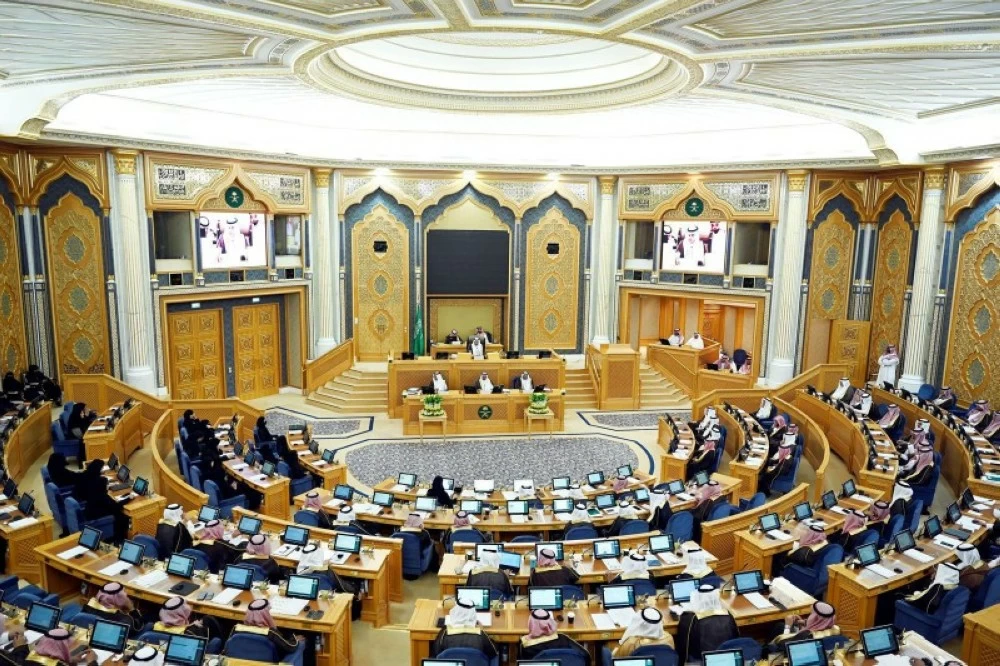
أصدر مجلس الشورى، قراراً طالب فيه جامعة الأميرة نورة بنت عبدالرحمن بتبنّي هوية مؤسسية تركّز على تمكين المرأة في مجالات التنمية ذات الأولوية الوطنية. ودعا المجلس الجامعة إلى زيادة استقطاب الطالبات الدوليات، وتطوير برامج التبادل الطلابي؛ بما يعزز التنوع الثقافي، ويدعم السمعة الأكاديمية للجامعة.
وأصدر المجلس في جلسته العادية الثانية والعشرين من أعمال السنة الثانية للدورة التاسعة، المنعقدة برئاسة رئيس المجلس الدكتور عبدالله محمد إبراهيم آل الشيخ، قراراً طالب فيه جامعة الباحة بالإسراع في معالجة أوجه القصور في أدائها المؤسسي، ورفع جودة مخرجاتها التعليمية والبحثية؛ بما يضمن تحقيق رسالتها وأهدافها الإستراتيجية، داعياً إلى إبراز هويتها المؤسسية بما يتناسب مع الميز النسبية للمنطقة، وتطوير منظومتها في مجال التحوّل الرقمي، وتطوير شراكاتها الإستراتيجية مع المجتمع والقطاع الخاص بما يدعم دورها التنموي، ويعزز مواردها الذاتية واستدامتها المالية.
وطالب المجلس جامعة الملك فيصل بتعظيم الاستفادة من منتجاتها الابتكارية، ومنها براءات الاختراع وأنشطة ريادة الأعمال وحاضنات الأعمال، وتوجيهها نحو نماذج استثمارية مستدامة، داعياً إلى تطوير مؤشرات أداء نوعية؛ لقياس الأثر الفعلي لأنشطتها البحثية والأكاديمية والابتكارية المرتبطة بهويتها المؤسسية، واستثمار بنيتها التحتية الرقمية المتقدمة؛ لتطوير منظومة إرشاد طلابي ذكية قائمة على التقنيات الناشئة، وفق ضوابط تنظيمية تكفل حوكمة البيانات وحماية الخصوصية، وتعزيز وتنويع استثماراتها وأوقافها؛ بما يسهم في تنمية إيراداتها الذاتية واستدامتها المالية.
وطالب المجلس الجامعة الإسلامية بدراسة تحويل مقتنيات مكتبتها الورقية إلى صيغة رقمية؛ لتعزيز حفظ التراث العلمي والإسلامي، وتسهيل الوصول العالمي للمعرفة، مع مراعاة حقوق الملكية الفكرية، وتطوير شراكات فاعلة مع القطاع غير الربحي والأوقاف؛ بما يسهم في تعزيز جودة الحياة الجامعية.
وناقش المجلس التقرير السنوي لجامعة جدة، وعقب طرح تقرير اللجنة للنقاش أبدى أعضاء المجلس عدداً من الملحوظات والآراء بشأن ما تضمّنه التقرير.
وطالب عضو المجلس الدكتور محمد العقيل جامعة جدة، بالعمل على تأسيس منظومة استثمارية متكاملة تعزز استثماراتها الذاتية، لاسيما الأوقاف؛ بما يسهم في تنويع مواردها، ويضمن تحقيق الاستدامة المالية والتشغيلية، وطلبت اللجنة منحها مزيداً من الوقت لدراسة ما طرحه الأعضاء من آراء ومقترحات والعودة بوجهة نظرها إلى المجلس في جلسة لاحقة.
وناقش المجلس التقرير السنوي لجامعة حفر الباطن. ودعا عضو المجلس الدكتور سالم آل جربوع جامعة حفر الباطن، إلى العمل على استقطاب الكوادر الأكاديمية الوطنية المؤهلة مع إتاحة الفرصة للخريجين المتميّزين من الجامعة للابتعاث داخل المملكة وخارجها لسد العجز، مشيراً إلى أهمية تعزيز بيئة البحث العلمي.
وناقش المجلس التقرير السنوي لجامعة المجمعة، وأبدى أعضاء المجلس عدداً من الملحوظات والآراء، وطالبت عضو المجلس الدكتورة ابتسام الجبير جامعة المجمعة بالعمل على تعزيز حوكمة المبادرات الإستراتيجية وقياس أدائها عبر مؤشرات واضحة وآليات دقيقة لتوثيق البيانات وربطها بتحقيق الأهداف؛ بما يرفع كفاءة الأداء المؤسسي ويعزز ثقافة التحسين المستمر.
النجار لجامعة جدة: اعتمدوا برنامجاً مؤسسياً للتحوّل الرقمي
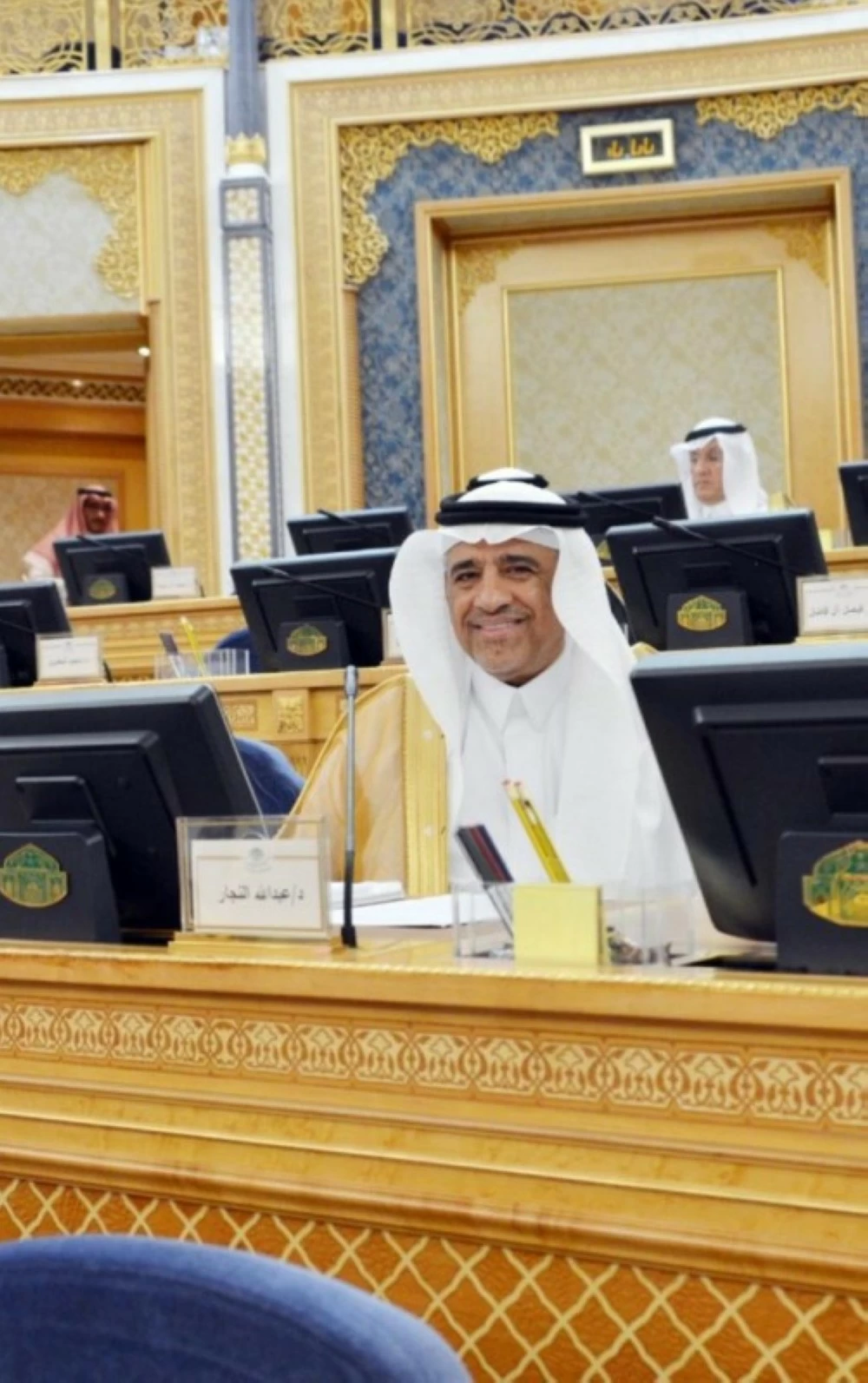
طالب عضو المجلس الدكتور عبدالله عمر النجار جامعة جدة بالتنسيق مع الجهات ذات العلاقة لاعتماد برنامج مؤسسي متكامل لاستكمال منظومة التحوّل الرقمي، يقوم على بناء منظومة رقمية موحدة وتكامل مركزي للبيانات، يُنفَّذ ضمن إطار زمني محدّد، وتُقاس نتائجه بمؤشرات أداء واضحة ودقيقة.
وعدّ مستوى التكامل والمواءمة تحديّاً محوريّاً في المرحلة القادمة؛ كون التجربة المؤسسية لا تزال تتأثر بوجود أنظمة تؤدي وظائفها بكفاءة على نحو منفصل، إلا أنها لا ترتبط ببنية بيانات موحدة، تتيح تدفق المعلومات بصورة متكاملة، الأمر الذي يحد من قدرة الجامعة على اتخاذ قرارات آنية دقيقة تستند إلى رؤية شمولية ومعطيات مترابطة.
وأكّد النجار، أهمية الانتقال من مفهوم رقمنة الإجراءات إلى بناء منظومة رقمية مترابطة تتكامل من خلالها الأنظمة الأكاديمية والمالية والموارد البشرية والبحثية ضمن منظومة تقنية شاملة، وتوحيد قواعد البيانات عبر منصة تكامل مركزية تمثل المرجع الرسمي لجميع المعلومات المؤسسية، وبما يضمن تدفق المعلومات بسلاسة بين جميع الجهات في الجامعة.
وذهب في مداخلته على تقرير جامعة جدة إلى أن التكامل لا يهدف فقط إلى تحسين الكفاءة التشغيلية، بل إلى تمكين قيادات الجامعة من رؤية شمولية لحظية تعكس الأداء الأكاديمي والمالي والإداري في آن واحد، وتتيح محاكاة أثر القرارات قبل اعتمادها، بما يعزّز الحوكمة الرشيدة ويقلل من مخاطر الازدواجية والهدر التقني، ما يُمكّن الجامعة من ترسيخ هوية رقمية موحدة لجميع منسوبيها وطلبتها، ويسهم في تحسين تجربة المستفيد، ورفع مستوى الشفافية، وتعزيز أمن المعلومات، ويعزز موقع جامعة جدة كنموذج متقدم في التكامل المؤسسي، ويمهّد لمرحلة ترتكز على إدارة ذكية مدفوعة بالبيانات، عوضاً عن الإدارة القائمة على تقارير متفرقة أو المعالجة اللاحقة للتحديات.
The Shura Council issued a decision requesting Princess Nourah bint Abdulrahman University to adopt an institutional identity that focuses on empowering women in areas of national priority development. The council urged the university to increase the recruitment of international female students and to develop student exchange programs that enhance cultural diversity and support the university's academic reputation.
In its twenty-second regular session of the second year of the ninth term, chaired by the council's president, Dr. Abdullah Mohammed Ibrahim Al Sheikh, the council issued a decision urging Al-Baha University to expedite addressing shortcomings in its institutional performance and to raise the quality of its educational and research outputs; ensuring the achievement of its mission and strategic goals. It called for highlighting its institutional identity in line with the region's relative advantages, developing its system in the field of digital transformation, and enhancing its strategic partnerships with the community and the private sector to support its developmental role and strengthen its self-resources and financial sustainability.
The council called on King Faisal University to maximize the benefits from its innovative products, including patents, entrepreneurship activities, and business incubators, directing them towards sustainable investment models. It urged the development of qualitative performance indicators to measure the actual impact of its research, academic, and innovative activities related to its institutional identity, and to invest in its advanced digital infrastructure to develop a smart student guidance system based on emerging technologies, in accordance with regulatory controls that ensure data governance and privacy protection, and to enhance and diversify its investments and endowments; contributing to the growth of its self-revenues and financial sustainability.
The council requested the Islamic University to study converting its paper library holdings into a digital format; to enhance the preservation of scientific and Islamic heritage and facilitate global access to knowledge, while considering intellectual property rights, and to develop effective partnerships with the non-profit sector and endowments; contributing to enhancing the quality of university life.
The council discussed the annual report of Jeddah University, and after presenting the committee's report for discussion, council members expressed several observations and opinions regarding the contents of the report.
Council member Dr. Mohammed Al-Aqeel urged Jeddah University to establish a comprehensive investment system that enhances its self-investments, particularly endowments; contributing to diversifying its resources and ensuring financial and operational sustainability. The committee requested more time to study the opinions and suggestions raised by the members and to return with its perspective to the council in a later session.
The council discussed the annual report of Hafr Al-Batin University. Council member Dr. Salem Al-Jarbooh called on Hafr Al-Batin University to work on attracting qualified national academic staff while providing opportunities for outstanding graduates from the university to be sent abroad and within the Kingdom to fill the gaps, emphasizing the importance of enhancing the research environment.
The council discussed the annual report of Al-Majma'ah University, and council members expressed several observations and opinions. Council member Dr. Ibtisam Al-Jubair urged Al-Majma'ah University to work on enhancing the governance of strategic initiatives and measuring their performance through clear indicators and precise mechanisms for documenting data and linking it to achieving goals; to raise the efficiency of institutional performance and promote a culture of continuous improvement.
Al-Najjar to Jeddah University: Adopt a comprehensive digital transformation program
Council member Dr. Abdullah Omar Al-Najjar urged Jeddah University to coordinate with relevant authorities to adopt a comprehensive institutional program to complete the digital transformation system, based on building a unified digital system and centralized data integration, to be implemented within a specific timeframe, with results measured by clear and precise performance indicators.
He considered the level of integration and alignment a central challenge in the upcoming phase; as the institutional experience is still affected by the existence of systems that perform their functions efficiently in isolation, yet they are not linked to a unified data structure that allows for the seamless flow of information, limiting the university's ability to make timely, accurate decisions based on a comprehensive vision and interconnected data.
Al-Najjar emphasized the importance of transitioning from the concept of digitizing procedures to building an interconnected digital system through which academic, financial, human resources, and research systems integrate within a comprehensive technological framework, and unifying databases through a central integration platform that represents the official reference for all institutional information, ensuring the smooth flow of information between all entities in the university.
In his remarks on the Jeddah University report, he stated that integration aims not only to improve operational efficiency but also to enable university leaders to have a real-time comprehensive view reflecting academic, financial, and administrative performance simultaneously, allowing for simulating the impact of decisions before their approval, thereby enhancing good governance and reducing the risks of duplication and technical waste. This enables the university to establish a unified digital identity for all its staff and students, contributes to improving the beneficiary experience, raises the level of transparency, enhances information security, and strengthens Jeddah University's position as an advanced model in institutional integration, paving the way for a phase based on smart management driven by data, rather than management based on scattered reports or subsequent processing of challenges.