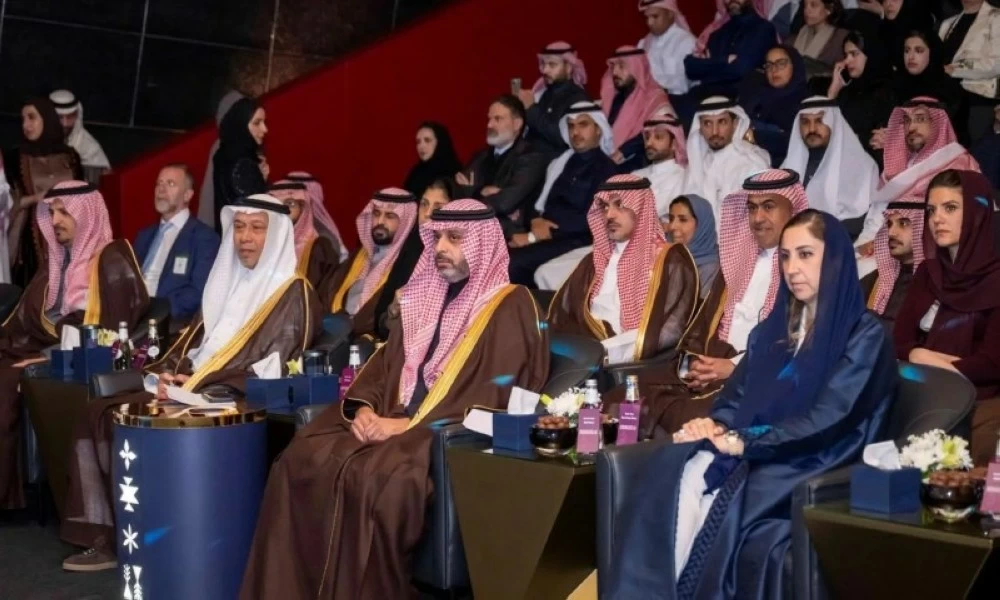
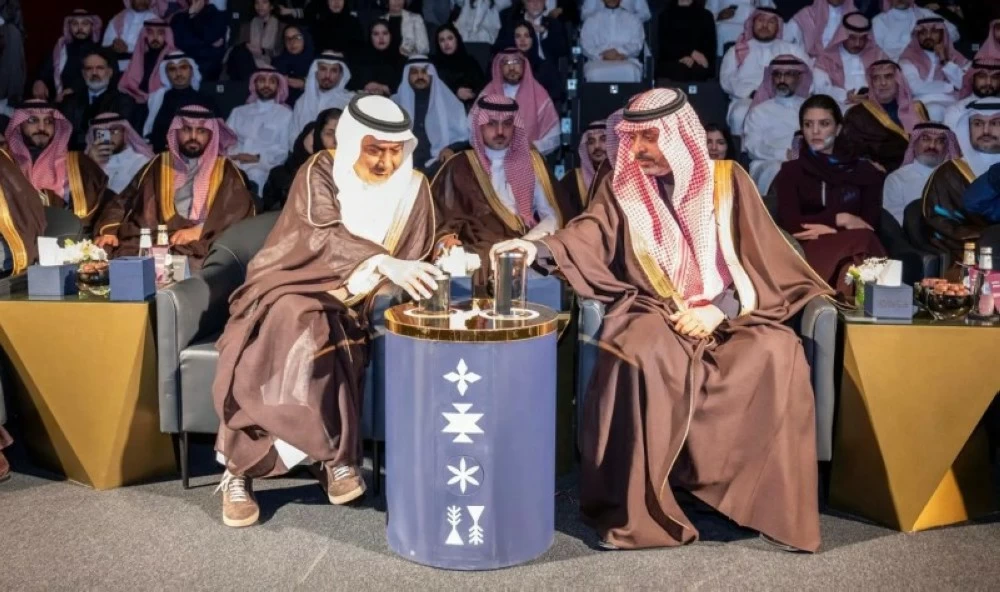
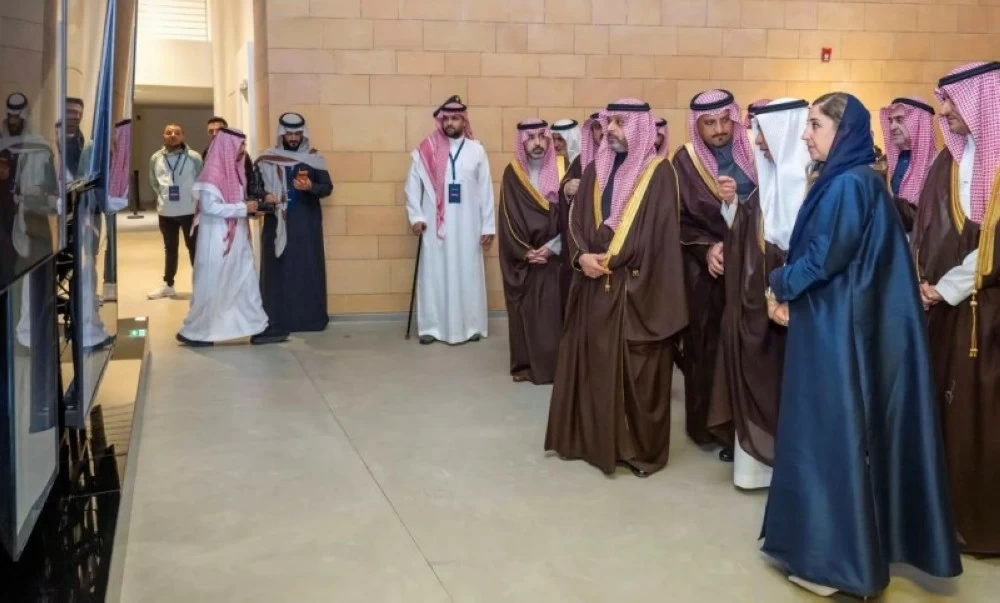
برعاية وزير الثقافة الأمير بدر بن عبدالله بن فرحان، دشّنت وزارة الثقافة أمس (الإثنين)، في مركز الدرعية لفنون المستقبل، دليل «الثقافة والفنون في المشهد الحضري»؛ ليكون مرجعاً وطنياً داعماً للجهات المعنية بتخطيط وتنفيذ التدخلات الثقافية في الفراغات العامة، وتحسين المشهد الحضري، وتعزيز جودة الحياة في مدن المملكة، بما يُسهم في تحقيق مستهدفات رؤية المملكة 2030 ذات الصلة بالثقافة ونمط الحياة الحضري، بحضور نائب وزير الثقافة حامد بن محمد فايز، ونائب وزير البلديات والإسكان إيهاب غازي الحشاني.
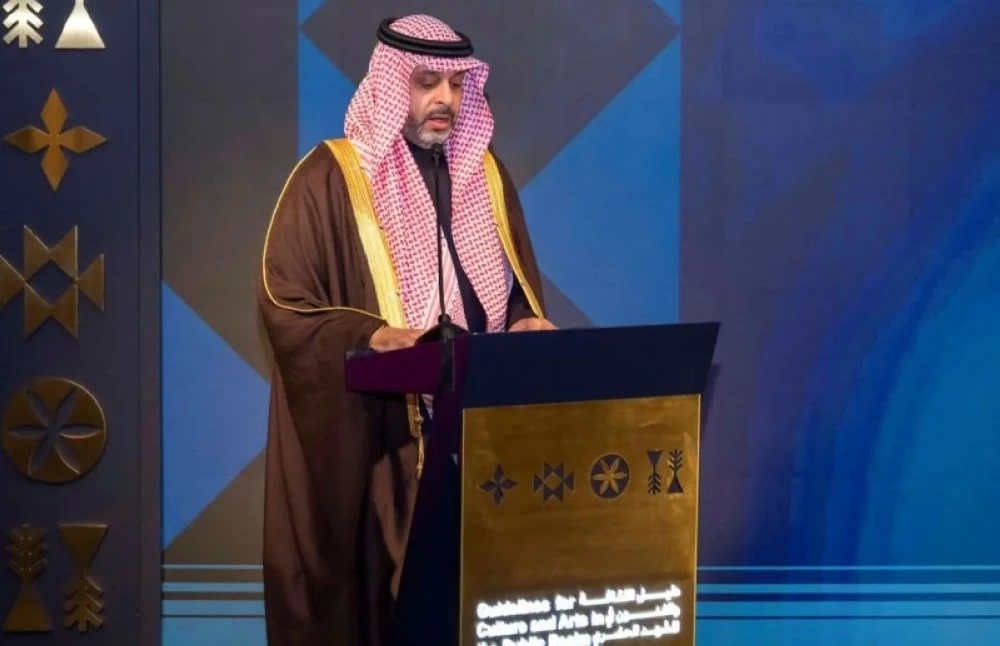
وألقى نائب وزير الثقافة حامد بن محمد فايز كلمة وزير الثقافة نيابةً عنه خلال الحفل، مؤكداً أن دليل الثقافة والفنون في المشهد الحضري «يأتي ثمرة الشراكة التكاملية بين وزارة الثقافة ووزارة البلديات والإسكان؛ لرسم مسار عملي للتفعيلات الثقافية في الفراغات العامة في مدن المملكة»، مضيفاً: «تحمل مدُنَنا ذاكرة تضم مساحاتٍ عامة تملك الكثير من المعاني في جوهرها، ويمكن لهذه الفراغات أن تتحوّل إلى تجاربٍ حيّة، تبني العلاقة بين الإنسان ومحيطه، وتعمل على تحويل المكان إلى وجهة، وحكاية، وفضاء إبداعي، عبر تعزيز قيمتها الجمالية، وتحويل التدخلات الثقافية إلى معالم ذات قيمة، تعيش في الذاكرة والمكان».
وقدم نائب وزير الثقافة شكره لوزارة البلديات والإسكان على هذه الشراكة، مؤكداً أن هذه الشراكة تُعدُّ «انعكاساً لإيمانٍ مشترك بأن الثقافة تنمو بالتعاون وتزدهر بالتكامل، لتبني مشهداً حضرياً أكثر حيوية وقرباً من الإنسان، وأبلغ تعبيراً عن ثقافة المكان».
من جانبه، ألقى نائب وزير البلديات والإسكان إيهاب غازي الحشاني كلمة وزير البلديات والإسكان أكد فيها أن «رؤية المملكة 2030 جاءت برؤيةٍ شاملة للمدينة مدينة توازن بين الوظيفة والجمال، وبين الكفاءة والروح، وبين النمو الاقتصادي وجودة الحياة»، مضيفاً: «من هذا المنطلق، عملت وزارة البلديات والإسكان على إعادة تعريف التخطيط الحضري، ليكون تخطيطاً يضع الإنسان أولاً، ويتعامل مع الفراغات العامة ليس بوصفها مساحات مهملة، بل بوصفها فرصاً للتفاعل، والانتماء، والتعبير الثقافي».
وأضاف الحشاني: «واليوم مع تدشين دليل الثقافة والفنون في المشهد الحضري ننتقل من الفكرة إلى المنهج، ومن الرغبة إلى الأداة، ومن المبادرة إلى الاستدامة»، مشيراً إلى أن «هذا الدليل ليس كتيب إرشادات فنية، ولا وثيقة تنظيمية فقط، بل إطار وطني واع، يربط بين الثقافة والعمران، ويمنح المدن لغة تعبّر بها عن نفسها، ويمنح الإنسان مساحة يشعر فيها بأن المكان يشبهه»، مضيفاً: «لقد صمم هذا الدليل ليكون عملياً، ومرناً، وقابلاً للتطبيق في مختلف مناطق المملكة، مع احترام خصوصية كل مدينة، وتنوعها الثقافي، وطابعها المعماري، ويقدم الدليل للبلديات والمخططين والممارسين مساراً واضحاً لكيفية دمج الفنون والثقافة في الشوارع، والساحات، والحدائق، ومداخل المدن، بطريقةٍ تعزز الهوية، وتثري التجربة الحضرية، وتخلق أثراً إنسانياً مستداماً».
وأكد الحشاني أن هذا العمل يأتي «ثمرة تكامل مؤسسي حقيقي مع وزارة الثقافة، وتعبير صادق عن إيمان مشترك بأن الثقافة ليست قطاعاً منفصلاً، بل ركيزة من ركائز جودة الحياة، ومحركاً أساسياً للمدن النابضة بالحياة».
ويقدّم الدليل نهجاً عملياً خطوةً بخطوة لتنفيذ التدخلات الثقافية في الأماكن العامة، بدءاً من فهم المجتمع والمكان، مروراً باختيار التدخل الثقافي المناسب للمكان، وصولاً إلى مرحلة التنفيذ وقياس الأثر، بما يضمن مواءمة المشاريع مع هوية المكان واحتياجات مستخدميه، وتحويل الفراغات العامة والميادين إلى مساحات حية تعكس هوية المجتمع، وتشرك أفراده عبر الفن والثقافة.
ويستهدف الدليل الأمانات والبلديات، والهيئات التطويرية، والمشاريع الكبرى، والممارسين من القطاعات الثقافية ذات العلاقة، من خلال تزويدهم بمجموعة من المبادئ التوجيهية، والأدوات، والنماذج التي تسهم في توحيد منهجية العمل على التدخلات الثقافية في الفراغات العامة، وتمكين الجهات من إدماج الثقافة والفنون في مشاريع تطوير الحدائق، والشوارع، والميادين، والساحات، وغيرها من المناطق المفتوحة في المدن السعودية.
ويسعى الدليل إلى تحفيز المشاركة المجتمعية، وتمكين وصول الثقافة إلى الجميع، عبر إتاحة مساحة أوسع لإشراك سكان الأحياء، والزوار، والفنانين في تصميم وتفعيل التدخلات الثقافية في الفراغ العام.
وجاء العمل على إعداد الدليل بالتكامل بين المنظومة الثقافية، ومنظومة وزارة البلديات والإسكان، والجهات ذات العلاقة بالمشهد الحضري، كما أُطلقت عدة مشاريع تجريبية بالتعاون مع الهيئة الملكية لمدينة الرياض، ومكتبة الملك فهد الوطنية، وأمانة المدينة المنورة، لتخطيط وتنفيذ عددٍ من الأعمال الفنية والثقافية في الفراغات العامة.
وسيُتاح دليل الثقافة والفنون في المشهد الحضري عبر منصة رقمية مخصصة على موقع وزارة الثقافة، تتضمن نسخة الدليل باللغتين العربية والإنجليزية، ومواد توضيحية داعمة، وأمثلةً لأفضل الممارسات التي يمكن الرجوع إليها عند تطوير المشاريع، على أن تستمر الوزارة في مشاركة التحديثات ودراسات الحالة المرتبطة بتطبيق الدليل في مدن المملكة خلال المراحل القادمة.
Under the patronage of the Minister of Culture, Prince Badr bin Abdullah bin Farhan, the Ministry of Culture launched yesterday (Monday), at the Diriyah Center for Future Arts, the guide "Culture and Arts in the Urban Scene"; to serve as a national reference supporting the relevant authorities in planning and implementing cultural interventions in public spaces, improving the urban landscape, and enhancing the quality of life in the cities of the Kingdom, contributing to achieving the objectives of Vision 2030 related to culture and urban lifestyle, with the presence of the Deputy Minister of Culture, Hamid bin Mohammed Fayez, and the Deputy Minister of Municipalities and Housing, Ihab Ghazi Al-Hushani.
The Deputy Minister of Culture, Hamid bin Mohammed Fayez, delivered a speech on behalf of the Minister of Culture during the ceremony, emphasizing that the guide to culture and arts in the urban scene "is the result of a complementary partnership between the Ministry of Culture and the Ministry of Municipalities and Housing; to chart a practical path for cultural activations in public spaces in the cities of the Kingdom," adding: "Our cities carry a memory that includes public spaces rich in meaning, and these spaces can transform into vibrant experiences that build the relationship between humans and their surroundings, turning places into destinations, stories, and creative spaces, by enhancing their aesthetic value and transforming cultural interventions into landmarks of significance that live in memory and place."
The Deputy Minister of Culture expressed his gratitude to the Ministry of Municipalities and Housing for this partnership, affirming that this partnership is "a reflection of a shared belief that culture grows through cooperation and flourishes through integration, to build a more vibrant urban scene that is closer to people and a more expressive representation of the culture of the place."
For his part, the Deputy Minister of Municipalities and Housing, Ihab Ghazi Al-Hushani, delivered a speech on behalf of the Minister of Municipalities and Housing, in which he affirmed that "Vision 2030 came with a comprehensive vision for the city that balances function and beauty, efficiency and spirit, economic growth and quality of life," adding: "From this standpoint, the Ministry of Municipalities and Housing has worked to redefine urban planning, making it a planning that puts people first, treating public spaces not as neglected areas, but as opportunities for interaction, belonging, and cultural expression."
Al-Hushani added: "Today, with the launch of the guide to culture and arts in the urban scene, we move from idea to methodology, from desire to tool, from initiative to sustainability," pointing out that "this guide is not merely a technical manual or an organizational document, but a conscious national framework that connects culture and urbanism, giving cities a language to express themselves, and providing individuals with a space where they feel that the place resembles them," adding: "This guide has been designed to be practical, flexible, and applicable in various regions of the Kingdom, while respecting the uniqueness of each city, its cultural diversity, and its architectural character, offering municipalities, planners, and practitioners a clear pathway on how to integrate arts and culture into streets, squares, parks, and city entrances, in a way that enhances identity, enriches the urban experience, and creates a sustainable human impact."
Al-Hushani affirmed that this work comes as "the result of a true institutional integration with the Ministry of Culture, and a sincere expression of a shared belief that culture is not a separate sector, but a pillar of quality of life and a fundamental driver of vibrant cities."
The guide provides a practical step-by-step approach for implementing cultural interventions in public spaces, starting from understanding the community and the place, through selecting the appropriate cultural intervention for the location, to the implementation phase and measuring impact, ensuring that projects align with the identity of the place and the needs of its users, transforming public spaces and squares into vibrant areas that reflect the community's identity and engage its members through art and culture.
The guide targets municipalities, development authorities, major projects, and practitioners from related cultural sectors, by providing them with a set of guiding principles, tools, and models that contribute to standardizing the methodology for cultural interventions in public spaces, enabling entities to integrate culture and arts into the development of parks, streets, squares, and other open areas in Saudi cities.
The guide seeks to stimulate community participation and enable access to culture for all, by providing a broader space for involving neighborhood residents, visitors, and artists in designing and activating cultural interventions in public spaces.
The preparation of the guide was carried out in collaboration between the cultural system, the Ministry of Municipalities and Housing, and the entities related to the urban scene. Several pilot projects were launched in cooperation with the Royal Commission for Riyadh City, the King Fahd National Library, and the Municipality of Medina, to plan and implement a number of artistic and cultural works in public spaces.
The guide to culture and arts in the urban scene will be available through a dedicated digital platform on the Ministry of Culture's website, which will include the guide in both Arabic and English, supporting explanatory materials, and examples of best practices that can be referred to when developing projects, with the ministry continuing to share updates and case studies related to the application of the guide in the cities of the Kingdom in the coming stages.