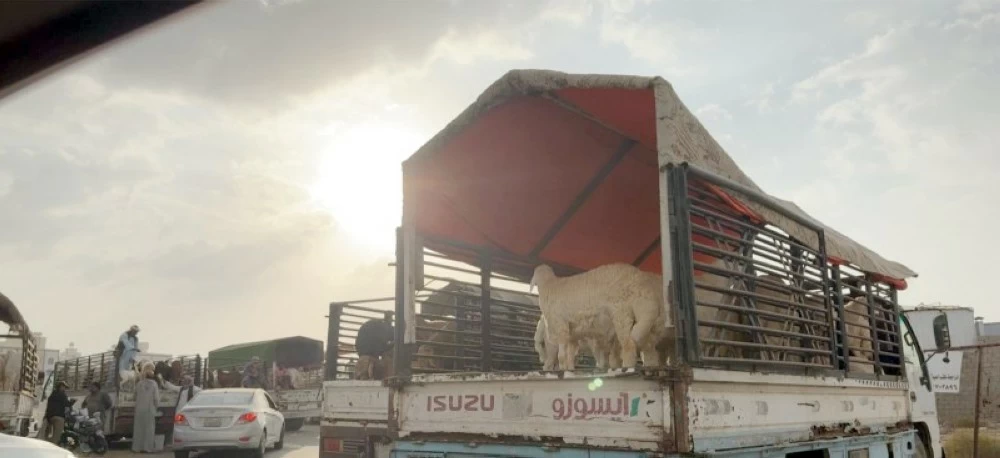
شهدت أسواق المواشي بمحافظة الطائف، ارتفاعاً ملحوظاً في أسعار الأغنام خلال الأيام الماضية، وفق ما رصدته جولة ميدانية لـ«عكاظ». وتباينت الأسعار بشكل لافت بين بائع وآخر، في ظل غياب جهة رقابية تتولى ضبط الأسعار أو وضع سقف استرشادي لها، ما أثار استياء المتسوقين مع تزايد الإقبال الموسمي قبيل حلول رمضان المبارك.
وشملت الجولة السوق المركزي للمواشي في الطائف، وسوق السيل الصغير، إضافة إلى أسواق متفرقة قرب كوبري عشيرة، حيث لوحظ تفاوت الأسعار بين المواقع المختلفة، بل وحتى بين الحظائر داخل السوق الواحدة، رغم تقارب الأنواع والأحجام. وسجّل الطلي الحري أسعاراً تراوحت بين 1,800 و2,500 ريال، فيما ارتفع التيس البلدي إلى مستويات غير مسبوقة بين 1,300 و2,200 ريال، بينما بلغ سعر السواكني نحو 1,500 ريال.
وقال محمد العتيبي، إن الأسعار شهدت قفزات مفاجئة خلال الأيام الماضية دون مبررات واضحة، مشيراً إلى أن الفروقات قد تصل إلى مئات الريالات للرأس الواحد، مطالباً بوجود رقابة أكثر فاعلية تضمن عدالة التسعير وتحمي المستهلك من المبالغات.
في المقابل، أوضح البائع خالد المطيري، أن الارتفاع ليس مقتصراً فقط على الطائف بل يسود كافة المناطق، ويعود إلى زيادة تكاليف النقل والأعلاف، إضافة إلى ارتفاع الطلب مقارنة بالمعروض، مؤكداً أن السوق تخضع لآلية العرض والطلب، وأن البائعين يتأثرون بدورهم بارتفاع التكاليف التشغيلية.
وأشار المهتم بقطاع الثروة الحيوانية علي العصيمي إلى أن الأسواق الموسمية تشهد عادة تذبذباً في الأسعار، إلا أن غياب لوحات تسعيرية استرشادية أو رقابة ميدانية مكثفة يفتح المجال لاجتهادات فردية قد تضر بالمستهلك. وأضاف، أن وزارة البيئة والمياه والزراعة، أعلنت سابقاً بدء تطبيق بيع المواشي الحية بالوزن اعتباراً من 1 محرم 1447هـ، لتنظيم عمليات البيع في أسواق النفع العام، إلا أن القرار لم يُفعّل حتى الآن.
وطالب المتسوقون عبر «عكاظ»، الجهات المختصة بتكثيف الجولات الرقابية ووضع آلية واضحة للتسعير الاسترشادي، بما يحقق التوازن بين مصلحة البائع والمشتري، ويحد من الارتفاعات غير المبررة، خصوصاً في المواسم التي يشهد فيها الطلب على المواشي ارتفاعاً كبيراً في المحافظة.
The livestock markets in Taif Governorate have witnessed a noticeable increase in sheep prices over the past few days, according to a field tour conducted by "Okaz." The prices varied significantly from one seller to another, in the absence of a regulatory body to control prices or set a guiding ceiling for them, which has caused dissatisfaction among shoppers with the seasonal increase in demand ahead of the blessed month of Ramadan.
The tour included the central livestock market in Taif, the Al-Sail Al-Saghir market, as well as various markets near the Al-Shira Bridge, where price discrepancies were observed between different locations, and even among pens within the same market, despite the similarity in types and sizes. The price of Harri lamb ranged between 1,800 and 2,500 riyals, while the price of local goats reached unprecedented levels between 1,300 and 2,200 riyals, and the price of Sawakini sheep was around 1,500 riyals.
Mohammed Al-Otaibi stated that prices have experienced sudden jumps in recent days without clear justifications, noting that the differences can reach hundreds of riyals per head, calling for more effective oversight to ensure fair pricing and protect consumers from exaggerations.
On the other hand, seller Khalid Al-Mutairi explained that the increase is not limited to Taif but is prevalent in all regions, attributed to rising transportation and feed costs, in addition to increased demand compared to supply. He confirmed that the market is subject to the mechanism of supply and demand, and that sellers are also affected by rising operational costs.
Ali Al-Asimi, who is interested in the livestock sector, pointed out that seasonal markets usually experience price fluctuations; however, the absence of guiding price boards or intensive field oversight opens the door for individual interpretations that may harm consumers. He added that the Ministry of Environment, Water, and Agriculture had previously announced the start of selling live livestock by weight as of 1 Muharram 1447 AH, to organize sales operations in public benefit markets, but the decision has not yet been implemented.
Shoppers, through "Okaz," have called on the relevant authorities to intensify regulatory tours and establish a clear mechanism for guiding pricing, achieving a balance between the interests of sellers and buyers, and limiting unjustified increases, especially during seasons when demand for livestock significantly rises in the governorate.