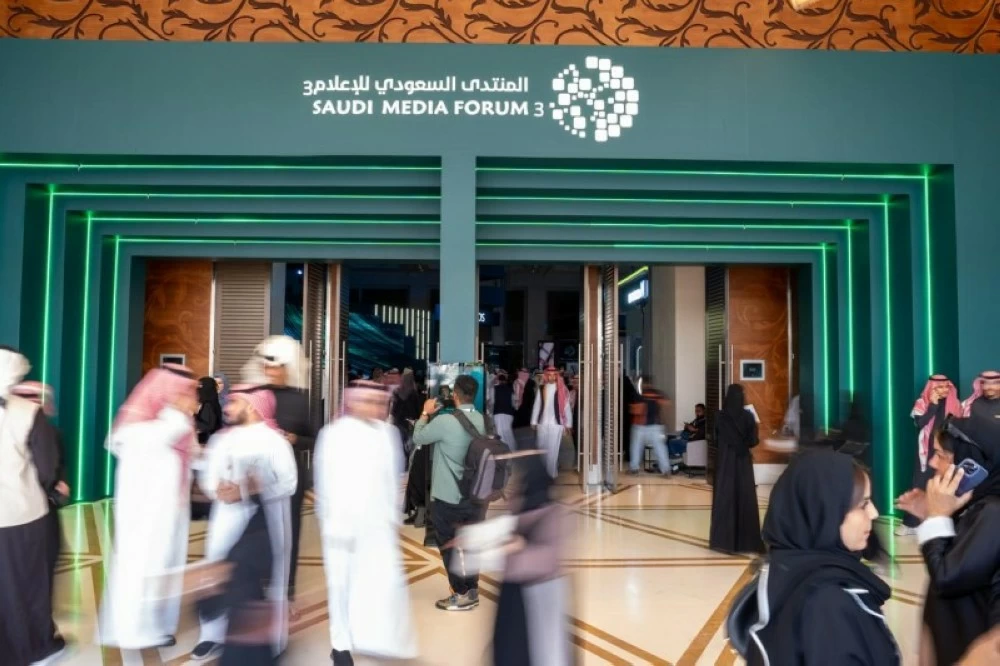
يفتح المنتدى السعودي للإعلام 2026 نافذة على سؤال يمسّ حياة الناس مباشرة: كيف تُقاس جودة الحياة في المدن بمعيار واحد يفهمه العالم؟ وفي جلسة «نحو معيار عالمي جديد لجودة الحياة في المدن» تطرح إجابة عملية عبر إطلاق معيار عالمي جديد لقياس جودة الحياة في المدن، بوصفه إطارًا شاملًا يعكس الأبعاد الاقتصادية والاجتماعية والبيئية والحضرية المؤثرة في رفاه الإنسان، وفي قلب النقاش تقف فكرة المعيار العالمي: لغة مشتركة للمدن، وأداة تقيس رفاه الإنسان بصورة قابلة للمقارنة.
وينطلق تحليل الجلسة من الإطار المفاهيمي والمنهجي للمعيار العالمي، وهذا الإطار يضع جودة الحياة في المدن داخل صورة متكاملة تجمع الاقتصاد والمجتمع والبيئة والعمران، والمنهج هنا يصنع خريطة قياس تتعامل مع رفاه الإنسان كحصيلة عناصر مترابطة، لا كأرقام منفصلة. حين يصبح القياس مفهوماً ومنهجاً واضحين، تتحول جودة الحياة في المدن إلى موضوع قابل للتقييم والتحسين وفق أسس محددة، ويصبح المعيار العالمي نقطة مرجعية تساعد على قراءة الواقع الحضري بعيون دقيقة.
وينتقل مسار الجلسة إلى توحيد المعايير وأثره على تنافسية المدن عالميًا، وتوحيد القياس يخلق مساحة عادلة للمقارنة بين المدن، ويُبرز الفوارق التي تصنعها السياسات، والبرامج، ومقاربات التطوير الحضري، وفي هذا السياق، يغدو المعيار العالمي أداة تُترجم جودة الحياة في المدن إلى مؤشرات يمكن أن تُستخدم لفهم موقع المدينة على الخريطة العالمية للتنافسية، ومع اتساع الاهتمام بجودة الحياة، يصبح القياس الموحد عاملًا مؤثرًا في سردية المدينة، وفي صورتها، وفي قدرتها على جذب الاهتمام الدولي.
وتتعمق الجلسة في جودة الحياة وصياغة السياسات الحضرية المستدامة، حين تتضح صورة المؤثرات الاقتصادية والاجتماعية والبيئية والحضرية، تتجه السياسات نحو حلول تُوازن بين الاحتياجات وتستهدف رفاه الإنسان، والمعيار العالمي، بوصفه إطارًا شاملًا، يمنح صانع القرار أداة تربط الرؤية بالتطبيق، وتدعم بناء سياسات حضرية أكثر اتساقًا مع مفهوم الاستدامة. بهذه الزاوية، تتحول جودة الحياة في المدن إلى بوصلة توجه التخطيط، وتُحسّن الخيارات، وتُقارب التحديات ضمن منطق متكامل.
وتصل الجلسة إلى آفاق التطبيق والتبنّي الدولي للمعيار. الحديث عن تطبيق معيار عالمي يعني بحث قابلية التبني على نطاق واسع، وكيف يمكن للمدن التعامل معه كأداة قياس قابلة للاستخدام في الواقع؟ وهنا تتضح أهمية المنتدى السعودي للإعلام بوصفه منصة تطرح هذا الملف أمام جمهور واسع، وتمنحه مساحة للحوار المتخصص حول معيار عالمي ومستقبل جودة الحياة في المدن.
وفي محور المتحدثين، يشارك في الجلسة المدير العام لإدارة الأداء في مركز برنامج جودة الحياة عبدالله الحربي، حضوره يضع الأداء في صميم النقاش؛ لأن معيارًا عالميًا يحتاج إلى من يفكر بمنطق القياس والمتابعة والتحسين. موقعه الوظيفي يرتبط مباشرة بفكرة المعيار العالمي، وبكيفية تحويل المفاهيم والمنهجيات إلى أدوات قياس تُقرأ وتُقارن وتُستخدم.
ويضع المنتدى السعودي للإعلام 2026 جلسة «نحو معيار عالمي جديد لجودة الحياة في المدن» في واجهة النقاش العام بوصفها خطوة معرفية ذات أثر مباشر: معيار عالمي يُقاس به رفاه الإنسان عبر أبعاد اقتصادية واجتماعية وبيئية وحضرية، ونقاش يربط القياس بتنافسية المدن، ويصل بجودة الحياة في المدن إلى مساحة أكثر وضوحًا للسياسات والتطبيق والتبنّي الدولي.
The Saudi Media Forum 2026 opens a window to a question that directly affects people's lives: How can the quality of life in cities be measured by a single standard that the world understands? In the session "Towards a New Global Standard for Quality of Life in Cities," a practical answer is proposed through the launch of a new global standard for measuring quality of life in cities, serving as a comprehensive framework that reflects the economic, social, environmental, and urban dimensions impacting human well-being. At the heart of the discussion is the idea of a global standard: a common language for cities and a tool that measures human well-being in a comparable manner.
The analysis of the session begins with the conceptual and methodological framework of the global standard, which places the quality of life in cities within an integrated picture that combines economy, society, environment, and urban development. The methodology here creates a measurement map that treats human well-being as a result of interconnected elements, rather than as separate numbers. When measurement becomes a clear concept and methodology, the quality of life in cities transforms into a subject that can be evaluated and improved based on specific foundations, making the global standard a reference point that helps read the urban reality with precise insights.
The session then shifts to the unification of standards and its impact on the global competitiveness of cities. Standardizing measurements creates a fair space for comparison between cities, highlighting the disparities created by policies, programs, and urban development approaches. In this context, the global standard becomes a tool that translates the quality of life in cities into indicators that can be used to understand a city's position on the global competitiveness map. As interest in quality of life expands, unified measurement becomes an influential factor in the narrative of the city, its image, and its ability to attract international attention.
The session delves deeper into quality of life and the formulation of sustainable urban policies. When the influences of economic, social, environmental, and urban factors become clear, policies tend to move towards solutions that balance needs and target human well-being. The global standard, as a comprehensive framework, provides decision-makers with a tool that connects vision to implementation and supports the development of urban policies that are more consistent with the concept of sustainability. From this perspective, the quality of life in cities becomes a compass that guides planning, improves choices, and addresses challenges within an integrated logic.
The session reaches the horizons of application and international adoption of the standard. Discussing the application of a global standard means exploring its broad adoptability and how cities can engage with it as a usable measurement tool in reality. Here, the importance of the Saudi Media Forum becomes clear as a platform that presents this topic to a wide audience, providing space for specialized dialogue about a global standard and the future of quality of life in cities.
In the speakers' segment, the General Director of Performance Management at the Quality of Life Program Center, Abdullah Al-Harbi, participates in the session. His presence places performance at the core of the discussion because a global standard requires someone who thinks in terms of measurement, monitoring, and improvement. His job position is directly linked to the idea of the global standard and how to transform concepts and methodologies into measurement tools that can be read, compared, and utilized.
The Saudi Media Forum 2026 positions the session "Towards a New Global Standard for Quality of Life in Cities" at the forefront of public discussion as a cognitive step with a direct impact: a global standard by which human well-being is measured across economic, social, environmental, and urban dimensions, and a discussion that links measurement to the competitiveness of cities, bringing the quality of life in cities into a clearer space for policies, implementation, and international adoption.