أكد المركز الوطني للأرصاد، في تقرير التوقعات المناخية، أن الثلث الأول من شهر رمضان للعام الحالي 1447هـ-وفق تقويم أم القرى- الذي سيتزامن مع الفترة من 18 إلى 28 فبراير 2026م، ستكون بداياته في الأيام الأخيرة من فصل الشتاء.
يمكن وصف الهطولات بأنها غزيرة إلى غزيرة جدا
وأوضح المركز أن شهر ديسمبر يُظهر فرص هطول أمطار أعلى من المعدل الطبيعي على مناطق شرق وشمال وغرب الرياض، وشمال وغرب وشرق الشرقية، والقصيم، وحائل، والحدود الشمالية، والجوف، والمدينة المنورة، وتبوك، ومكة المكرمة، والباحة، إضافة إلى الخليج العربي وشمال ووسط البحر الأحمر بما في ذلك الأجزاء الساحلية، ويمكن وصف الهطولات بأنها غزيرة إلى غزيرة جدا.
هطولات مطرية
مؤشرات مناخية أولية تُظهر فرصا لهطولات مطرية على عدد من المناطق
وأوضح المركز أن التوقعات الاحتمالية تشير إلى ارتفاع متوسط درجة الحرارة عن المعدل الطبيعي على جميع مناطق المملكة بشكل متفاوت؛ إذ يُتوقع أن يصل أقصى ارتفاع إلى 1.2 درجة مئوية على جنوب شرق الشرقية، بينما تبلغ الزيادة نحو 1.0 درجة مئوية على تبوك، وشمال وشرق ووسط وغرب الجوف، وشمال وغرب المدينة المنورة، وشمال حائل، ووسط وجنوب المنطقة الشرقية، وشمال غرب الحدود الشمالية.
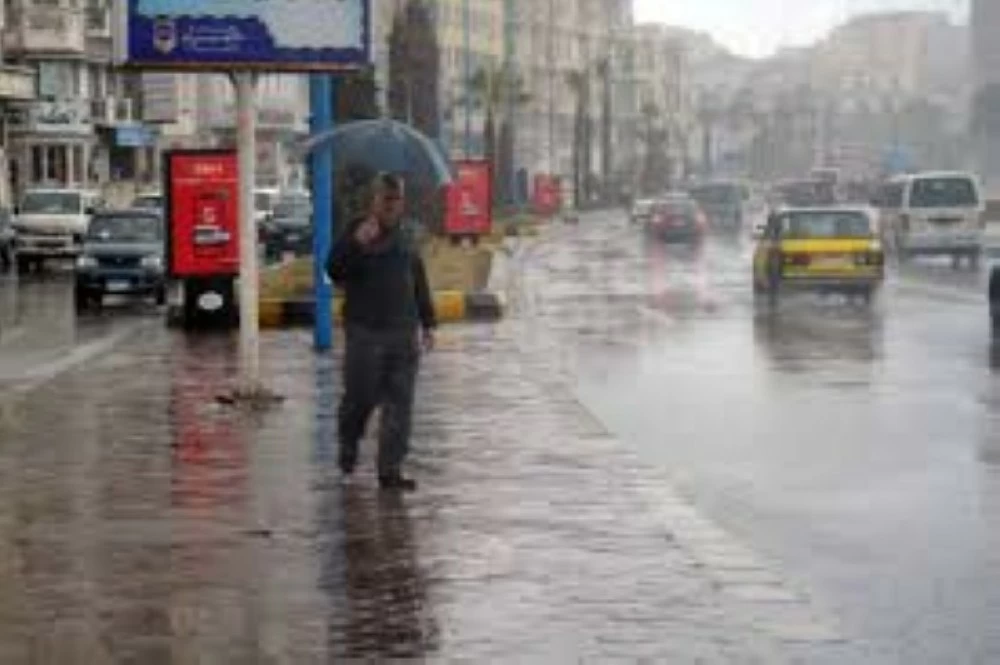
وتشهد أجواء المملكة خلال فصل الشتاء حالة من التقلبات الجوية، وسط مؤشرات مناخية أولية تُظهر فرصا لهطولات مطرية على عدد من المناطق، خصوصا المنطقة الشرقية، إلى جانب توقعات بارتفاع طفيف في درجات الحرارة مقارنة بالمعدلات المناخية المعتادة.
أعلى من المعدل
وتشير التوقعات في شهر يناير إلى استمرار فرص الأمطار الأعلى من المعدل الطبيعي على شمال غرب مكة المكرمة، وشرق ووسط وغرب وجنوب المدينة المنورة، والقصيم، وحائل، وشرق تبوك، والجوف، والحدود الشمالية، وشمال الرياض، وشمال المنطقة الشرقية، مع توقعات بأن تكون الهطولات من متوسطة إلى غزيرة.
ووفق التقرير، يتوقع أن يشهد شهر فبراير انخفاض الهطولات على معظم مناطق المملكة لتكون أقل من المعدل الطبيعي، بينما تبقى الفرص أعلى من المعدل على شمال الشرقية، وشمال الجوف، وشمال غرب الحدود الشمالية، ويمكن وصف الهطولات خلاله بأنها متوسطة إلى غزيرة.
The National Center of Meteorology confirmed, in its climate forecast report, that the first third of the month of Ramadan for the current year 1447 AH - according to the Umm al-Qura calendar - which will coincide with the period from February 18 to February 28, 2026, will begin in the last days of winter.
The center explained that December shows higher than normal rainfall opportunities in the eastern, northern, and western regions of Riyadh, northern, western, and eastern Al-Sharqiyah, Al-Qassim, Ha'il, the Northern Borders, Al-Jawf, Medina, Tabuk, Mecca, Al-Baha, in addition to the Arabian Gulf and the northern and central parts of the Red Sea, including the coastal areas, and the precipitation can be described as heavy to very heavy.
Rainfall
The center indicated that the probabilistic forecasts suggest a rise in the average temperature above the normal rate across all regions of the Kingdom to varying degrees; with the maximum increase expected to reach 1.2 degrees Celsius in the southeastern Al-Sharqiyah, while the increase is about 1.0 degrees Celsius in Tabuk, northern, eastern, central, and western Al-Jawf, northern and western Medina, northern Ha'il, central and southern Al-Sharqiyah, and northwestern Northern Borders.
The weather in the Kingdom during the winter season is experiencing fluctuations, amid preliminary climate indicators showing opportunities for rainfall in several regions, especially the eastern region, alongside expectations of a slight rise in temperatures compared to the usual climatic averages.
Above Average
Forecasts for January indicate continued opportunities for above-average rainfall in the northwest of Mecca, east, central, west, and south of Medina, Al-Qassim, Ha'il, eastern Tabuk, Al-Jawf, the Northern Borders, northern Riyadh, and northern Al-Sharqiyah, with expectations that the precipitation will be from moderate to heavy.
According to the report, February is expected to witness a decrease in precipitation across most regions of the Kingdom, making it less than the normal average, while opportunities remain above average in northern Al-Sharqiyah, northern Al-Jawf, and northwestern Northern Borders, and the precipitation during this month can be described as moderate to heavy.