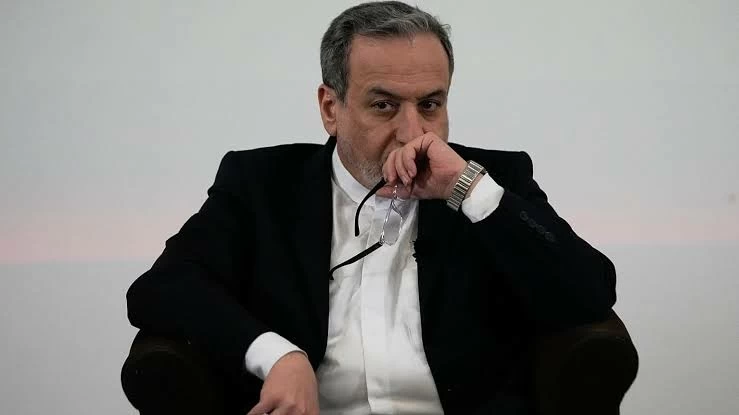
اعتبر وزير الخارجية الإيراني عباس عراقجي، أن الهجوم على بلاده مجدداً لن يؤدي إلى تحقيق نتائج مختلفة عن المرات السابقة.
تغييرات جوهرية وإستراتيجية
وقال عراقجي في كلمة بمركز الدراسات السياسية والدولية بوزارة الخارجية، اليوم (الأحد)، «في جميع المفاوضات التي أجريناها مع الجانب الأمريكي، بوساطة باكستان وقطر وغيرهما، أكدنا ضرورة إنهاء الحرب على جميع الجبهات، وأن تشهد جميع الجبهات نهاية الحرب، وإلا فلن نشهد استقراراً في المنطقة».
ودعا الجميع إلى التسليم بأن تغييرات جوهرية وإستراتيجية قد طرأت على المنطقة، ولن يعود شيء كما كان قبل حرب الأربعين يوماً، بما في ذلك مضيق هرمز.
وأضاف عراقجي: «ظل مضيق هرمز مفتوحاً لعقود، ولم تضع إيران ولا عُمان، الدولتان الساحليتان للمضيق، أي عوائق أمام العبور، بل على العكس، عملتا على إرساء الأمن والسلامة وحماية البيئة، لكن الحرب الحالية غيّرت كل شيء، وعلينا أن نتقبل أن واقعاً جديداً قد ساد. لن تكون طرق الملاحة في مضيق هرمز كما كانت من قبل، ولن تكون إدارة المضيق كما كانت سابقاً، وفق قوله».
وقال: «هذه الأيام، يثار الحديث عن الحرب مجدداً. أنا أفكر الآن لما بعد الحرب. سواء اندلعت الحرب أم لا، فإن سياساتنا قائمة. إذا ساد المنطق، فلن يُقدموا على أي هجوم عسكري أو عدوان على الشعب الإيراني».
وأضاف: «لقد جربوا ذلك مرتين ورأوا النتيجة، فإن أرادوا تكرار التجربة، فهم يعلمون ذلك جيداً ولن يحصلوا على نتيجة مختلفة عن المرات السابقة، ولنفكر في مرحلة ما بعد الحرب».
المنشآت النووية في المقدمة
في غضون ذلك، كشفت تقارير أمريكية مدعومة بتحليلات لصور الأقمار الصناعية، عن ملامح بنك الأهداف الذي قد تستهدفه الولايات المتحدة حال اندلاع جولة جديدة ضد إيران، مع تركيز واضح على ما تبقى من القدرات النووية والعسكرية والإستراتيجية.
وتأتي المنشآت النووية في مقدمة الأهداف المحتملة، وفي صدارتها مجمع جبل الفأس النووي العميق تحت الأرض في محافظة أصفهان وسط إيران، بالقرب من نطنز. ويُعد الموقع من أكثر المنشآت تحصيناً، إذ لا يزال قيد التشغيل ولم يتعرض لتدمير كامل بسبب عمقه الكبير ومستوى الحماية المرتفع الذي يتمتع به.
وتشمل الأهداف المحتملة منشأة فوردو لتخصيب اليورانيوم في محافظة قم، ومنشأة أراك للماء الثقيل غرب البلاد، واللتين تعرضتا لضربات سابقة، لكنهما لم تخرجا من الخدمة بشكل نهائي.
وعلى صعيد البنية العلمية المرتبطة بالبرنامج النووي، تبرز مراكز الأبحاث والتطوير التابعة لجامعة مالك أشتر التكنولوجية وجامعة إمام حسين في طهران ضمن قائمة المواقع التي قد تُستهدف مجدداً، باعتبارها مراكز داعمة للأنشطة البحثية والتطويرية ذات الصلة بالقدرات العسكرية والنووية الإيرانية.
خطوط إنتاج الصواريخ الباليستية
ويتوقع أن يتركز أي هجوم محتمل على ما تبقى من خطوط إنتاج الصواريخ الباليستية ومصانع المحركات الصاروخية ومستودعات التخزين والمخابئ الجوفية. وتنتشر هذه المواقع في مناطق عدة، أبرزها شاهرود في محافظة سمنان، إضافة إلى تبريز وكرمانشاه غرب إيران.
وفي ما يتعلق بالبنية التحتية الرقمية، تشير التقديرات إلى أن مراكز البيانات وشبكات الاتصالات الداخلية قد تكون ضمن الأهداف المحتملة، في إطار مساعٍ لإضعاف قدرات الدولة الرقمية وشبكات القيادة والاتصال.
وتبرز منشآت الطاقة ضمن قائمة الأهداف الحساسة، وتشمل مرافق الكهرباء والغاز، إلى جانب شبكات النقل الحيوية مثل السكك الحديدية والجسور.
The Iranian Foreign Minister Abbas Araghchi considered that an attack on his country again would not lead to different results than in previous instances.
Fundamental and Strategic Changes
Araghchi said in a speech at the Political and International Studies Center of the Foreign Ministry today (Sunday), "In all the negotiations we have conducted with the American side, mediated by Pakistan, Qatar, and others, we emphasized the necessity of ending the war on all fronts, and that all fronts must witness the end of the war; otherwise, we will not witness stability in the region."
He called on everyone to acknowledge that fundamental and strategic changes have occurred in the region, and that nothing will return to how it was before the forty-day war, including the Strait of Hormuz.
Araghchi added: "The Strait of Hormuz has remained open for decades, and neither Iran nor Oman, the two coastal states of the strait, have placed any obstacles to passage; on the contrary, they have worked to establish security, safety, and environmental protection. However, the current war has changed everything, and we must accept that a new reality has prevailed. The shipping routes in the Strait of Hormuz will not be as they were before, and the management of the strait will not be as it was previously," he said.
He stated: "These days, discussions about war are being raised again. I am thinking now about what comes after the war. Whether the war breaks out or not, our policies remain in place. If logic prevails, they will not undertake any military attack or aggression against the Iranian people."
He added: "They have tried that twice and saw the result; if they want to repeat the experiment, they know well that they will not achieve a different result than in previous instances, and let us think about the post-war phase."
Nuclear Facilities at the Forefront
Meanwhile, U.S. reports supported by analyses of satellite images have revealed the outlines of a target bank that the United States may target in the event of a new round against Iran, with a clear focus on what remains of nuclear, military, and strategic capabilities.
Nuclear facilities are at the forefront of potential targets, with the deep underground Jebel Al-Fas nuclear complex in Isfahan province, near Natanz, being at the top of the list. This site is one of the most fortified facilities, as it is still operational and has not been completely destroyed due to its great depth and high level of protection.
Potential targets include the Fordow uranium enrichment facility in Qom province and the Arak heavy water facility in the west of the country, both of which have previously been struck but have not been permanently taken out of service.
Regarding the scientific infrastructure related to the nuclear program, the research and development centers affiliated with Malek Ashtar University of Technology and Imam Hussein University in Tehran stand out among the sites that may be targeted again, as they are centers supporting research and development activities related to Iranian military and nuclear capabilities.
Ballistic Missile Production Lines
Any potential attack is expected to focus on what remains of ballistic missile production lines, rocket engine factories, storage depots, and underground bunkers. These sites are spread across several areas, notably Shahroud in Semnan province, as well as Tabriz and Kermanshah in western Iran.
Regarding digital infrastructure, estimates suggest that data centers and internal communication networks may be among the potential targets, as part of efforts to weaken the state's digital capabilities and command and communication networks.
Energy facilities also appear on the list of sensitive targets, including electricity and gas facilities, along with vital transportation networks such as railways and bridges.