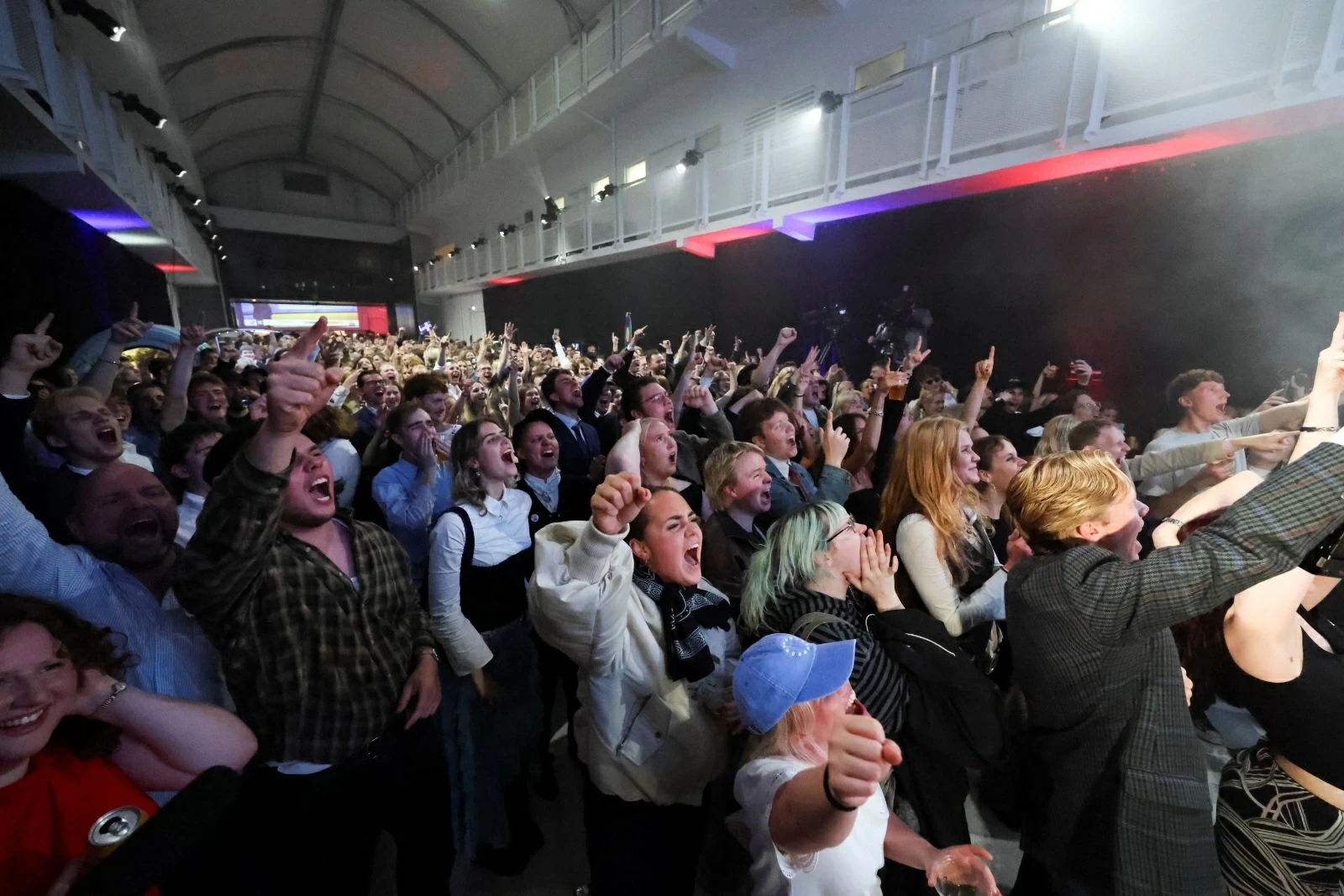
في انتكاسة لمساعي الحكومة، رفض الناخبون في آيسلندا استئناف مفاوضات الانضمام إلى الاتحاد الأوروبي، ما بدا أنه انحياز إلى مخاوف تتعلق بالسيادة والسيطرة على مياه الصيد.
خيبة آمال بروكسل
ومن المرجح أن تخيب نتيجة الاستفتاء آمال بروكسل، إذ كان يرى بعض مسؤولي الاتحاد الأوروبي أن انضمام آيسلندا للتكتل «منخفض المخاطر»، يمكن أن يساعد في تخفيف التحفظات تجاه توسع التكتل، وتعزيز موقعه الاستراتيجي، خصوصاً في ظل التركيز المتزايد على أمن القطب الشمالي.
قدمت الحكومة خطة استئناف مفاوضات العضوية باعتبارها لحظة «الآن أو أبداً»، وقالت رئيسة الوزراء كريسترون فروستادوتير للناخبين في أغسطس إن التصويت بـ«لا» سيضع حداً للتكهنات بشأن الانضمام إلى الاتحاد الأوروبي.
وقالت بعد الإدلاء بصوتها إن حملة الاستفتاء أثارت نقاشاً أوسع بشأن مكانة آيسلندا في العالم. وأضافت: «هذا يوم عظيم، انتظرنا لسنوات حتى نتمكن من التصويت»، مؤكدة أن حكومتها ستواصل عملها بغض النظر عن النتيجة.
وأظهرت نتائج الاستفتاء تقدم جبهة الرافضين بفارق ضئيل في وقت مبكر، اليوم (الأحد)، في اقتراع شديد التقارب يعكس انقساماً حاداً بشأن مستقبل علاقة البلاد بالتكتل.
نسبة مشاركة مرتفعة
أظهر استطلاع أجرته مؤسسة «جالوب» عشية التصويت أن 51.6% عارضوا استئناف المحادثات مقابل 48.4% أيدوها، في تحول طفيف عن استطلاعات سابقة أظهرت تقدماً محدوداً للمؤيدين.
وأشارت بيانات حكومية أوردتها مجلة «بوليتيكو» إلى إقبال مرتفع، إذ راوحت نسبة المشاركة بين نحو 60% في العاصمة ريكيافيك، وأكثر من 80% في بعض المناطق الريفية. ويبلغ عدد سكان آيسلندا أقل من 400 ألف نسمة.
ويعتقد المؤيدون أن الانضمام قد يخفف من ارتفاع أسعار الفائدة ويوفر مزيداً من الأمن في ظل الاضطرابات الجيوسياسية، فيما يرى المعارضون أن الخطوة قد تهدد سيادة البلاد وسيطرتها على مياه الصيد وقطاعاتها الزراعية.
ولا يعني التصويت بالموافقة انضمام آيسلندا مباشرة إلى الاتحاد الأوروبي، بل منح الحكومة تفويضاً لاستئناف المفاوضات مع بروكسل. وإذا تم التوصل إلى اتفاق، فسيتعين عرضه على استفتاء شعبي ثانٍ، إلى جانب موافقة جميع الدول الأعضاء في الاتحاد، وفق مجلة «بوليتيكو».
ورغم أن الاستفتاء استشاري، قالت الحكومة إنها ستلتزم بنتيجته، بحسب وكالة «بلومبيرغ». وتشير تقديرات لوزارة الخارجية إلى أن المحادثات قد تبدأ بحلول نهاية 2026 وتستغرق بين 18 و24 شهراً.
أسعار الفائدة وتكاليف المعيشة
تركز النقاش داخل آيسلندا بدرجة أكبر على أسعار الفائدة وحقوق الصيد وتكاليف المعيشة. وتعاني البلاد تضخماً مرتفعاً وأسعار فائدة جعلت الرهون العقارية باهظة الكلفة، ويقول المؤيدون إن الانضمام إلى الاتحاد وربما اعتماد اليورو قد يخففان من الأزمة.
ورأت زعيمة المعارضة جودرون هافشتيندوتير، التي قادت حملة «لا»: «هذه ليست مشكلات ستحلها بروكسل لنا. هذه مشكلات يتعين على السياسيين الآيسلنديين حلها».
وترتبط آيسلندا بالسوق الأوروبية الموحدة من خلال اتفاق المنطقة الاقتصادية الأوروبية، ما يمنحها وصولاً واسعاً إلى أسواق الاتحاد دون عضوية كاملة، فيما يرى المؤيدون أنها تطبق جزءاً كبيراً من القواعد الأوروبية دون تأثير يذكر في القرارات المتخذة في بروكسل.
نقطة خلاف رئيسية
وتظل مصائد الأسماك في صلب الخلاف. ووفق قواعد الاتحاد الأوروبي، تحدد حصص الصيد استناداً إلى أنماط الصيد التاريخية وعوامل أخرى، ويرى مسؤولون أن ذلك قد يسمح لآيسلندا بالاحتفاظ بدرجة كبيرة من السيطرة على مياهها، لكن معسكر الرفض يشكك في استمرار أي ضمانات يقدمها الاتحاد.
يُذكر أن آيسلندا تقدمت بطلب للانضمام إلى الاتحاد الأوروبي عام 2009 عقب الأزمة المالية العالمية، وبدأت المفاوضات في العام التالي قبل أن تتوقف في 2013 بسبب خلافات بشأن الصيد وقضايا أخرى.
وعاد الملف إلى الواجهة بعد تغيير الحكومة في أواخر 2024، وسط الحرب في أوكرانيا وحرب إيران، والرسوم الجمركية الأمريكية، وتهديدات الرئيس دونالد ترمب بشأن غرينلاند.
In a setback for the government's efforts, voters in Iceland rejected the resumption of negotiations to join the European Union, which appeared to reflect a bias towards concerns related to sovereignty and control over fishing waters.
Disappointment for Brussels
The outcome of the referendum is likely to disappoint Brussels, as some EU officials viewed Iceland's accession to the bloc as "low-risk," which could help alleviate reservations about the bloc's expansion and strengthen its strategic position, especially given the increasing focus on Arctic security.
The government presented the plan to resume membership negotiations as a moment of "now or never," and Prime Minister Katrín Jakobsdóttir told voters in August that a "no" vote would put an end to speculation about joining the EU.
After casting her vote, she stated that the referendum campaign had sparked a broader discussion about Iceland's place in the world. She added, "This is a great day; we have waited for years to be able to vote," emphasizing that her government would continue its work regardless of the outcome.
The referendum results showed a slight early lead for the opposition camp today (Sunday) in a closely contested vote that reflects a sharp division over the future of the country's relationship with the bloc.
High Voter Turnout
A poll conducted by Gallup on the eve of the vote showed that 51.6% opposed resuming talks, while 48.4% supported them, a slight shift from previous polls that indicated limited support for the proponents.
Government data reported by Politico indicated a high turnout, with participation rates ranging from about 60% in the capital Reykjavik to over 80% in some rural areas. Iceland's population is less than 400,000.
Supporters believe that joining could alleviate high interest rates and provide more security amid geopolitical turmoil, while opponents argue that the move could threaten the country's sovereignty and control over fishing waters and agricultural sectors.
A vote in favor does not mean Iceland will immediately join the EU, but it grants the government a mandate to resume negotiations with Brussels. If an agreement is reached, it would need to be presented to a second public referendum, along with approval from all EU member states, according to Politico.
Although the referendum is advisory, the government stated it would abide by the result, according to Bloomberg. Estimates from the Foreign Ministry suggest that talks could begin by the end of 2026 and last between 18 and 24 months.
Interest Rates and Cost of Living
Discussions within Iceland have increasingly focused on interest rates, fishing rights, and the cost of living. The country is experiencing high inflation and interest rates that have made mortgages expensive, and proponents argue that joining the EU and possibly adopting the euro could alleviate the crisis.
Opposition leader Guðrún Hafsteinsdóttir, who led the "no" campaign, stated: "These are not problems that Brussels will solve for us. These are problems that Icelandic politicians need to solve."
Iceland is linked to the European single market through the European Economic Area agreement, which gives it broad access to EU markets without full membership, while supporters argue that it implements a large part of EU rules with little influence over decisions made in Brussels.
Main Point of Contention
Fishing quotas remain at the heart of the dispute. According to EU rules, fishing quotas are determined based on historical fishing patterns and other factors, and officials believe this could allow Iceland to retain a significant degree of control over its waters, but the opposition camp questions the sustainability of any guarantees provided by the EU.
It is worth noting that Iceland applied to join the EU in 2009 following the global financial crisis, and negotiations began the following year before being halted in 2013 due to disagreements over fishing and other issues.
The issue resurfaced after a change in government in late 2024, amid the war in Ukraine, the Iran conflict, U.S. tariffs, and President Donald Trump's threats regarding Greenland.