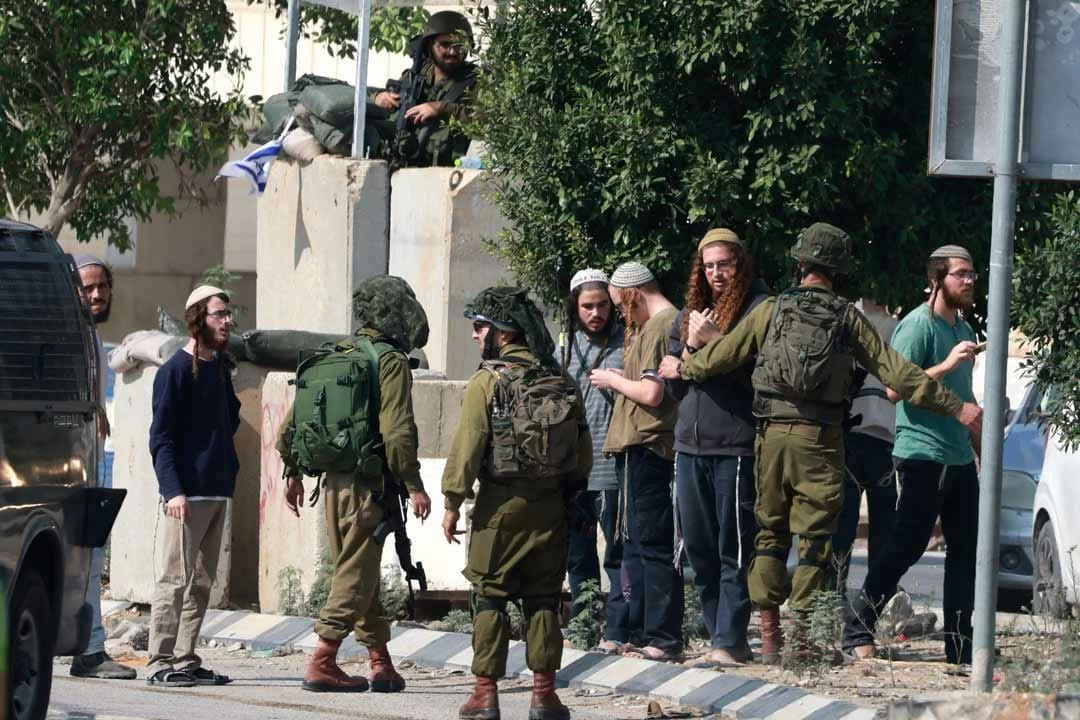
كشف وزير الدولة الأيرلندي للتعاون الدولي نيل ريتشموند، عن سعي بلاده إلى تشكيل استجابة أوروبية موحدة تجاه التصعيد الإسرائيلي في الضفة الغربية المحتلة، مؤكداً ضرورة توسيع العقوبات على إسرائيل والمستوطنين، وحظر دخول بضائع المستوطنات وخدماتها إلى الاتحاد الأوروبي.
ممارسات المستوطنين تضر حل الدولتين
وأدان التصعيد الذي تشهده الأراضي الفلسطينية المحتلة، مشيراً إلى أن الاعتداءات لا تقتصر على الحكومة الإسرائيلية، بل تشمل أيضاً المستوطنين، مؤكدا أن هذه الممارسات تلحق ضرراً كبيراً بآفاق حل الدولتين.
ورداً على سؤال بشأن مخطط «إي1» الاستيطاني ومشاريع التوسع الإسرائيلية في الضفة الغربية، قال ريتشموند إن بلاده تريد استجابة أوروبية منسقة للتصعيد، تبدأ من الجانب الاقتصادي.
وأعلن أن أيرلندا حظرت استيراد المنتجات القادمة من المستوطنات الإسرائيلية، وتسعى إلى اعتماد الشركاء الأوروبيين النهج نفسه، بهدف توجيه رسالة واضحة إلى الحكومة الإسرائيلية بأن استمرار الاستيطان وضم الأراضي والعنف ضد الفلسطينيين أمر غير مقبول.
وشدد على أهمية استمرار المساعدات الإنسانية للفلسطينيين، خصوصاً الدعم المقدم إلى وكالة «أونروا»، مشيراً إلى أن بلاده تعمل على حماية هذا الجهد في وقت تتجه فيه بعض الدول الأوروبية إلى سحب دعمها للوكالة.
مواصلة دعم الفلسطينيين
ودعا ريتشموند الاتحاد الأوروبي إلى التحرك بصوت واحد في المحافل متعددة الأطراف، بما يشمل مواصلة الدعم للفلسطينيين والاعتراف بدولة فلسطين، وإعادة وضع حل الدولتين في صدارة الأجندة الدولية.
وأشار إلى أن الاتحاد الأوروبي فرض بالفعل عقوبات على أفراد مرتبطين بالنشاط الاستيطاني، لكنه دعا إلى اتخاذ إجراءات أوسع، تشمل حظر التجارة والخدمات المرتبطة بالمستوطنات، وتوسيع نطاق العقوبات لتشمل مزيداً من الأشخاص والجهات المتورطة في الانتهاكات ضد الفلسطينيين.
وقال إن أيرلندا تعمل مع دول تتبنى مواقف مشابهة بينها إسبانيا وهولندا، من أجل إحداث تأثير اقتصادي أكبر، لا يقتصر على حظر بضائع المستوطنات وخدماتها، وإنما يمتد إلى فرض عقوبات أوسع على إسرائيل وخفض المزايا التي تستفيد منها في علاقاتها التجارية مع الاتحاد الأوروبي.
وأكد ريتشموند أن بلاده، خلال رئاستها لمجلس الاتحاد الأوروبي، قادرة على الدفع نحو موقف أوروبي أكثر حزماً، مشيراً إلى أن أيرلندا ستستضيف الأسبوع القادم وزراء خارجية الاتحاد الأوروبي لبحث قضية الاحتلال الإسرائيلي في الضفة الغربية.
إدانة الإجراءات الإسرائيلية
وكشف عن وجود اختلاف في مواقف الدول الأوروبية، إلا أن أغلبية الدول تمكنت خلال الأشهر الماضية من الانتقال من مجرد إدانة الحرب على غزة إلى إدانة الإجراءات الإسرائيلية في الضفة الغربية أيضاً.
وأضاف أن بلاده ستواصل بناء ائتلاف أوروبي يدفع باتجاه إجراءات تستند إلى القانون الدولي وحقوق الإنسان، معتبراً أن مسؤولية الاتحاد الأوروبي تزداد في ظل ما وصفه بتهديد القانون الدولي وحقوق الإنسان. ودعا إلى إعادة إحياء الموقف الأوروبي المنسق بشأن العقوبات الاقتصادية وعقوبات المستوطنين.
وأكد أن أيرلندا ستواصل الدفاع عن حل الدولتين، داعياً المجتمع الدولي إلى إبقاء هذا الخيار على جدول الأعمال وتعزيز السياسات الرامية إلى مواجهة الإجراءات الإسرائيلية التي تهدد فرص تحقيقه.
The Irish Minister of State for International Cooperation, Neale Richmond, revealed his country's efforts to form a unified European response to the Israeli escalation in the occupied West Bank, emphasizing the need to expand sanctions on Israel and settlers, and to ban the entry of settlement goods and services into the European Union.
Settler practices harm the two-state solution
He condemned the escalation in the occupied Palestinian territories, pointing out that the assaults are not limited to the Israeli government but also include settlers, asserting that these practices cause significant harm to the prospects of a two-state solution.
In response to a question about the "E1" settlement plan and Israeli expansion projects in the West Bank, Richmond stated that his country wants a coordinated European response to the escalation, starting from the economic side.
He announced that Ireland has banned the import of products coming from Israeli settlements and is seeking to have European partners adopt the same approach, aiming to send a clear message to the Israeli government that the continuation of settlement expansion, annexation of land, and violence against Palestinians is unacceptable.
He stressed the importance of continuing humanitarian aid to Palestinians, particularly the support provided to UNRWA, noting that his country is working to protect this effort at a time when some European countries are moving to withdraw their support for the agency.
Continuing support for Palestinians
Richmond called on the European Union to act with one voice in multilateral forums, including continuing support for Palestinians, recognizing the State of Palestine, and putting the two-state solution back at the forefront of the international agenda.
He pointed out that the European Union has already imposed sanctions on individuals linked to settlement activities, but he called for broader measures, including banning trade and services related to settlements, and expanding the scope of sanctions to include more individuals and entities involved in violations against Palestinians.
He stated that Ireland is working with countries that share similar positions, including Spain and the Netherlands, to create a greater economic impact, which not only includes banning settlement goods and services but also extends to imposing broader sanctions on Israel and reducing the benefits it enjoys in its trade relations with the European Union.
Richmond affirmed that his country, during its presidency of the Council of the European Union, is capable of pushing for a firmer European stance, noting that Ireland will host next week the EU foreign ministers to discuss the issue of Israeli occupation in the West Bank.
Condemnation of Israeli actions
He revealed that there is a difference in the positions of European countries, but the majority have managed in recent months to move from merely condemning the war on Gaza to also condemning Israeli actions in the West Bank.
He added that his country will continue to build a European coalition that pushes for actions based on international law and human rights, considering that the responsibility of the European Union increases in light of what he described as a threat to international law and human rights. He called for reviving the coordinated European stance regarding economic sanctions and sanctions against settlers.
He affirmed that Ireland will continue to defend the two-state solution, urging the international community to keep this option on the agenda and to enhance policies aimed at countering Israeli actions that threaten its realization.