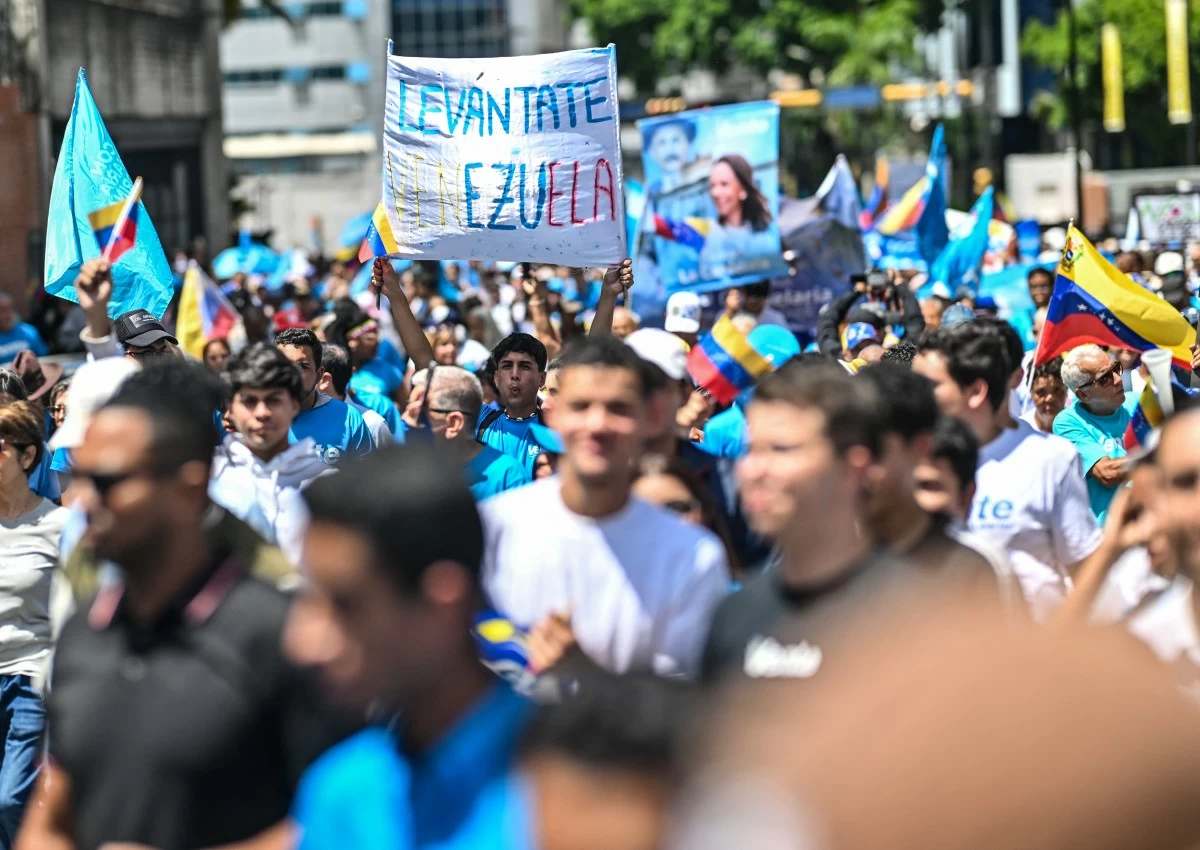
تشهد فنزويلا قبيل محادثات ترعاها الولايات المتحدة الأمريكية تهدف إلى الاتفاق على آلية وجدول زمني لإجراء انتخابات رئاسية جديدة، بعد ستة أشهر من اعتقال الرئيس السابق نيكولاس مادورو وتولي نائبته ديلسي رودريجيز السلطة.
وتسعى إدارة الرئيس دونالد ترمب إلى إظهار التزامها بدعم الانتقال الديمقراطي، إلا أن المعارضة تواجه خلافات بشأن المشاركة في الحوار. إذ أعلنت زعيمة المعارضة ماريا كورينا ماتشادو، والمرشح الرئاسي السابق إدموندو جونزاليس، عدم مشاركتهما في المفاوضات، مع تأكيدهما عدم عرقلة أي مبادرة تحقق تقدماً حقيقياً.
في المقابل، يرفض متشددون من التيار «التشافيزي» الموالي للحكومة المفاوضات، ونظم بعضهم احتجاجات أحرقوا خلالها أعلام الولايات المتحدة وإسرائيل. ورغم ذلك، يرى معارضون معتدلون أن وجود واشنطن يمنح المحادثات فرصة أكبر للنجاح مقارنة بجولات التفاوض السابقة التي انتهت بالفشل وأدت إلى تعميق الانقسام السياسي.
وقال المعارض هنريك كابريليس إن الفرق الأساسي هذه المرة هو الدور الأمريكي، معتبراً أن وزير الخارجية ماركو روبيو يتبنى خطة تقوم على مراحل تنتهي بانتقال ديمقراطي.
في المقابل، أبدى الرئيس ترمب تحفظاً بشأن إجراء انتخابات قريبة، مشيراً إلى أن فنزويلا «ليست مستعدة بعد»، رغم إشادته بالإصلاحات الاقتصادية التي تقودها ديلسي رودريجيز، ولا سيما في قطاع النفط.
ويرى محللون أن الحكومة وافقت على الحوار استجابة لضغوط أمريكية، لكن استمرار المحادثات قد يواجه تحديات إذا طالبت واشنطن بإجراءات تمس مصالح المؤسسة الأمنية أو النخبة الحاكمة.
وكانت محاولات الوساطة السابقة، سواء من إدارة الرئيس الأمريكي السابق جو بايدن أو من حكومات البرازيل وكولومبيا والمكسيك، قد فشلت في التوصل إلى تسوية للأزمة الفنزويلية.
وسيترأس الوفد الحكومي خورخي رودريجيز، رئيس الجمعية الوطنية وشقيق ديلسي رودريجيز، بينما تقود وفد المعارضة دينورا فيجيرا. ومن أبرز القضايا المطروحة إطلاق سراح السجناء السياسيين المتبقين، الذين يبلغ عددهم 379 وفق منظمة «فور بينال»، إضافة إلى تشكيل هيئة انتخابية جديدة تضمن مشاركة حقيقية للمعارضة.
وتكشف هذه التطورات انقسامات واضحة داخل المعسكرين؛ إذ يرى مسؤولون حكوميون أن الحوار قد يسهم في تفكيك صفوف المعارضة، بينما تتمسك الحكومة بمطلب رفع العقوبات الأمريكية، في حين تؤكد شخصيات معارضة بارزة أنها ستدعم أي مسار يفضي إلى انتقال ديمقراطي حقيقي دون أن تكون طرفاً مباشراً في المفاوضات.
Venezuela is witnessing talks sponsored by the United States aimed at agreeing on a mechanism and timeline for new presidential elections, following six months after the arrest of former president Nicolás Maduro and the assumption of power by his deputy Delcy Rodríguez.
The administration of President Donald Trump seeks to demonstrate its commitment to supporting the democratic transition; however, the opposition faces disagreements regarding participation in the dialogue. Opposition leader María Corina Machado and former presidential candidate Edmundo González announced their decision not to participate in the negotiations, while confirming that they would not obstruct any initiative that achieves real progress.
On the other hand, hardliners from the pro-government "Chavista" movement reject the negotiations, with some organizing protests during which they burned flags of the United States and Israel. Nevertheless, moderate opponents believe that Washington's involvement gives the talks a greater chance of success compared to previous rounds of negotiations that ended in failure and deepened the political divide.
Opposition figure Henrique Capriles stated that the key difference this time is the American role, considering that Secretary of State Marco Rubio is adopting a phased plan that culminates in a democratic transition.
In contrast, President Trump has expressed reservations about holding elections soon, indicating that Venezuela is "not ready yet," despite praising the economic reforms led by Delcy Rodríguez, particularly in the oil sector.
Analysts believe that the government agreed to the dialogue in response to American pressure, but the continuation of the talks may face challenges if Washington demands measures that affect the interests of the security establishment or the ruling elite.
Previous mediation attempts, whether by the administration of former U.S. President Joe Biden or by the governments of Brazil, Colombia, and Mexico, have failed to reach a settlement for the Venezuelan crisis.
The government delegation will be headed by Jorge Rodríguez, the president of the National Assembly and brother of Delcy Rodríguez, while the opposition delegation will be led by Dinorah Viguera. Among the key issues on the table is the release of the remaining political prisoners, numbering 379 according to the organization "Forbinal," in addition to forming a new electoral body that ensures genuine opposition participation.
These developments reveal clear divisions within both camps; government officials believe that the dialogue may help to dismantle the opposition ranks, while the government insists on the demand to lift U.S. sanctions, whereas prominent opposition figures assert that they will support any path leading to a genuine democratic transition without being a direct party in the negotiations.