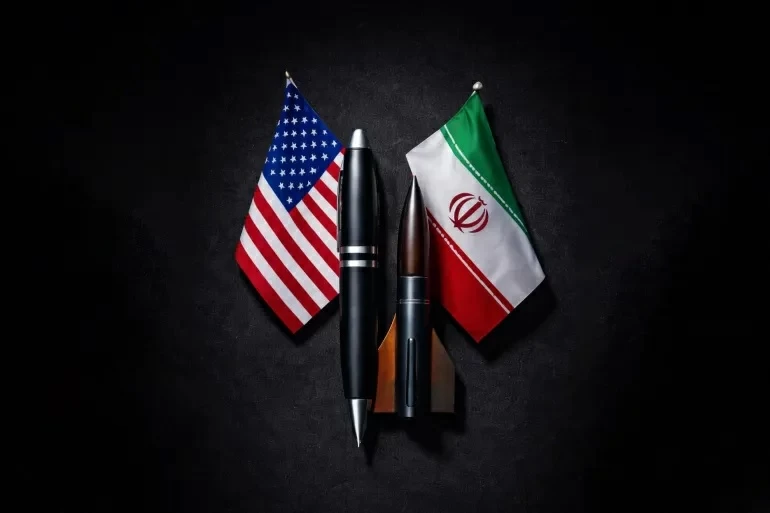
سلطت كبريات الصحف الأمريكية الضوء على الاتفاق بين واشنطن وطهران، وركزت في تعليقاتها على القضايا المعلقة في هذه التسوية المؤقتة التي تشمل، بحسب الأنباء المتداولة حتى الآن، وقفا فوريا ودائما للعمليات العسكرية على كل الجبهات، إعادة فتح مضيق هرمز أمام الملاحة الدولية، رفع الحصار البحري عن إيران، وتفاهمات تتعلق بالبرنامج النووي الإيراني.
تشكيل ميزان القوى في الشرق الأوسط
وكشفت تقارير «نيويورك تايمز وواشنطن بوست ووول ستريت جورنال وأكسيوس»، أن الاتفاق الذي أعلنه الرئيس دونالد ترمب مع إيران لا يمثل تسوية نهائية للصراع بقدر ما يشكل هدنة مؤقتة تتيح الوقت لمعالجة ملفات شائكة لا تزال دون حل، في مقدمتها البرنامج النووي الإيراني والعقوبات الأمريكية ومستقبل التوترات الإقليمية.
وأفادت «نيويورك تايمز»، بأن ترمب سعى إلى تقديم الاتفاق بوصفه إنجازا إستراتيجيا يعيد تشكيل ميزان القوى في الشرق الأوسط لصالح الولايات المتحدة، مؤكدا أن التفاهم سيضمن بقاء مضيق هرمز «مفتوحا بشكل دائم ودون رسوم عبور».
ولفتت الصحيفة إلى أن هذا الوصف يبدو مبالغا فيه، لأن مذكرة التفاهم المعلنة تنص فقط على تعليق القيود لمدة 60 يوما وإطلاق حوار إقليمي حول مستقبل المضيق، علما بأن إيران لم تكن تفرض رسوما على الملاحة قبل اندلاع الحرب أصلا، ما يعني أن الاتفاق يعيد الوضع إلى ما كان عليه قبل الأزمة أكثر من كونه يحقق ترتيبات جديدة دائمة.
الملف النووي.. العقدة الرئيسية
وتتمثل العقدة الرئيسية في مستقبل البرنامج النووي، إذ لم يتوصل الطرفان إلى تسوية نهائية بشأن تخصيب اليورانيوم أو آليات الرقابة طويلة الأمد أو مستقبل المخزون الإيراني من اليورانيوم عالي التخصيب.
وقال ترمب إن مفاوضات تقنية ستبدأ الجمعة في سويسرا، مضيفا أن إيران قد توافق على تعليق عمليات التخصيب لمدة 20 عاما، إلا أنه ألمح إلى إمكانية القبول بفترة أقصر تصل إلى 15 عاما. وأضاف أن إيران ستكون مقيدة بشكل دائم بمستويات منخفضة من التخصيب «لا يمكن استخدامها لأغراض عسكرية».
وذكرت الصحيفة أن هذه الشروط ليست جديدة، إذ إن اتفاق عام 2015 الذي أبرمته إدارة الرئيس السابق باراك أوباما تضمن قيودا مشابهة، قبل أن تنهار تلك الترتيبات بعد انسحاب ترمب منها عام 2018. تظل مسألة التخلص من المواد النووية الحساسة دون حسم.
ونقلت «وول ستريت جورنال» عن ترمب قوله إنه لا يستعجل إخراج المواد النووية الإيرانية، مضيفا: «سنتعامل مع الغبار النووي لاحقا عندما نكون مستعدين لذلك، خلال الشهر أو الشهرين القادمين، ليست هناك عجلة».
ووصف هذه المواد بأنها «غير ضارة»، وهو تصريح قد يثير تساؤلات بشأن مدى إلحاح الإدارة الأمريكية في معالجة أخطر جوانب الملف النووي.
تعليق ملف العقوبات الاقتصادية
أما ملف العقوبات الاقتصادية، فما يزال معلقا، وذكرت «واشنطن بوست» أن طهران تتوقع التفاوض خلال الستين يوما القادمة على رفع كامل للعقوبات الأمريكية المفروضة عليها. فيما أفاد موقع أكسيوس بأن أي تخفيف للعقوبات أو إفراج عن الأموال الإيرانية المجمدة سيكون مشروطا بالتزام إيران بالتقدم في المفاوضات النووية.
لم تتضح بعد آلية عمليات التفتيش التي تحدث عنها ترمب، إذ أكد أن الرقابة ستكون «صارمة»، لكنه لم يقدم تفاصيل بشأن الجهات التي ستتولى تنفيذها أو الأدوات التي ستستخدم لضمان الامتثال الإيراني.
ويمثل الملف اللبناني نقطة خلاف إضافية قد تهدد استقرار الاتفاق. وأشارت واشنطن بوست إلى أن أي تسوية مرتبطة بلبنان ستتطلب قدرة واشنطن على الضغط على إسرائيل لخفض عملياتها العسكرية، مقابل تعاون إيراني في التعامل مع حزب الله اللبناني.
القدرة على تجاوزت خلافات الطرفين
من جهة أخرى، قلل الرئيس ترمب في تصريحه من أهمية تغيير النظام الإيراني، قائلا إن هذا الهدف لم يكن ضمن أولوياته.
وأشارت وول ستريت إلى أن معارضي الاتفاق داخل الولايات المتحدة وإسرائيل يخشون أن تتحول الهدنة الحالية إلى نهاية للحرب من دون التوصل إلى اتفاق نهائي يعالج جذور الأزمة النووية.
وأجمعت الصحف الأمريكية على أن الستين يوما القادمة ستكون بمثابة اختبار حاسم للطرفين لأن أبرز القضايا الجوهرية لا تزال مؤجلة، ما يجعل مستقبل التفاهم مرهونا بقدرة واشنطن وطهران على تجاوز خلافاتهما بشأن أكثر الملفات حساسية.
The major American newspapers have highlighted the agreement between Washington and Tehran, focusing in their comments on the outstanding issues in this temporary settlement, which includes, according to the news circulating so far, an immediate and permanent halt to military operations on all fronts, reopening the Strait of Hormuz to international navigation, lifting the maritime blockade on Iran, and understandings related to the Iranian nuclear program.
Shaping the Balance of Power in the Middle East
Reports from the "New York Times, Washington Post, Wall Street Journal, and Axios" revealed that the agreement announced by President Donald Trump with Iran does not represent a final settlement to the conflict as much as it constitutes a temporary truce that allows time to address thorny issues that remain unresolved, primarily the Iranian nuclear program, American sanctions, and the future of regional tensions.
The "New York Times" reported that Trump sought to present the agreement as a strategic achievement that reshapes the balance of power in the Middle East in favor of the United States, emphasizing that the understanding will ensure that the Strait of Hormuz remains "permanently open and without transit fees."
The newspaper pointed out that this description seems exaggerated, as the announced memorandum of understanding only stipulates suspending restrictions for 60 days and initiating a regional dialogue about the future of the strait, noting that Iran had not imposed fees on navigation before the outbreak of the war, which means that the agreement restores the situation to what it was before the crisis rather than achieving new permanent arrangements.
The Nuclear File... The Main Sticking Point
The main sticking point lies in the future of the nuclear program, as the two parties have not reached a final settlement regarding uranium enrichment, long-term monitoring mechanisms, or the future of Iran's stockpile of highly enriched uranium.
Trump stated that technical negotiations would begin on Friday in Switzerland, adding that Iran might agree to suspend enrichment activities for 20 years, although he hinted at the possibility of accepting a shorter period of 15 years. He added that Iran would be permanently restricted to low levels of enrichment "that cannot be used for military purposes."
The newspaper noted that these conditions are not new, as the 2015 agreement reached by former President Barack Obama's administration included similar restrictions, before those arrangements collapsed after Trump's withdrawal in 2018. The issue of disposing of sensitive nuclear materials remains unresolved.
The "Wall Street Journal" quoted Trump as saying that he is not in a hurry to remove Iranian nuclear materials, adding: "We will deal with the nuclear dust later when we are ready for it, in a month or two, there is no rush."
He described these materials as "harmless," a statement that may raise questions about the urgency of the U.S. administration in addressing the most dangerous aspects of the nuclear file.
Suspension of the Economic Sanctions File
As for the economic sanctions file, it remains suspended, and the "Washington Post" reported that Tehran expects to negotiate over the next sixty days for a complete lifting of the American sanctions imposed on it. Meanwhile, Axios reported that any easing of sanctions or release of frozen Iranian funds would be conditional on Iran's commitment to progress in the nuclear negotiations.
The mechanism for the inspections that Trump mentioned has not yet been clarified, as he confirmed that monitoring would be "strict," but he did not provide details about the entities that would carry it out or the tools that would be used to ensure Iranian compliance.
The Lebanese file represents an additional point of contention that could threaten the stability of the agreement. The Washington Post noted that any settlement related to Lebanon would require Washington's ability to pressure Israel to reduce its military operations in exchange for Iranian cooperation in dealing with Hezbollah.
The Ability to Overcome the Parties' Differences
On the other hand, President Trump downplayed the importance of changing the Iranian regime in his statement, saying that this goal was not among his priorities.
The Wall Street Journal pointed out that opponents of the agreement within the United States and Israel fear that the current truce could turn into an end to the war without reaching a final agreement that addresses the roots of the nuclear crisis.
American newspapers agreed that the next sixty days would serve as a crucial test for both parties, as the most significant core issues remain postponed, making the future of the understanding contingent on Washington and Tehran's ability to overcome their differences on the most sensitive files.