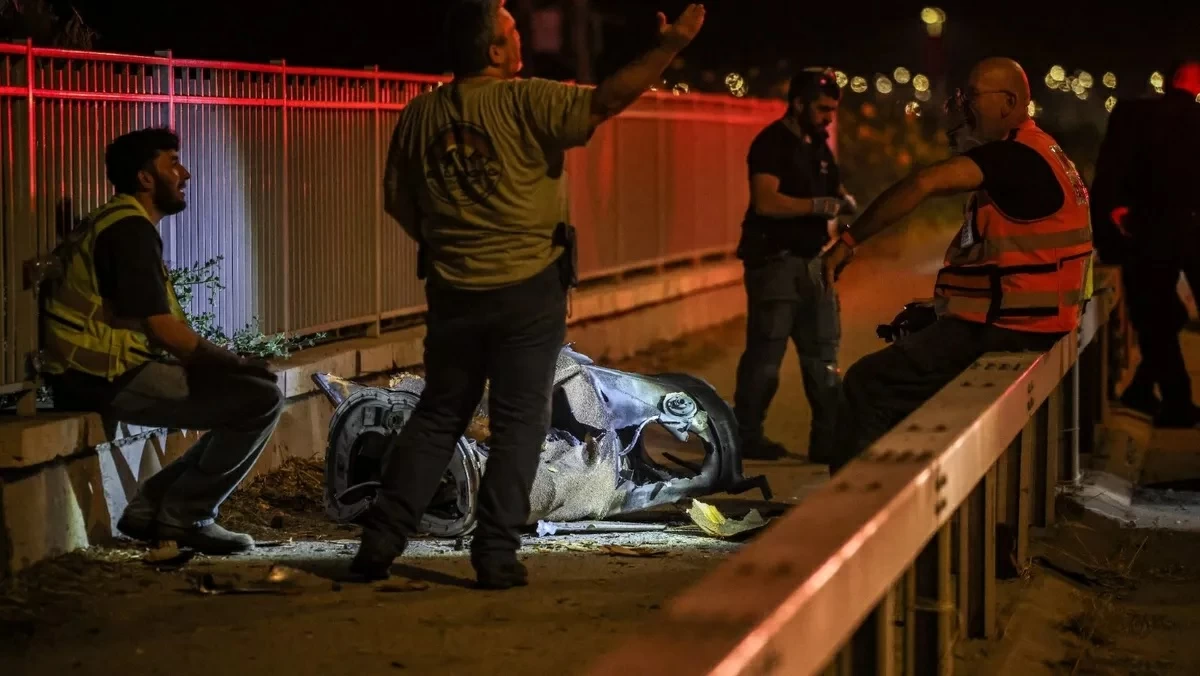
بعد نحو 60 يوما من الهدنة ،وفي تصعيد خطير يعيد الأمور إلى المربع الأول، ويضع وقف إطلاق النار أمام اختبار صعب، تجدّدت المواجهة بين إسرائيل وإيران، اليوم (الإثنين)، ما يهدد بتقويض المسار الدبلوماسي، ويطيح بالآمال في التوصّل إلى اتفاق ينهي الحرب في الشرق الأوسط.
وجاءت الهجمات الإسرائيلية على إيران بعد ساعات من دعوة الرئيس الأمريكي دونالد ترمب إسرائيل إلى الامتناع عن التصعيد و الردّ على طهران.
وسمعت سلسلة انفجارات في القدس المحتلة أثناء توجّه الإسرائيليين إلى الملاجئ، فيما أعلن الجيش الإسرائيلي اعتراض موجة جديدة من الصواريخ الإيرانية.
وأعلن الحرس الثوري الإيراني أنه استهدف قاعدتَي نيفاتيم (جنوب) وتل نوف (وسط) العسكريتين «رداً على الهجوم الصاروخي الذي شنّه الجيش الإسرائيلي ضد مواقع رادار في ثلاثة أماكن مختلفة داخل إيران». وقال الجيش الإسرائيلي إنه ضرب أهدافا عسكرية ومجمعا للبتروكيماويات.
وسعى ترمب إلى كبح جماح رئيس الوزراء الإسرائيلي بنيامين نتنياهو، بعدما اتهمت إسرائيل إيران بارتكاب «خطأ جسيم».
ونقل الصحفي باراك رافيد من موقع «أكسيوس» عن ترمب قوله: «سأتّصل ببيبي الآن لأطلب منه عدم الرد». وأضاف «لقد نفّذت إسرائيل ضربتها وإيران نفّذت ضربتها، ولا نحتاج إلى ضربات أخرى».
وفي مقابلة منفصلة مع شبكة «فوكس نيوز» Fox News، قال ترمب «ما أقترحه على إيران: لقد أطلقت صواريخك، هذا يكفي، عودي إلى طاولة المفاوضات وأبرمي اتفاقاً».
من جانبها، دعت مسؤولة السياسة الخارجية في الاتحاد الأوروبي كايا كالاس إلى التهدئة، مؤكدة أن المنطقة لا تحتاج إلى مزيد من التصعيد، بل أن تجلس الأطراف إلى طاولة المفاوضات وتتوصل إلى اتفاق.
فيما اعتبرت طهران أن أيّ اتفاق لإنهاء الحرب بصورة دائمة يجب أن يشمل لبنان أيضاً.
وكان إسرائيل شنت أمس (الأحد) غارات على الضاحية الجنوبية لبيروت للمرة الأولى منذ أن أعلنت الولايات المتحدة خطة لهدنة في لبنان قبل أيام. وأطلقت إيران سلسلة من الصواريخ على أهداف إسرائيلية رداً على ذلك، مما هدد المحادثات بين واشنطن وطهران، لكن ترمب أصر على أن اتفاقاً لإنهاء الحرب الأوسع نطاقاً لا يزال في المتناول.
بدوره، اتهم رئيس مجلس الشورى كبير المفاوضين الإيرانيين محمد باقر قاليباف، الولايات المتحدة بمنح إسرائيل «ضوءاً أخضر» للهجوم على بيروت، معتبراً أن المصالح الأمريكية والإسرائيلية أصبحت الآن «أهدافاً مشروعة».
يذكر أن الجهود الدبلوماسية الباكستانية تواصلت، حتى اليوم من خلال زيارة وزير الداخلية محسن نقوي إلى طهران، التي غادرها فجر الإثنين، بعد أن نقل «رسالة خاصة» من قائد الجيش عاصم منير إلى القيادة الإيرانية.
After about 60 days of the truce, in a serious escalation that brings things back to square one and puts the ceasefire to a difficult test, confrontations between Israel and Iran renewed today (Monday), threatening to undermine the diplomatic process and derail hopes of reaching an agreement to end the war in the Middle East.
The Israeli attacks on Iran came just hours after U.S. President Donald Trump urged Israel to refrain from escalation and respond to Tehran.
A series of explosions were heard in occupied Jerusalem as Israelis headed to shelters, while the Israeli army announced the interception of a new wave of Iranian missiles.
The Iranian Revolutionary Guard announced that it targeted the Negev (south) and Tel Nof (central) military bases "in response to the missile attack launched by the Israeli army against radar sites in three different locations inside Iran." The Israeli army stated that it struck military targets and a petrochemical complex.
Trump sought to rein in Israeli Prime Minister Benjamin Netanyahu after Israel accused Iran of making a "grave mistake." Journalist Barak Ravid from Axios reported Trump saying, "I will call Bibi now to ask him not to respond." He added, "Israel has made its strike, and Iran has made its strike, and we don't need more strikes."
In a separate interview with Fox News, Trump said, "What I propose to Iran: You have launched your missiles, that's enough, go back to the negotiating table and make a deal."
For her part, EU foreign policy chief Kaja Kallas called for de-escalation, emphasizing that the region does not need further escalation but rather for the parties to sit at the negotiating table and reach an agreement.
Meanwhile, Tehran considered that any agreement to end the war permanently must also include Lebanon.
Israel had launched airstrikes on the southern suburbs of Beirut yesterday (Sunday) for the first time since the United States announced a truce plan in Lebanon a few days ago. Iran launched a series of missiles at Israeli targets in response, threatening talks between Washington and Tehran, but Trump insisted that an agreement to end the broader war is still within reach.
For his part, the Speaker of the Iranian Shura Council and chief negotiator Mohammad Baqer Qalibaf accused the United States of giving Israel a "green light" to attack Beirut, considering that American and Israeli interests have now become "legitimate targets."
It is worth noting that Pakistani diplomatic efforts continued today through the visit of Interior Minister Mohsin Naqvi to Tehran, from which he departed early Monday after delivering a "special message" from Army Chief Asim Munir to the Iranian leadership.