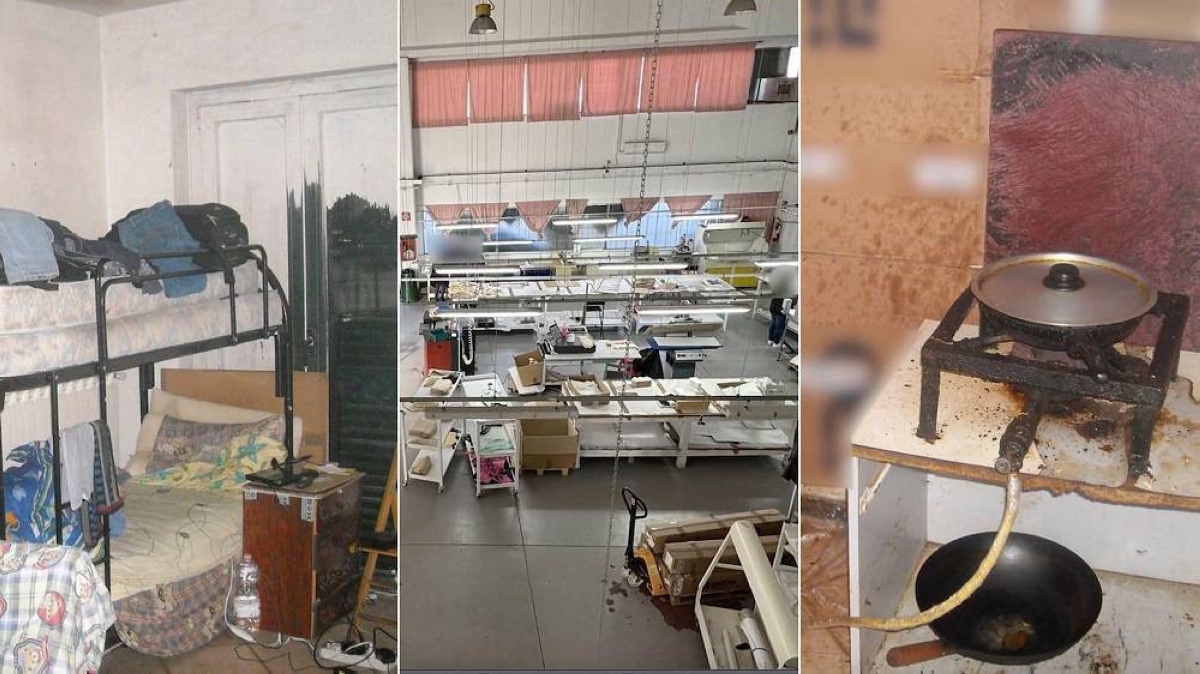
خلال الأسبوع الماضي، كشفت السلطات الإيطالية قضية صادمة تتعلق باستغلال العمال في صناعة الأزياء الفاخرة. التحقيقات أوضحت أن بعض المصانع كانت توظف عمالاً من دون عقود رسمية، وتدفع لهم أجوراً منخفضة جداً لا تتعدى «أربعة يورو» للساعة، رغم أنهم يعملون لساعات طويلة تتجاوز التسعين ساعة في الأسبوع، وفي ظروف خطيرة وغير إنسانية.
في بعض الحالات، وُجد أن العمال يسكنون داخل الورش نفسها، بدون تهوية أو سلامة، وحتى بدون وثائق قانونية. واحدة من الحوادث اللي أثارت الغضب كانت عن عامل تعرض للضرب بعد مطالبته بأجوره المتأخرة، وانتهى به الأمر في المستشفى أكثر من شهر.
المحكمة الإيطالية تدخلت وأمرت بوضع إحدى الشركات المعروفة تحت رقابة قضائية لمدة سنة، والسبب أنها كانت تتعامل مع موردين يتسترون على هذه الانتهاكات. الشركة نفسها نفت علمها بما كان يحدث، لكنها تعهدت باتخاذ خطوات إصلاحية وتحسين الرقابة على سلسلة التوريد.
القضية هزّت الرأي العام في أوروبا، وأطلقت الحكومة الإيطالية خطة جديدة لتنظيم قطاع الأزياء، تشمل قاعدة بيانات للموردين وتفتيشاً دورياً، بهدف حماية حقوق العمال وضمان أن عبارة «صُنع في إيطاليا» تبقى رمزاً للجودة والعدالة، وليس الفخامة.
Last week, Italian authorities revealed a shocking case related to the exploitation of workers in the luxury fashion industry. Investigations showed that some factories were employing workers without official contracts, paying them very low wages that did not exceed "four euros" per hour, despite them working long hours exceeding ninety hours a week, in dangerous and inhumane conditions.
In some cases, it was found that workers were living inside the workshops themselves, without ventilation or safety, and even without legal documents. One of the incidents that sparked outrage was about a worker who was beaten after demanding his overdue wages, and he ended up in the hospital for more than a month.
The Italian court intervened and ordered one well-known company to be placed under judicial supervision for a year, because it was dealing with suppliers who were covering up these violations. The company itself denied knowledge of what was happening, but it pledged to take corrective steps and improve oversight of the supply chain.
The case shook public opinion in Europe, and the Italian government launched a new plan to regulate the fashion sector, which includes a database for suppliers and regular inspections, with the aim of protecting workers' rights and ensuring that the phrase "Made in Italy" remains a symbol of quality and fairness, not just luxury.